“Haiti Has Borne the Weight of a Heavy Debt”: Teaching the Long-Term Effects of the Haitian Revolution
Discussion of how to teach the long-term consequences of the Haitian Revolution

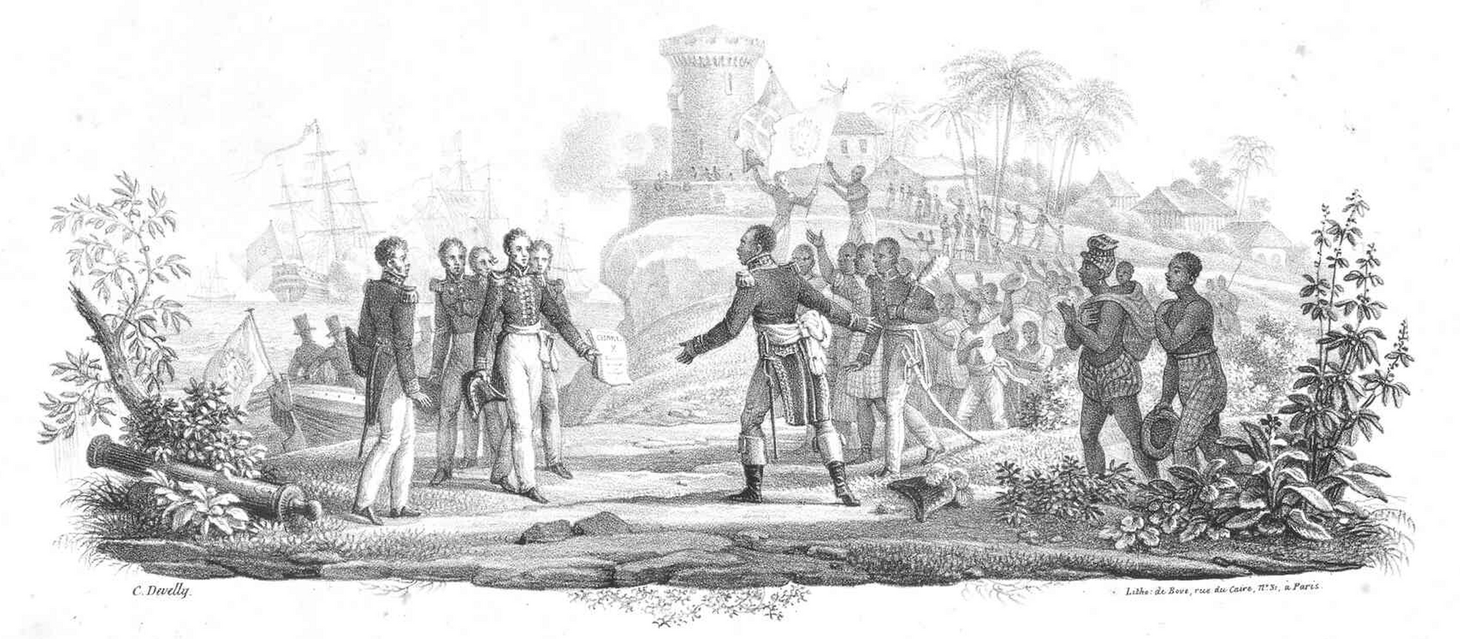
In May 2022, I was delighted to see a major article in The New York Times about the legacies of Haitian debt to France. It was the first article in The New York Times’ “Haiti’s Ransom Project,” which seemed to be modeled after their earlier 1619 project. As I began to read the first article, I was excited to see a discussion of the legacies of Haitian debt in a major newspaper. I also was disturbed by the claims about the debt not being remembered:
Since then, the double debt has largely faded into history. France has repeatedly downplayed, distorted or buried it. Only a few scholars have examined it deeply.
I had been teaching Haiti’s debt to France for over fifteen years, so I knew the debt issue had not “faded into history.” Discussion of the debt and teaching resources about the debt were easy to find. I had used Rocky Cotard’s graphic history “Haiti’s Long Road to Freedom” and Marlene Daut’s “When France extorted Haiti – the greatest heist in history” with my students. Over the next month, historians began speaking out about being silenced and overlooked by The Times. The controversy over The Times’ Haiti series reminds me of Gore Vidal’s phrase “The United States of Amnesia.” Most Americans, which includes our students, regularly forget the past and what they have learned, even though many historians and the people who have suffered remember.
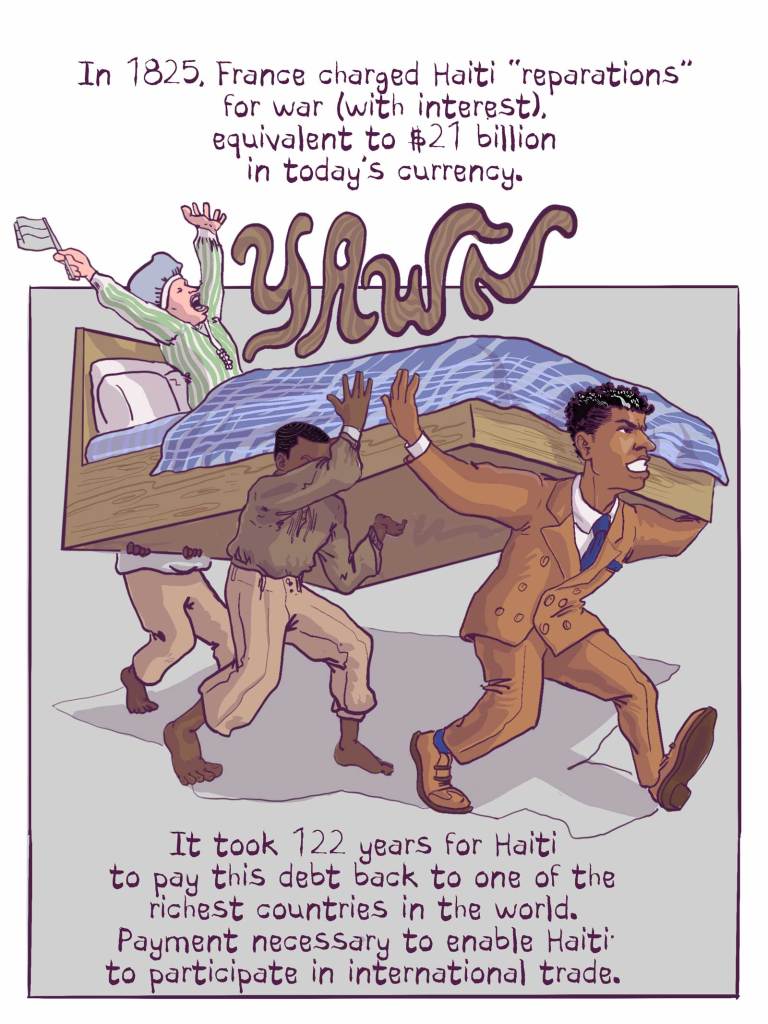
Reflecting on the “Haiti Ransom Project” is an important reminder of how we teach the long-term consequences of the Haitian Revolution. We shouldn’t stop discussing the Haitian Revolution with winning their independence from France in 1804. We want to help students understand how France later punished Haitians for their revolution, why the United States occupied Haiti in the early twentieth century, and how the Haitian Revolution continues to be an influential event in the popular consciousness of many people worldwide.
“To Compensate the Former Colonists”: Empire Strikes Back
This content is for Paid Members
Unlock full access to Liberating Narratives and see the entire library of members-only content.
SubscribeAlready have an account? Log in