Weekly Post
Weekly Friday posts for all paying subscribers.
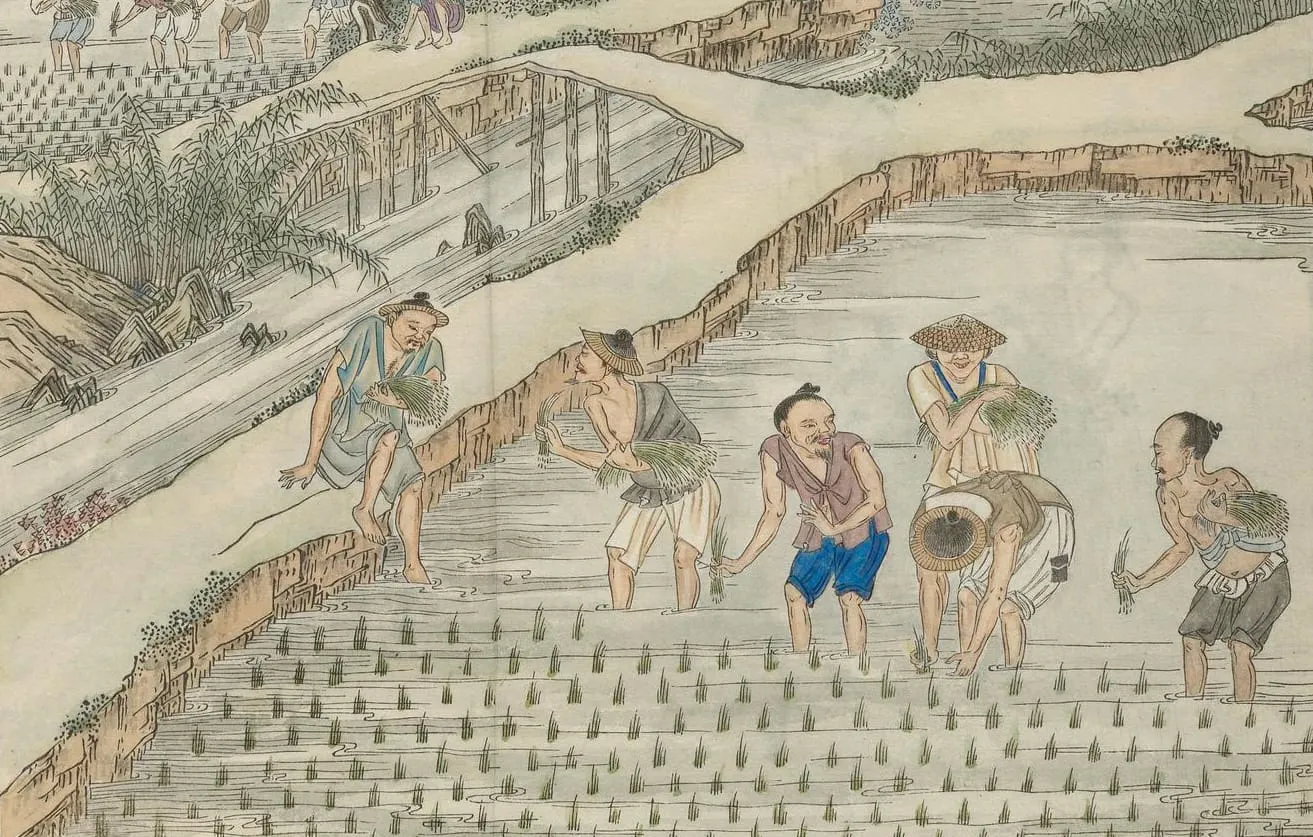
“The Finest and Most Fruitful Country in the World”: The Importance of Agriculture in the First Global Economy
Teaching the Centrality of Agriculture to the First Global Economy
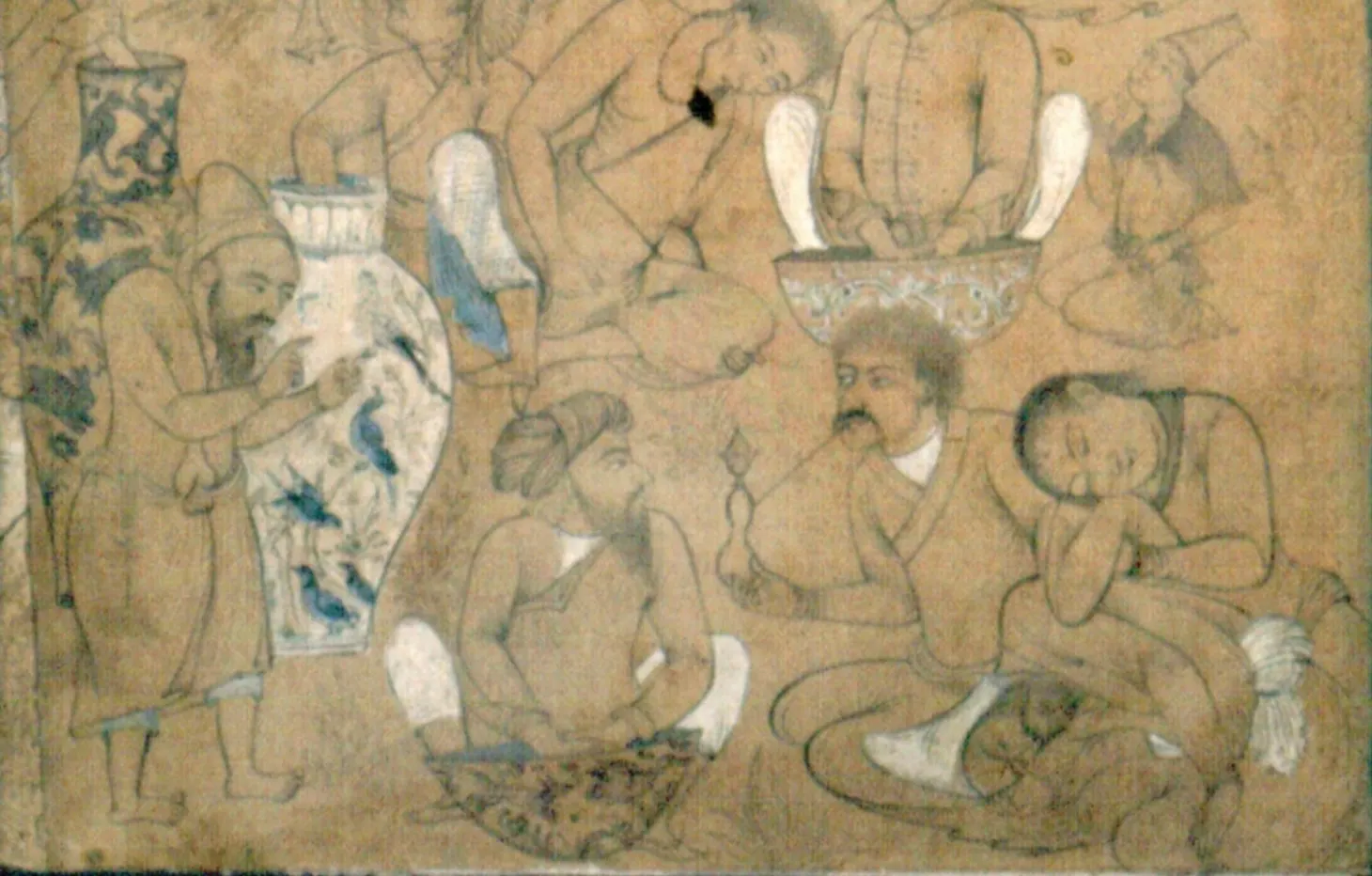
“Objects that Resemble the Ceramics of China”: Imitating Chinese Porcelain, c.1400 - c.1800
How potters around the world imitated Chinese porcelain in the First Global Economy
“A Constant Succession of Flames and Smoke”: Jingdezhen, the Chinese Porcelain Industry, and its Global Appeal, c.1400 - c.1800
Visualizing the global popularity of Chinese porcelain in the First Global Economy

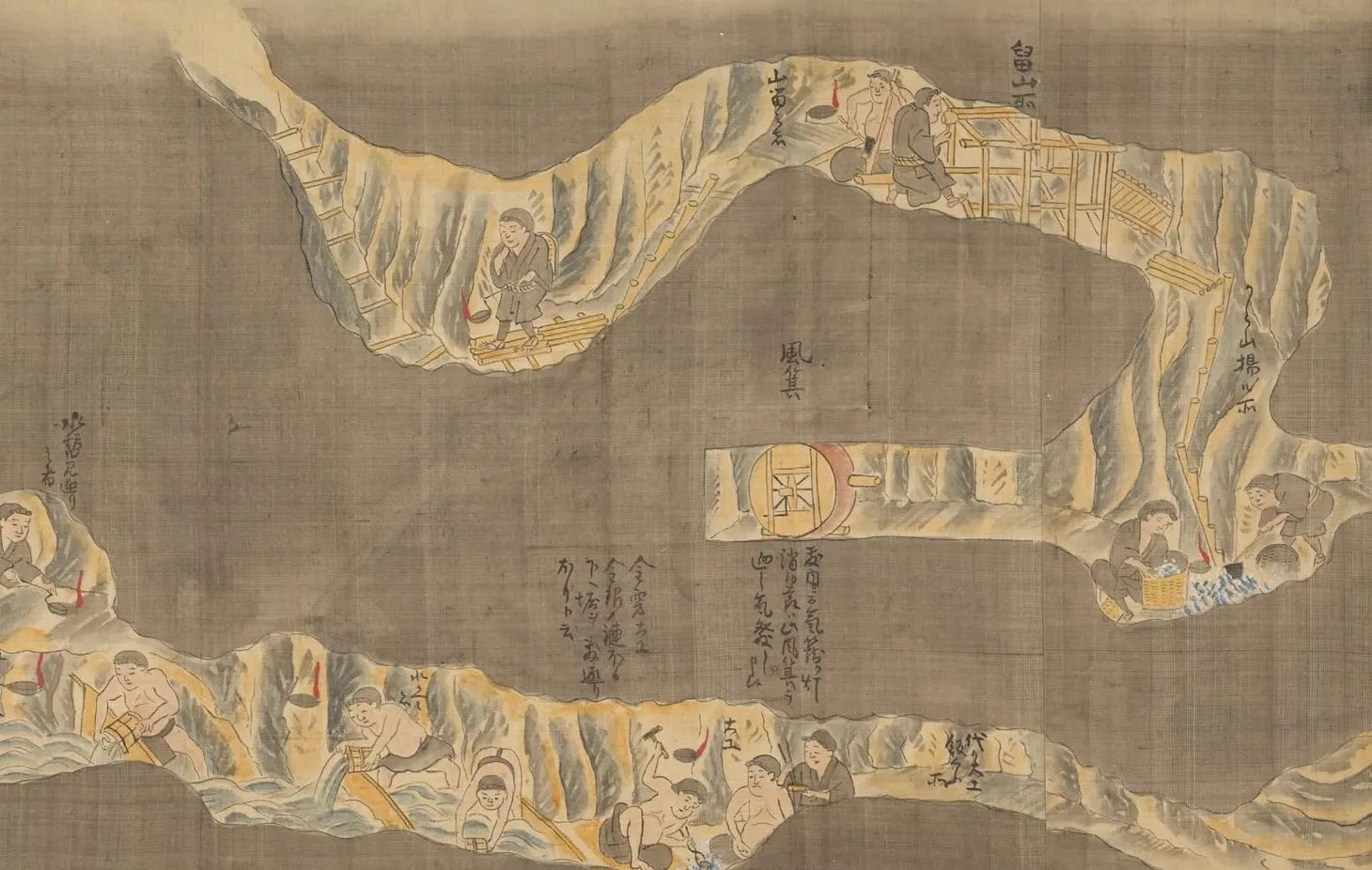
“All this Silver of Japan”: Japanese Silver and the First Global Economy
How Japanese silver was critical to the First Global Economy
“Distant Parts of the World are Connected with One Another”: The Causes of the First Global Economy
Using maps to teach the causes of the first global economy
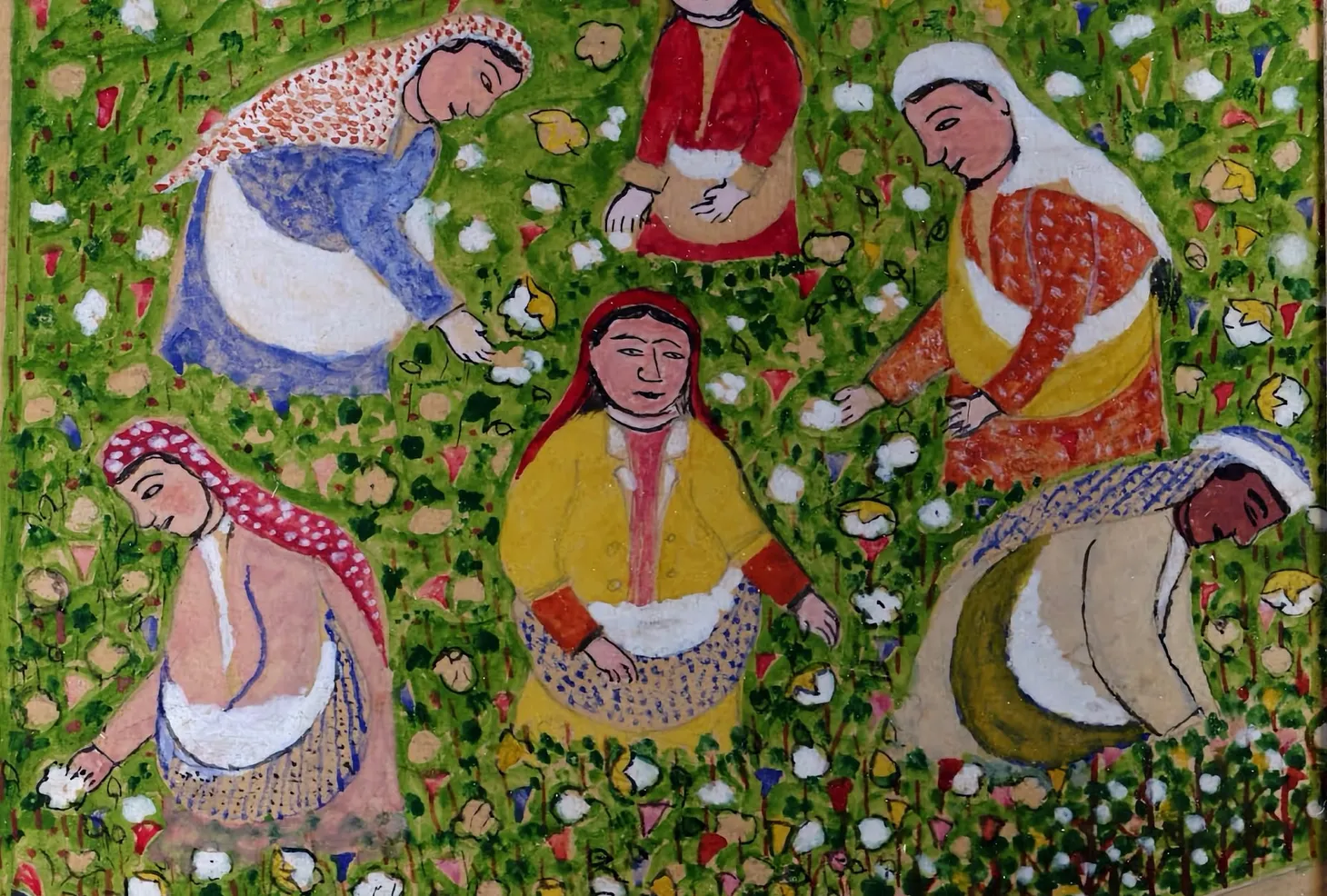
“Our Uzbek History is Tied Up with Cotton”: Cotton in Late Imperial Russian and Soviet Central Asia
Teaching Russian and Soviet Colonialism
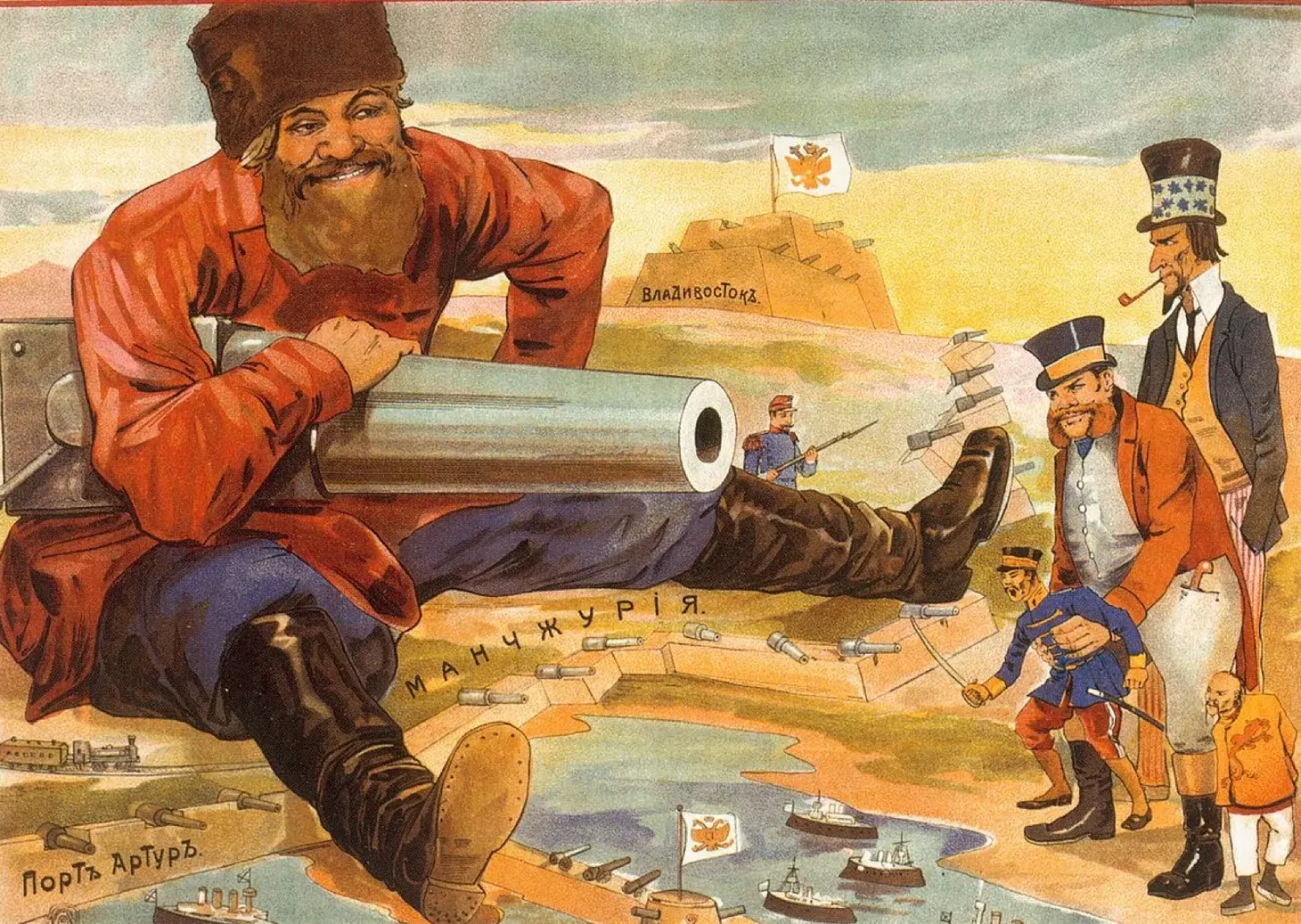
“Leading Russia Nearer and Nearer to Utter Ruin”: Teaching the Russo-Japanese War from a Global Perspective
Reframing how we teach the Russo-Japanese War
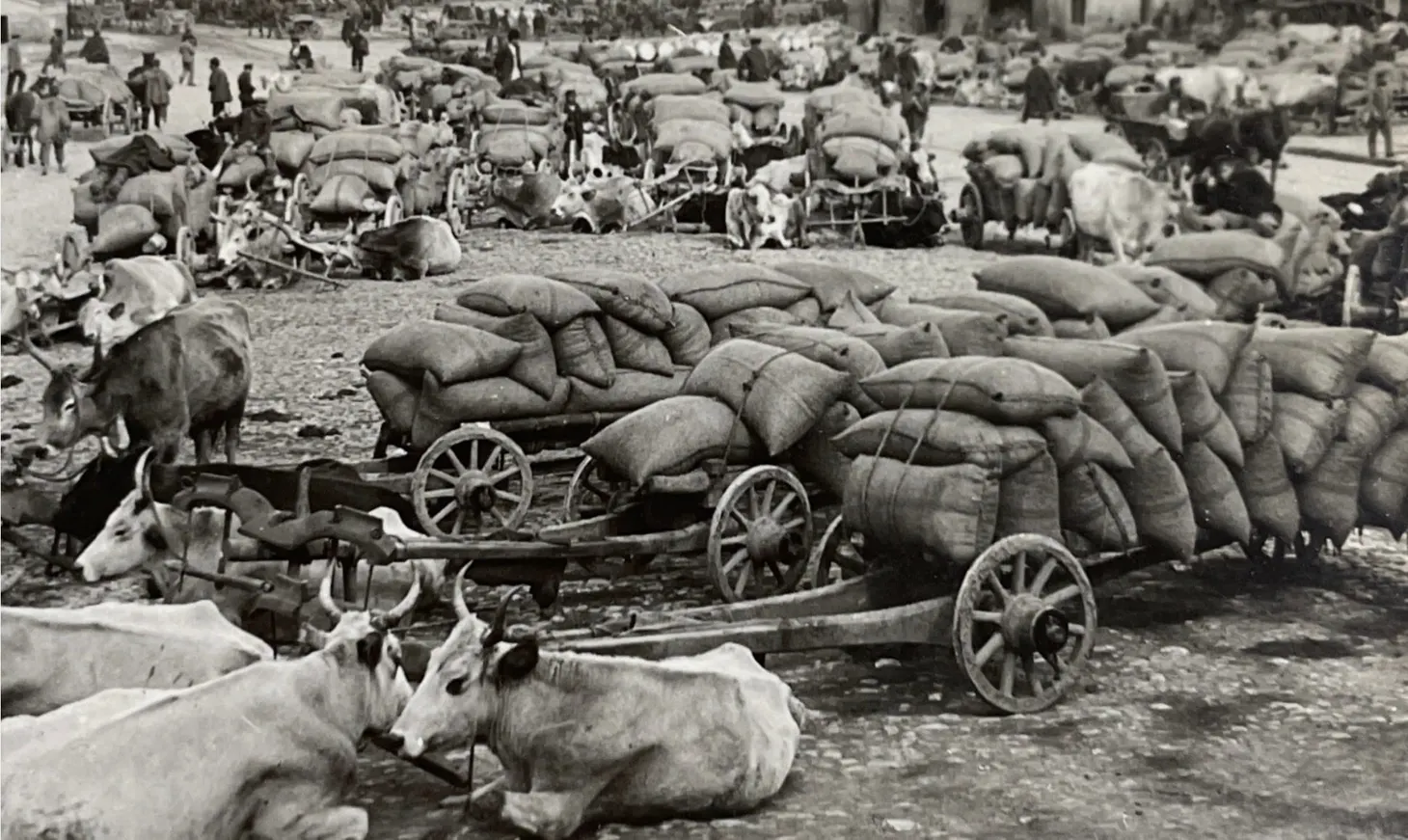
“On Arrival at the Market with their Grain”: Grain and Mass Production in Late Imperial Russia
Rethinking how we teach late imperial Russia’s economic changes
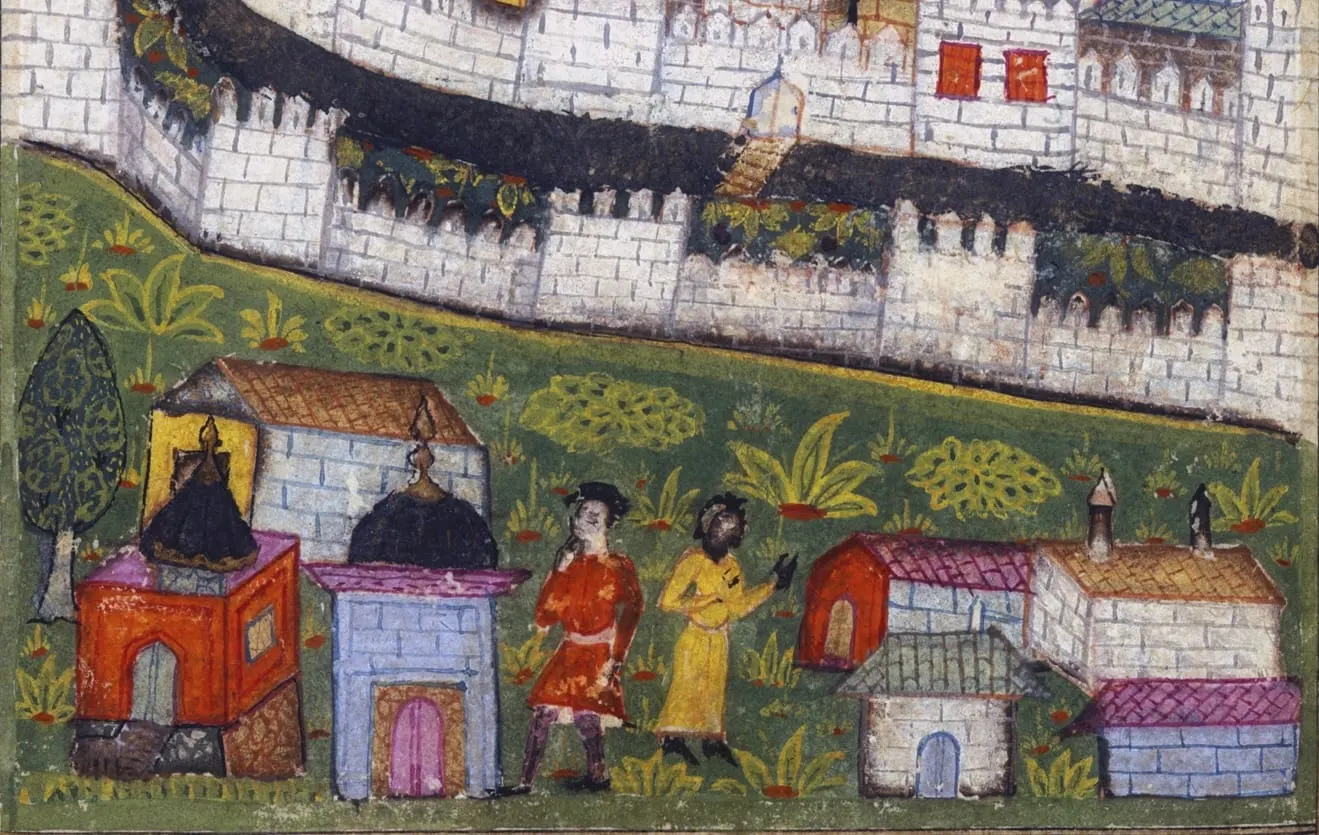
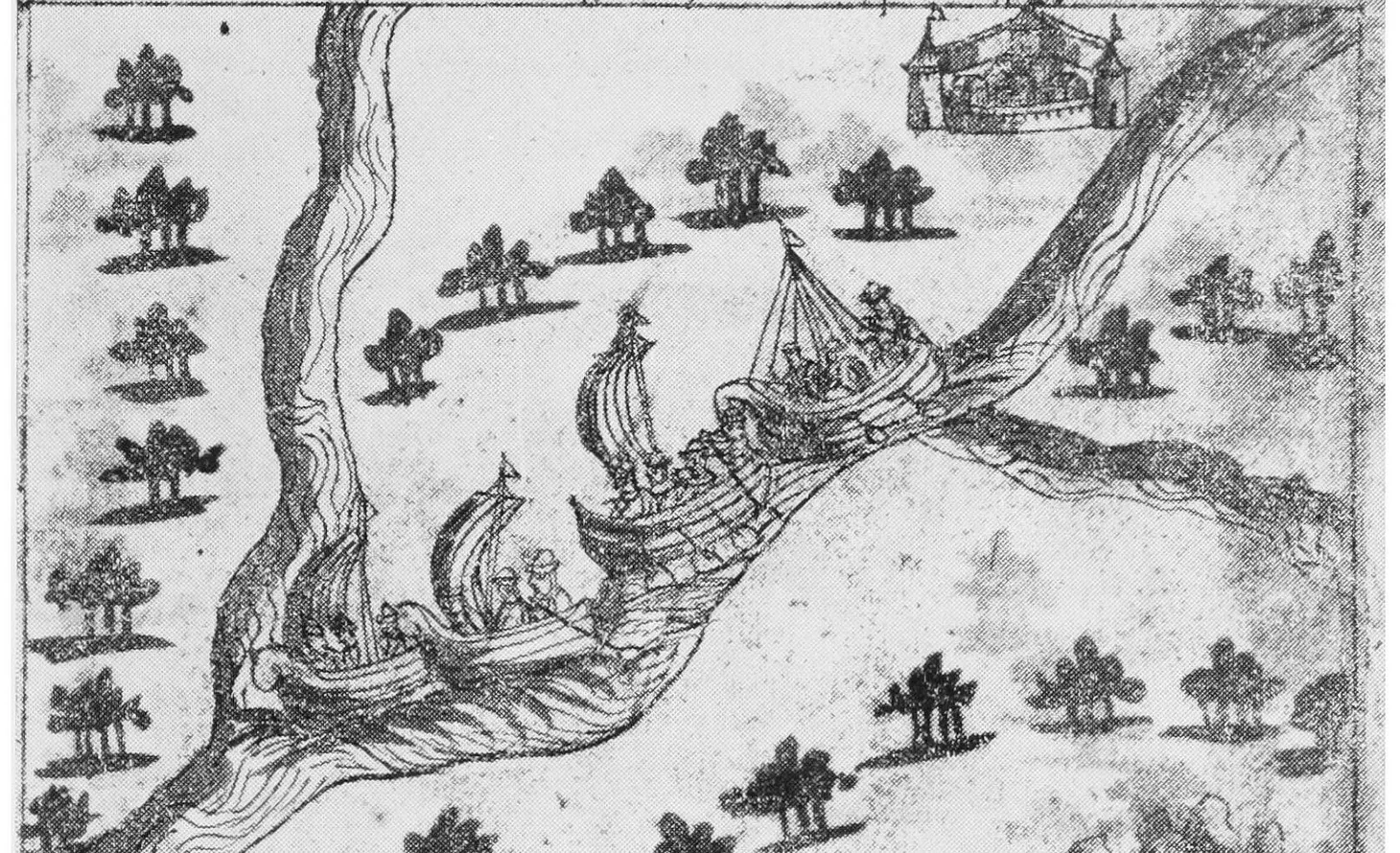
“Death Came Suddenly to the Brave Troops and Valiant Cossacks”: Indigenous Resistance to Russian Expansion in Siberia
The Russian “conquest” of Siberia regularly encountered Siberian resistance
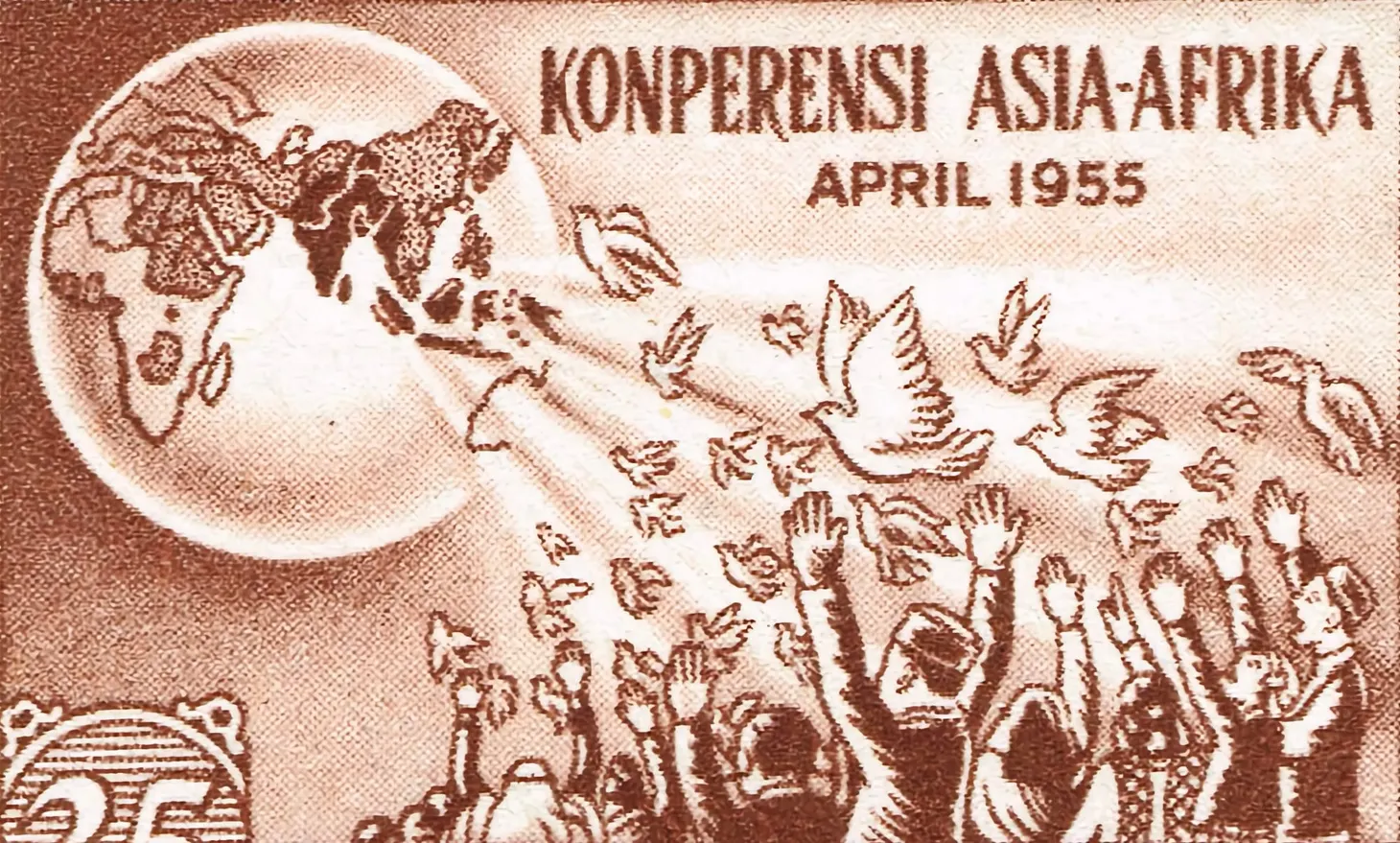
“Colonialism in All Its Manifestations is an Evil”: The Bandung Conference and Anti-Imperial Solidarity
Teaching anti-imperial solidarity using the Bandung Conference