“Among a Kindred People”: The Pacific Islands in the Era of New Imperialism, c.1840 - c.1930
A discussion of teaching resistance to New Imperialism in the Pacific Islands in world history courses.

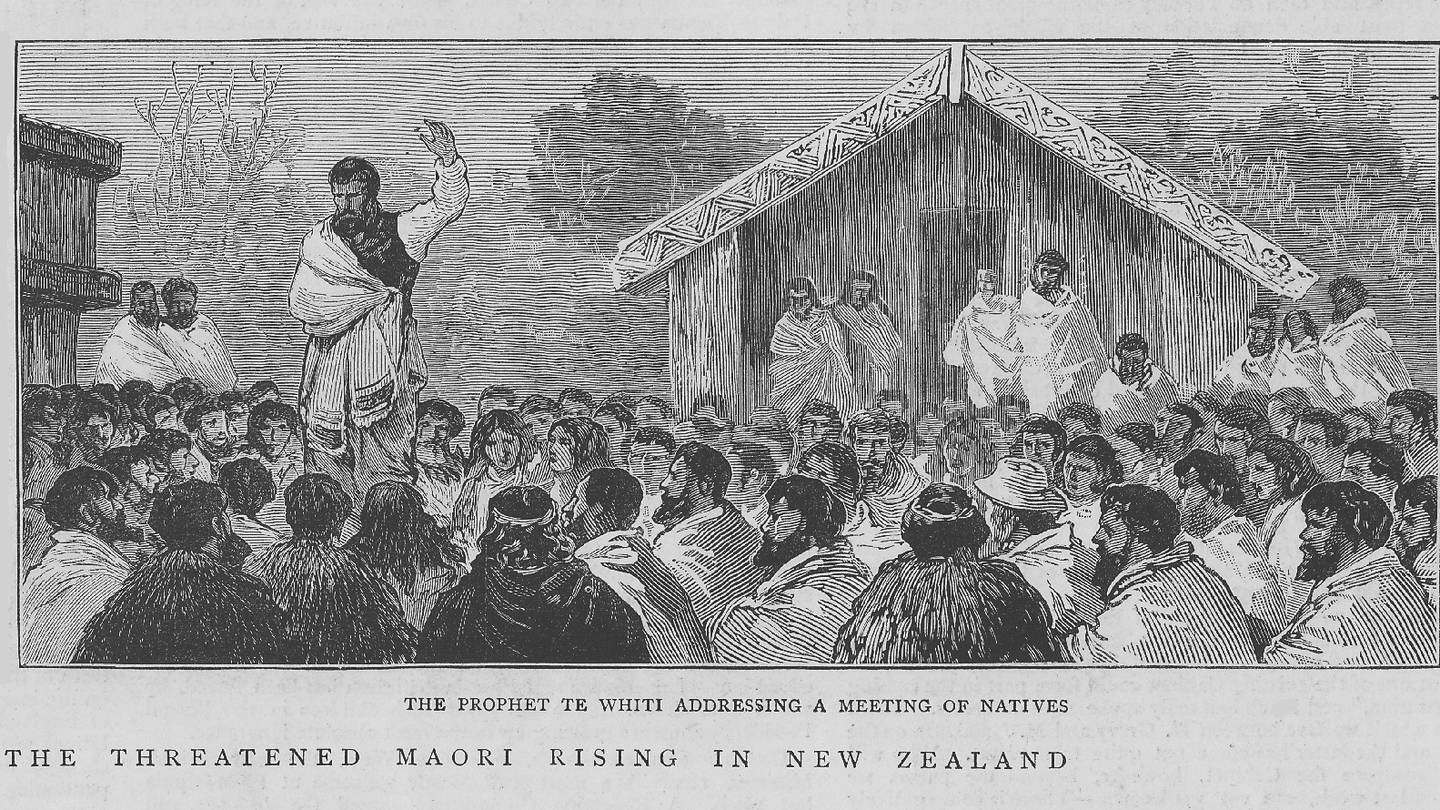
With so many topics to cover in world history classes, I’m willing to bet that most teachers skip over teaching imperialism in the Pacific Islands. As a teacher in New York City, my classes that focused on Oceania were always the first ones I’d cut if we lost class time to snow days. It doesn’t help that most textbooks barely address the Pacific Islands. Traditions & Encounters dedicates a few pages to imperialism in the Pacific, but that may be a product of having two authors who had personal connections to Hawaii. In Ways of the World, one of the most popular textbooks for A.P. World, there is nothing more than a passing mention of imperialism in the Pacific. Even my favorite text, Forging the Modern World, skips over the Pacific Islands.
Although textbook authors seemingly have decided students don’t need to learn about imperialism in the Pacific, there have been many excellent, recent monographs about the Pacific Islands in the context of world history. (I’ll mention these books in the post.) The common thread among these recent books is how the authors have shown the history of the Pacific Islands exemplifying some significant themes of New Imperialism in world history, such as global migration, resource extraction, and resistance to European rule.
Given this wealth of resources, I want to highlight some ways we can weave in the history of the Pacific Islands into our teaching of New Imperialism. Given the massive size of the Pacific Ocean and the number of Pacific Islands, it’s impossible to teach this region comprehensively. I’ll begin with a brief overview of imperialism in the Pacific Islands. As I’ve done with recent posts on Southeast Asia and Africa, I want to highlight a few helpful case studies that exemplify different themes and forms of resistance to imperialism.
A Brief History of Imperialism in the Pacific
This content is for Paid Members
Unlock full access to Liberating Narratives and see the entire library of members-only content.
SubscribeAlready have an account? Log in