Skip to content

“Great Number of Hands Congregated Together”: Teaching the Origins of the Factory System

Discussion of using primary sources to teach the consequences of the factory system

Bram Hubbell
Bram Hubbell
4 min read
“Great Number of Hands Congregated Together”: Teaching the Origins of the Factory System
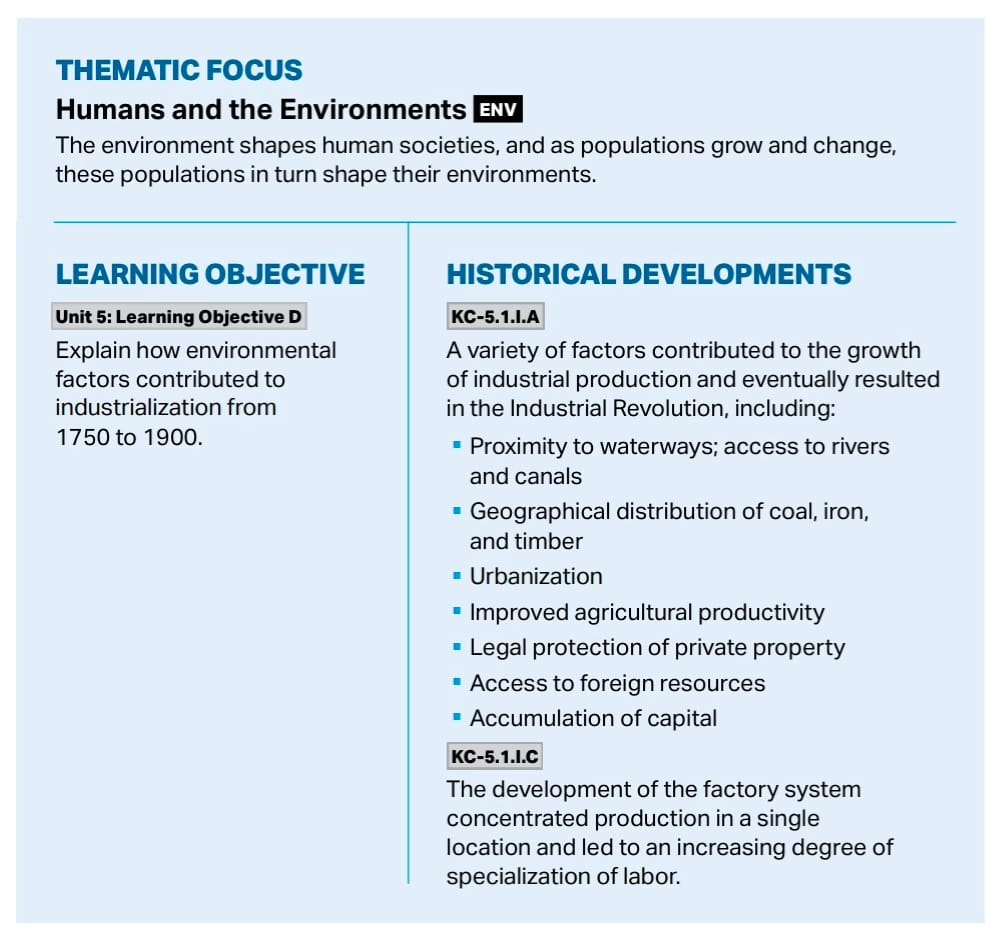
From page 102 of the AP World History Course and Exam Description

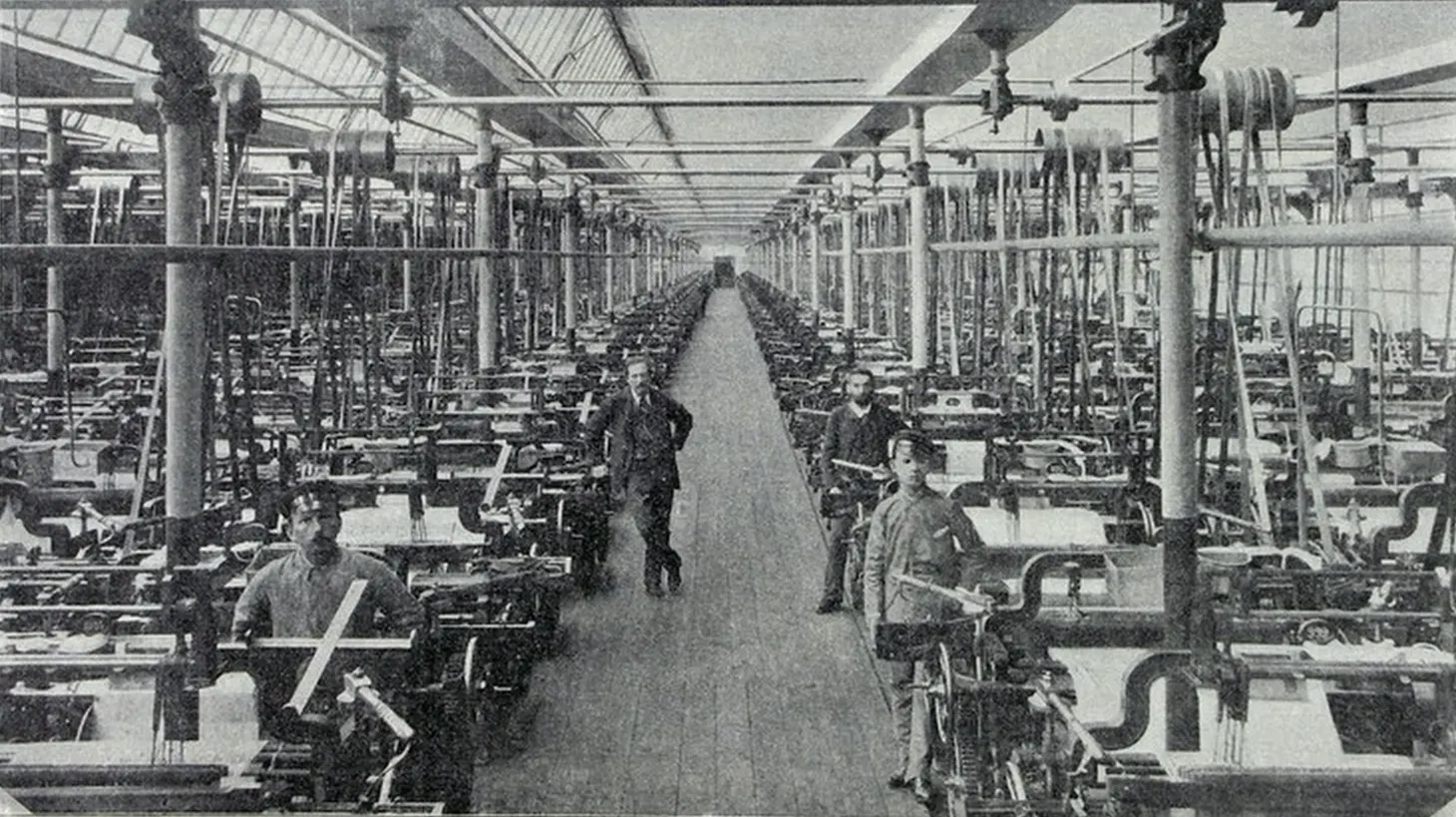
It’s impossible to underestimate the extent to which factories and mass production have shaped our lives. The clothes we wear. The food we eat. The devices we use to read this post. The device I used to write this post! When teaching industrialization, I like having students wrestle with its different effects by reading and analyzing primary sources. I avoid using “pros and cons.” I let students decide for themselves if the effects of “positive” or “negative,” although I don’t use those terms.

The Source


Related Posts

Members Public

“You Will Have Liberty and Justice”: Teaching the Origins of the Mexican Revolution

Using Ricardo Flores Magón to Teach the Mexican Revolution

“You Will Have Liberty and Justice”: Teaching the Origins of the Mexican Revolution
Members Public

“Restore China to the Chinese”: Teaching the 1911 Chinese Xinhai Revolution

Teaching the 1911 Chinese Revolution

“Restore China to the Chinese”: Teaching the 1911 Chinese Xinhai Revolution
Members Public

“These People Have the Cream of the Trade”: Gujaratis’ Continued Influence after the Arrival of Europeans

The Portuguese acknowledged the continued dominance of Gujarati traders

“These People Have the Cream of the Trade”: Gujaratis’ Continued Influence after the Arrival of Europeans