Skip to content

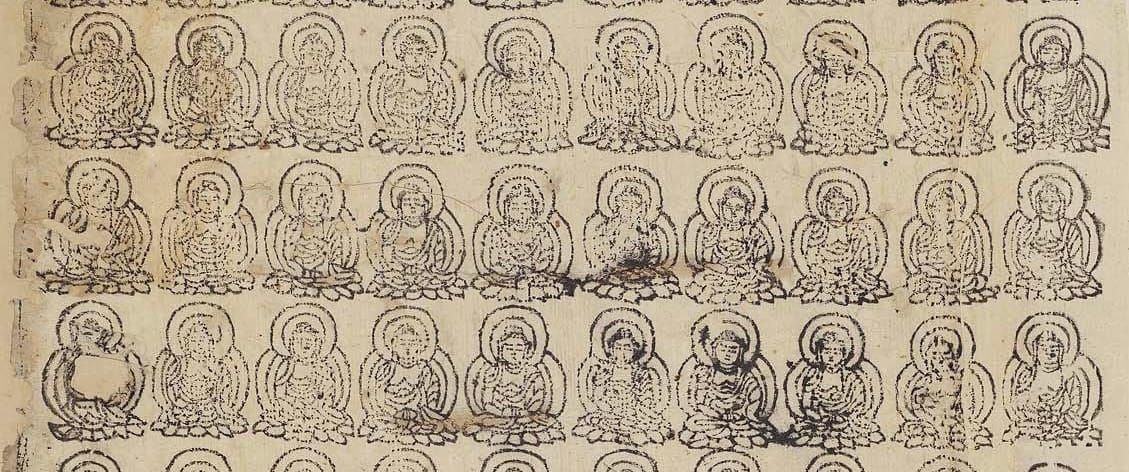
The Popularity of East Asian Buddhist Woodblock Prints

Discussion of using images to teach continuity of Buddhism in East Asia

Bram Hubbell
Bram Hubbell
3 min read
The Popularity of East Asian Buddhist Woodblock Prints
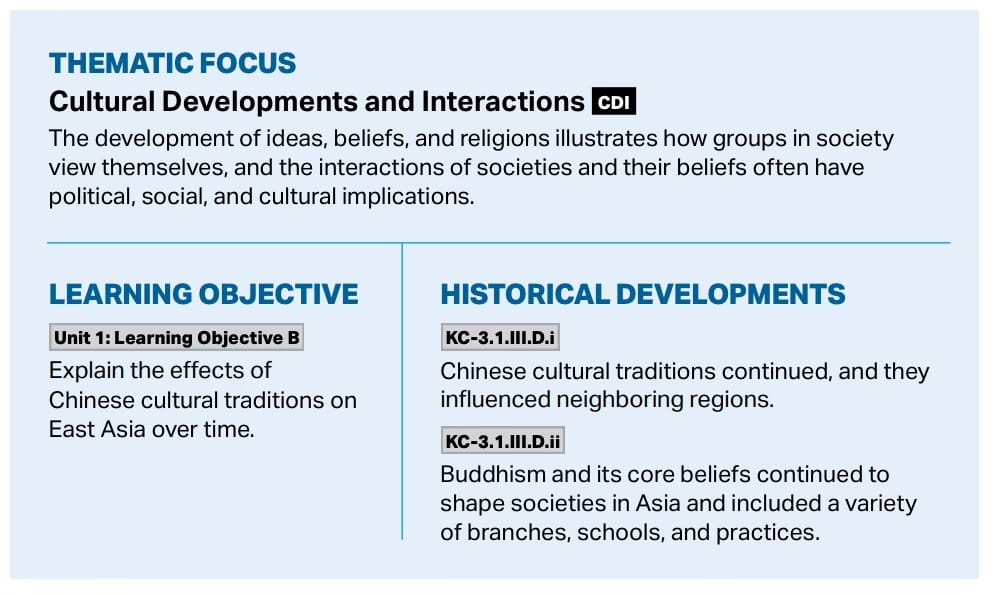
From page 39 of the AP World History Course and Exam Description

How do we teach continuity to students? How do we do it at the beginning of a school year? One of the challenges of the AP Modern World History curriculum is needing to teach many examples of continuous practices in the course and exam description at the start of the school year, when students are still adapting to the school year. One potential strategy is using images from different time periods.

The Source


Related Posts

Members Public

“A Very Pleasant Game”: Teaching the South Asian Cultural Mosaic with Snakes & Ladders

Teaching the diversity of South Asia through Snakes and Ladders

“A Very Pleasant Game”: Teaching the South Asian Cultural Mosaic with Snakes & Ladders
Members Public

“We Decreed by Law”: Regulating the Slave Trade in Sixteenth-Century Kongo

Teaching how the rulers of Kongo regulated the slave trade

“We Decreed by Law”: Regulating the Slave Trade in Sixteenth-Century Kongo
Members Public

“Set this Chessboard and its Pieces Before Your Most Learned Men”: Teaching Chess and the Games of World History

Teaching Afroeurasian exchange using chess

“Set this Chessboard and its Pieces Before Your Most Learned Men”: Teaching Chess and the Games of World History