“The Season in Which One is Compelled to Travel”: Teaching Knowledge of the Monsoons
Teaching the monsoons

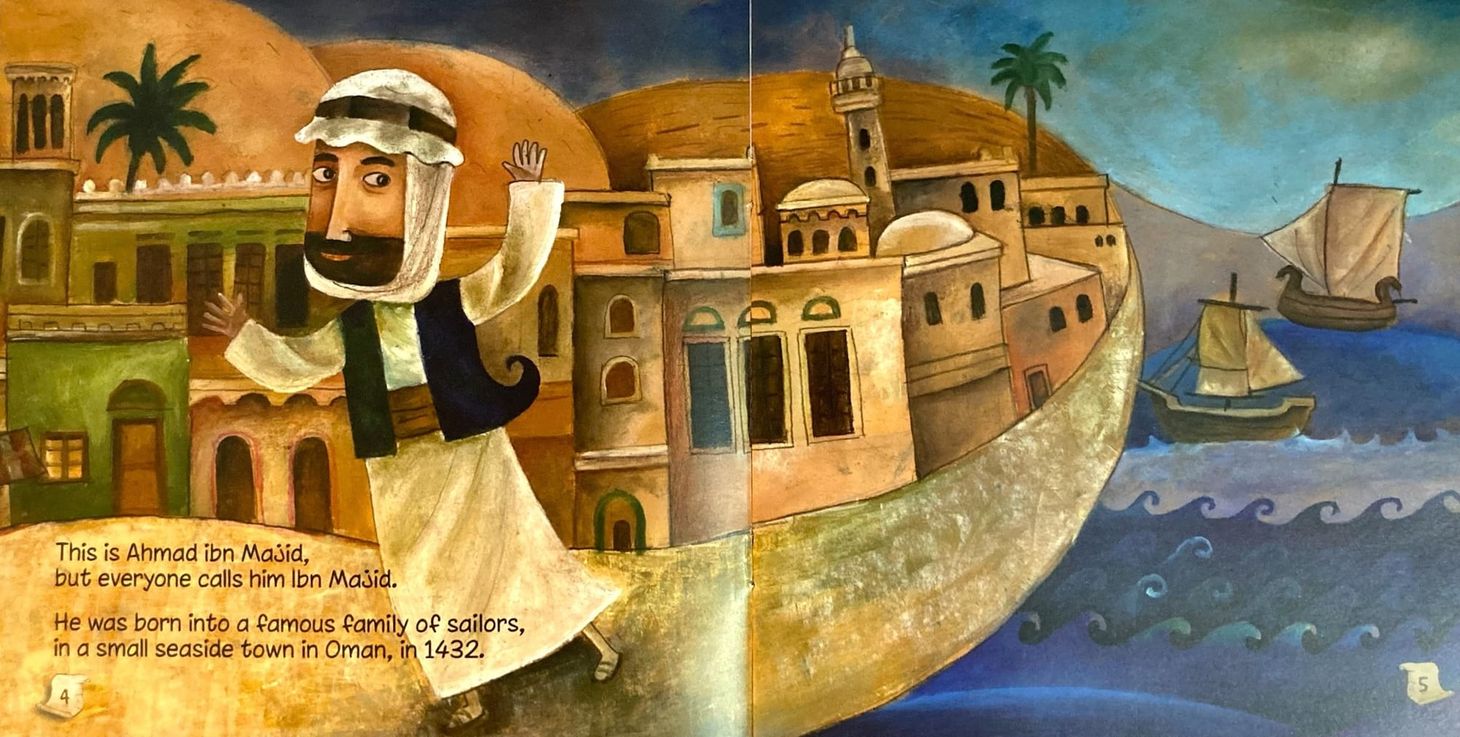
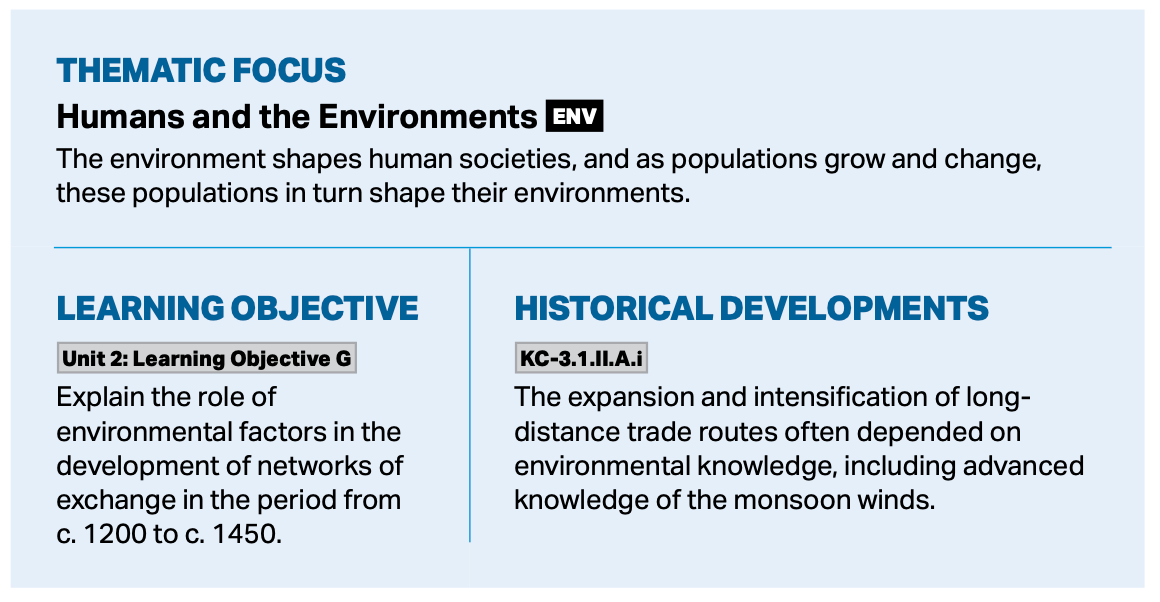
Premodern trade networks are critical to teaching world history. Whether it was the Silk Roads, the Trans-Saharan, or the Indian Ocean, we can’t escape teaching these networks. While they shared common features, such as entrepôts, each network had unique features. For the Indian Ocean, it was the monsoons, but how did sailors and merchants in 1400 understand the monsoons?
The Source
The meaning of the term “monsoon” has changed and evolved over time. If you ask South Asians today what the monsoon is, most will tell you it’s the heavy rains that come in June. But in world history classes, monsoons are more about winds and currents. The term monsoon comes from the Arabic “mawsim,” which means season. When Arabic-speaking navigators used mawsim, they understood it as a sailing season when relatively easy navigation on the Indian Ocean was possible.
This Content is for Subscribers on the Superstar Club and Buy Me Dinner tiers
SubscribeAlready have an account? Log in