Skip to content

“The Totally Planless Construction”: Teaching Nineteenth-Century Urbanization

Discussion of teaching nineteenth-century urbanization

Bram Hubbell
Bram Hubbell
4 min read
“The Totally Planless Construction”: Teaching Nineteenth-Century Urbanization
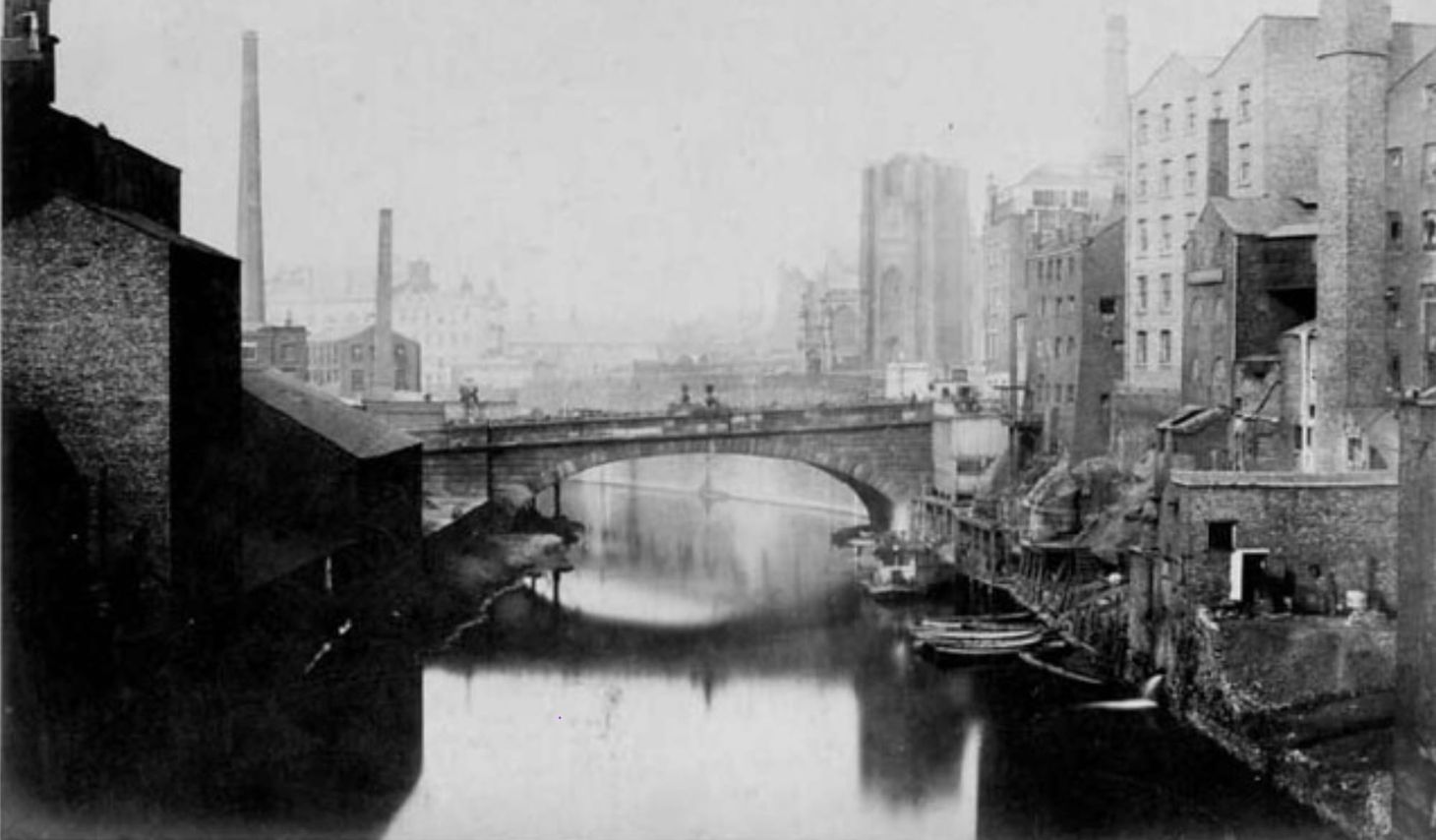
Victoria Bridge in Manchester. Photo taken in 1864 by James Mudd. Source: Manchester Archives on Flickr.
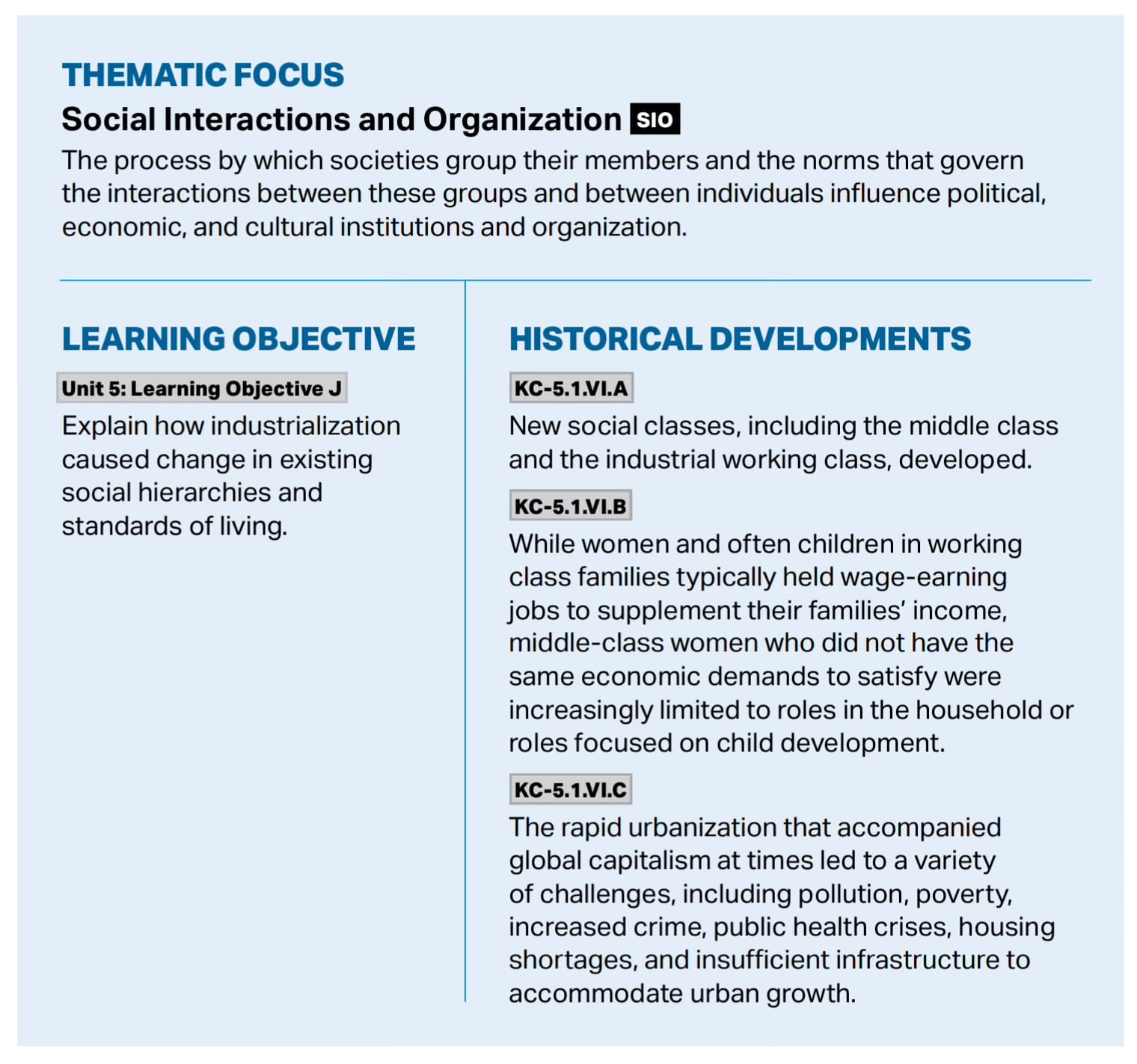
From page 108 of the AP World History Course and Exam Description.

Nineteenth-century industrialization and global capitalism contributed to rapid urbanization worldwide. European industrial cities sprung up where there had previously been villages. The development of new mining centers and ports also contributed to rapid industrialization. Because these cities were rapidly built to accommodate a growing population, there were often many problems with the cities.

The Source


Related Posts

Members Public

“Leading Russia Nearer and Nearer to Utter Ruin”: Teaching the Russo-Japanese War from a Global Perspective

Reframing how we teach the Russo-Japanese War

“Leading Russia Nearer and Nearer to Utter Ruin”: Teaching the Russo-Japanese War from a Global Perspective
Members Public

“A Growing Persistence among Workers in the Economic Struggle”: Two Competing Visions of Late Imperial Russian Industrialization

Two approaches to teaching Russian industrialization

“A Growing Persistence among Workers in the Economic Struggle”: Two Competing Visions of Late Imperial Russian Industrialization
Members Public

“On Arrival at the Market with their Grain”: Grain and Mass Production in Late Imperial Russia

Rethinking how we teach late imperial Russia’s economic changes

“On Arrival at the Market with their Grain”: Grain and Mass Production in Late Imperial Russia