Skip to content

“There is One God”: Teaching Sikhism and Syncretism

A discussion of how to teach the Hindu and Islamic influences on Sikhism.

Bram Hubbell
Bram Hubbell
3 min read
“There is One God”: Teaching Sikhism and Syncretism
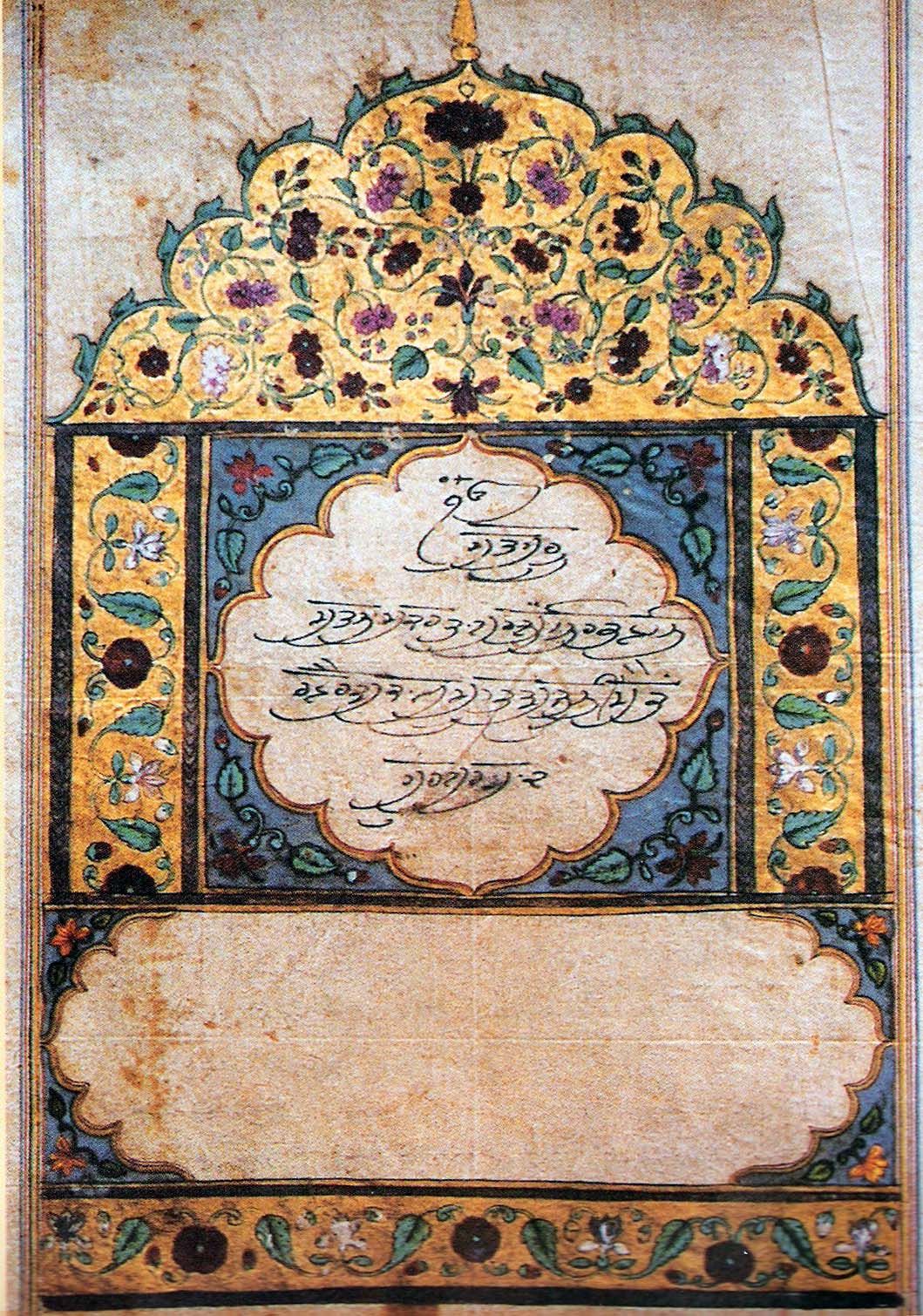
An illuminated Guru Granth Sahib. Source: Wikipedia.
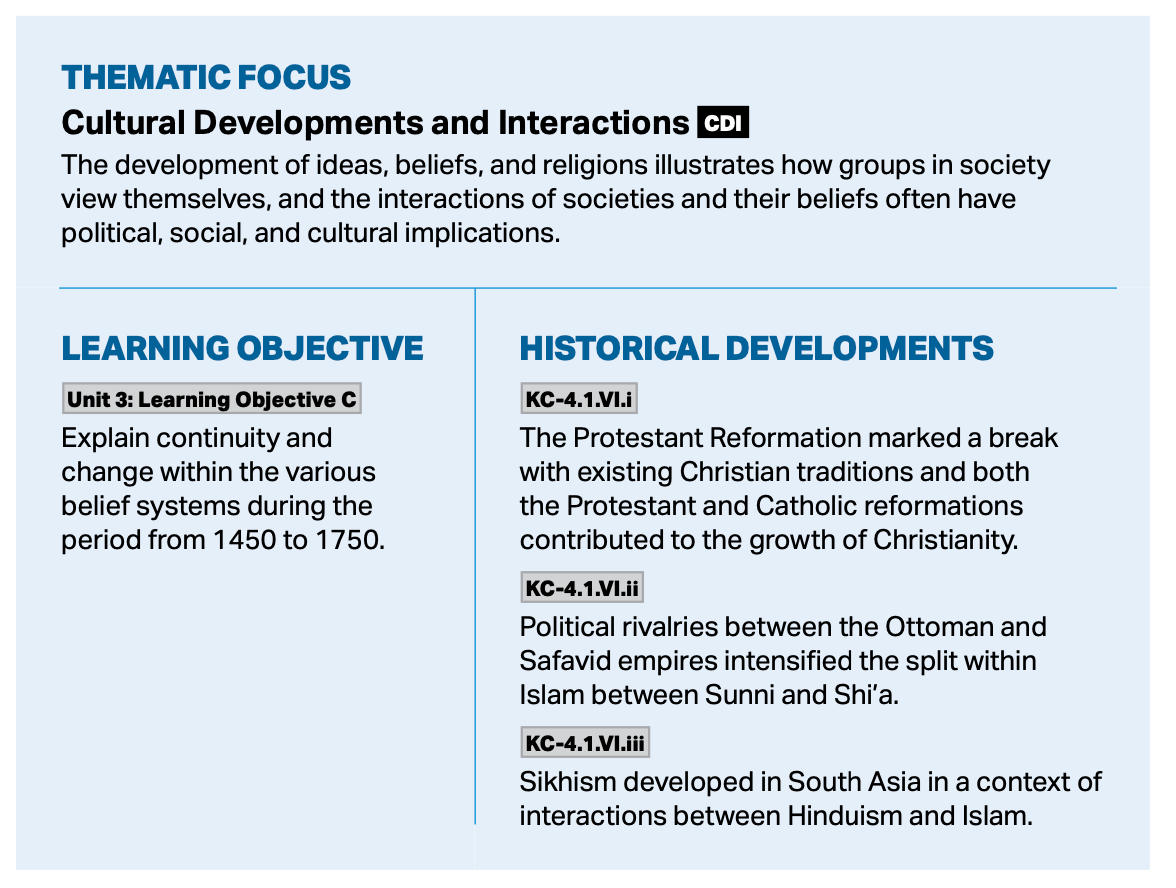
From page 71 of the AP World History Course and Exam Description

During the early modern period, many major religious developments reflected the increased interconnectedness of the period. Whether it was religious conflict linked to expanding states, such as the tensions between Sunnis and Shi’as related to the Ottoman and Safavid rivalry, or the spread of Islam among states in Southeast Asia, such as the Aceh Sultanate. It can be tricky to teach these developments within their proper historical context, especially when it comes to a religious tradition many of our students had never heard of: Sikhism


Related Posts

Members Public

“A Situation of Complete Inertia and a Widespread Apathy”: Teaching Everyday Resistance to French Imperialism in Senegal in the 1920s and 1930s

What were the weapons of the weak in French Senegal?

“A Situation of Complete Inertia and a Widespread Apathy”: Teaching Everyday Resistance to French Imperialism in Senegal in the 1920s and 1930s
Members Public

“Hunger Was the Word I Heard Most”: Stalin’s First Five-Year Plan and Its Consequences

Discussion of teaching the Holodomor using primary sources

“Hunger Was the Word I Heard Most”: Stalin’s First Five-Year Plan and Its Consequences
Members Public

The Changing Role of Government Involvement in the Economy in the 1930s

Teaching how states worldwide took a more active approach to directing economic development in the 1930s

The Changing Role of Government Involvement in the Economy in the 1930s