Skip to content

Visualizing the Causes of the First World War

Teaching the causes of the First World War with maps and illustrations

Bram Hubbell
Bram Hubbell
5 min read
Visualizing the Causes of the First World War
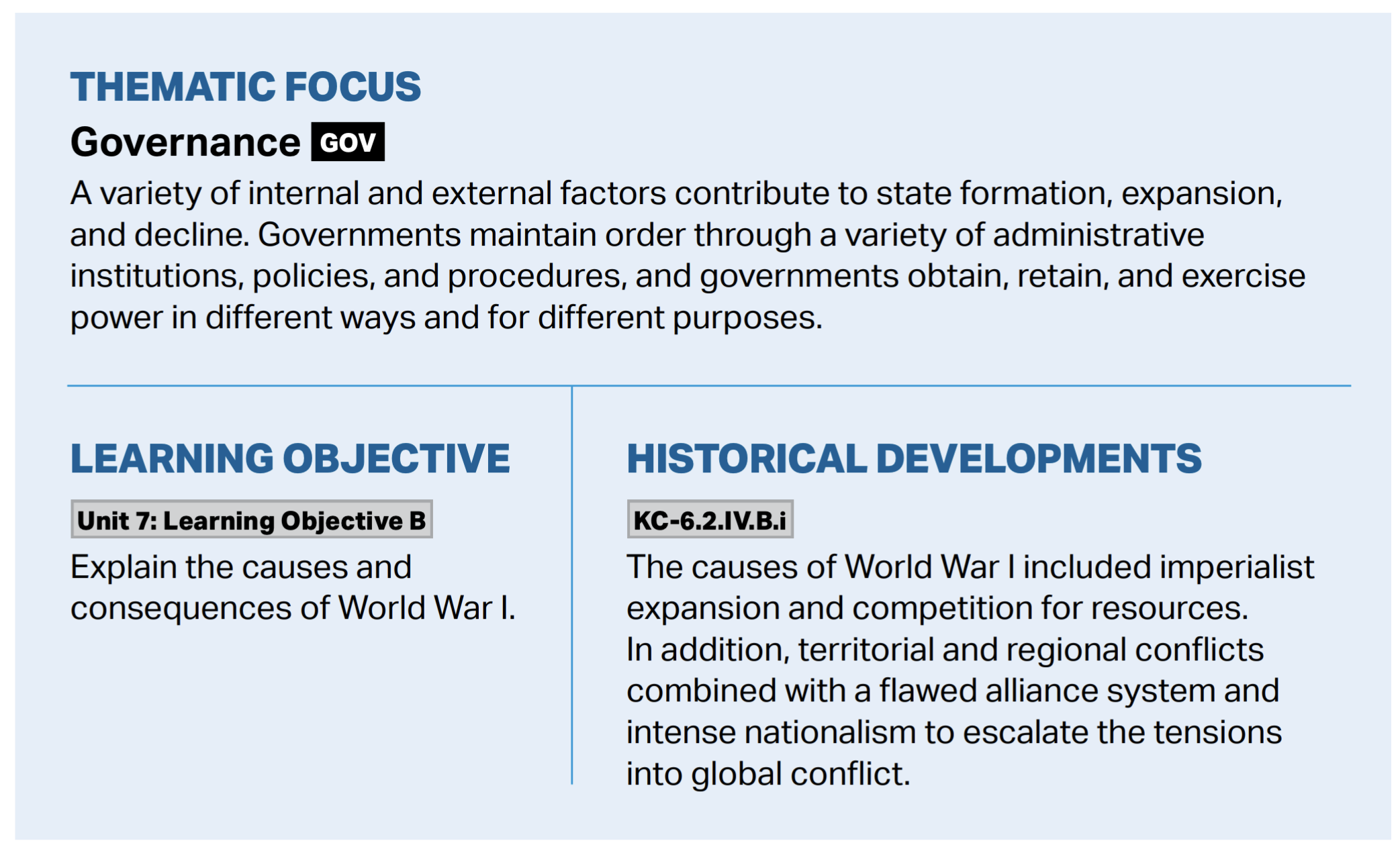
From page 131 of the AP World History Course and Exam Description.

Explaining the causes of the First World War can be tricky for students. Franz Ferdinand’s assassination might have triggered the war, but it didn’t cause the war. No single event or development caused the war; many things did. When we teach the causes of the war, it’s an excellent opportunity to help students understand the concept of conjuncture, when separate events come together to produce a unique historical moment.
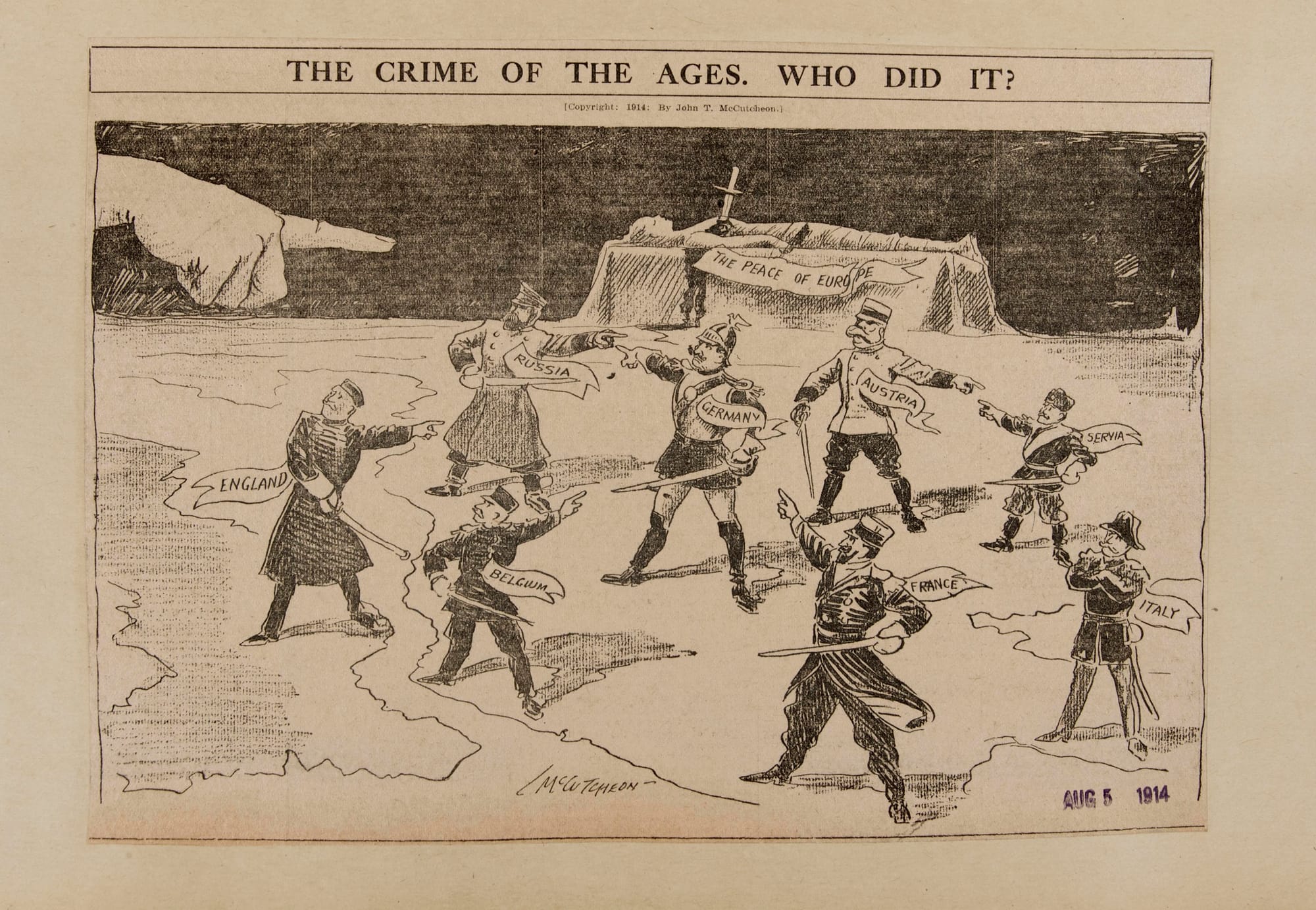
Cartoon in the Chicago Tribune, August 5, 1914. Source: Reddit.

The 1914 cartoon above shows how European states blamed each other for the outbreak of the war. Because there were multiple factors, it was easy for each state to blame others. So how can we help students make sense of the war’s causes and why it became a global war?

The Sources


Related Posts

Members Public

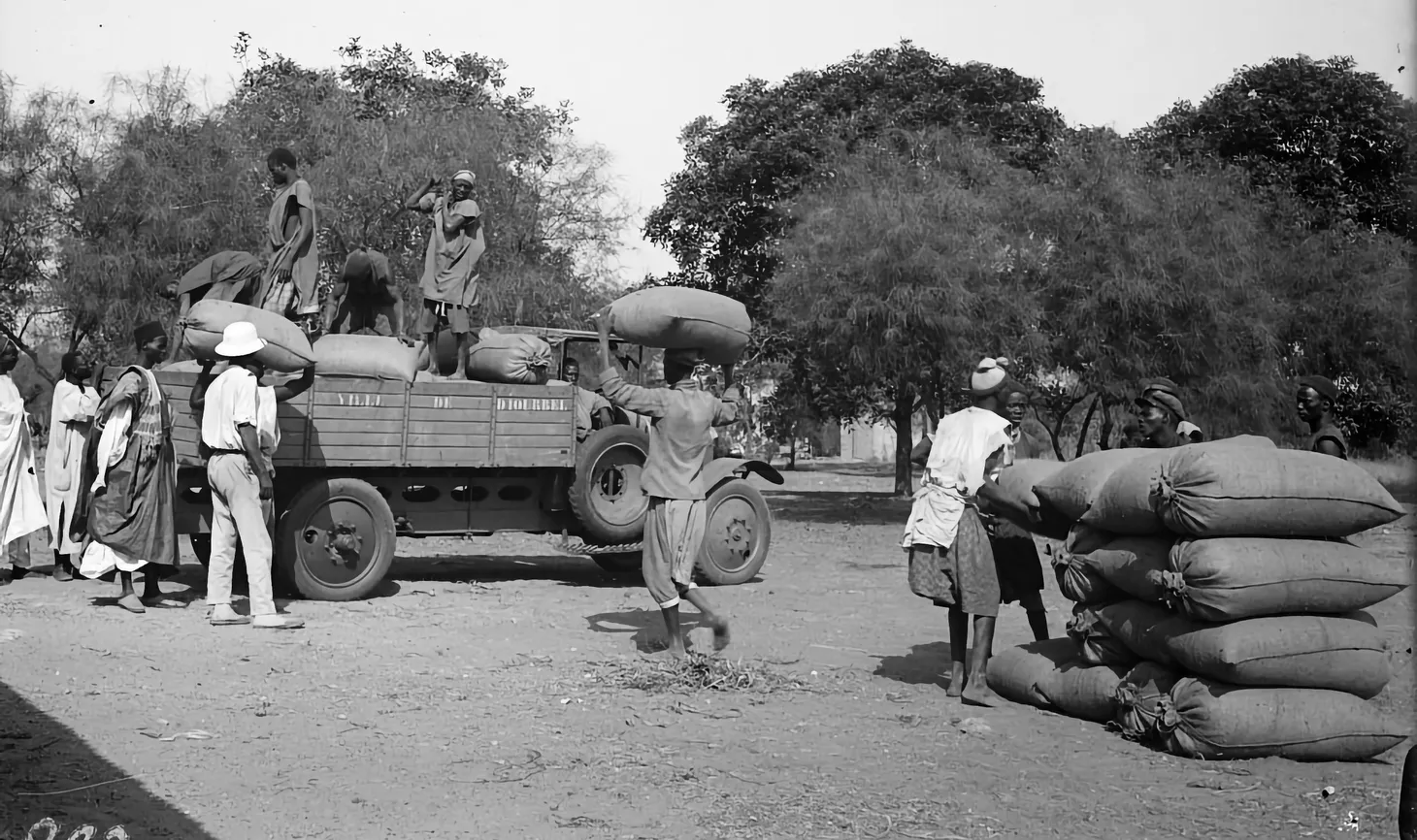
“A Situation of Complete Inertia and a Widespread Apathy”: Teaching Everyday Resistance to French Imperialism in Senegal in the 1920s and 1930s

What were the weapons of the weak in French Senegal?

“A Situation of Complete Inertia and a Widespread Apathy”: Teaching Everyday Resistance to French Imperialism in Senegal in the 1920s and 1930s
Members Public

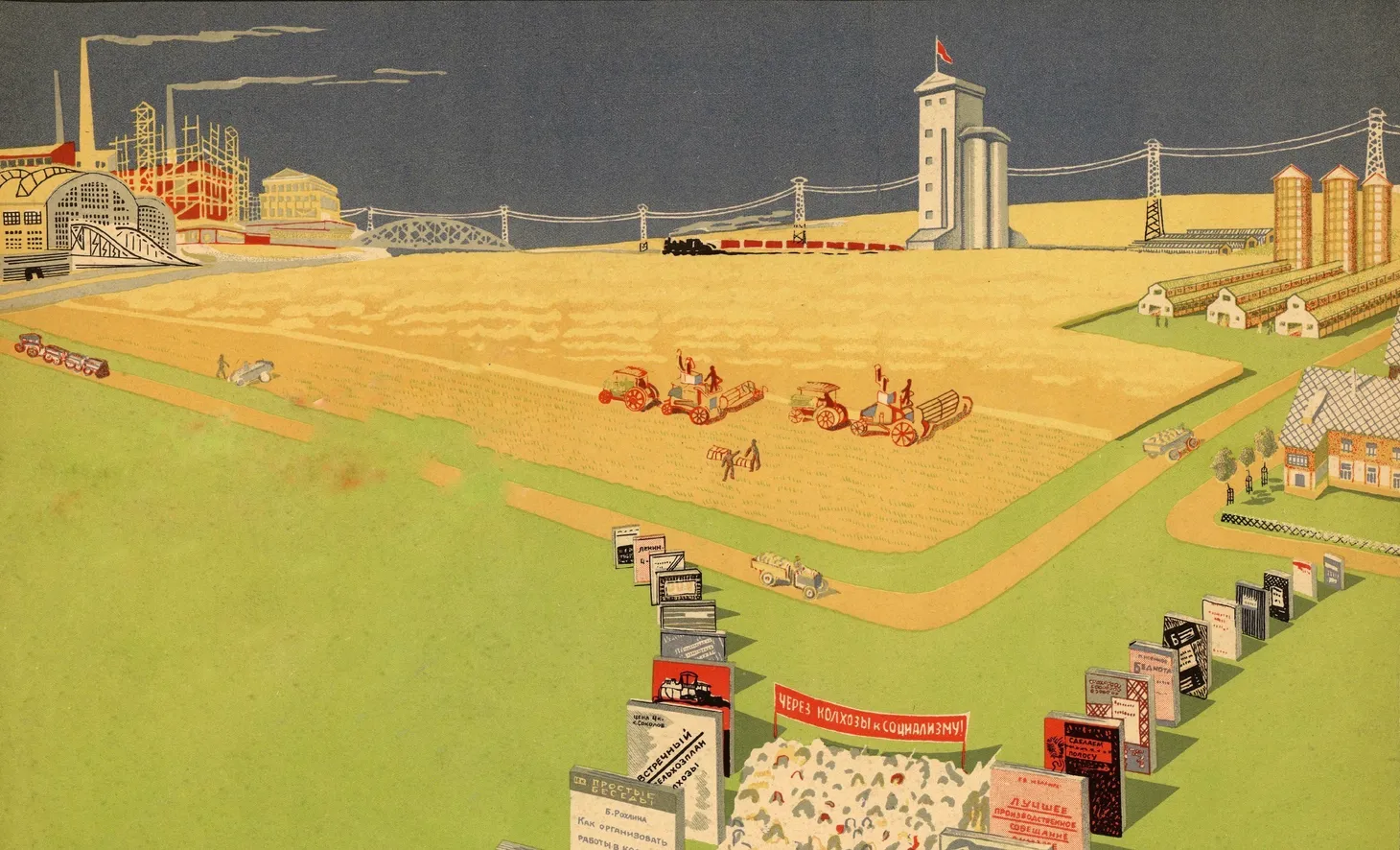
“Hunger Was the Word I Heard Most”: Stalin’s First Five-Year Plan and Its Consequences

Discussion of teaching the Holodomor using primary sources

“Hunger Was the Word I Heard Most”: Stalin’s First Five-Year Plan and Its Consequences
Members Public

The Changing Role of Government Involvement in the Economy in the 1930s

Teaching how states worldwide took a more active approach to directing economic development in the 1930s

The Changing Role of Government Involvement in the Economy in the 1930s