Voices of the Southern Front: Decolonizing our Teaching of the First World War
A discussion of how to teach the First World War using sources from India and the Middle East.

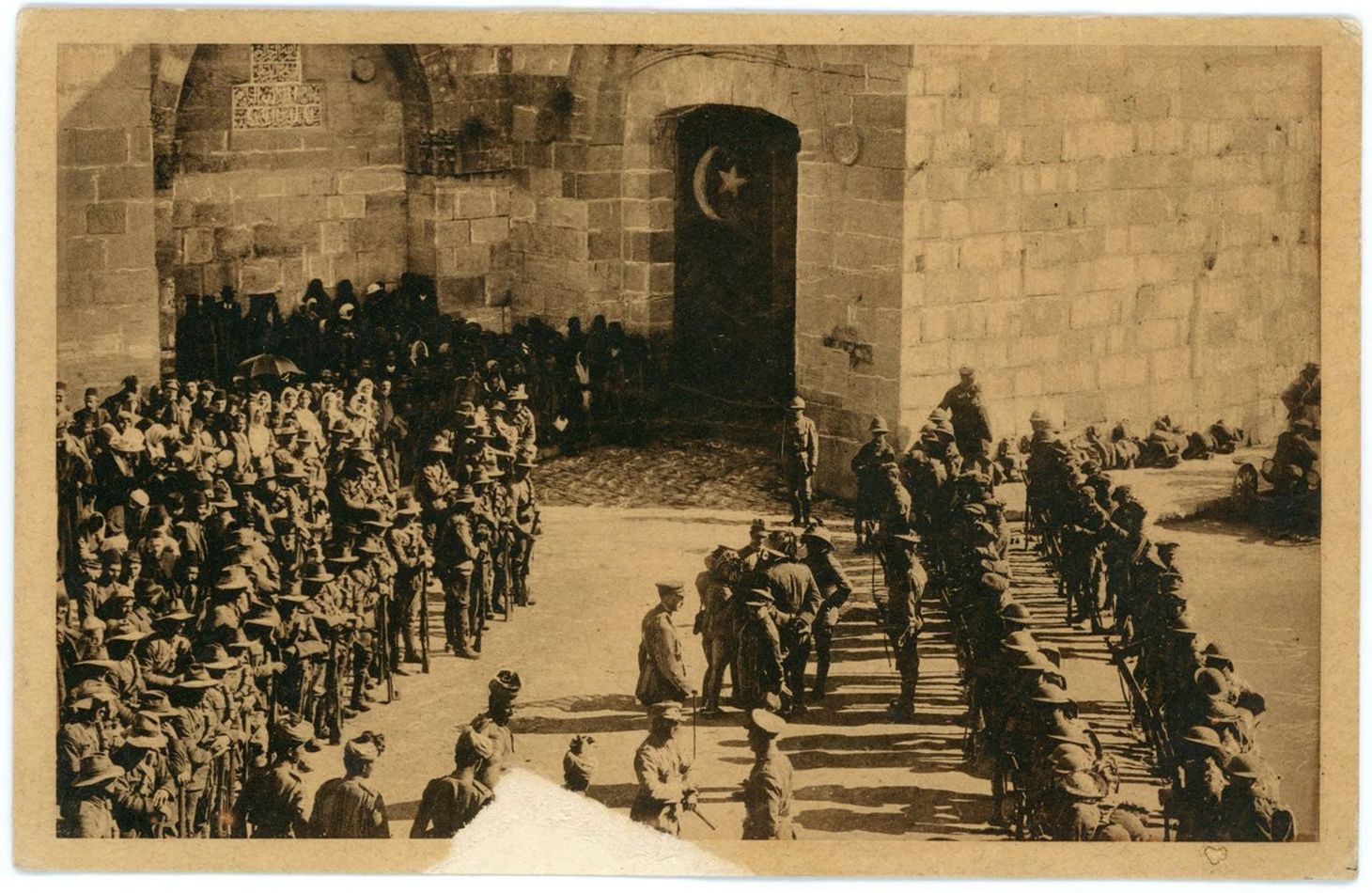
Over the weekend, I attended the World History Association annual conference in Pittsburgh. There were many excellent panels and workshops. I presented a talk on how we can decolonize both the content and pedagogy we use when teaching the First World War. I had planned to save the material for a future post on Liberating Narratives since I had recently written about different strategies for teaching the Great War. (I encourage you to read that post as well.) After the talk, Trevor Getz encouraged me to share it sooner. Here’s a slightly edited version of my presentation.
Traditional Narratives of the Great War
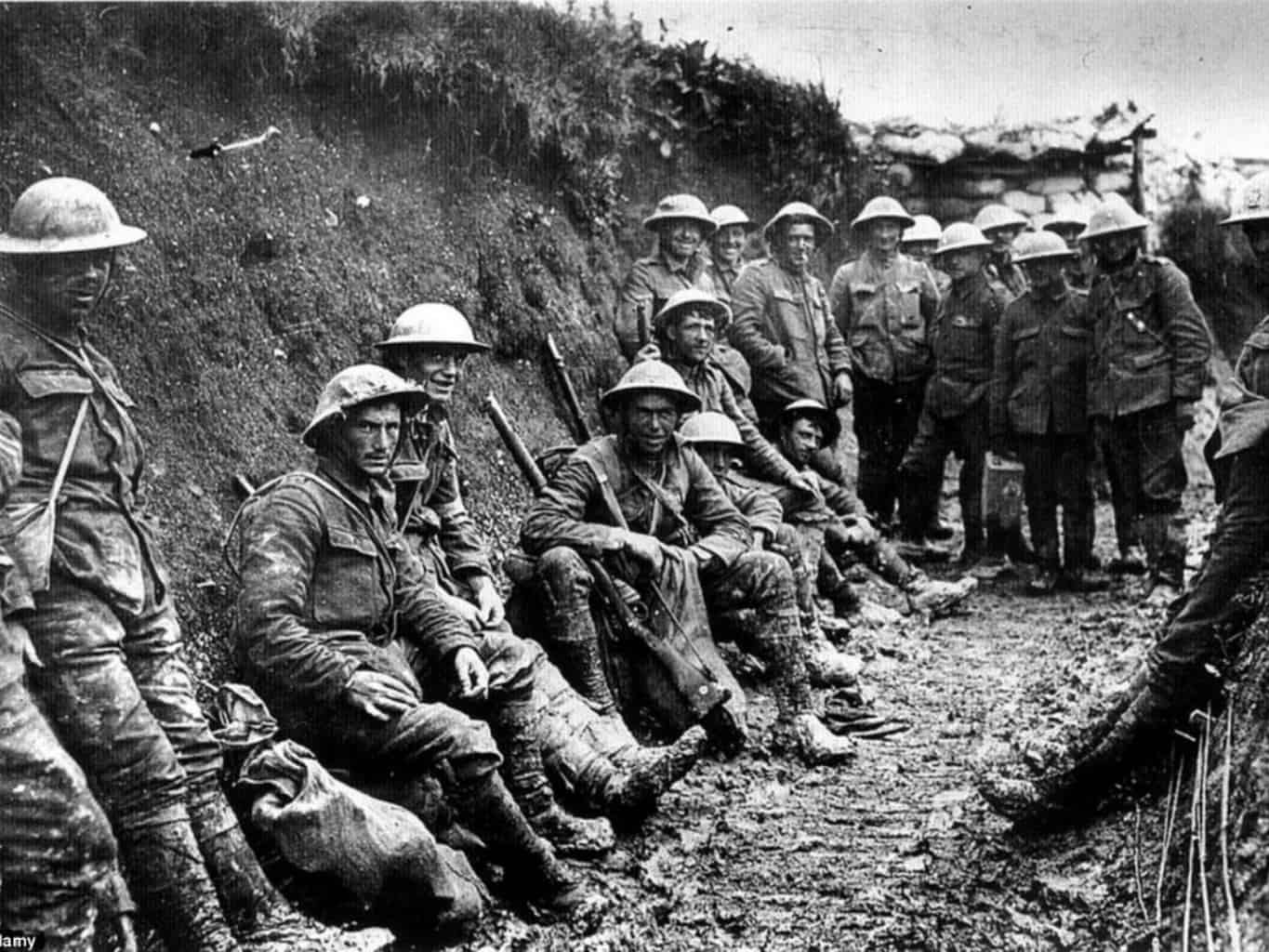
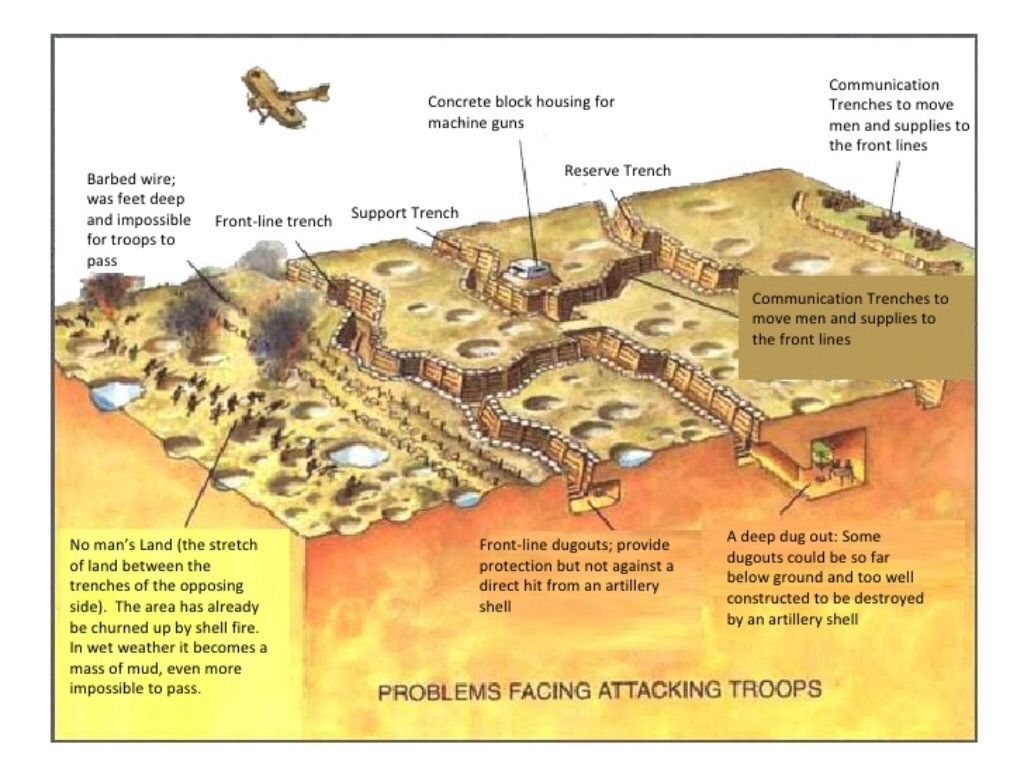
When I think about the narrative of the Great War that I learned or the narrative I taught in my first years of teaching world history, it mainly focused on the events on the Western Front and in the trenches. I included pictures of the trenches and even used the diagram below. After spending too much time talking about the trenches, I might have briefly discussed the events on the Eastern Front or hinted at the fighting around the Ottoman Empire in the Middle East.