Skip to content

“Walk by the Ancient Customs of the Port”: Limits on English Trade in India in the 1600s

In the 1600s, the English EIC adapted more than conquered

Bram Hubbell
Bram Hubbell
2 min read
“Walk by the Ancient Customs of the Port”: Limits on English Trade in India in the 1600s
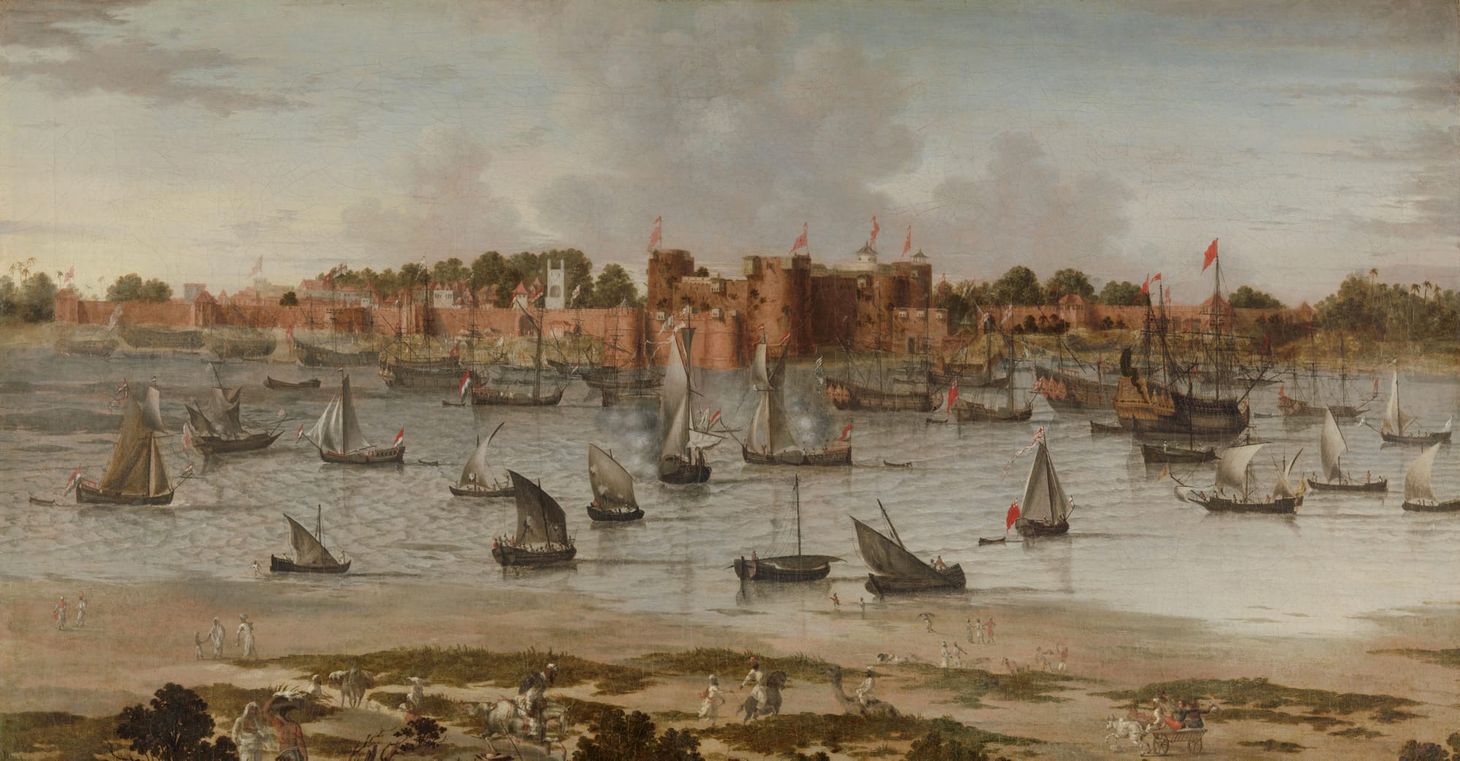
View of the Harbor of Sūrat, c.1670. Source: Rijksmuseum.
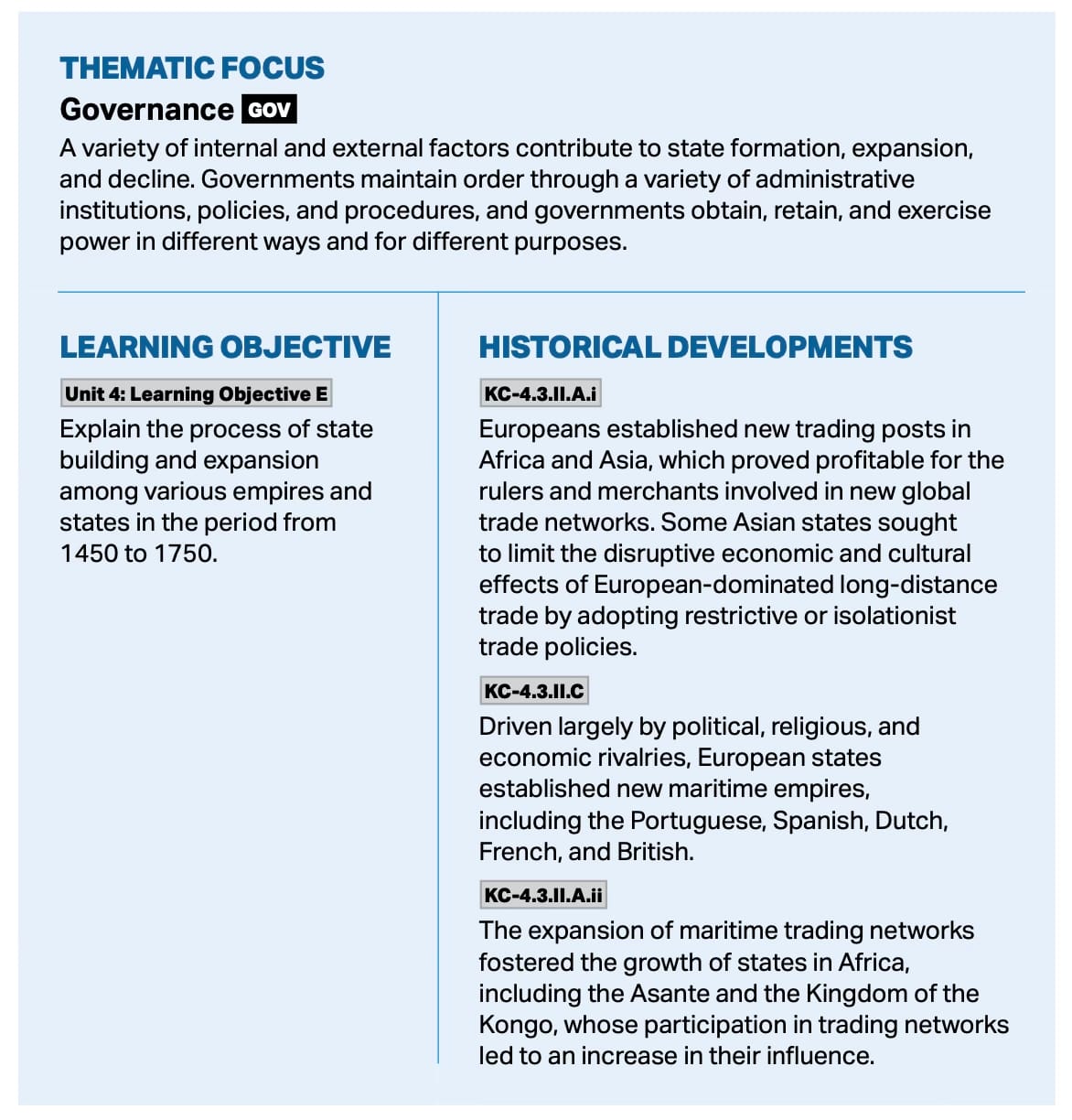
From page 83 of the AP World History Course and Exam Description.

During the 1500s and 1600s, European states began trading in the Indian Ocean. Despite claims that Europeans “conquered” and established trading-post empires, Europeans often wielded more power and influence than they actually had. European traders were relatively few, while Asian states had greater power and influence. We can see this relative power in a conflict between the English East India Company, Indian merchants, and the Mughal Empire in the late 1680s.

The Source


Related Posts

Members Public

“They Have Deprived our People of Every Democratic Liberty”: 1945 and the End of Empire

Teaching the origins of decolonization in 1945

“They Have Deprived our People of Every Democratic Liberty”: 1945 and the End of Empire
Members Public

Serio-Comic Maps, Nationalism, and the First World War

Drawing nationalism in 1914

Serio-Comic Maps, Nationalism, and the First World War
Members Public

“ Sparks and Embers from the Raging Fires”: Experiencing Firebombing and Total War in Tokyo

Using survivor accounts to teach the firebombing of Tokyo

“ Sparks and Embers from the Raging Fires”: Experiencing Firebombing and Total War in Tokyo