“A Total Abolition of Slavery”: The Abolition of the Transatlantic Slave System
A discussion of how to integrate African voices into the teaching of the abolition of slavery.

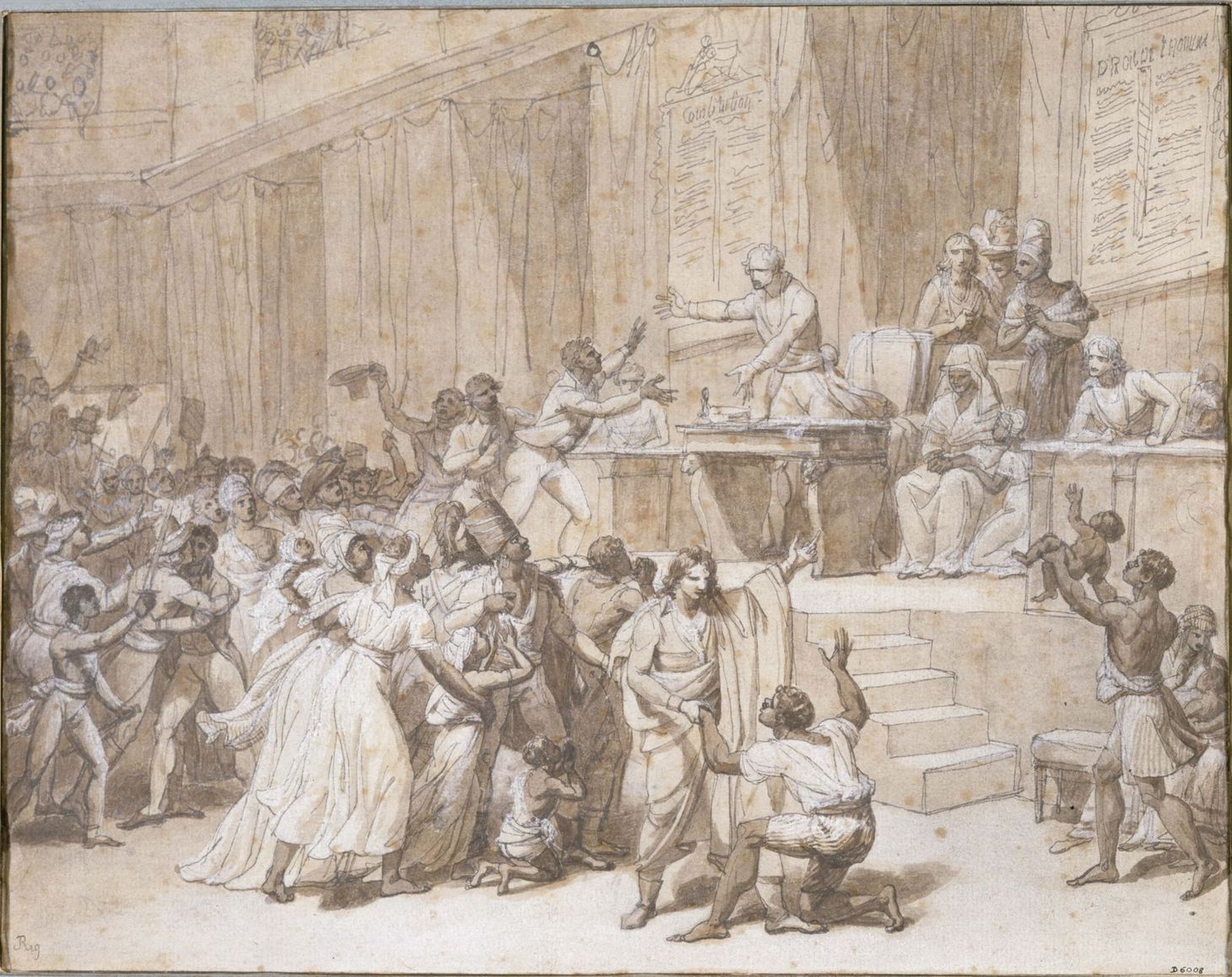
In last week’s post, I discussed how world history textbooks obscure the extent of enslaved African resistance and how we can use individual stories of resistance in the classroom. Textbooks tend to treat the abolition of the transatlantic slave system in a similarly problematic way. The leading world history textbooks focus on understanding why White Europeans came to support abolition and the legal steps they took to end slavery. There is usually only a brief mention of enslaved African resistance, which is typically the Haitian Revolution. The notable exception is the most recent edition of Traditions and Encounters, which begins its discussion of abolition with Olaudah Equiano. Even in a recent essay ( “Why Was Slavery Abolished?: Three Theories” ) for teachers, Trevor Getz, a historian of Africa, first focuses on the economic and moral arguments of White Europeans before considering “the actions of Africans in the Americas and Europe.”
As teachers, we want to consider how our students interpret these readings. When the story of abolition focuses on the words and actions of White Europeans, students understand abolition as something that happened to enslaved Africans rather than seeing enslaved Africans as agents in their struggle for liberation. In Freedom: The Overthrow of the Slave Empires, James Walvin argues:
If we focus not on the emancipators and their political backers, but on the slaves – if we consider slave emancipation as an aspect of slave activity, as something that took place because of what the slaves did – the story of emancipation begins to look quite different.
In our world history courses, we want to highlight the different ways enslaved and liberated Africans fought for the end of slavery and how this struggle contributed to the choices that White Europeans made to end slavery legally.
400 Years of Resistance
This content is for Paid Members
Unlock full access to Liberating Narratives and see the entire library of members-only content.
SubscribeAlready have an account? Log in