Skip to content

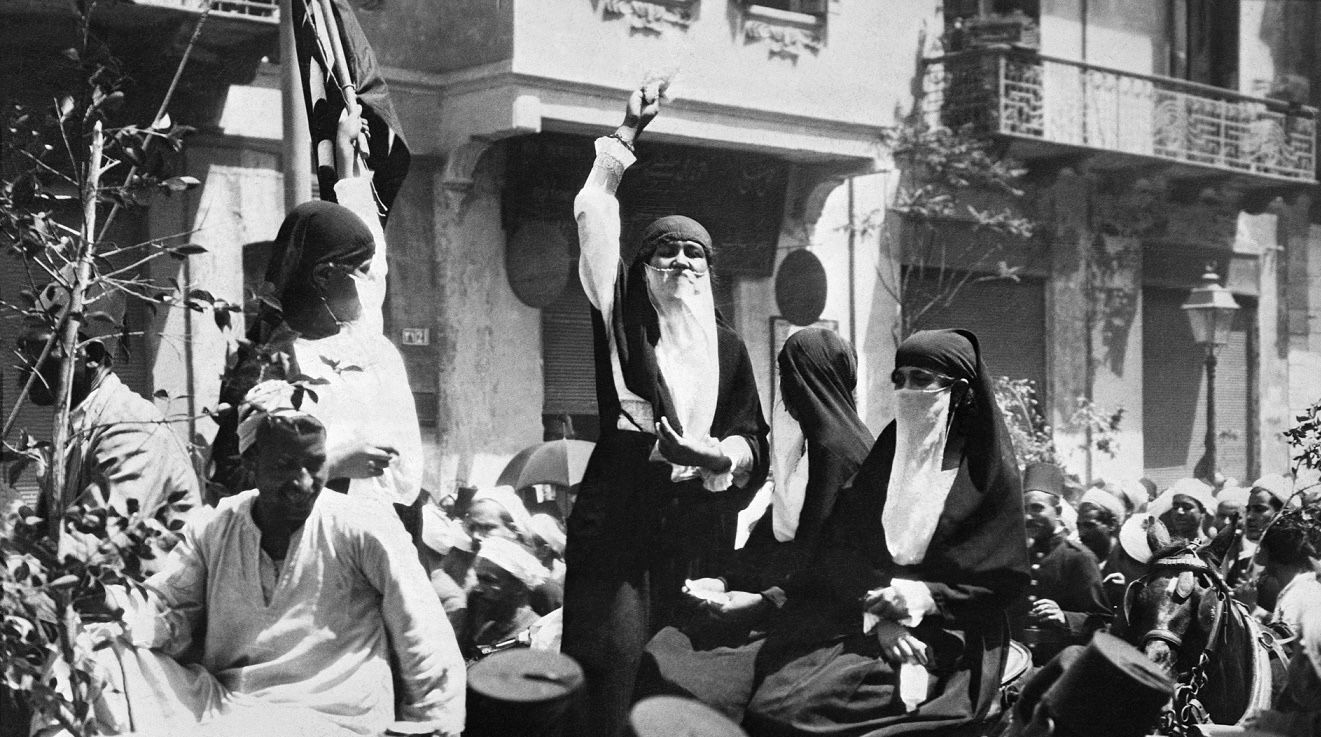
“All the Women of Cairo Would Have Taken Part”: Huda Sha’arawi and Egyptian Women’s Participation in the 1919 Revolution

Discussion of Huda Sha’arawi’s description of her participation in the Egyptian Revolution of 1919

Bram Hubbell
Bram Hubbell
4 min read
“All the Women of Cairo Would Have Taken Part”: Huda Sha’arawi and Egyptian Women’s Participation in the 1919 Revolution

In Friday’s post, I discussed the role of women in the Egyptian Revolution of 1919. One of the most well-known of these women was Huda Sha’arawi, who is sometimes described as the founder of Egyptian feminism. Students can learn about Sha’arawi to understand the changing role of women around 1900, anticolonial resistance after the First World War, and how colonized peoples brought about decolonization.

The Source


Related Posts

Members Public

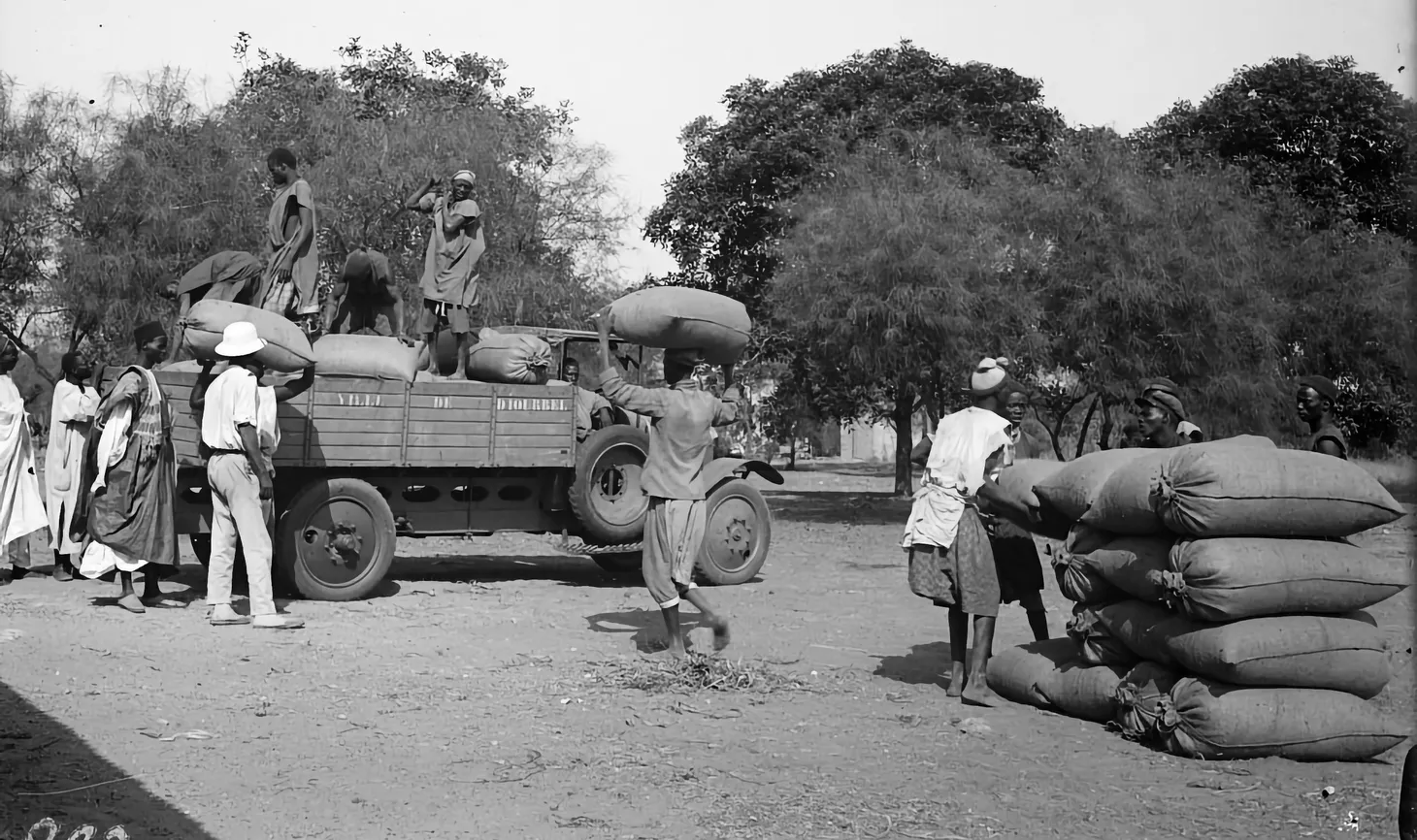
“A Situation of Complete Inertia and a Widespread Apathy”: Teaching Everyday Resistance to French Imperialism in Senegal in the 1920s and 1930s

What were the weapons of the weak in French Senegal?

“A Situation of Complete Inertia and a Widespread Apathy”: Teaching Everyday Resistance to French Imperialism in Senegal in the 1920s and 1930s
Members Public

“Hunger Was the Word I Heard Most”: Stalin’s First Five-Year Plan and Its Consequences

Discussion of teaching the Holodomor using primary sources

“Hunger Was the Word I Heard Most”: Stalin’s First Five-Year Plan and Its Consequences
Members Public

The Changing Role of Government Involvement in the Economy in the 1930s

Teaching how states worldwide took a more active approach to directing economic development in the 1930s

The Changing Role of Government Involvement in the Economy in the 1930s