Skip to content

“Complete and Immediate Independence for the Vietnamese People”: Vietnamese Anticolonialism in the 1920s and 1930s

An example of Vietnamese anticolonialism against French rule from 1926

Bram Hubbell
Bram Hubbell
3 min read
“Complete and Immediate Independence for the Vietnamese People”: Vietnamese Anticolonialism in the 1920s and 1930s
From Page 134 of the AP World History Course and Exam Description

The Source

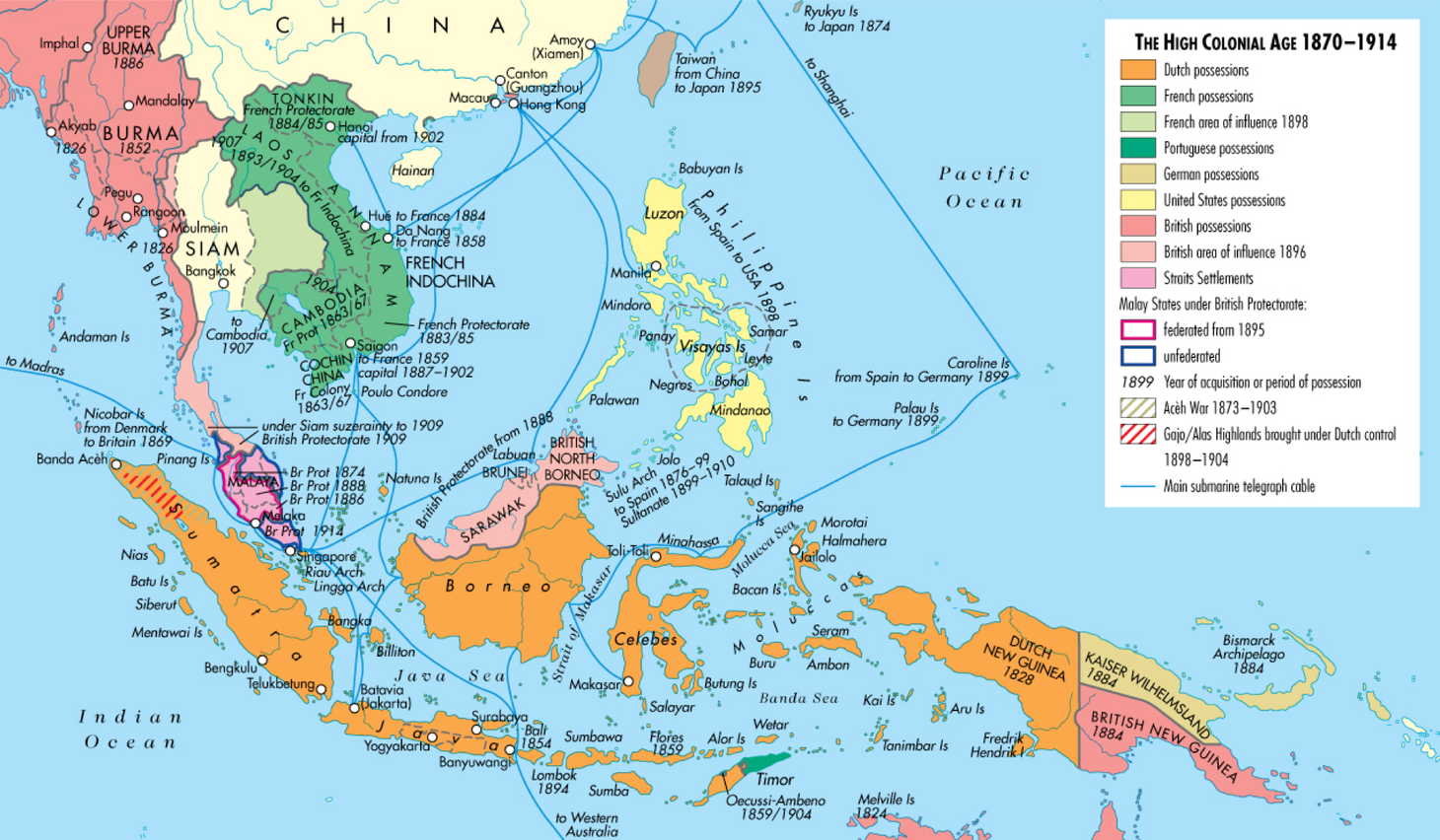
During the 1920s and 1930s, colonized peoples in Africa, Asia, and the Pacific challenged imperial rule. There were many large-scale uprisings, such as the Great Syrian Revolt against French rule in 1925. While these sorts of uprisings get Wikipedia articles, they were less common than the small-scale resistance that occurred regularly across the colonized world. One good example of the subtle ways that colonized peoples resisted is the 1926 “Appeal to the League of Nations for the Right of Self-Determination of the Vietnamese People” by Phuc Viet (Vietnam Party for National Independence) and Vietnam Hon (Soul of Vietnam). This document was published in newspapers in France and Vietnam and circulated despite French suppression.


Related Posts

Members Public

“Hunger Was the Word I Heard Most”: Stalin’s First Five-Year Plan and Its Consequences

Discussion of teaching the Holodomor using primary sources

“Hunger Was the Word I Heard Most”: Stalin’s First Five-Year Plan and Its Consequences
Members Public

The Changing Role of Government Involvement in the Economy in the 1930s

Teaching how states worldwide took a more active approach to directing economic development in the 1930s

The Changing Role of Government Involvement in the Economy in the 1930s
Members Public

“The Deadliest Instrument of Warfare Yet Devised”: Teaching the Consequences of New Technology in the First World War

Discussion of primary sources for teaching the effects of poisonous gas in the First World War

“The Deadliest Instrument of Warfare Yet Devised”: Teaching the Consequences of New Technology in the First World War