“Eight Centuries After His Rule”: Legacies of the Mongol Empire
Discussion of teaching the legacies of the Mongol Empire

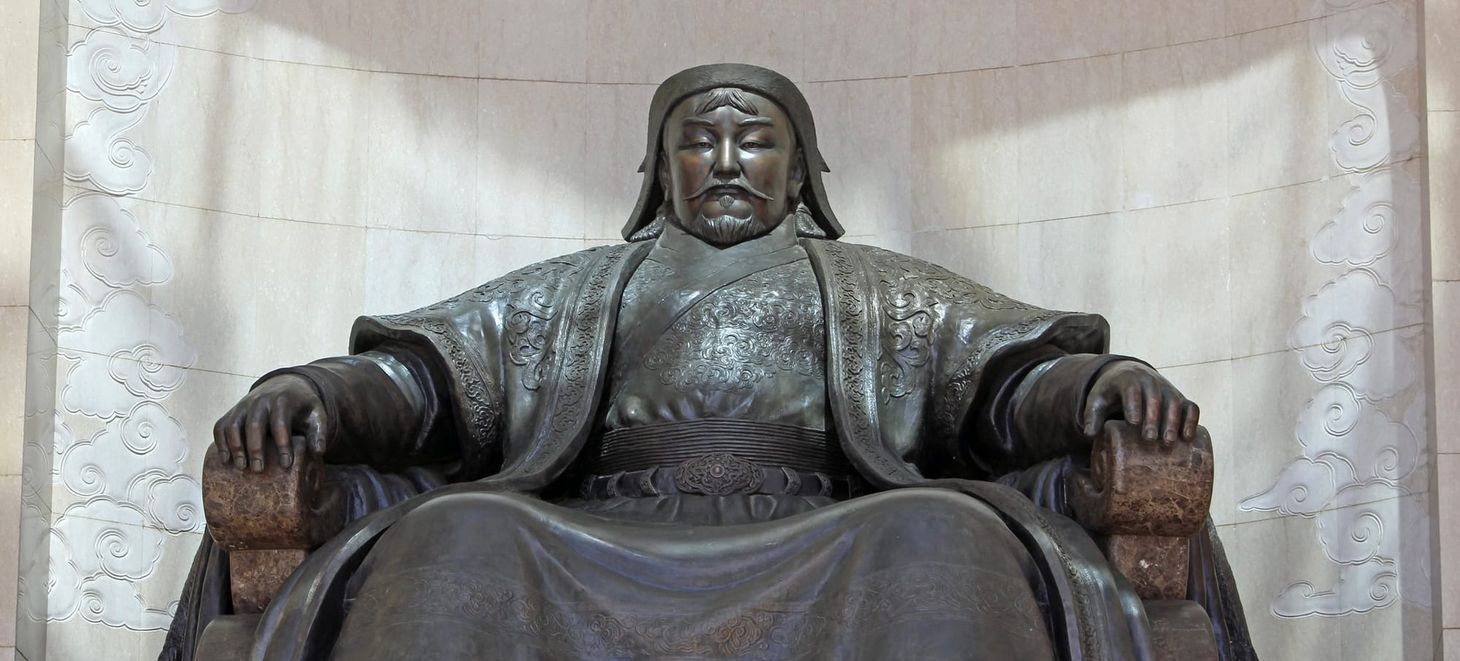
In October 2023, “Chinggis Khaan: How Mongols Changed the World” opened at the Chateau des ducs de Bretagne in Nantes, France. The exhibit was initially supposed to open in 2020, but Chinese authorities protested. They argued that words such as “empire” and “Mongol” should be removed from the show. Contemporary Chinese politicians didn’t like a story that celebrated the Mongols’ historical legacy at a time when Chinese policy has increasingly discriminated against ethnic Mongols living in China.
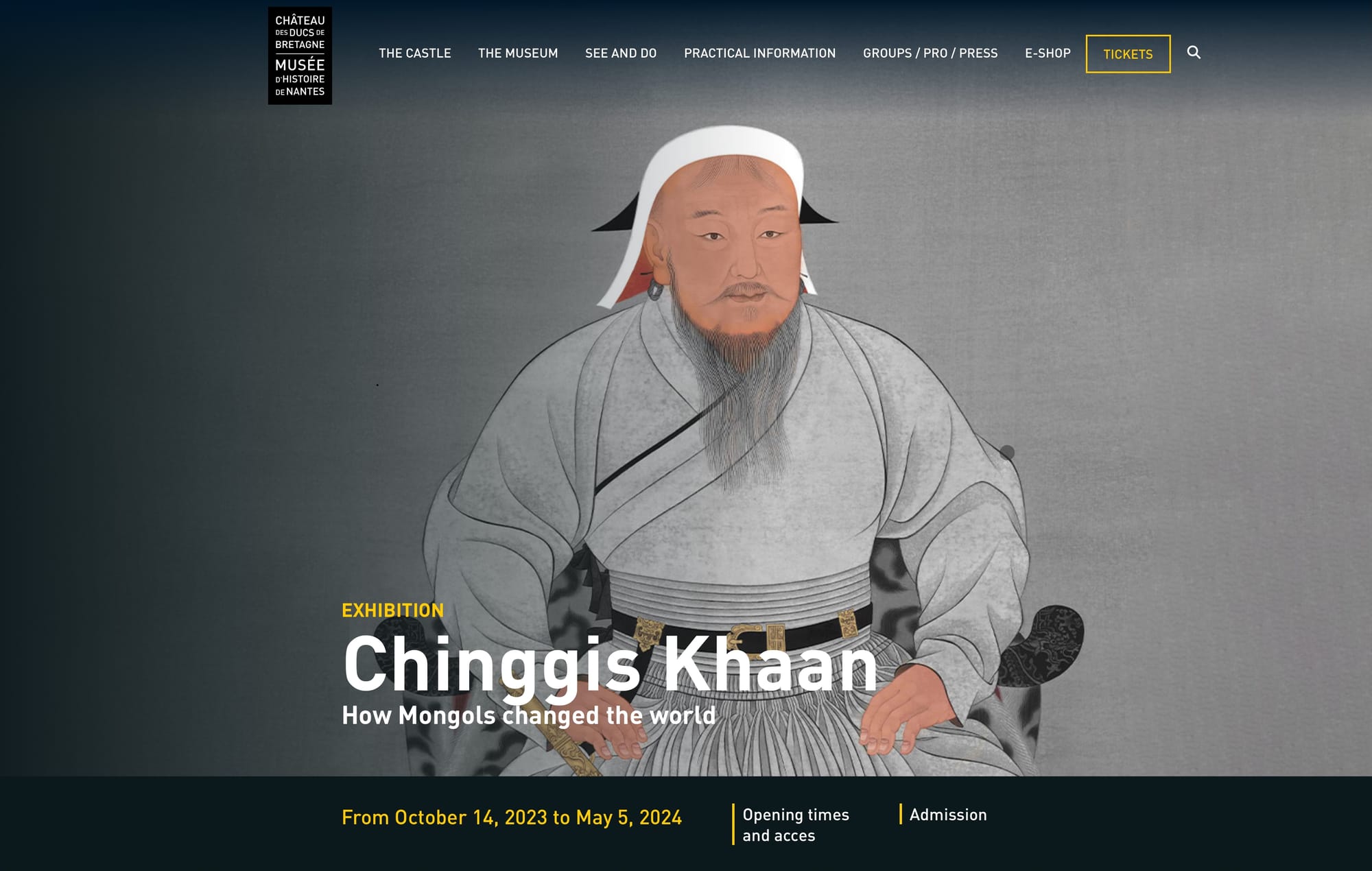
The specific details of China’s protest about the exhibit are less important than what the protest tells us about the legacy of the Mongol Empire. Chinggis Khan may have died almost 800 years ago, but the empire he founded continued to have influence long after it collapsed. Whether we are looking at the legacy of the empire in Mongolia today or how it shaped Russia and the Muslim World, the Mongol Empire lived on much longer than the two centuries of Mongol rule in Eurasia.
Beyond the Tartar Yoke
This content is for Paid Members
Unlock full access to Liberating Narratives and see the entire library of members-only content.
SubscribeAlready have an account? Log in