“Piles of Corpses Were Found Everywhere”: The Motives and Immediate Consequences of the First Crusade
Discussion of teaching the First Crusade

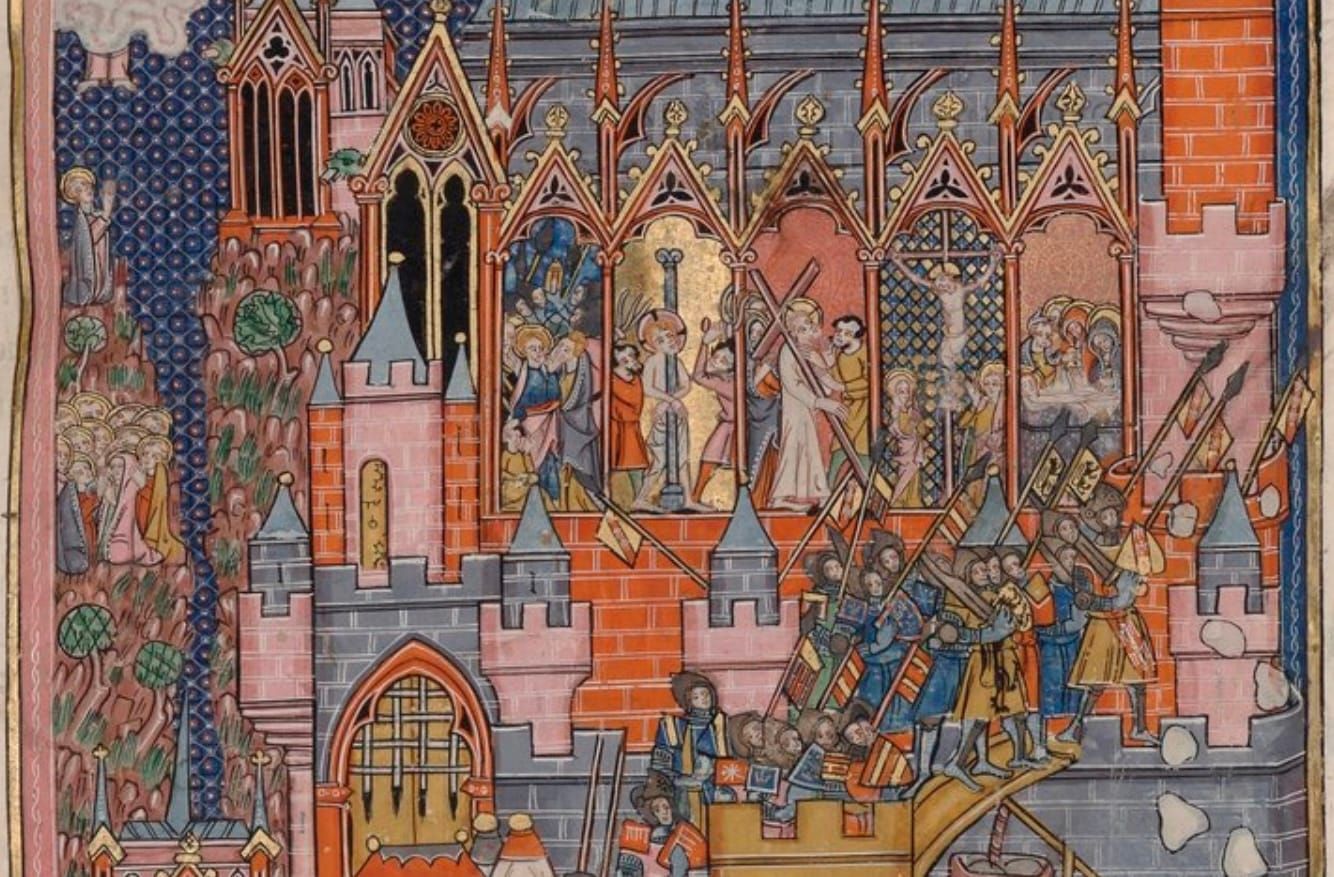
In March 1095, the Byzantine Emperor Alexios I Komenos sent an envoy to Pope Urban II seeking assistance. The Seljuq Turks had overrun the eastern half of the Byzantine Empire. Sources differ on exactly what sort of assistance Alexios wanted, but eight months later, Urban II gave a famous speech at the Council of Claremont. Although he never used the word “crusade,” historians regularly refer to this speech as the call to crusade. In the following months, he spoke in other parts of Western Europe. Within a year, thousands of Latin Christians from across Western Europe began the journey eastward.
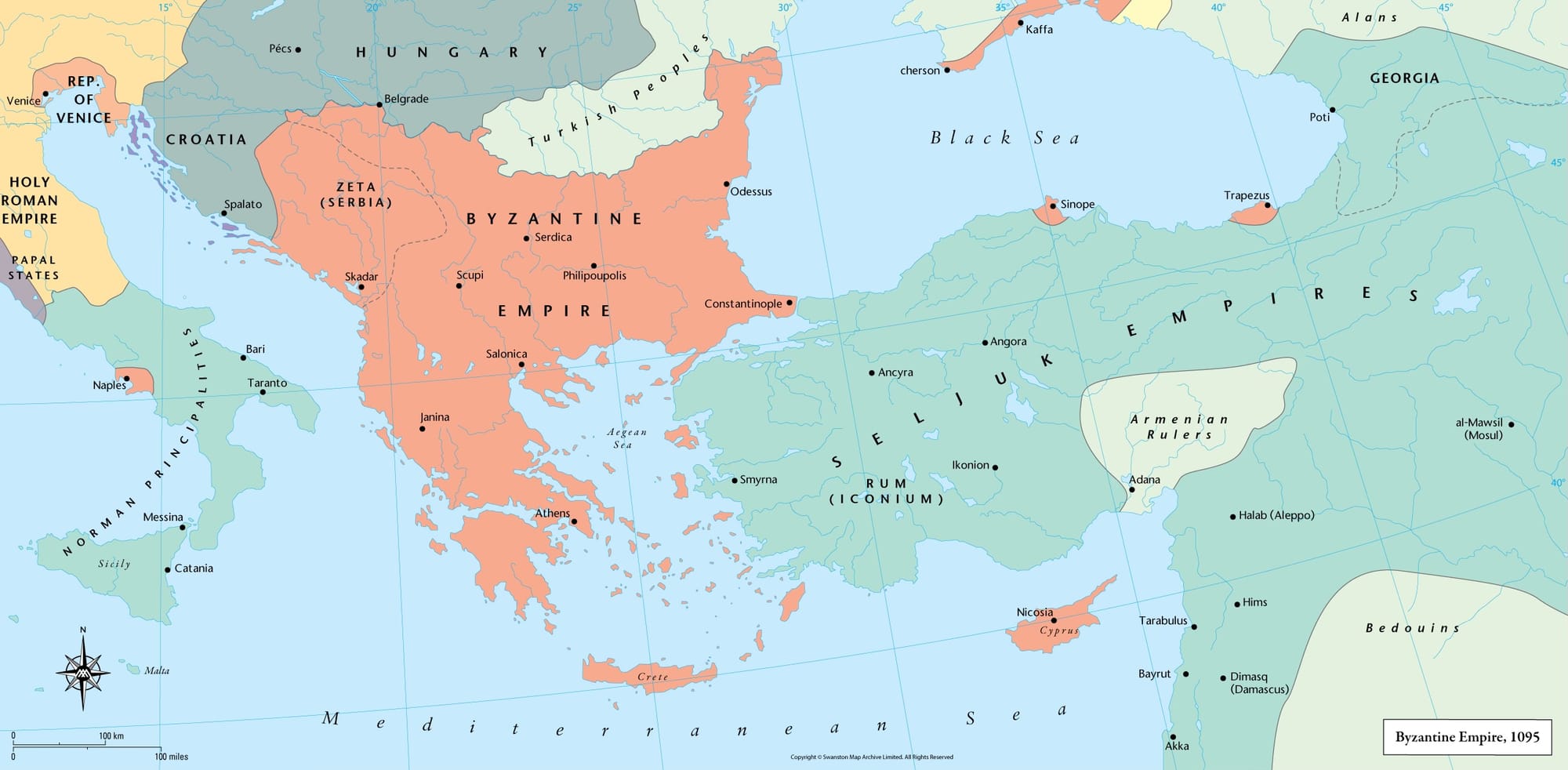
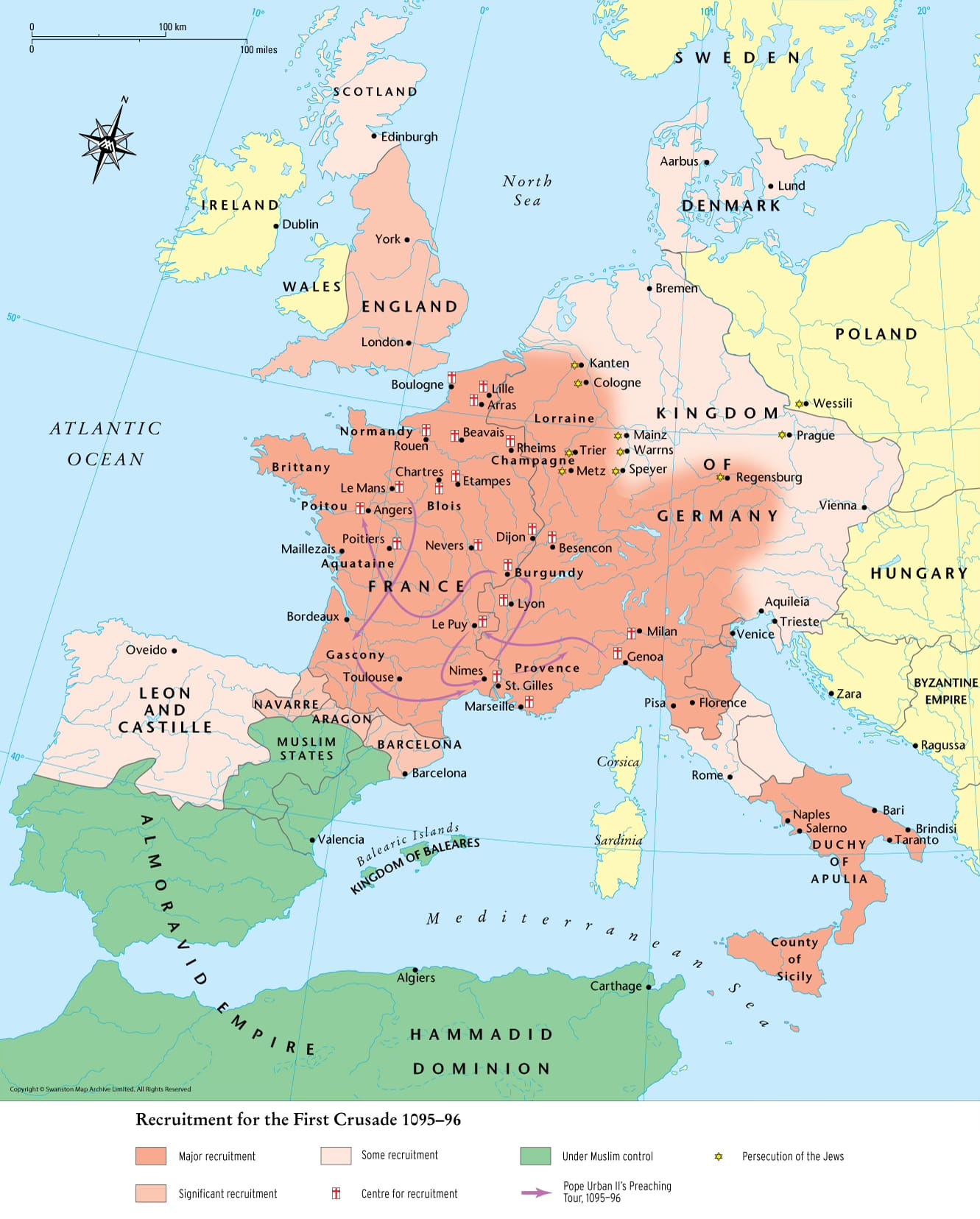
Left: The Byzantine Empire in 1095. Source: The Map Archive. Right: The origins of the Latin Christian Crusaders. Source: The Map Archive.
Why did thousands of people set out for the eastern Mediterranean? In the previous post, I discussed how increased interaction, climate shifts, and changing political fortunes contributed to the Crusades, but why did individuals choose to take up this cause? What did Pope Urban II say? By having students examine a selection of primary sources, they can better understand the complex motives that influenced the Crusaders. Besides successfully establishing Latin Christian states in the Levant, the Crusaders also unleashed a wave of violence that had dire consequences for Jews, Muslims, and other Christians in Europe and the eastern Mediterranean.
Why Did Latin Christians Crusade?
This content is for Paid Members
Unlock full access to Liberating Narratives and see the entire library of members-only content.
SubscribeAlready have an account? Log in