Skip to content

“Expose the Hollowness of Moral Pretensions”: Gandhi on Non-cooperation and Anticolonialism in 1920

Discussion of how Gandhi saw non-cooperation as a response to events of 1919 and 1920

Bram Hubbell
Bram Hubbell
2 min read
“Expose the Hollowness of Moral Pretensions”: Gandhi on Non-cooperation and Anticolonialism in 1920

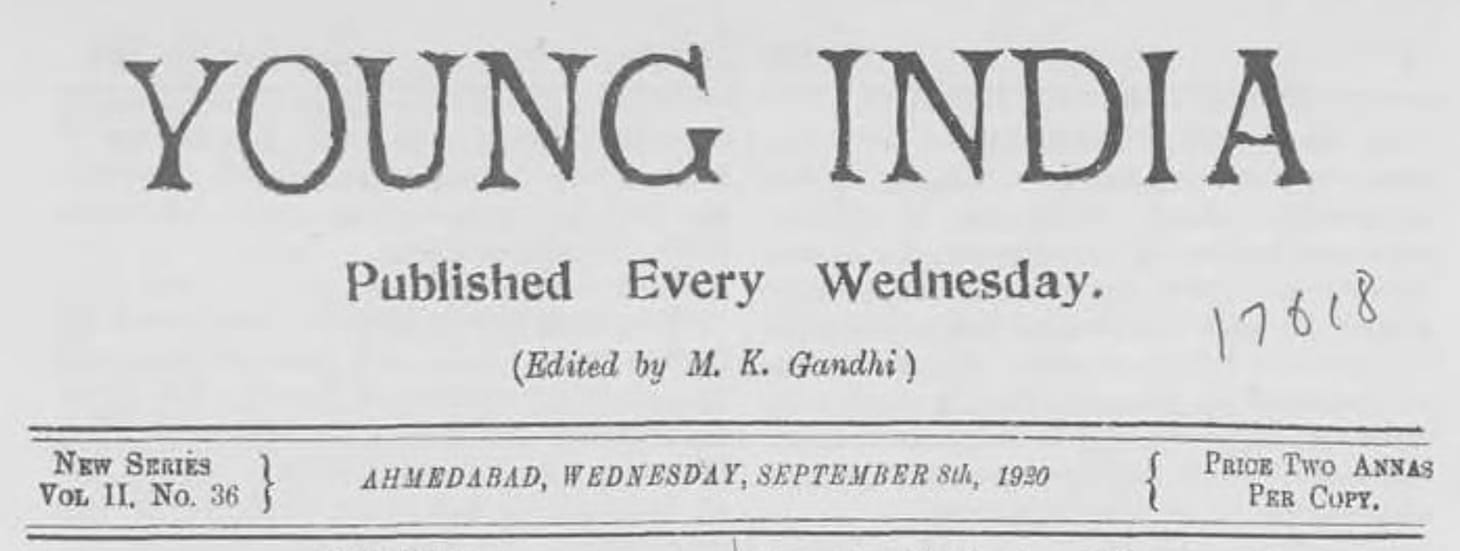
World history textbooks regularly discuss Gandhi’s encouragement of peaceful and nonviolent means to challenge British rule in India. As discussed in this week’s post, the Non-Cooperation Movement began in 1920. Gandhi promoted non-cooperation as a response to recent events.

The Source


Related Posts

Members Public

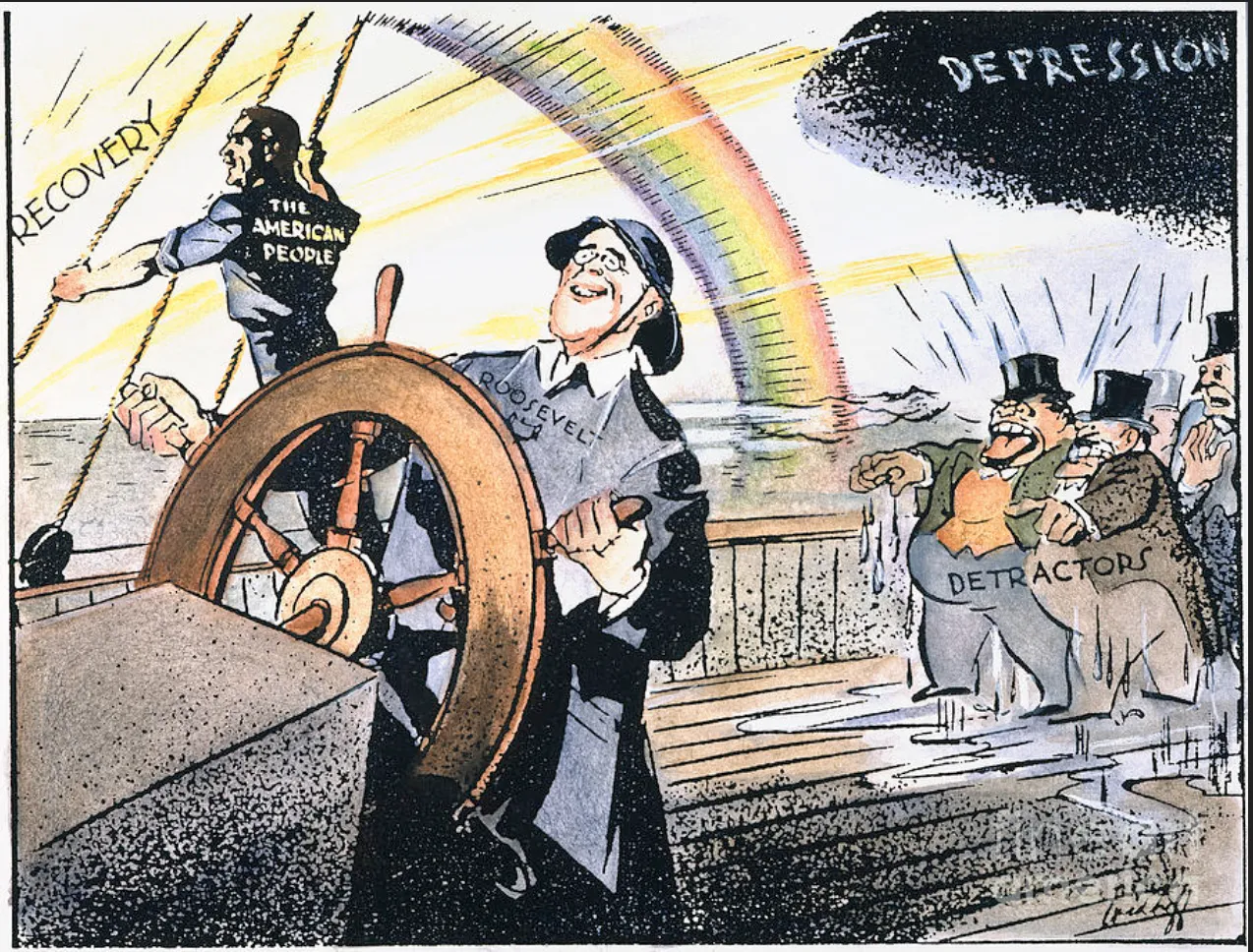
The Changing Role of Government Involvement in the Economy in the 1930s

Teaching how states worldwide took a more active approach to directing economic development in the 1930s

The Changing Role of Government Involvement in the Economy in the 1930s
Members Public

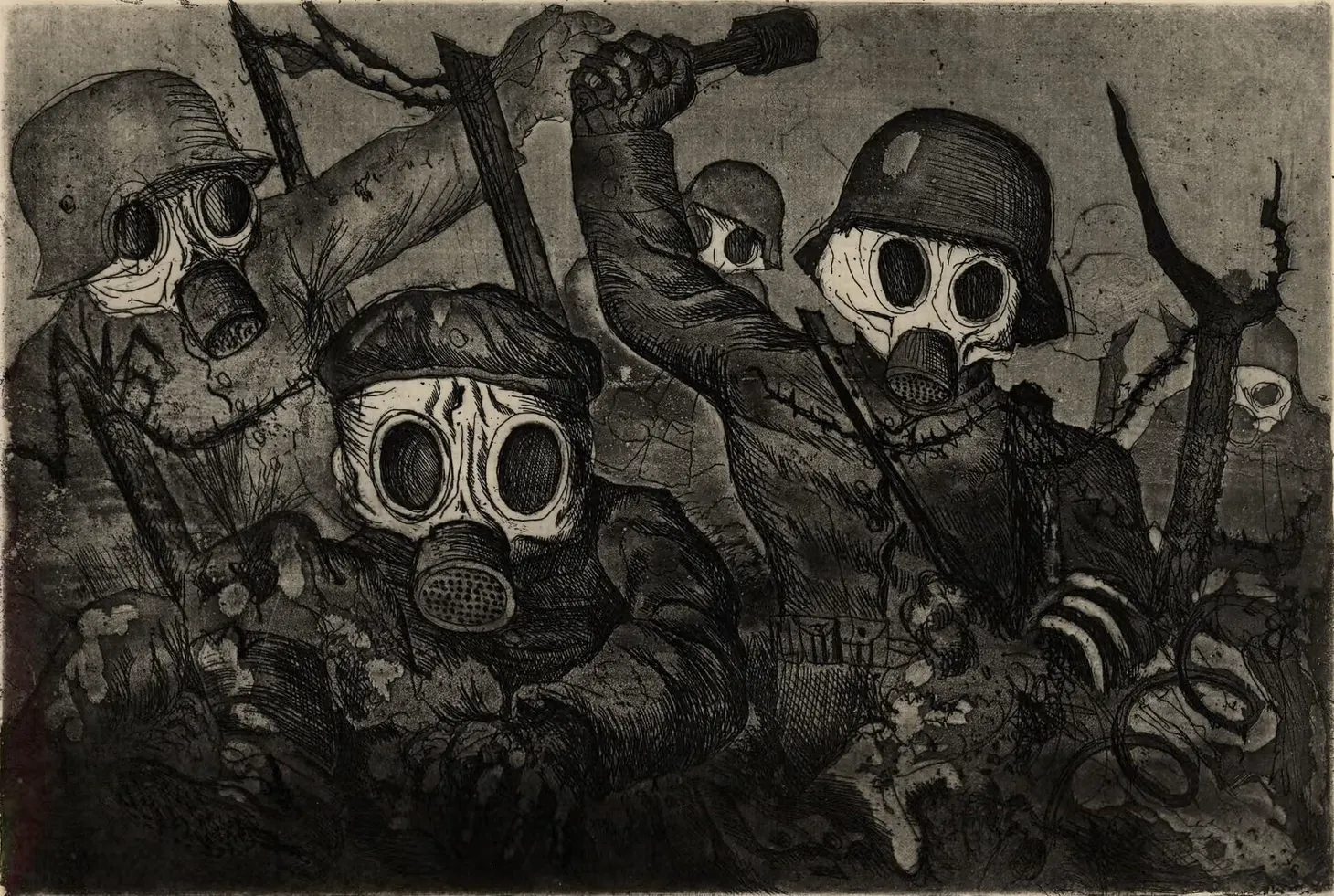
“The Deadliest Instrument of Warfare Yet Devised”: Teaching the Consequences of New Technology in the First World War

Discussion of primary sources for teaching the effects of poisonous gas in the First World War

“The Deadliest Instrument of Warfare Yet Devised”: Teaching the Consequences of New Technology in the First World War
Members Public

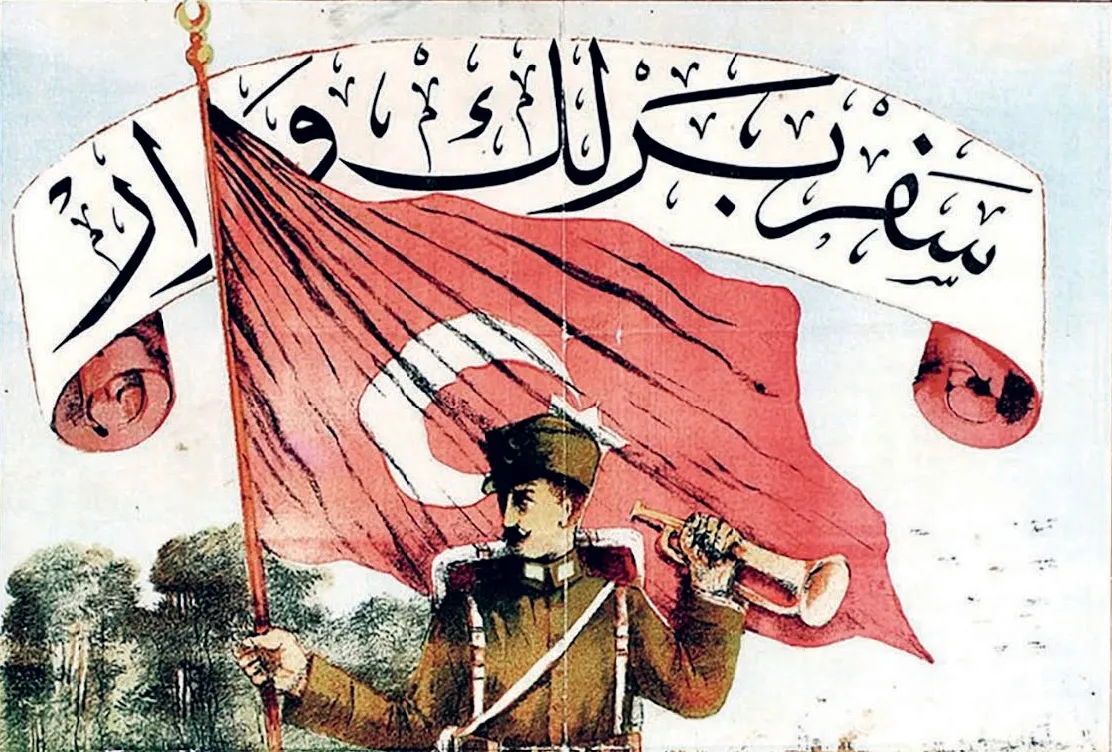
Total War and the Ottoman Empire

Using Ottoman primary sources to teach total war

Total War and the Ottoman Empire