Skip to content

“The Deadliest Instrument of Warfare Yet Devised”: Teaching the Consequences of New Technology in the First World War

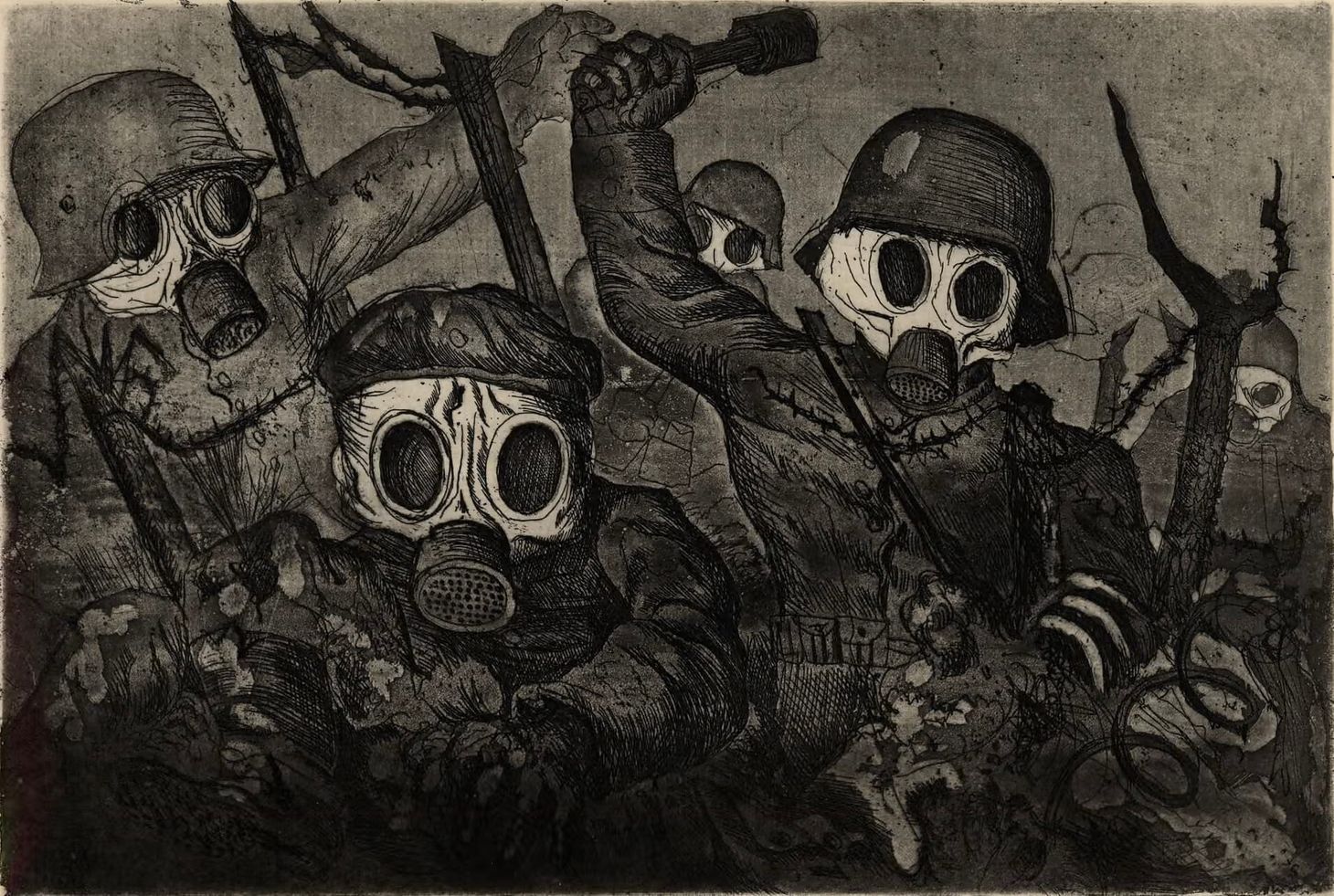
Discussion of primary sources for teaching the effects of poisonous gas in the First World War

Bram Hubbell
Bram Hubbell
4 min read
“The Deadliest Instrument of Warfare Yet Devised”: Teaching the Consequences of New Technology in the First World War
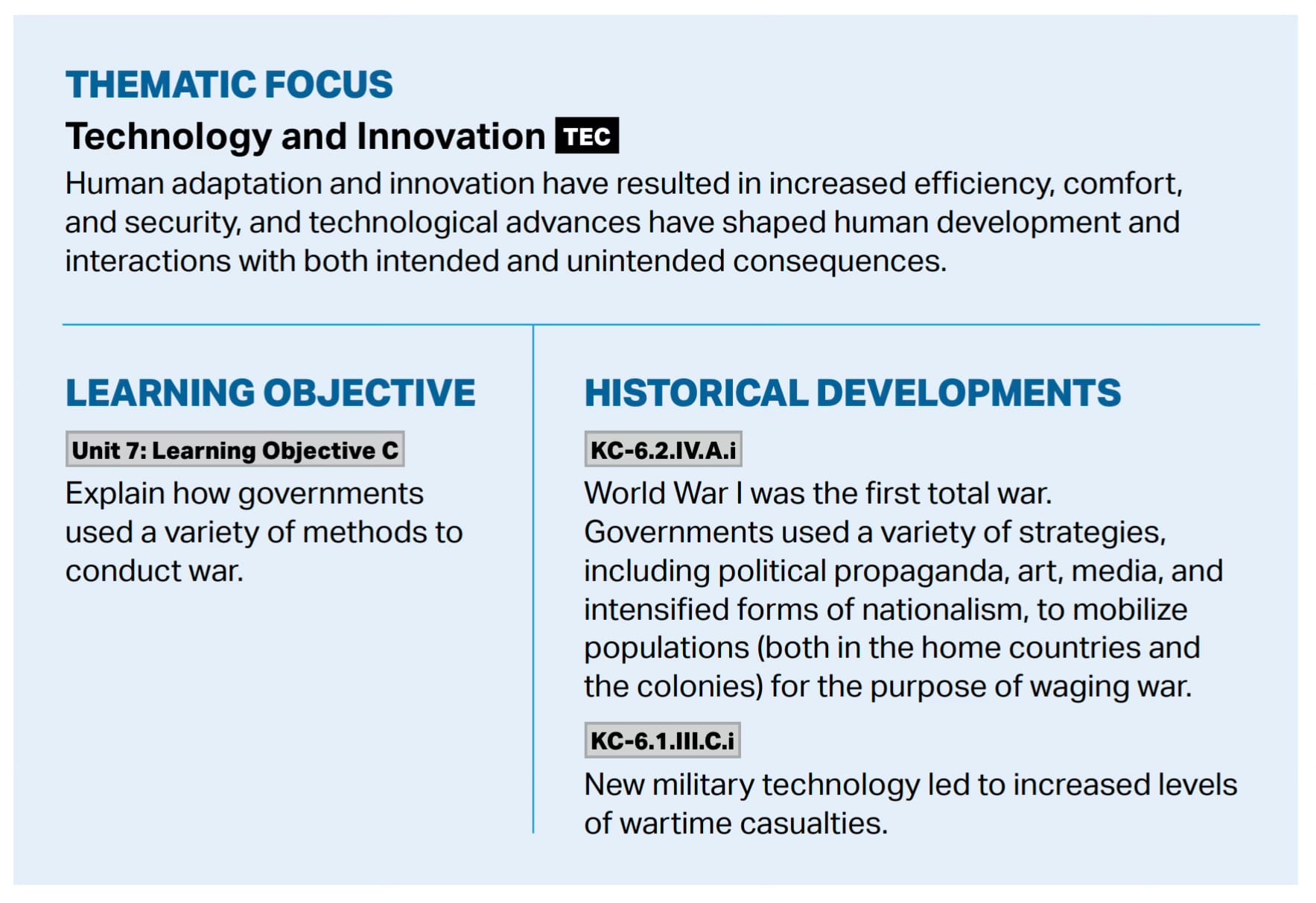
From page 132 of the AP World History Course and Exam Description.

New technology completely transformed the First World War. It changed how generals waged war and contributed to the development of new tactics. According to the AP World History framework, “new military technology led to increased levels of wartime casualties.” From a distance of over a century, this phrase can feel rather sanitized to today’s students. When teaching about new military technology, we want to help students understand how deadly it seemed at the time. While Europeans had regularly used new military technology in their African and Asian colonies, the First World War was the first time many Europeans experienced it firsthand.

The Sources


Related Posts

Members Public

“A Situation of Complete Inertia and a Widespread Apathy”: Teaching Everyday Resistance to French Imperialism in Senegal in the 1920s and 1930s

What were the weapons of the weak in French Senegal?

“A Situation of Complete Inertia and a Widespread Apathy”: Teaching Everyday Resistance to French Imperialism in Senegal in the 1920s and 1930s
Members Public

“Hunger Was the Word I Heard Most”: Stalin’s First Five-Year Plan and Its Consequences

Discussion of teaching the Holodomor using primary sources

“Hunger Was the Word I Heard Most”: Stalin’s First Five-Year Plan and Its Consequences
Members Public

The Changing Role of Government Involvement in the Economy in the 1930s

Teaching how states worldwide took a more active approach to directing economic development in the 1930s

The Changing Role of Government Involvement in the Economy in the 1930s