“Hunger Was the Word I Heard Most”: Stalin’s First Five-Year Plan and Its Consequences
Discussion of teaching the Holodomor using primary sources

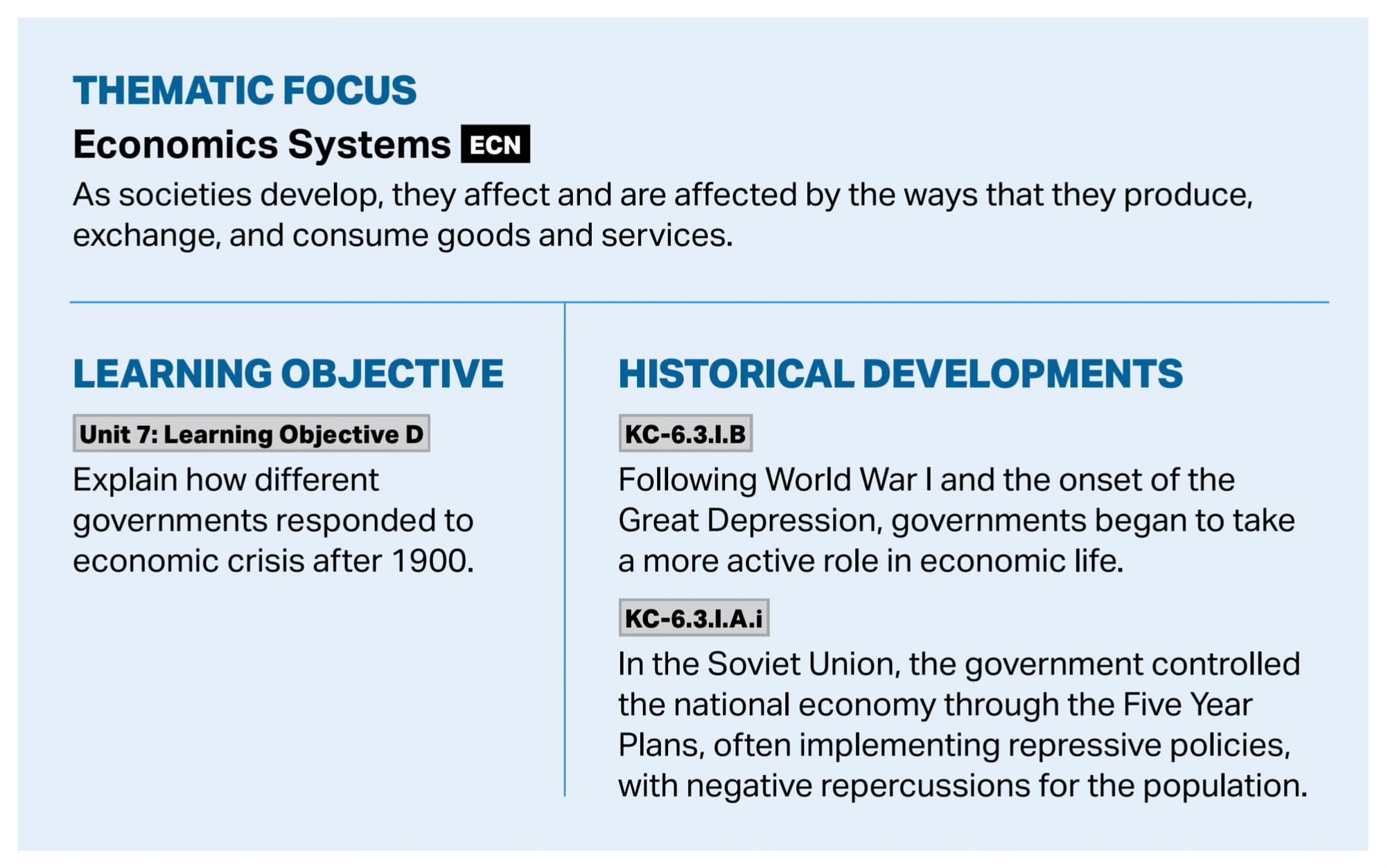
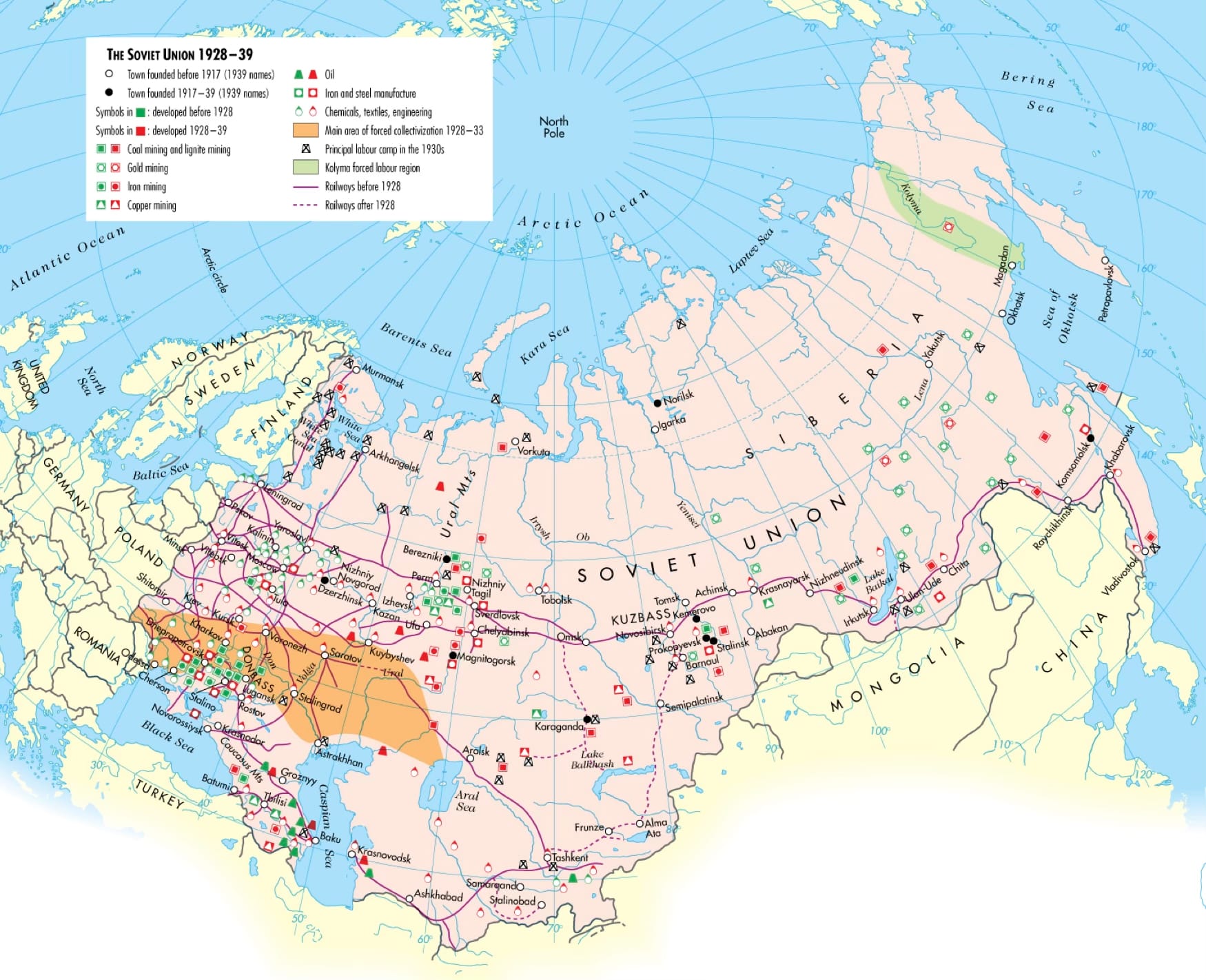
In the previous post on increased government involvement in domestic economies, I mentioned Stalin’s first Five-Year Plan as a template for many other states in the middle of the twentieth century. While Stalin’s plan for rapid industrialization and collectivization of agriculture fundamentally transformed the Soviet Union’s economy, it also came at a terrible human cost. Stalin sent millions of people to prison labor camps. They worked on projects, such as the White Sea-Baltic canal. The other significant human cost was the Holodomor, the Great Famine in Ukraine during 1932 and 1933. On the map below, the orange shaded area shows the main area of collectivization; it’s also the region where the Holodomor occurred. The University of Minnesota’s Genocide Education Outreach Program has written a helpful introduction to the Holodomor that can be used with students.
The Sources
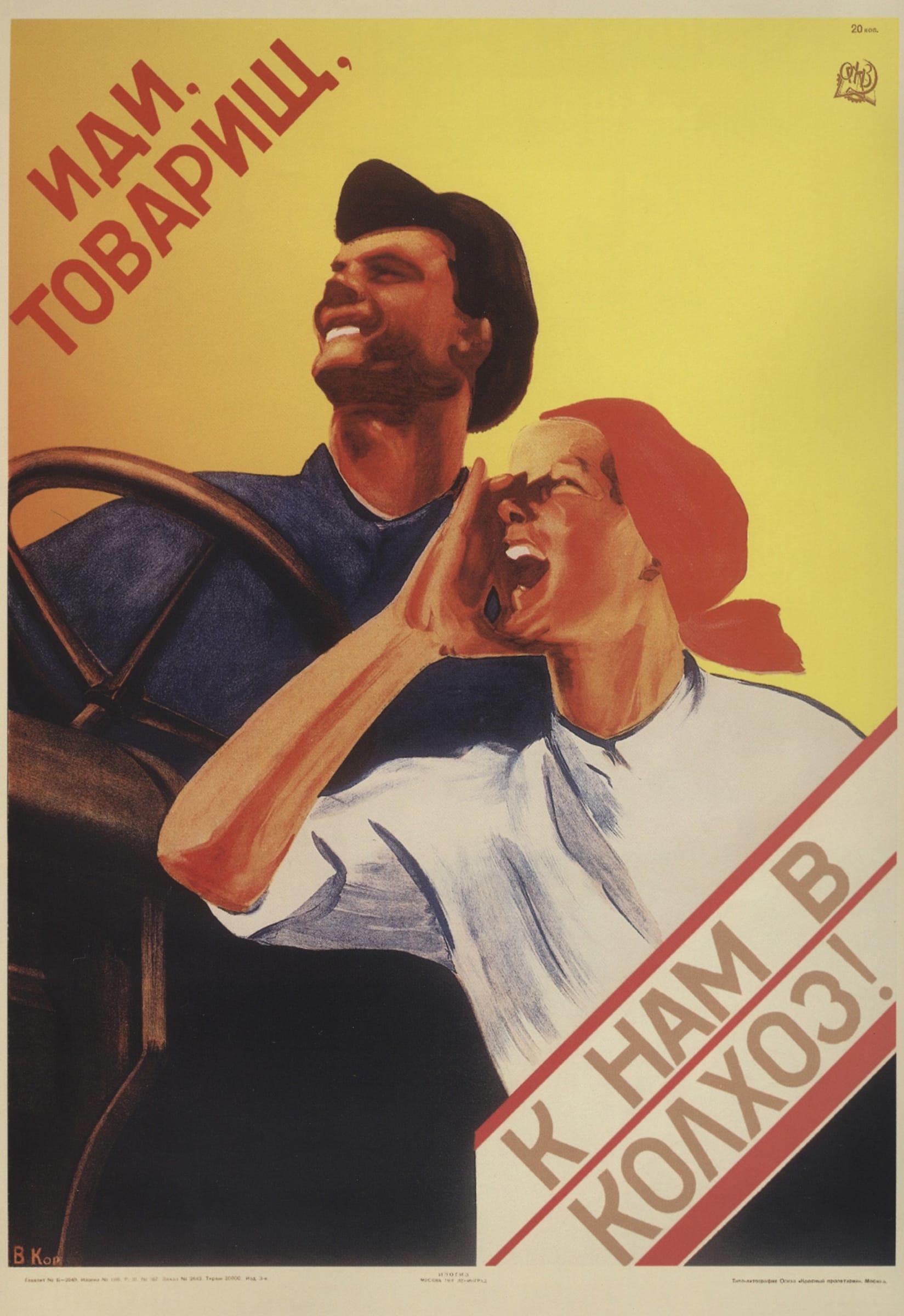
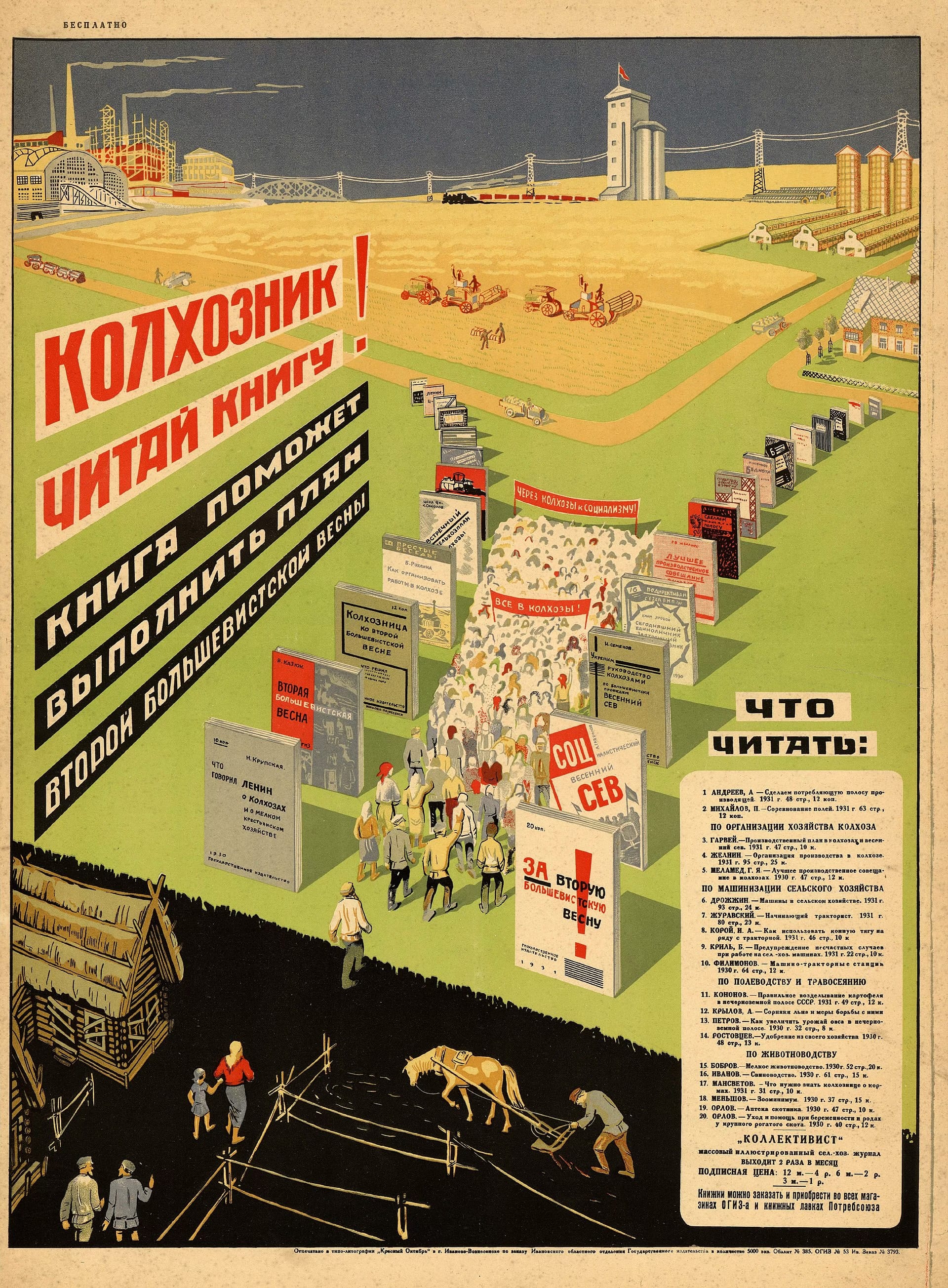
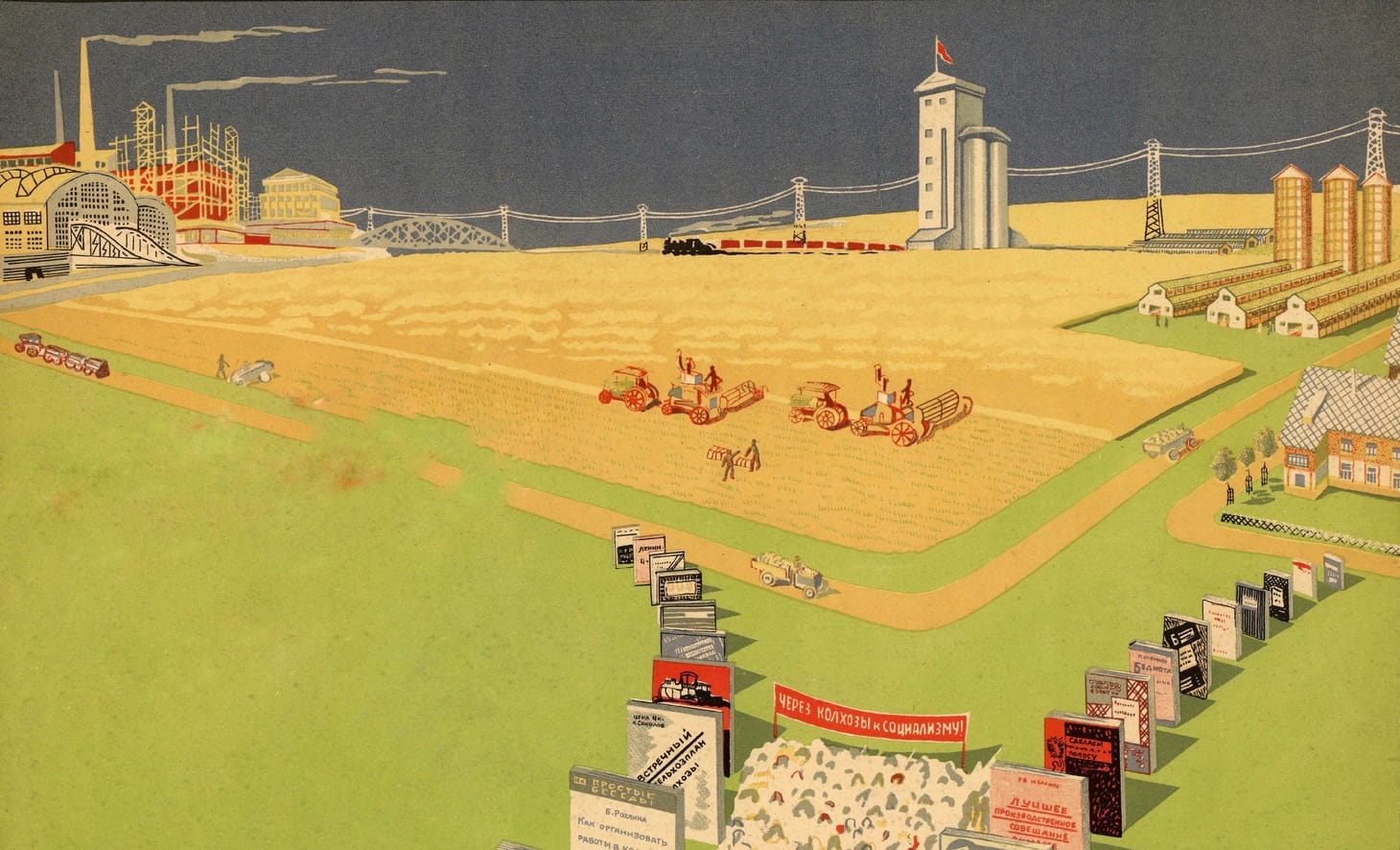
Left: 1930 Soviet poster, “Comrade, come to our kolkhoz!” Source: Arthive. Right: 1931 Soviet poster, “Kolkhoznik, read the book! The book will help fulfill the plan of the second Bolshevik spring!" Source: Wikimedia Commons.
This Content is for Subscribers on the Buy Me Lunch and Buy Me Dinner tiers
SubscribeAlready have an account? Log in