“I Left My Land to Come to Demerara”: Global Migration, c.1830 - c.1920
Discussion of teaching nineteenth-century global migration

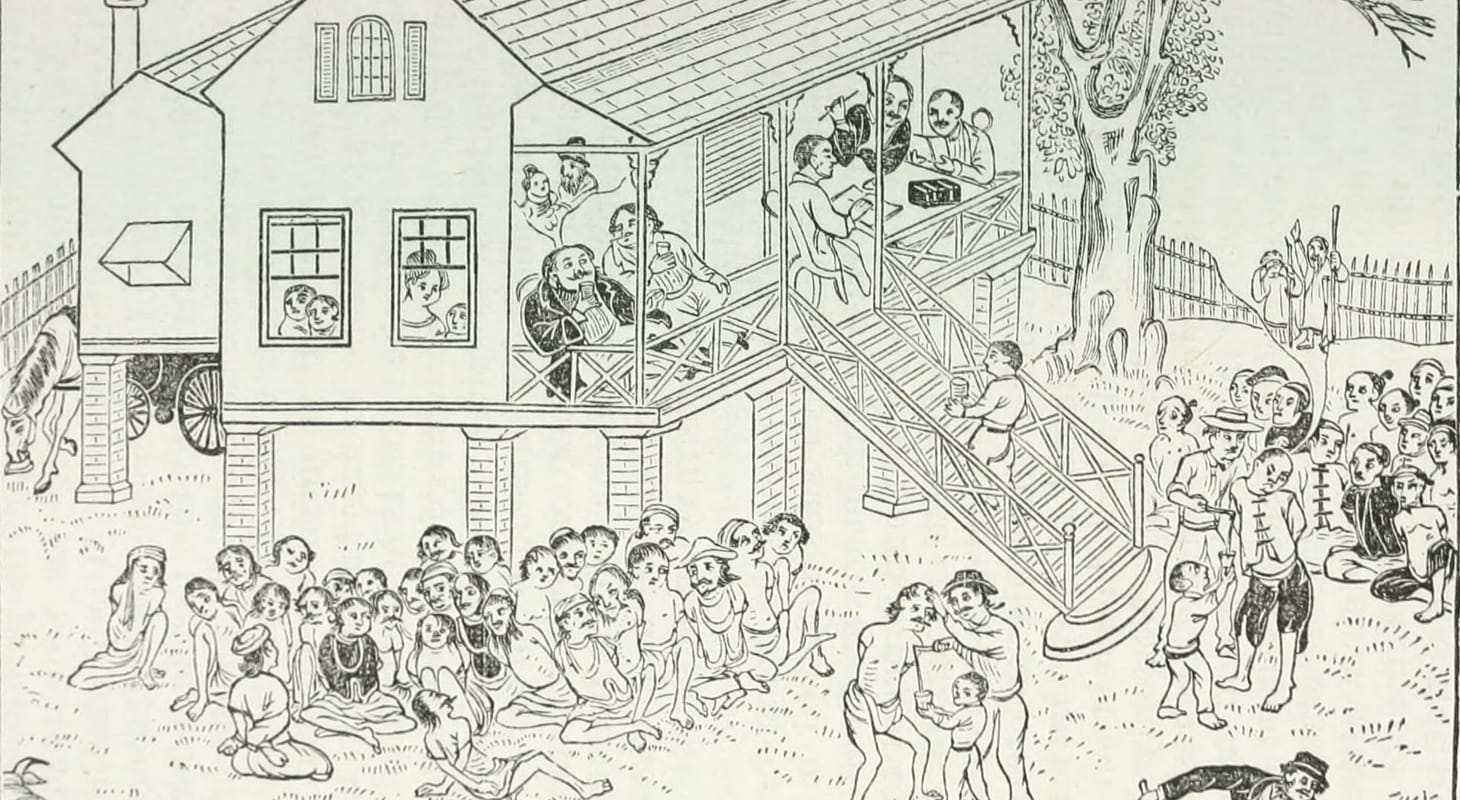
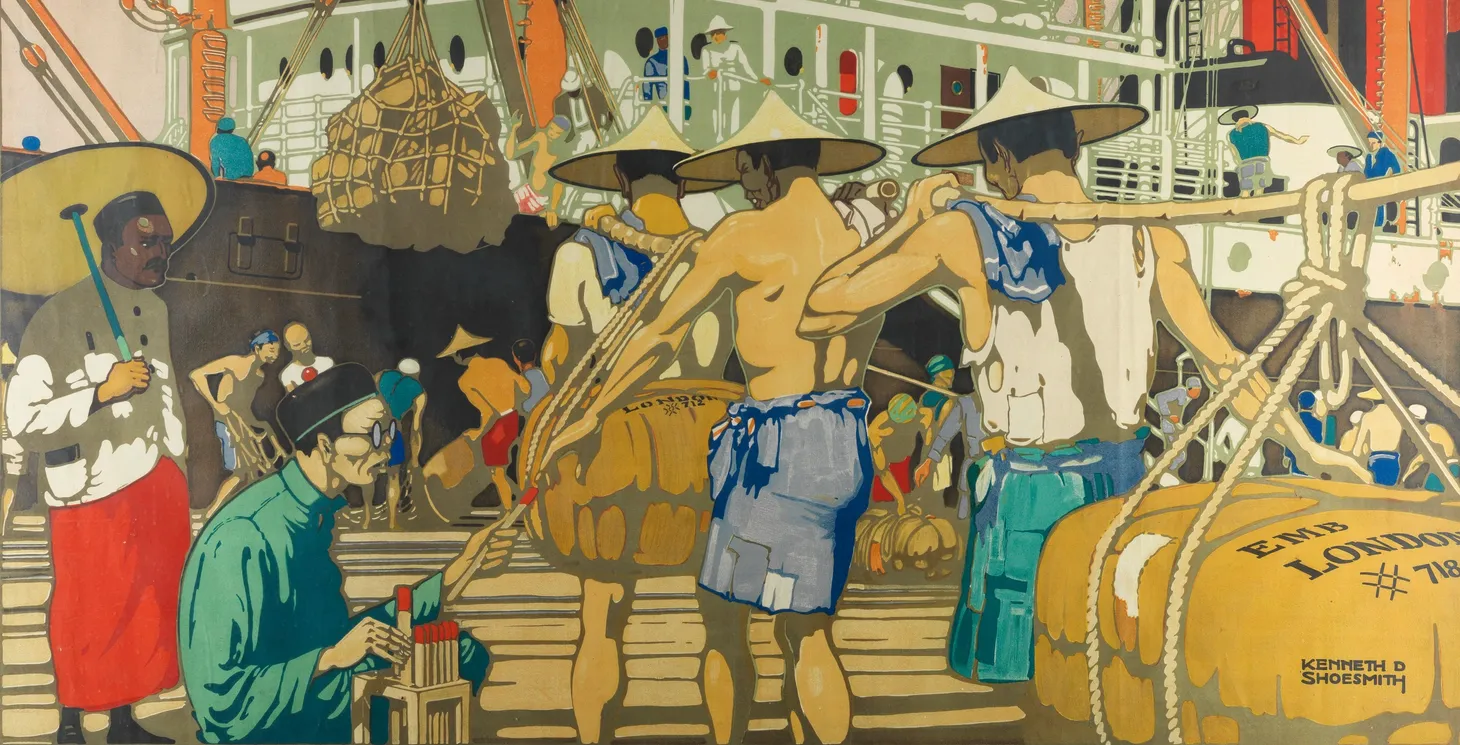
Although many politicians worldwide rant about migration and try to make us fearful of people who migrated, we often feel nostalgic about the importance of migration in the nineteenth and early twentieth centuries. It’s the era of the idealized melting pot, and we imagine people who migrated finding better lives in their new homes. This disconnect between how we understand migration today and how we remember migration from a century ago reflects the skewed narrative of that earlier era. Even when we briefly acknowledge the hardships of nineteenth-century migration, we focus on how people’s lives improved in the long run.
When teaching nineteenth and early twentieth-century global migration, we must avoid romanticizing the topic. We want to focus on why there was a dramatic increase in the number of people migrating around the world, how people who migrated experienced the journey and adapted to their new locations, and the effects of global migration.
Visualizing Global Migration
This content is for Paid Members
Unlock full access to Liberating Narratives and see the entire library of members-only content.
SubscribeAlready have an account? Log in