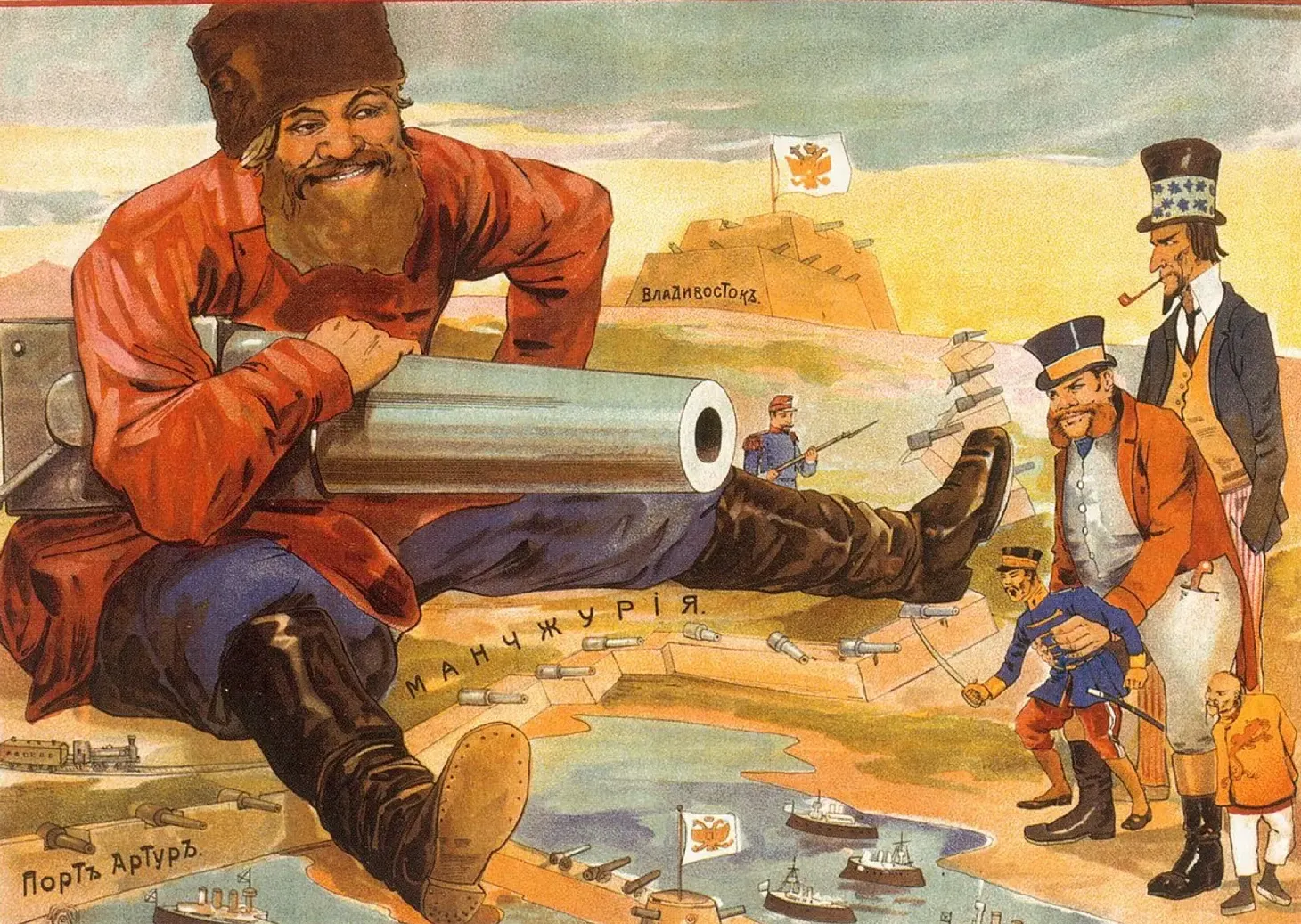
British Justifications for Colonizing Southeast Asia
Teaching how the British justified imperialism in Southeast Asia

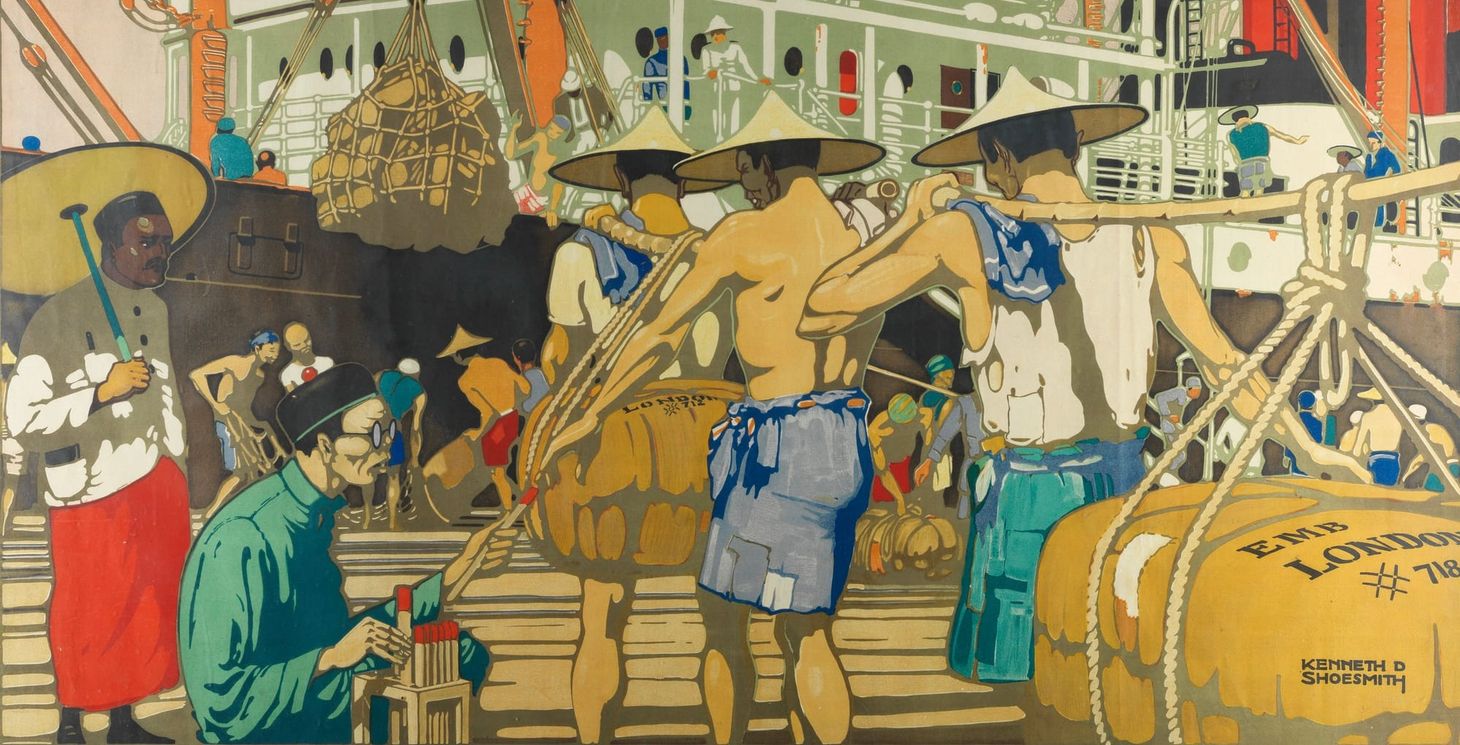
In January 2023, I started a series on teaching New Imperialism. I focused on both general themes and the effects of New Imperialism on different regions. In “‘Pilfering Our Resources’: Teaching the Causes of New Imperialism with Primary Sources,” I discussed how Europeans justified imperialism:
If the tools of empire enabled European conquests in the second half of the nineteenth century, we also need to help students understand why Europeans wanted to conquer. I intentionally emphasized “wanted” in that sentence. As we will see, European justifications for imperialism often include words such as “need” or “must,” and we want students to notice this tendency. No state or nation ever needs to conquer another group of people. The decision to conquer is a choice, and we want students to be aware of that choice. Late nineteenth-century imperialism was never something Europeans were forced to do; it was something Europeans desired and chose to do.
When we distinguish between how Europeans justified conquest rather than just talk about the causes, it helps students understand how Europeans rationalized conquering around the world. Given the language the Trump administration has used with Venezuela and Greenland, it’s essential to help students read (or listen or watch) more critically. Nineteenth-century European officials, like members of the Trump administration, regularly justified their policies to make them seem natural or inevitable.