“Opium Was One of Those Things”: Rethinking How We Teach the Nineteenth-Century Opium Trade
Discussion of teaching the nineteenth-century opium trade

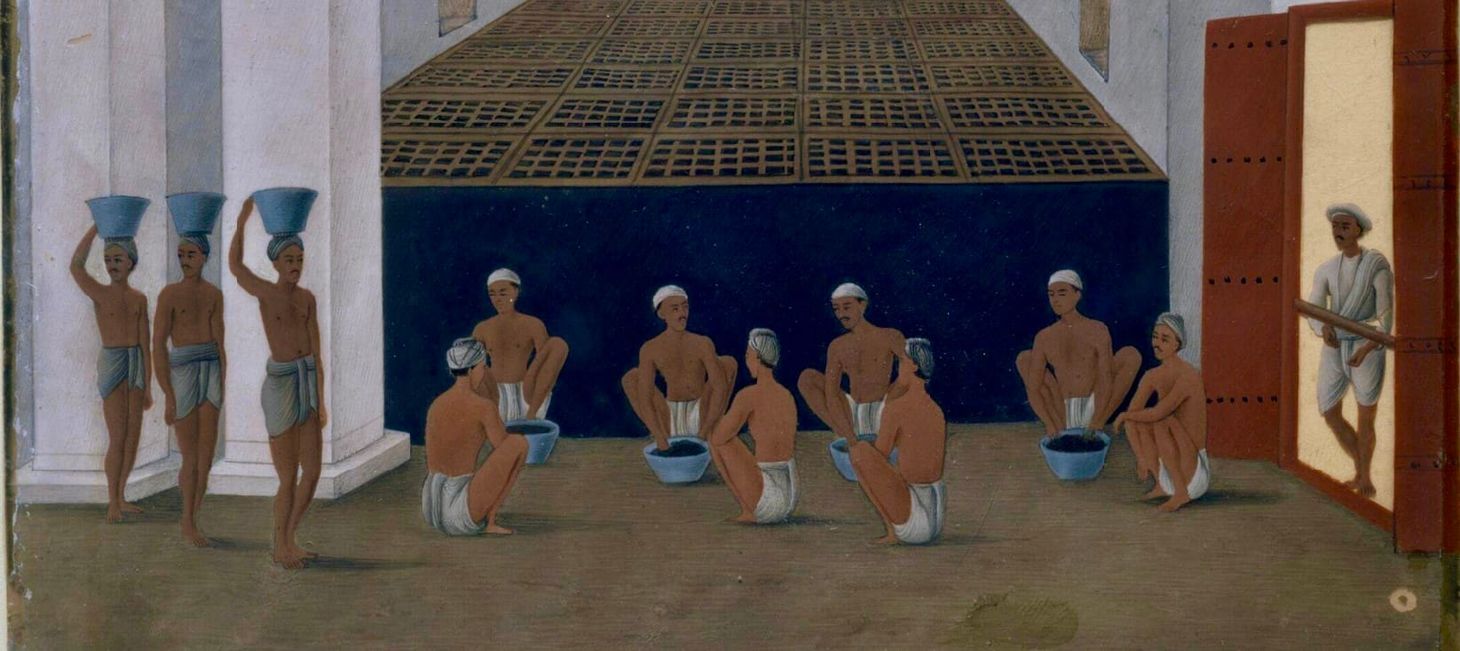
When I started teaching world history in 1999, the opium trade was the topic that most surprised me and intrigued me. I knew about opium, but I hadn’t learned about the role of the British in the nineteenth century. It was shocking to imagine that British traders justified selling opium to avoid paying out of their own pockets for Chinese tea (that’s the basic narrative in most textbooks). When the Chinese government finally protested the British smuggling opium into China, Britain went to war to keep selling opium.
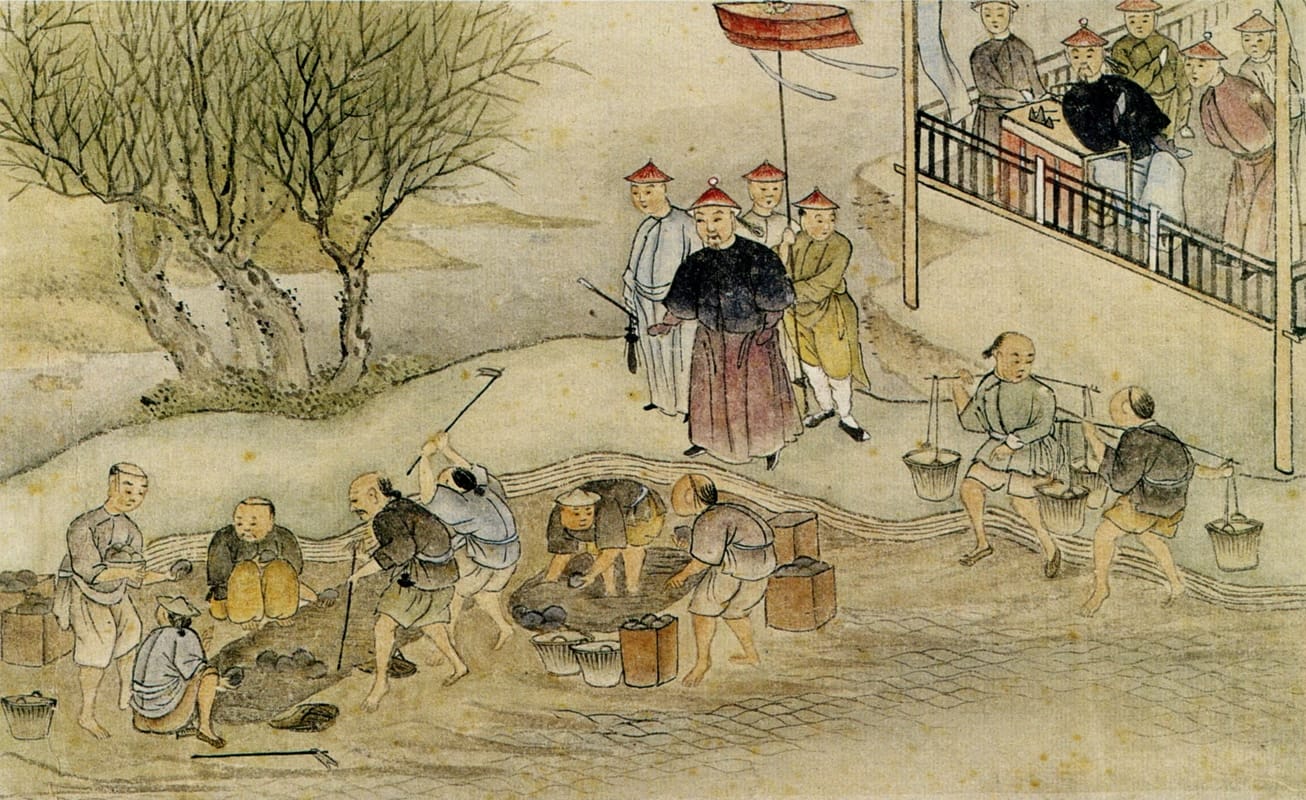
As I read more about the opium trade and visited museums in Hong Kong and Singapore, I was again surprised. The opium trade seemed more critical to the development of the modern world than most textbooks acknowledged. In The Origins of the Modern World: A Global and Environmental Narrative from the Fifteenth to the Twenty-First Century, Robert Marks seemed to be the only “textbook” author who discussed how important opium was to the development of the nineteenth-century capitalist global economy. Most authors presented the opium war as an isolated event and didn’t emphasize opium’s role in European imperialism in Asia.
During the next month, I will focus on how we teach the nineteenth-century opium trade. In this first post, I’ll discuss how the opium trade developed, opium as an example of mass production, the critical role of opium to European imperialism in Asia, and focus on the role of Asian opium producers and merchants.