“Palestine Is Our Ever-Memorable Historic Home”: The Development of Zionism and the First Zionists in Ottoman Palestine
Discussion of teaching the origins of Zionism

In last week’s post, I discussed nineteenth-century Ottoman Palestine. Even as Ottoman Palestinians became more involved in the global economy, Christians, Jews, and Muslims in Palestine mostly continued to live together peacefully. I deliberately omitted the first Zionists since there were relatively few of them. By not discussing Zionism from the start, we can help students develop a more general understanding of Palestine before the conflict.
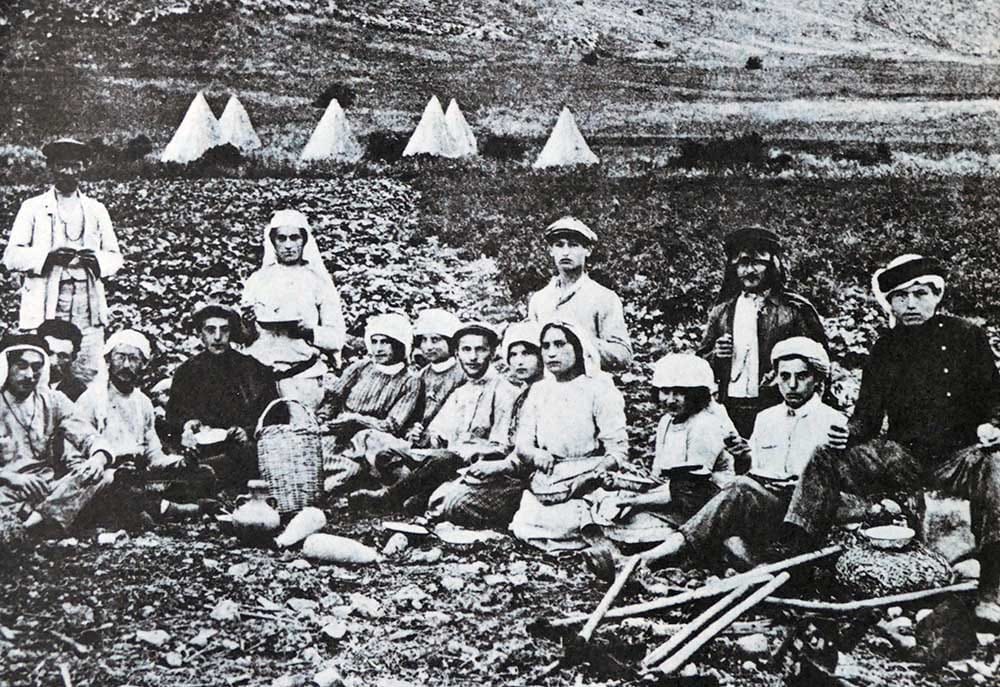
During the second half of the nineteenth century, some European Jews began promoting Zionism, and the first Zionists settled in Ottoman Palestine. To teach these developments, we can place them in their relevant historical context. By focusing on how European ideals influenced Zionist Jews, how Zionist Jews saw themselves, and how they described their vision and first settlements, students can understand how the histories of Israelis and Palestinians became intertwined.
Europe and European Jews in the Late Nineteenth Century
This content is for Paid Members
Unlock full access to Liberating Narratives and see the entire library of members-only content.
SubscribeAlready have an account? Log in