Skip to content

“Restore China to the Chinese”: Teaching the 1911 Chinese Xinhai Revolution

Teaching the 1911 Chinese Revolution

Bram Hubbell
Bram Hubbell
3 min read
“Restore China to the Chinese”: Teaching the 1911 Chinese Xinhai Revolution
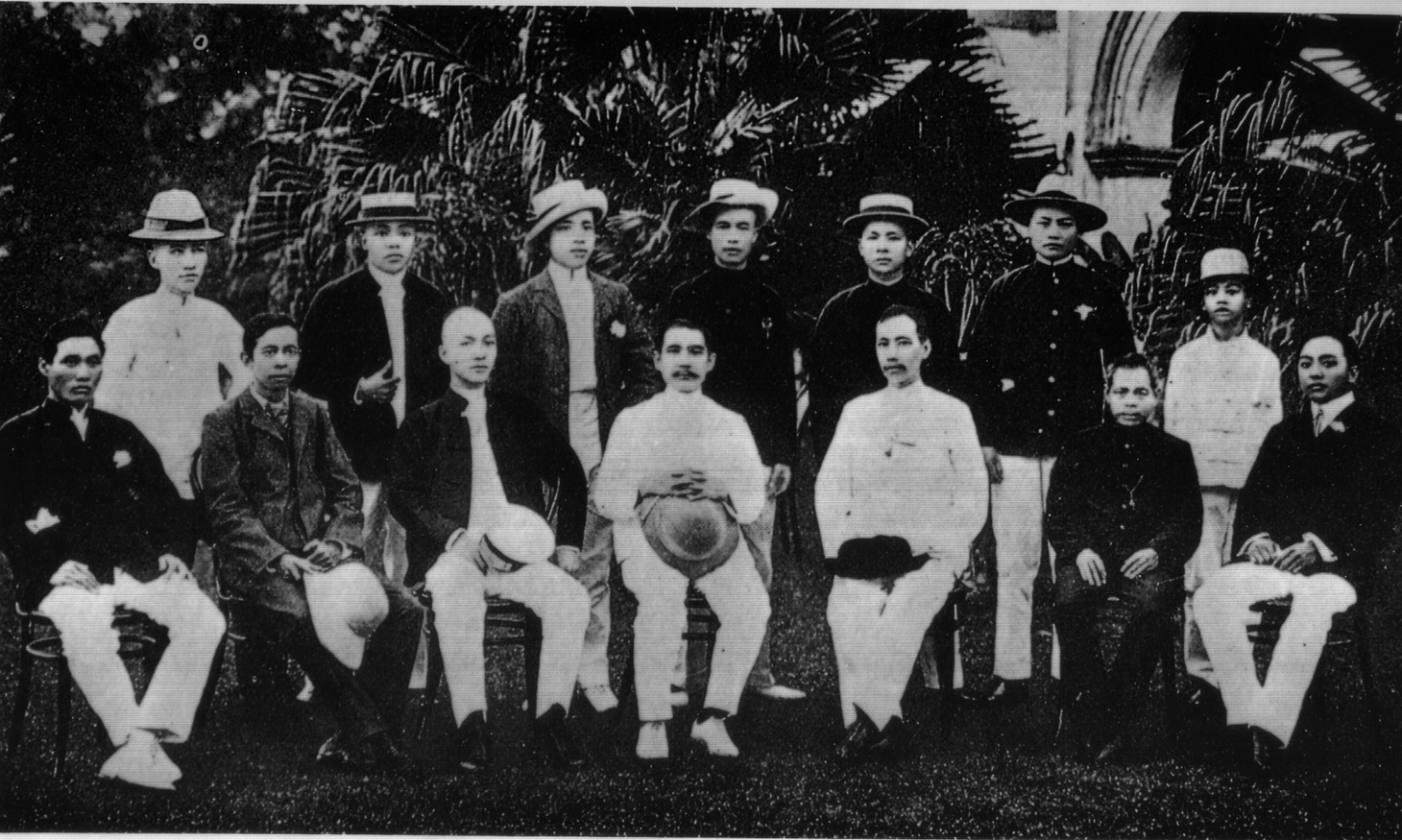
Sun Yat-sen with members of the Singapore Branch of Tongmenhui. Source: Wikimedia Commons.
From page 130 of the AP World History Course and Exam Description.

In 1911, Chinese revolutionaries overthrew the Qing Dynasty. While the collapse of the Qing Dynasty was not surprising, it marked the end of over 2,000 years of dynastic rule in China. The revolutionaries opposed the Qing for various reasons. One of the main revolutionary groups was the Tongmenghui, founded by Sun Yat-sen. The Tongmenghui not only wanted to end the Manchu Qing Dynasty but also to establish a new type of Chinese state.

The Source


Related Posts

Members Public

“A Situation of Complete Inertia and a Widespread Apathy”: Teaching Everyday Resistance to French Imperialism in Senegal in the 1920s and 1930s

What were the weapons of the weak in French Senegal?

“A Situation of Complete Inertia and a Widespread Apathy”: Teaching Everyday Resistance to French Imperialism in Senegal in the 1920s and 1930s
Members Public

“Hunger Was the Word I Heard Most”: Stalin’s First Five-Year Plan and Its Consequences

Discussion of teaching the Holodomor using primary sources

“Hunger Was the Word I Heard Most”: Stalin’s First Five-Year Plan and Its Consequences
Members Public

The Changing Role of Government Involvement in the Economy in the 1930s

Teaching how states worldwide took a more active approach to directing economic development in the 1930s

The Changing Role of Government Involvement in the Economy in the 1930s