“The Severe Cold in Syria”: The Little Ice Age and the Black Death in the Middle East
Discussion of teaching the intersection of the Little Ice Age and the Black Death in the Middle East

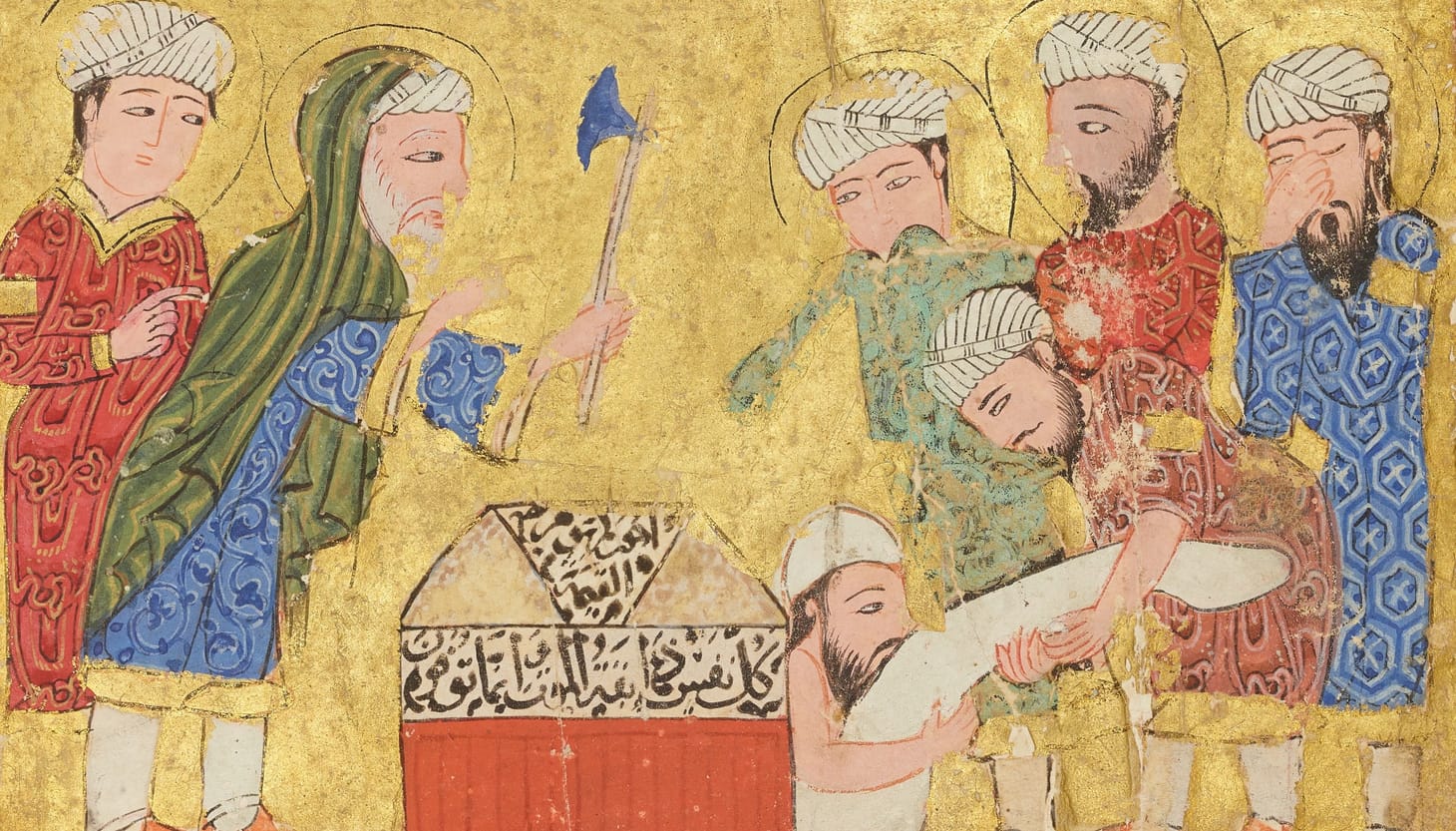
In my first post on the Little Ice Age, I discussed Felipe Fernández-Armesto’s novel approach to integrating the Little Ice Age and the Black Death in his discussion of the fourteenth century. Although he discussed the Black Death as a global phenomenon, he primarily focused on the effects of the Little Ice Age in Europe and North America. Although northern Europe experienced some of the most notable cooling in the fourteenth century, historians are increasingly finding new sources for evidence of the Little Ice Age in other parts of Afroeurasia.
Instead of framing the intersection of the Black Death and the Little Ice Age as a European event, we can expand our perspective to all Afroeurasia. By integrating new evidence for the spread of the Black Death and examples of atypical weather events, we can help students see how all of Afroeurasia experienced “great disruptions” during the fourteenth century. And instead of focusing on Europe, we can explore this intersection of events in the Middle East.
The Great Disruptions
This content is for Paid Members
Unlock full access to Liberating Narratives and see the entire library of members-only content.
SubscribeAlready have an account? Log in