“Their Voices Must Be Heard”: Women, Intersectionality, and Competing Global Visions in the Late Twentieth and Twenty-First Centuries
A discussion of how to teach the world historical roots of present-day issues using sources by women from the Global South

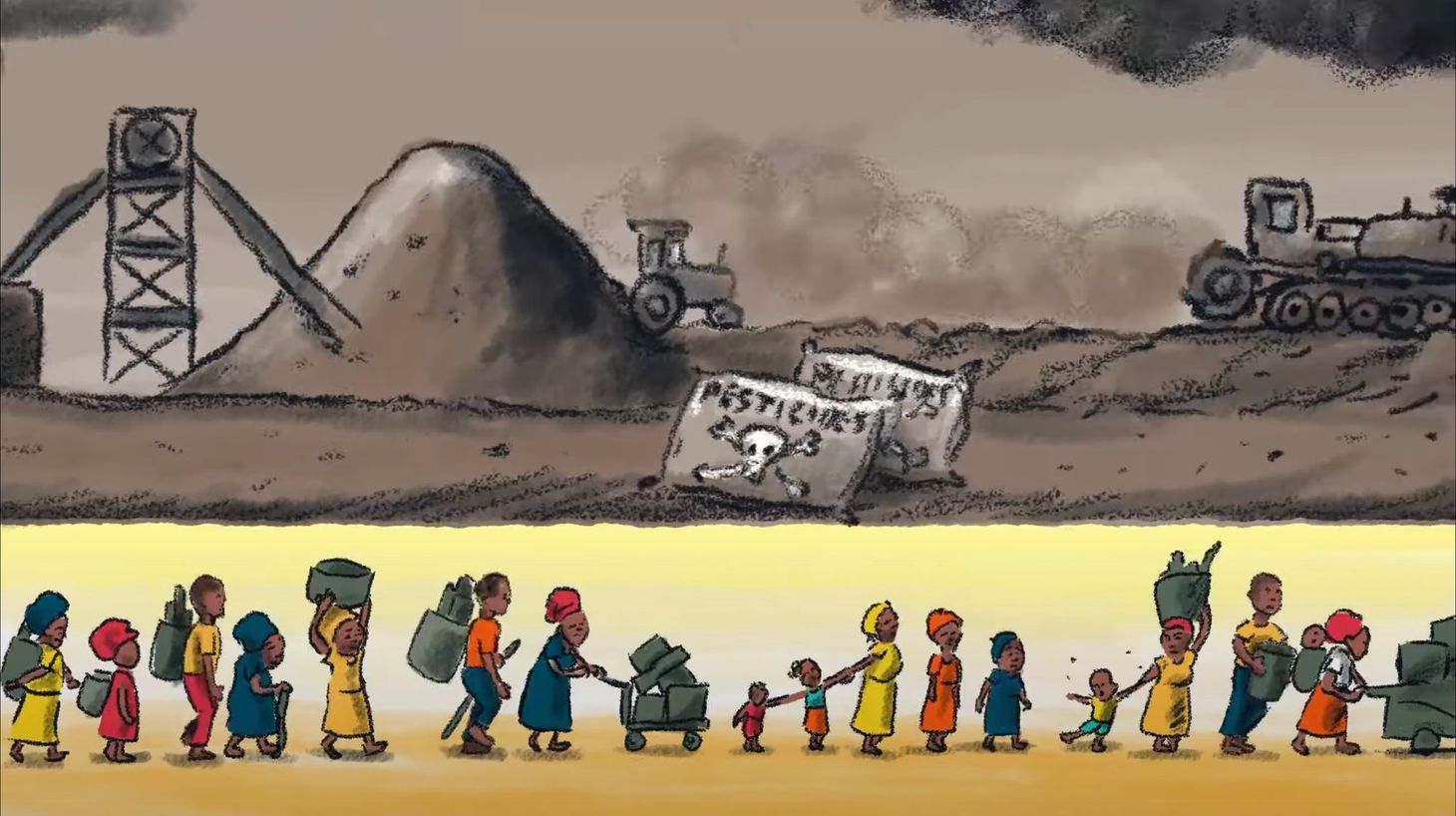
How do we end a world history course? I suspect more teachers think a lot about the start of their courses and less about the end. I know I had teachers in high school and college who just seemed to stop in random places. My favorite courses were when the teacher thought about bringing some closure to the course. Like a good novel, the ending of our courses matters.
Early in my teaching career, I consciously considered my courses as completing a circle for the students. I wanted to help the students see how the main themes introduced earlier in the course helped them to make sense of the world “today.” When I began teaching at Friends Seminary in New York City, today meant the events of 9/11. Ten years later, today meant Occupy Wall Street and the Occupy Movement. In the last few years, today meant the climate crisis.
Using sources from women around the world, we can help students see how industrialization, imperialism, globalization, and neoliberalism have contributed to the climate crisis and gross inequalities in the world today. By showing students how these multiple historical processes have shaped today’s world, we can also help students see the similarities between the multiple causes of historical events and the increasing emphasis on intersectionality in analyzing people’s identities.
How Most of the World’s Women Understand Neoliberalism
In last week’s post, I discussed the competing views of neoliberalism and the increasing interconnectedness of the global economy in the late twentieth century. Men wrote all the sources I included in that post, so I want to focus on how women in the Global South understood neoliberalism.
This content is for Paid Members
Unlock full access to Liberating Narratives and see the entire library of members-only content.
SubscribeAlready have an account? Log in