“To Marry Egypt to Liberty and Independence”: Teaching the Egyptian Revolution of 1919
Discussion of teaching the 1919 Egyptian Revolution

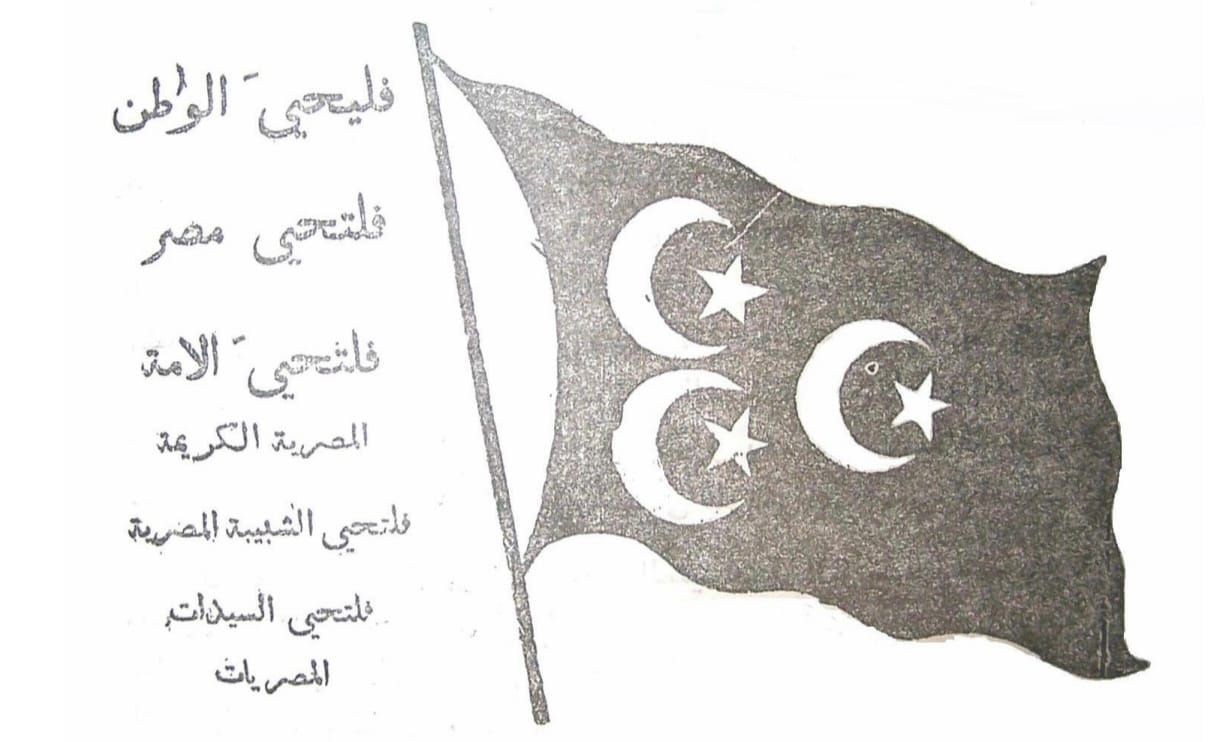
The 1919 Egyptian Revolution is one of that year’s most visually striking uprisings. Images of veiled Egyptian women protesting in the streets feature prominently when you read or watch almost anything about this revolution. Western newspapers frequently showed Egyptian women out in the streets. While women’s participation was essential to the revolution, was that the revolution’s defining feature?
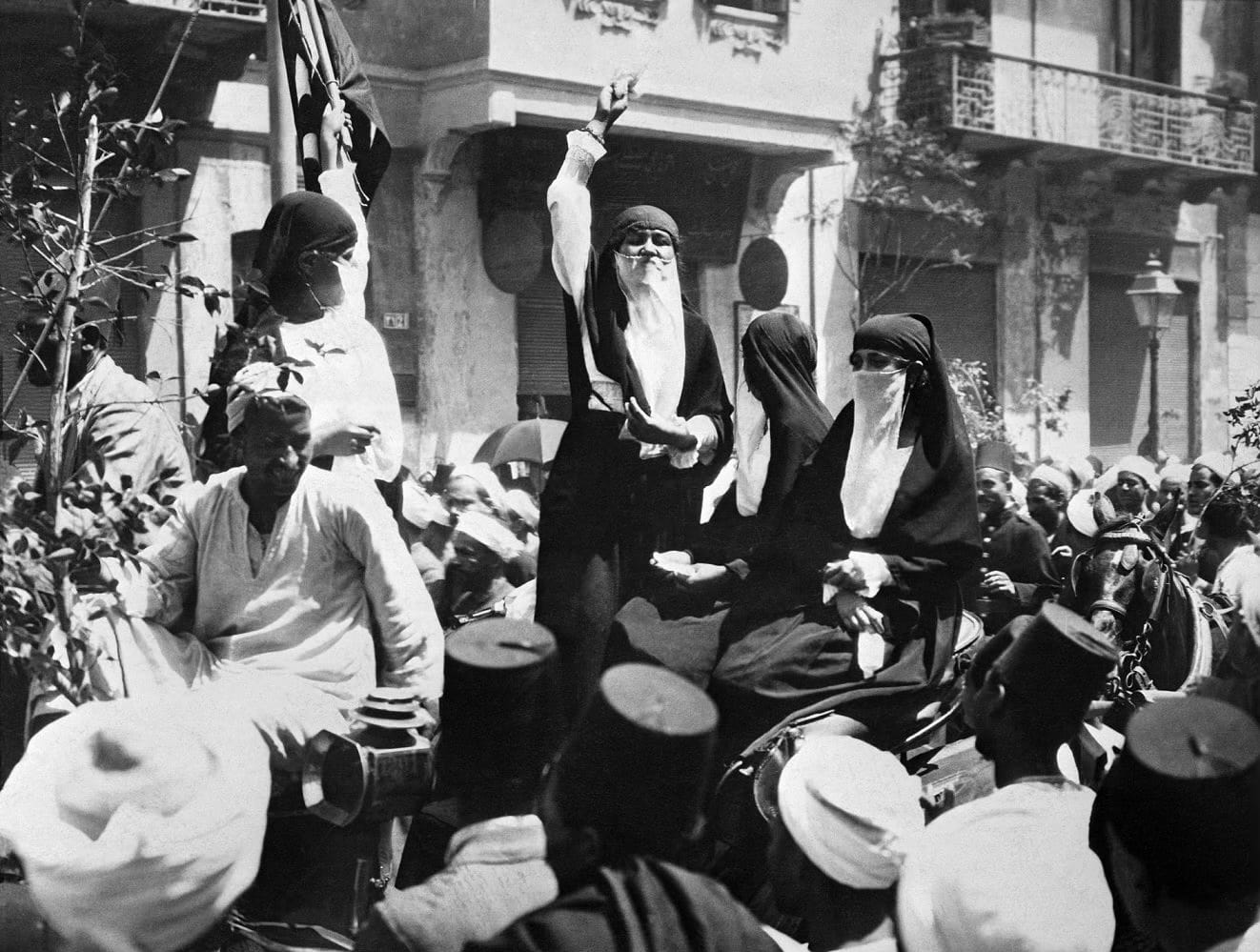
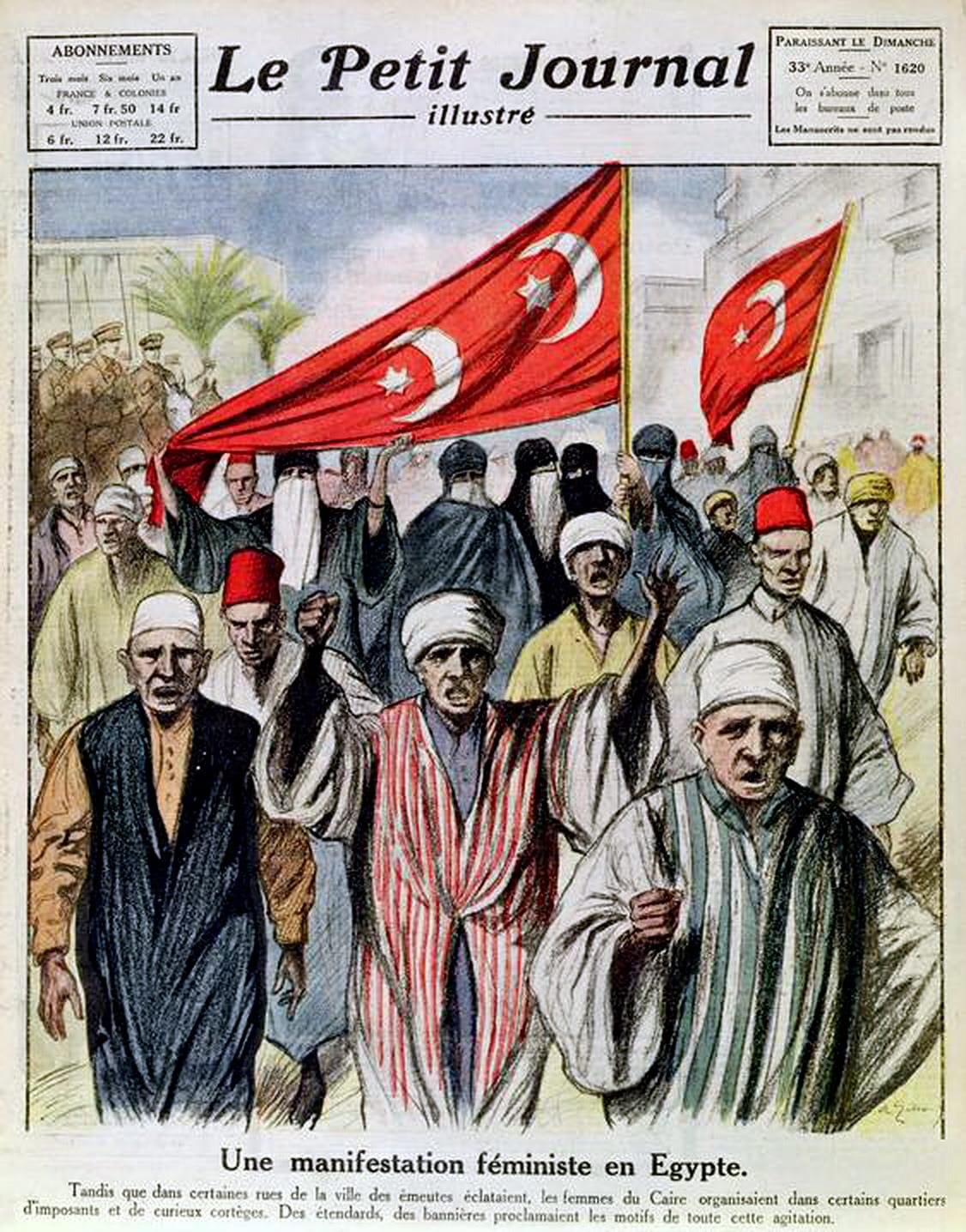
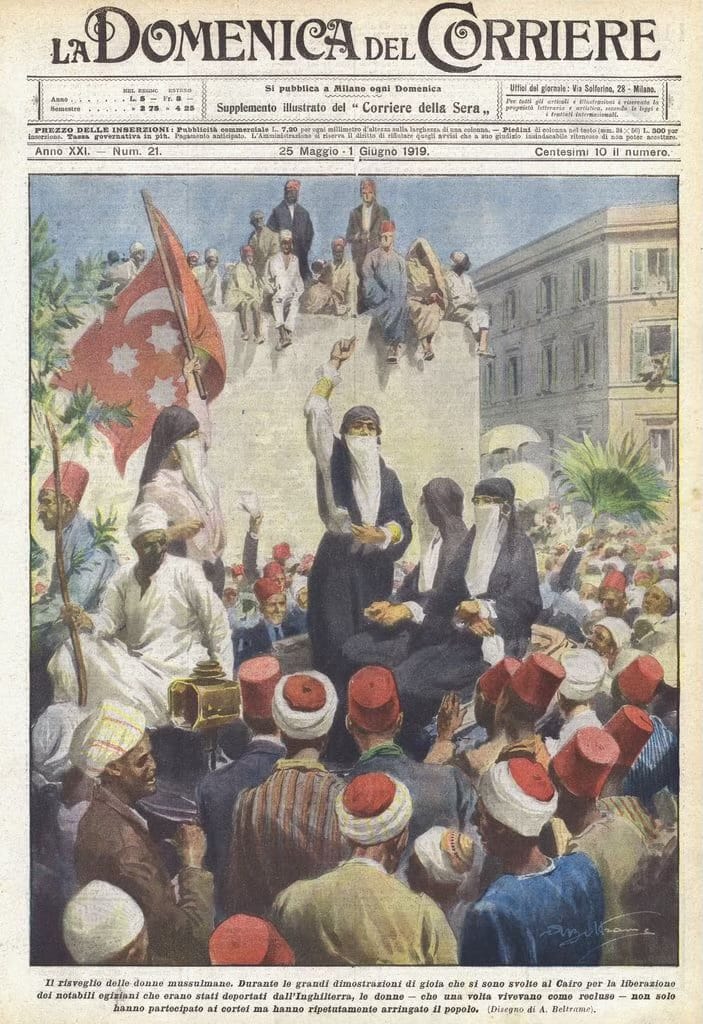
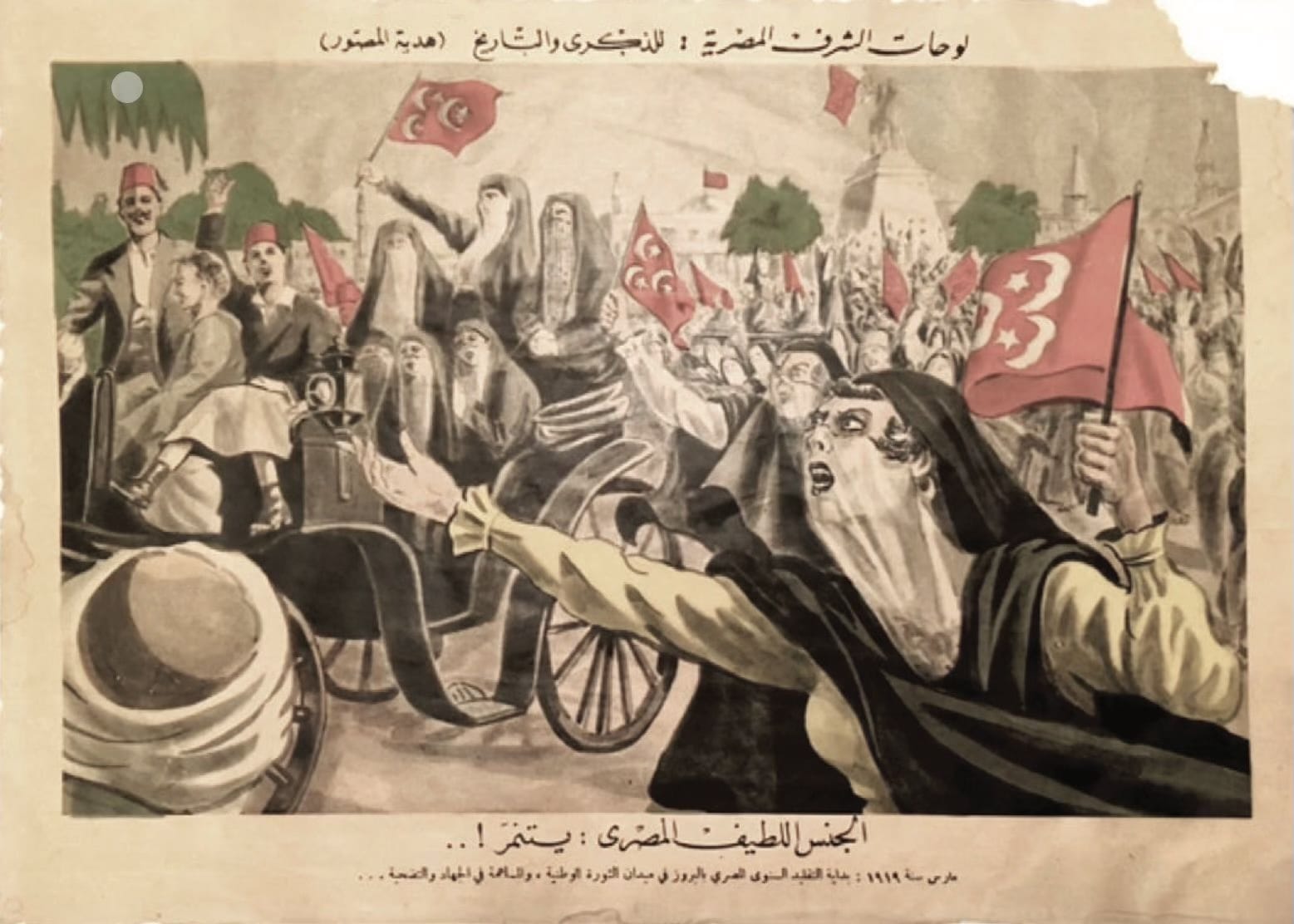
Top left: Veiled Cairene women speaking in public during the 1919 revolution. Source: Wikimedia Commons. Top right: Cover of the French newspaper Le Petit Journal with the headline “A female demonstration in Egypt.” Source: Alamy. Middle: Cover of the Italian weekly magazine La Domenica del Corriere. Source: Meister Drucke. Right: “Egypt’s Gentle Sex (Cries Out): Foward!” Source: Symbolism and Folk Imagery in Early Egyptian Political Caricatures: the Wafd Election Campaign, 1920–1923.
When we only highlight images of Egyptian women in the streets, we obscure the other radical aspects of the 1919 Egyptian. People from all economic and religious backgrounds took to the streets in March and April 1919 to demand Egypt’s participation in the Paris Peace and some form of Egyptian independence. These protests highlight Egypt’s political mobilization. The diversity of participants in these protests also reflects a more inclusive vision of the Egyptian nation.
Saad Zaghloul and the Standard Revolutionary Narrative
This content is for Paid Members
Unlock full access to Liberating Narratives and see the entire library of members-only content.
SubscribeAlready have an account? Log in