“We Were Not Free”: American and Japanese Imperialism, c.1860 - c.1940
A discussion of how to teach American and Japanese imperialism using sources from the Philippines and Korea.

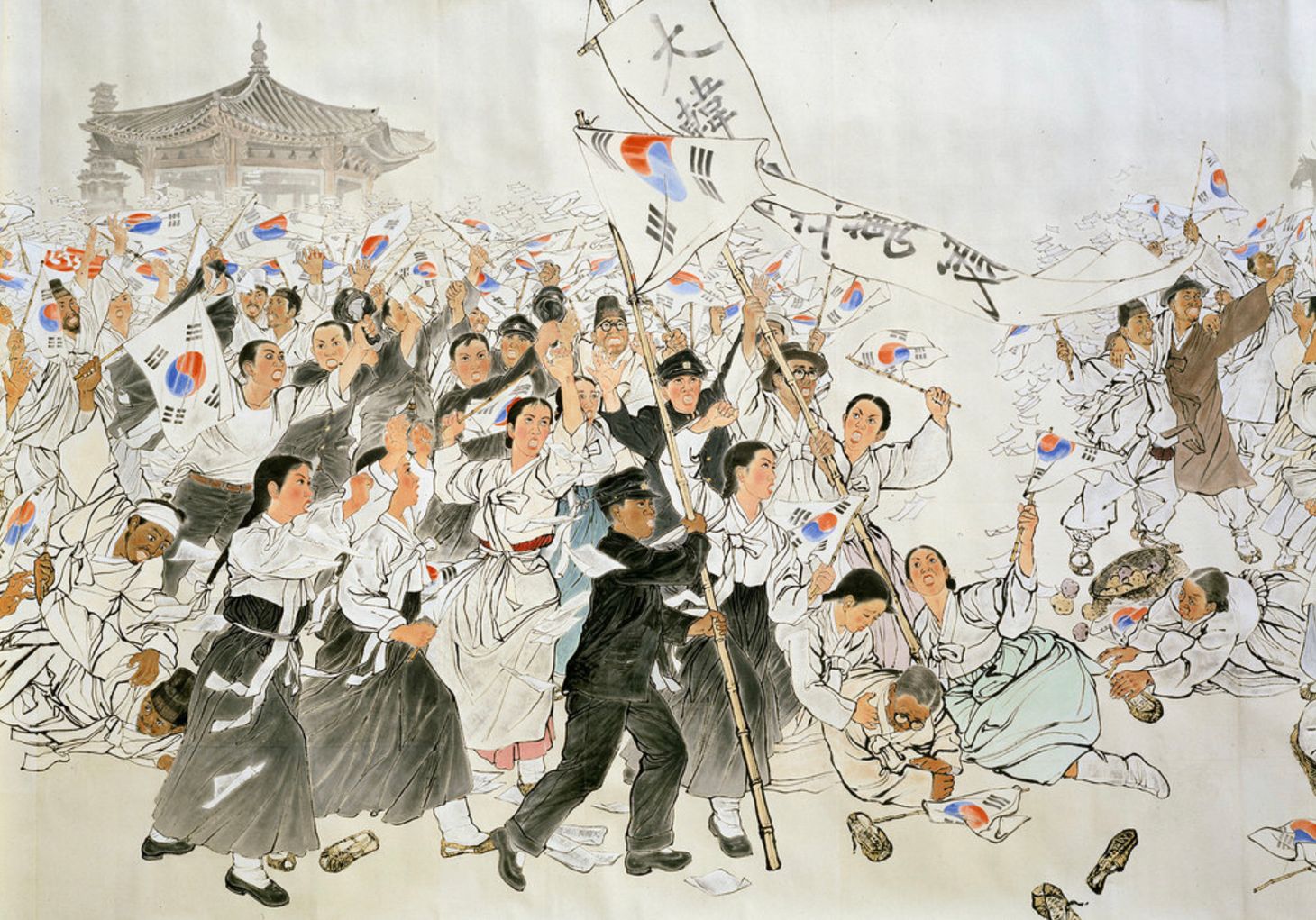
In this series of posts on New Imperialism, I have primarily focused on European imperialism in different parts of the world. In discussing imperialism in the Pacific, I briefly mentioned American and Japanese imperialism. For my last weekly post on imperialism, I’ll discuss American and Japanese imperialism in the era of New Imperialism. Despite both states being the victims of European imperialism, Japan and the United States acquired colonies in the late nineteenth and early twentieth centuries. Although they didn’t have as many colonies as European imperialists, the United States and Japan consciously presented themselves as imperial powers in the early twentieth century. We can also compare how colonized Filipinos and Koreans understood American and Japanese imperialism.
Becoming Imperialists
The histories of the United States and Japan share some surprising parallels related to imperialism. Before becoming imperialists, both states had recently experienced being under European imperial influence. The United States had been a British colony, and Europeans and Americans had forced unequal treaties on the Japanese. Both states also pursued similar paths to becoming imperial powers.
This content is for Paid Members
Unlock full access to Liberating Narratives and see the entire library of members-only content.
SubscribeAlready have an account? Log in