
“When I Came to Jerusalem”: Teaching the Social Changes of Industrialization using Nineteenth Century Jerusalem
Teaching the social effects of industrialization

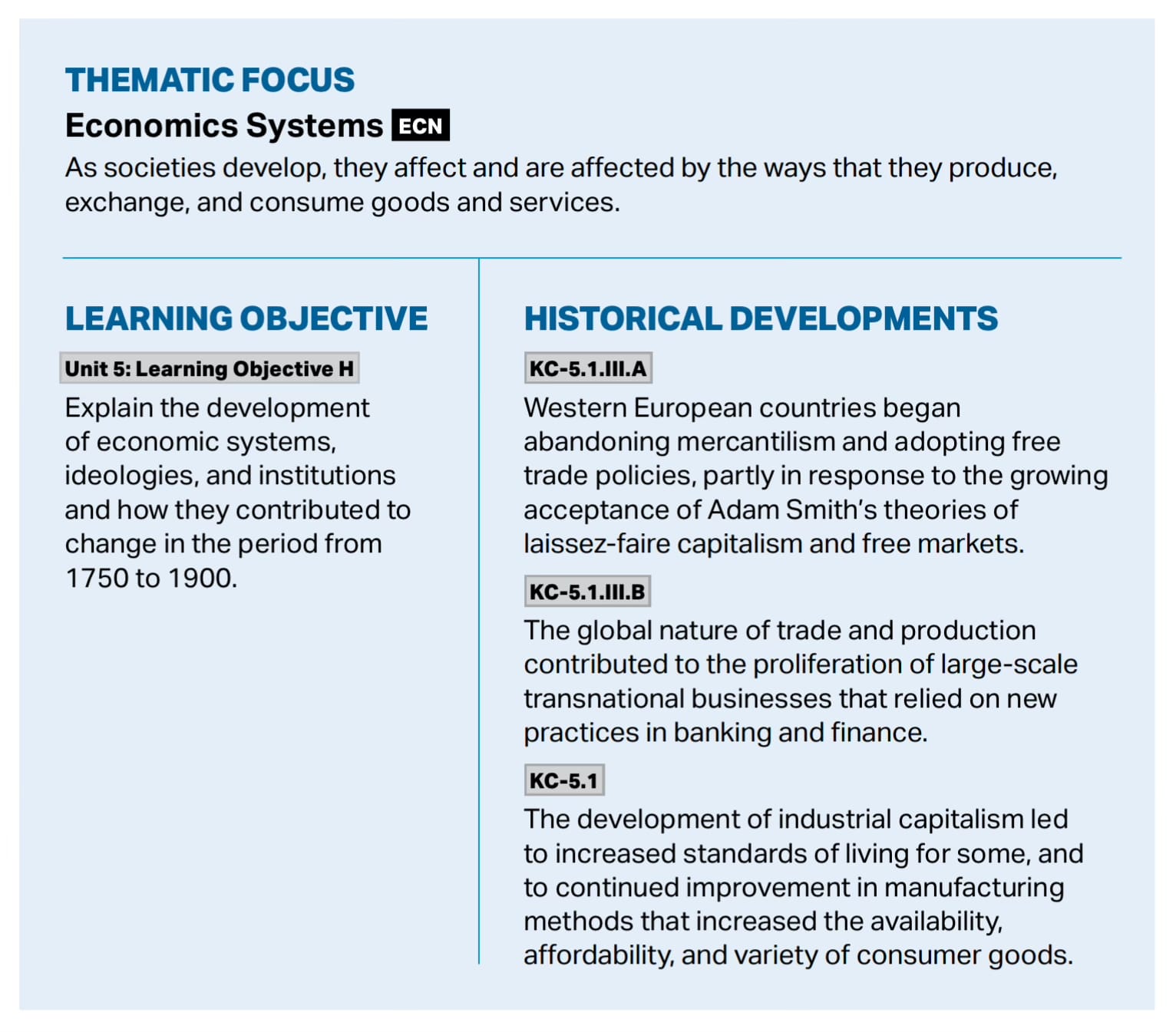
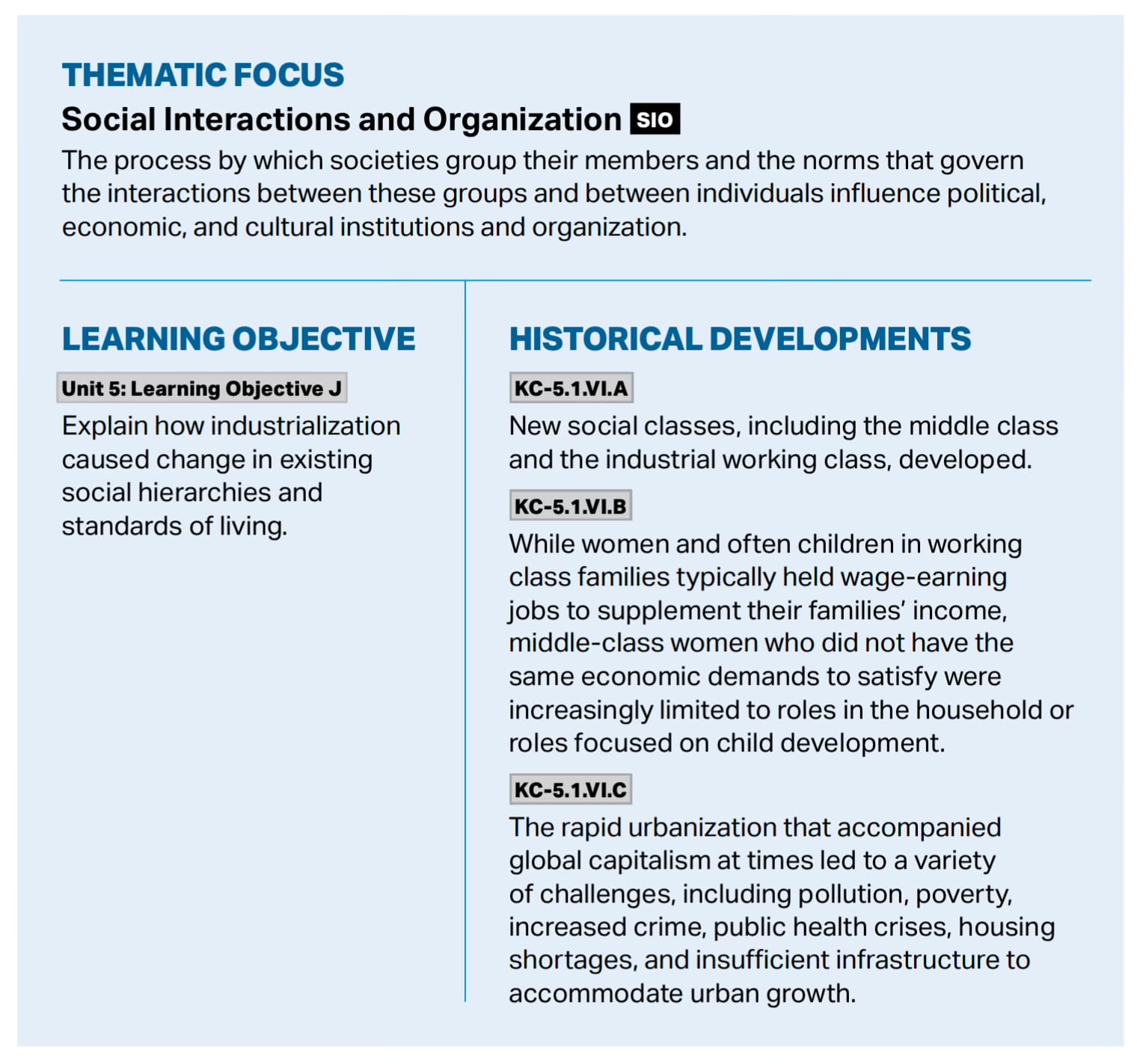
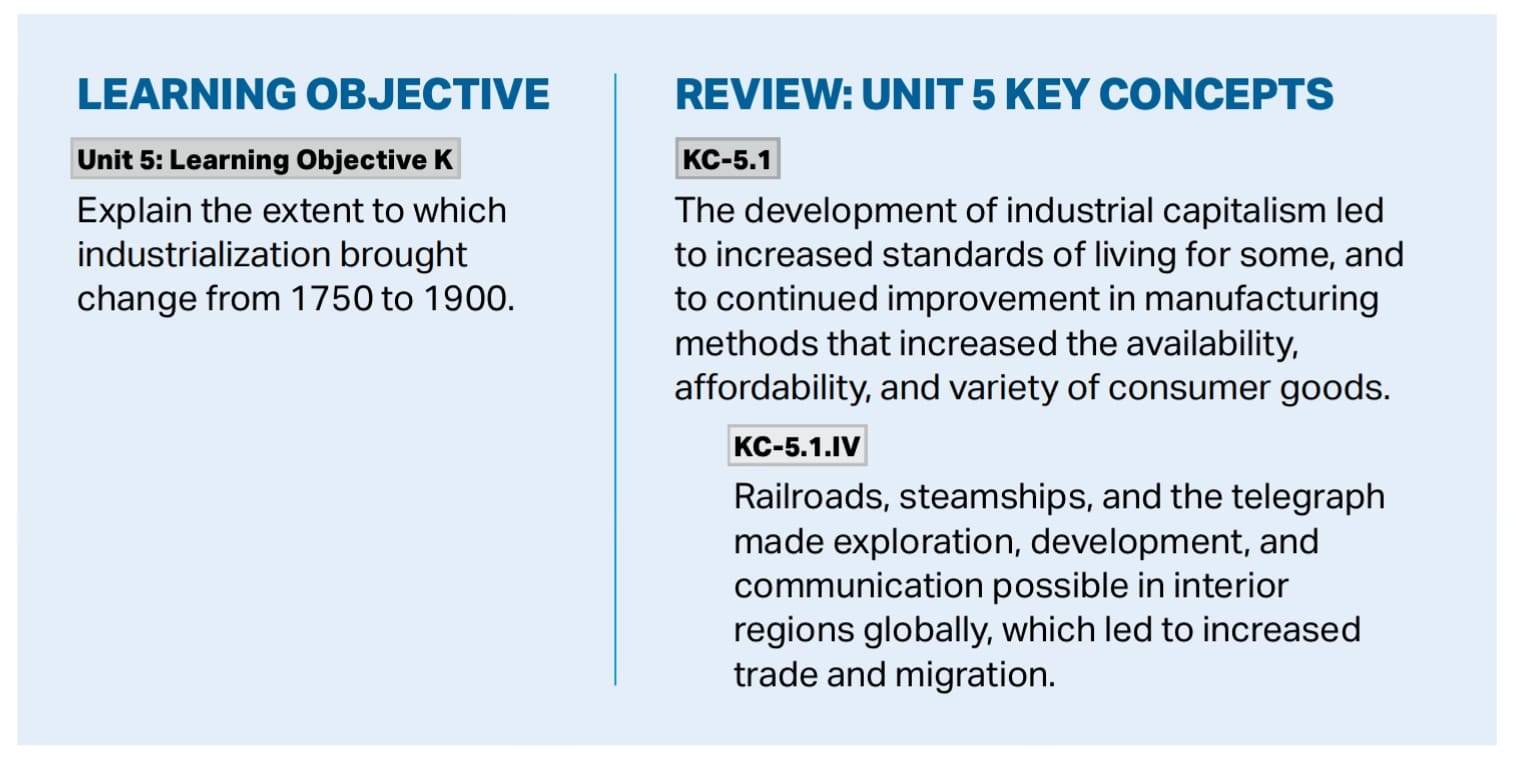
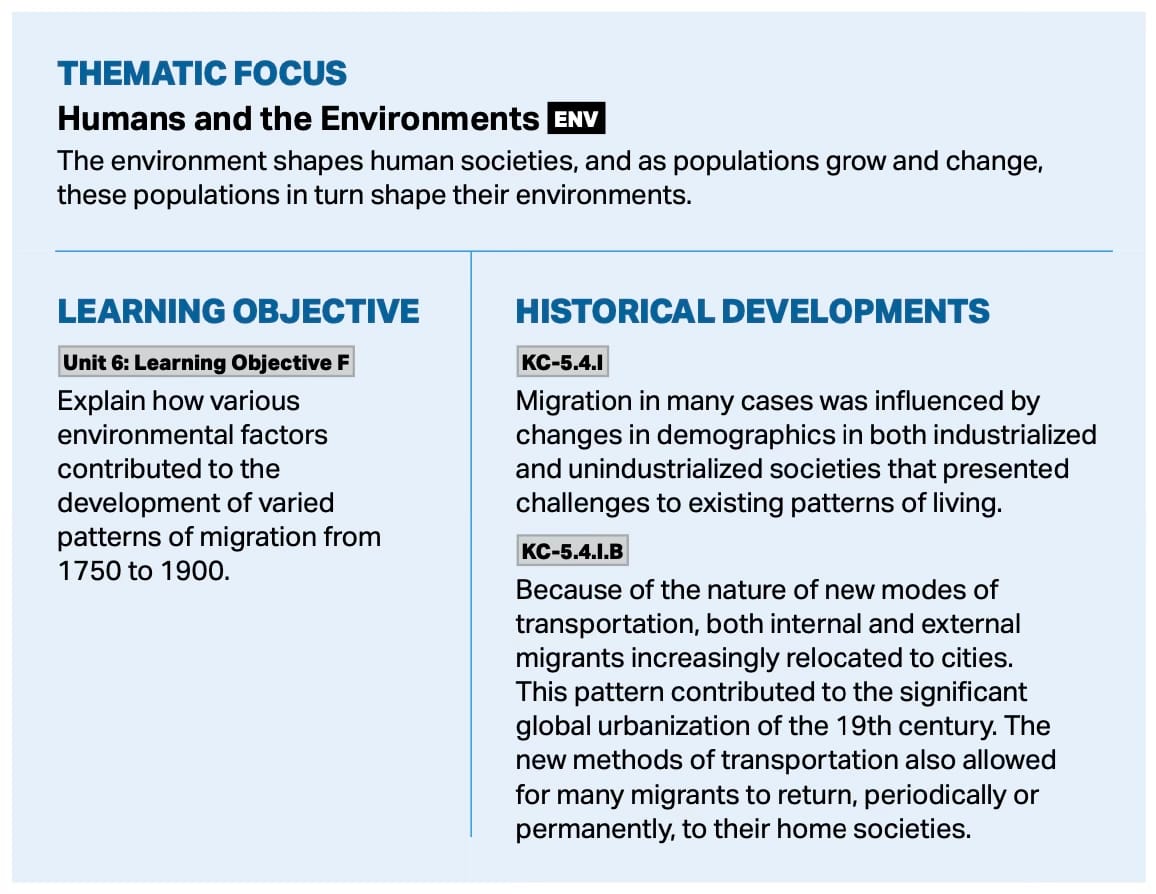
From pages 106, 108, 109, and 121 of the AP World History Course and Exam Description
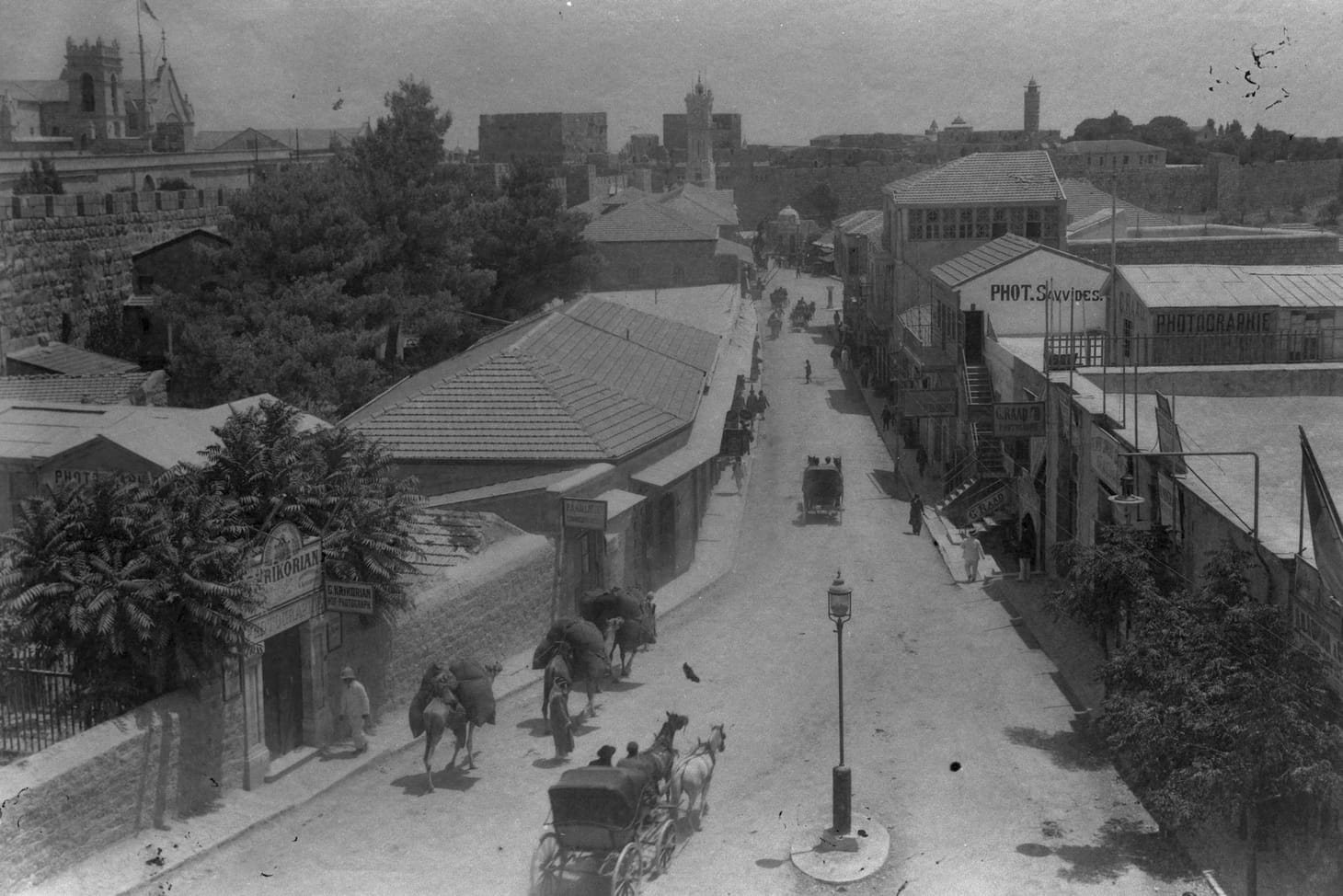
Nineteenth-century industrialization not only revolutionized the production of raw materials and goods but also completely transformed how people lived. When we teach about the social effects of industrialization (urbanization, the development of social classes, changing living standards, migration), we often start with Europe. Given the nature of illustrative examples and the structure of the AP World curriculum, there’s no reason we have to use European examples. What if we taught the social changes of industrialization using Ottoman Jerusalem?
The Source
This Content is for Subscribers on the Buy Me Lunch and Buy Me Dinner tiers
SubscribeAlready have an account? Log in

_%D7%A8%D7%97%D7%95%D7%91_%D7%99%D7%A4%D7%95_%D7%91%D7%99%D7%A8%D7%95%D7%A9%D7%9C%D7%99%D7%9D..jpg)