“A Growing Persistence among Workers in the Economic Struggle”: Two Competing Visions of Late Imperial Russian Industrialization
Two approaches to teaching Russian industrialization

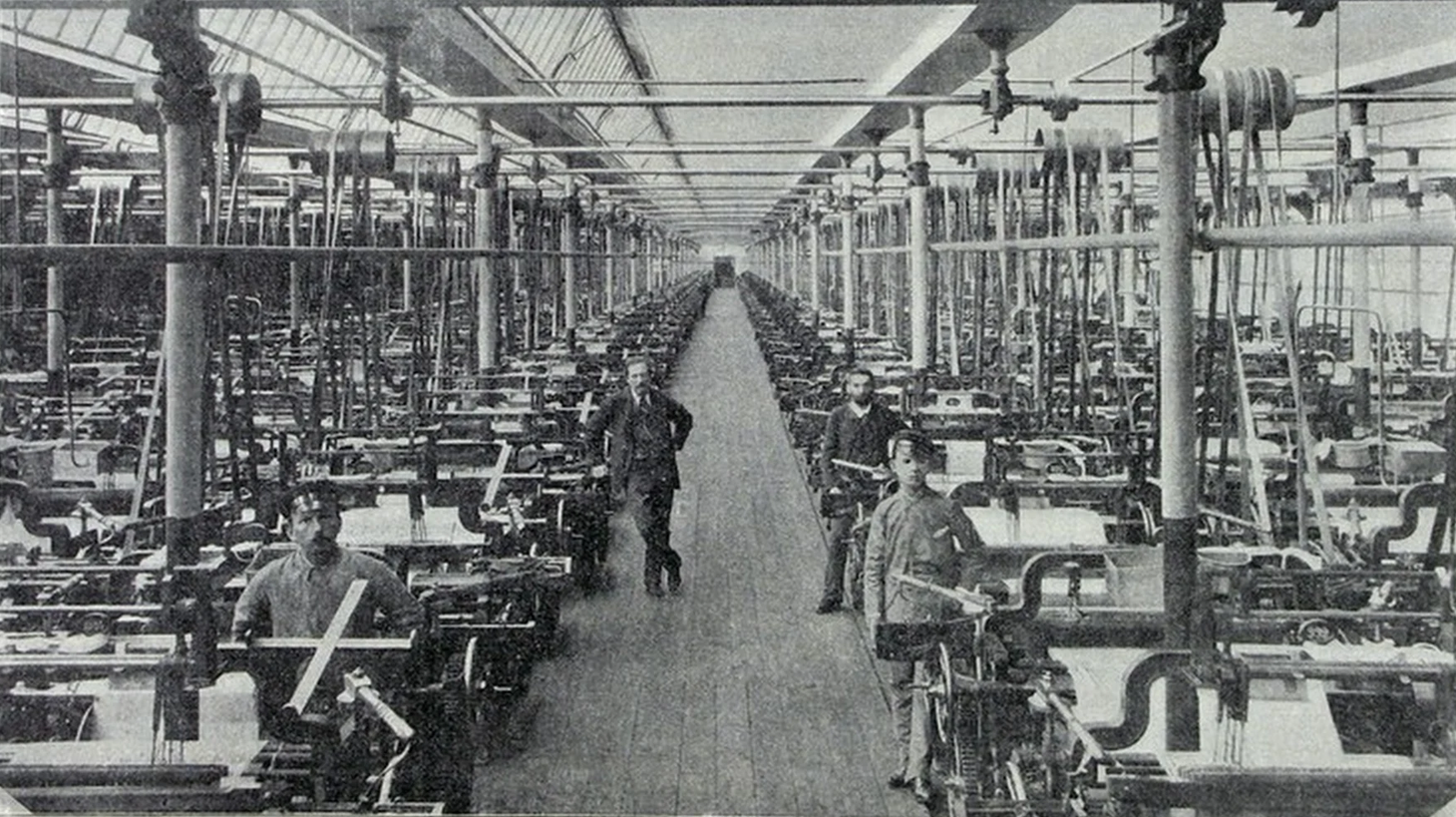
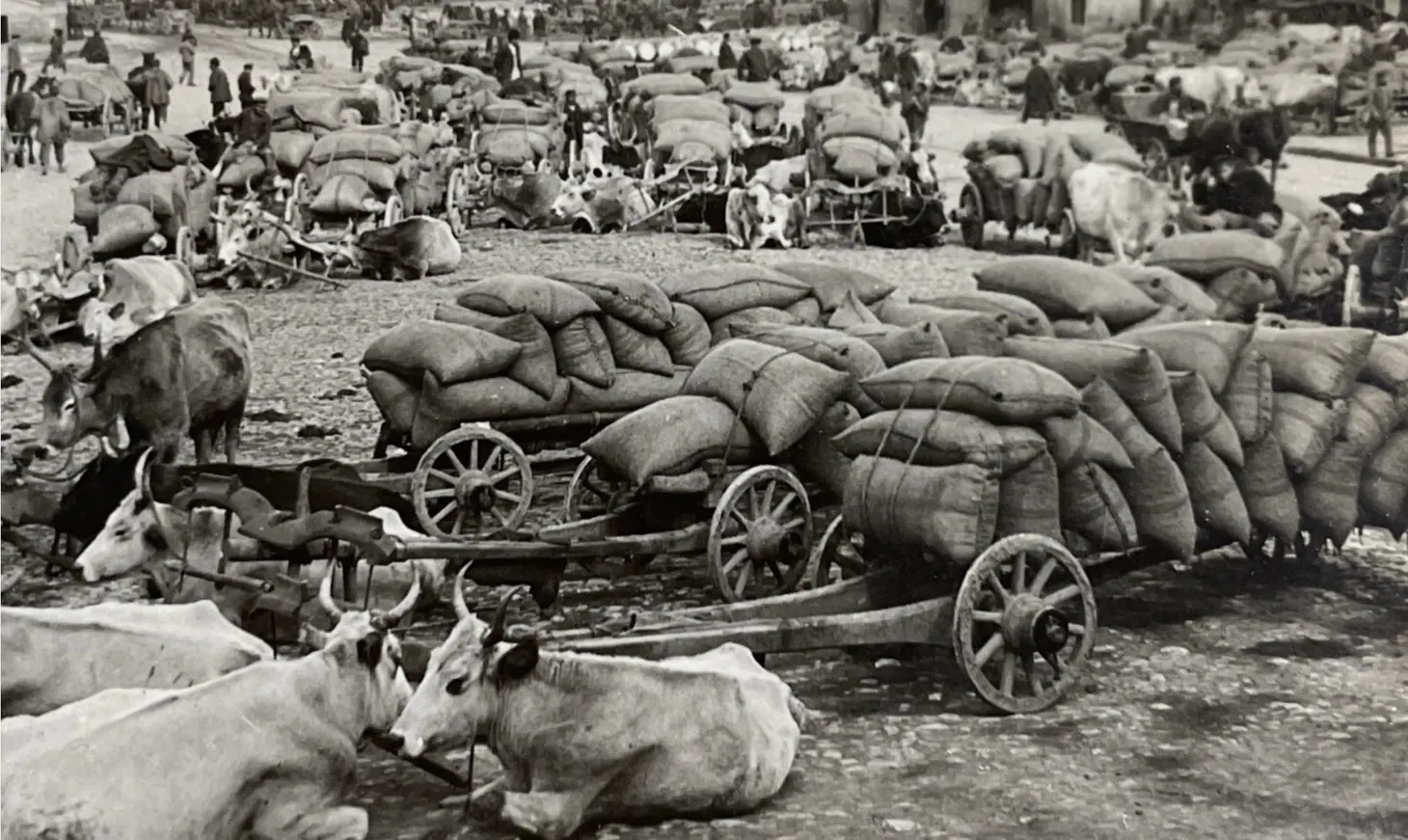
In my last post, I discussed the importance of late imperial Russia’s wheat trade and a more holistic approach to understanding nineteenth-century Russian economic transformations. While researching that post, I found an intriguing source about Russian industrialization in the decade before the First World War. Vladimir Kokovtsov was the Russian prime minister right before the war. After the Russian Revolution, he settled in Paris and published his memoirsin 1935. As seen in the excerpt below, he championed the economic changes in Russia. His praise shows one approach to sources about industrialization: focusing on overall economic growth. We can also have students learn about economic shifts from the perspective of people experiencing the change. When we focus on workers’ conditions, we get a different picture of late imperial Russia’s economy. Having students compare these different sources is an excellent approach to teaching industrialization.
Industrialization as Positive Growth
When business and political elites discussed industrialization in the nineteenth and early twentieth centuries, they often focused on how industrialization was connected to economic growth. By focusing on the big picture, elites can often present a more positive image of the economy. Having been forced to flee the Soviet Union after the 1917 revolutions, Vladimir Kokovstov wanted to show how things had been improving under his guidance:
This Content is for Subscribers on the Superstar Club and Buy Me Dinner tiers
SubscribeAlready have an account? Log in