“A Huge Contingent of Armed Africans”: Revisiting Enslaved African Resistance
Discussion of teaching the Malê Revolt

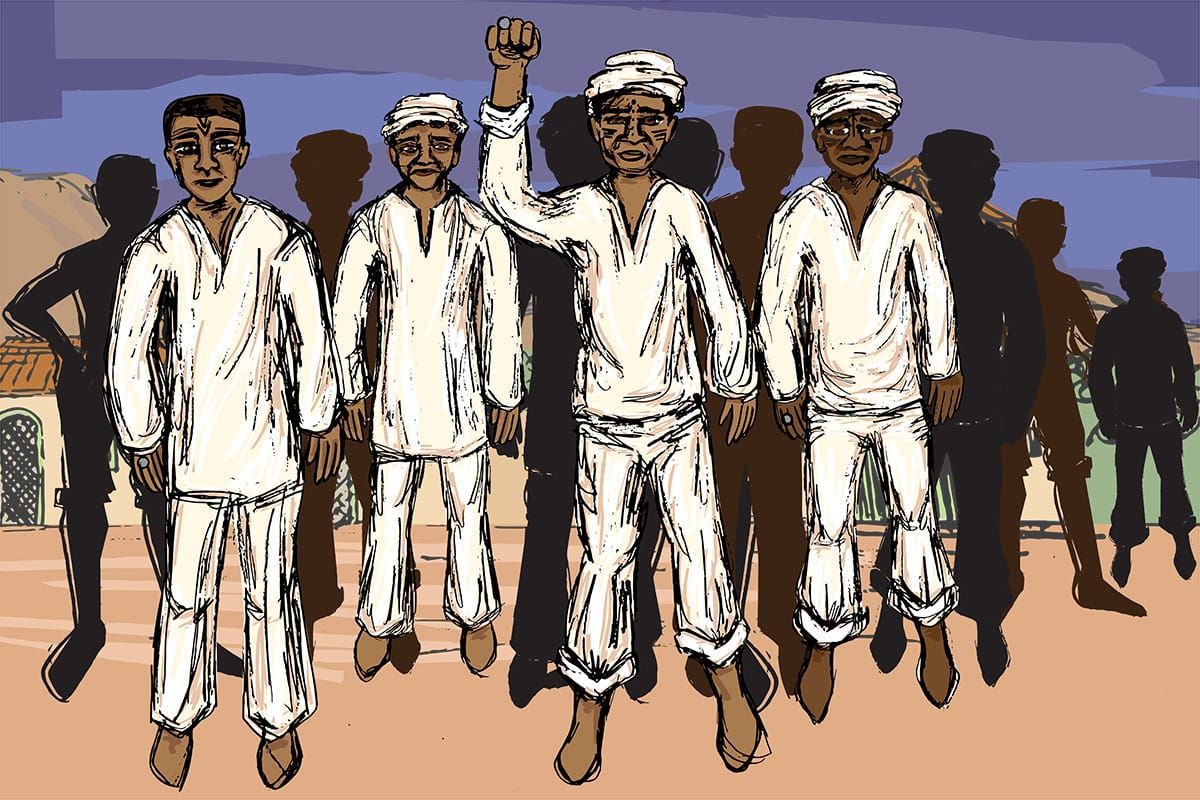
When I reflect on what I’ve written about the transatlantic slave system, my post on resistance is one I still regularly encourage teachers to read. Teachers should help students understand that enslaved Africans continually resisted enslavement. Enslaved Africans led hundreds of uprisings. Enslaved Africans regularly liberated themselves from where they were enslaved. And there were the millions of small, daily acts of resistance. When we center resistance in our teaching of the transatlantic slave system, students can more easily see enslaved Africans as having agency.
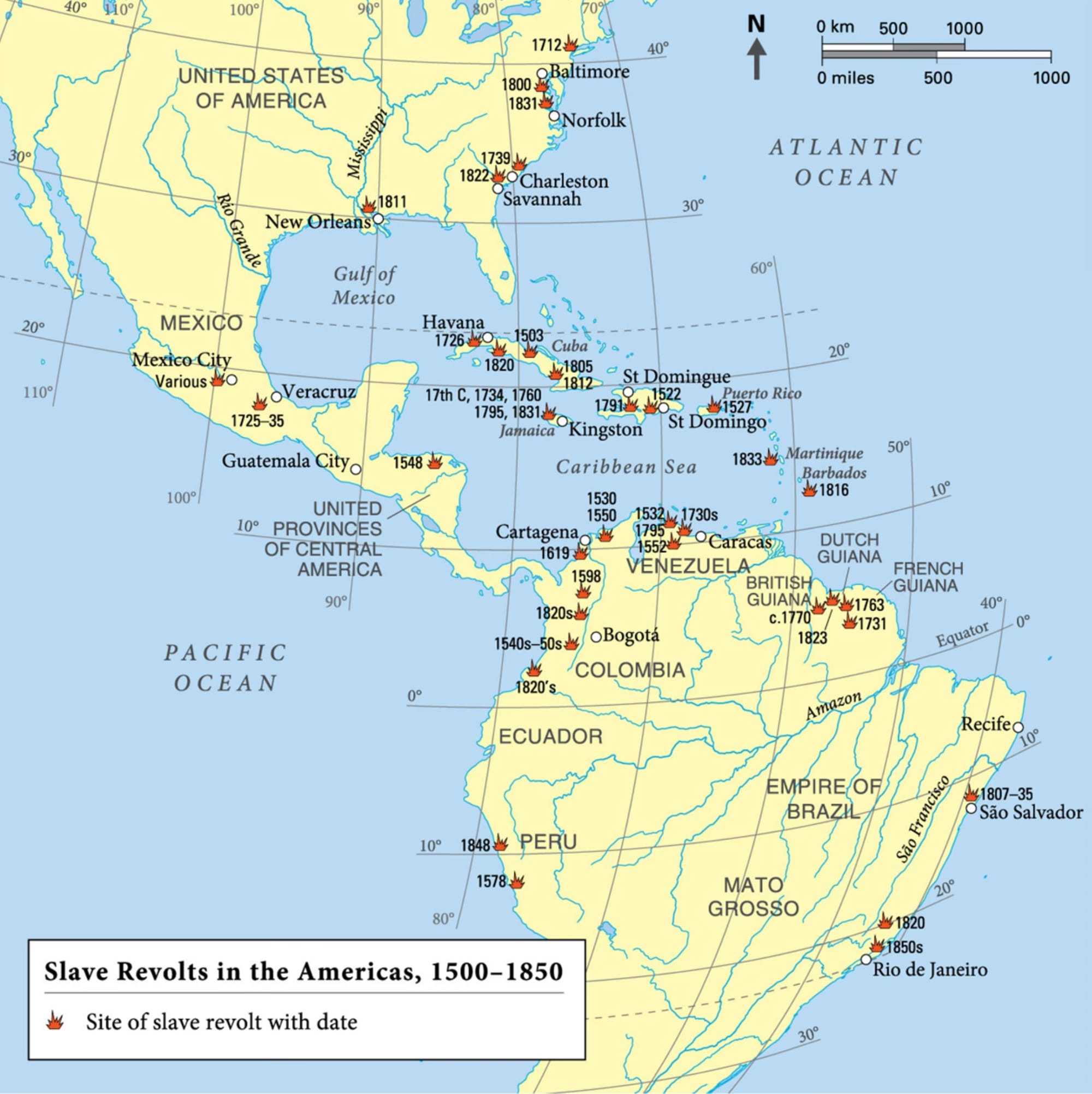
Despite still liking that post on resistance, the challenge for any writer is finding things to improve. Most of the post focused on examples from the North Atlantic. Although I discussed a small Brazilian rebellion in 1789, I didn’t mention the Malê Rebellion of 1835, the largest urban slave uprising in the Americas. Given my previous post on why we need to focus more on Brazil, I want to highlight how we can teach about this uprising.
Who Were the Malê?
This content is for Paid Members
Unlock full access to Liberating Narratives and see the entire library of members-only content.
SubscribeAlready have an account? Log in