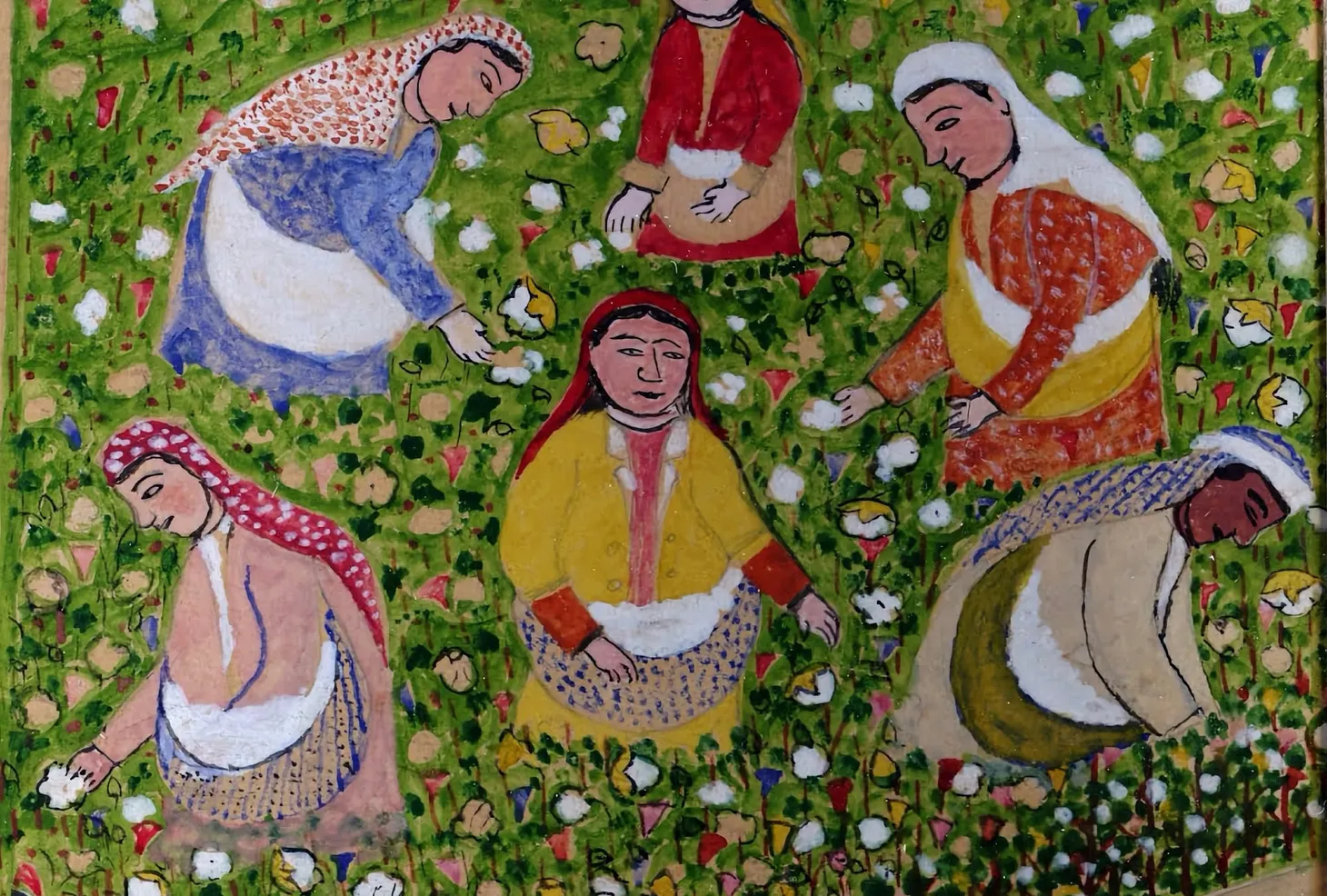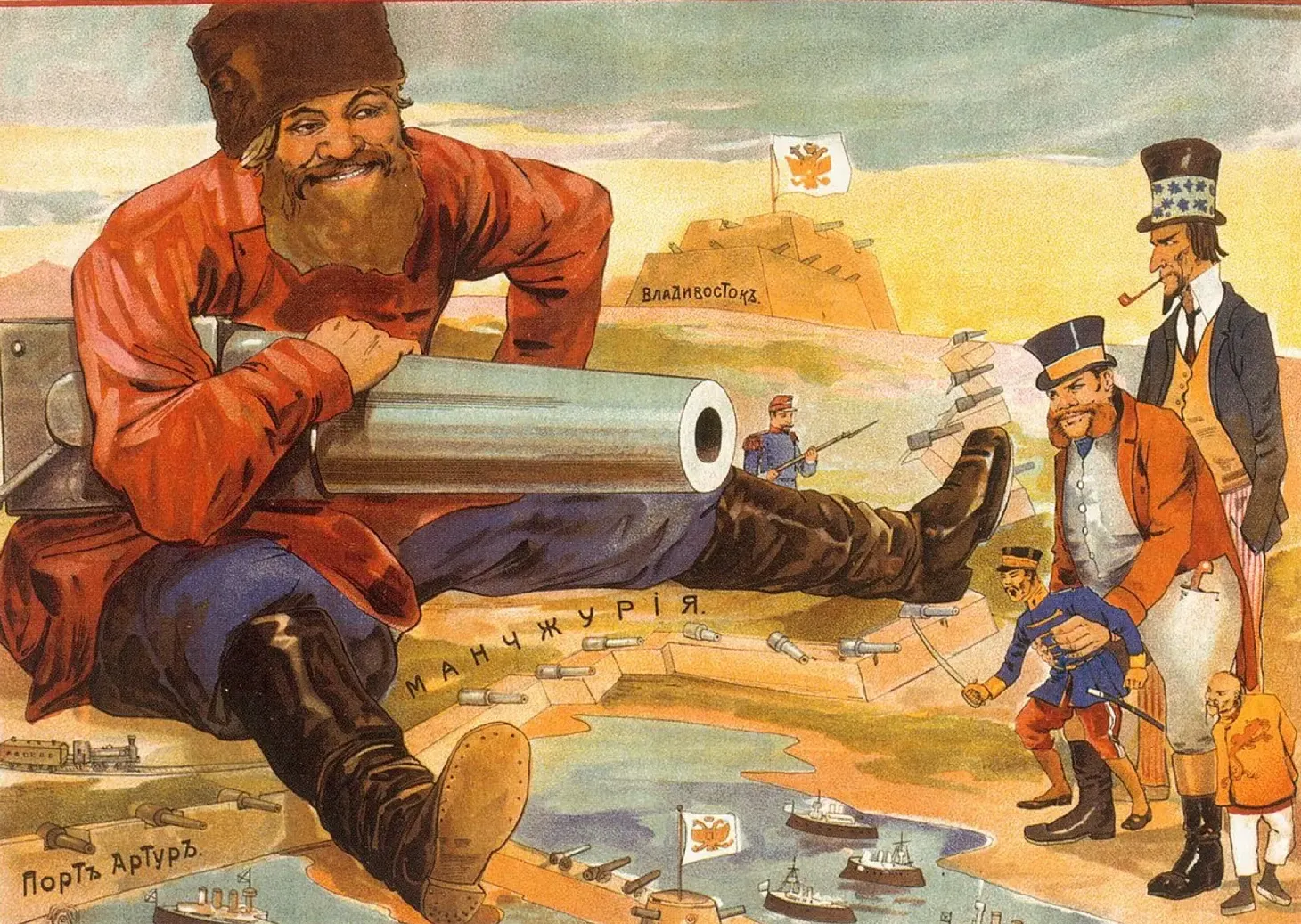
“Do not Mention the Word Surrender”: New Imperialism and the Persistence of Resistance in French Indochina
Cambodians and Vietnamese repeatedly challenged French imperialism

Last month, Zohran Mamdani, the Mayor of New York, delivered a powerful Saint Patrick’s Day speech. Having lived in Boston and New York City for much of my life, I was familiar with public officials’ remarks on Saint Patrick’s Day. They often focused on the Great Famine in the mid-nineteenth century and the hardships that Irish immigrants endured when they arrived in the United States. Mamdani mentioned these events, but he also focused on the legacy of Irish resistance to imperialism, specific individuals who resisted, and how the Irish regularly found ways to express solidarity with other oppressed peoples. It was an important speech for history teachers because it reminds us that we have choices about how we choose to remember and teach imperialism. We want to discuss the brutality of European imperialism, but we also want to tell other stories.
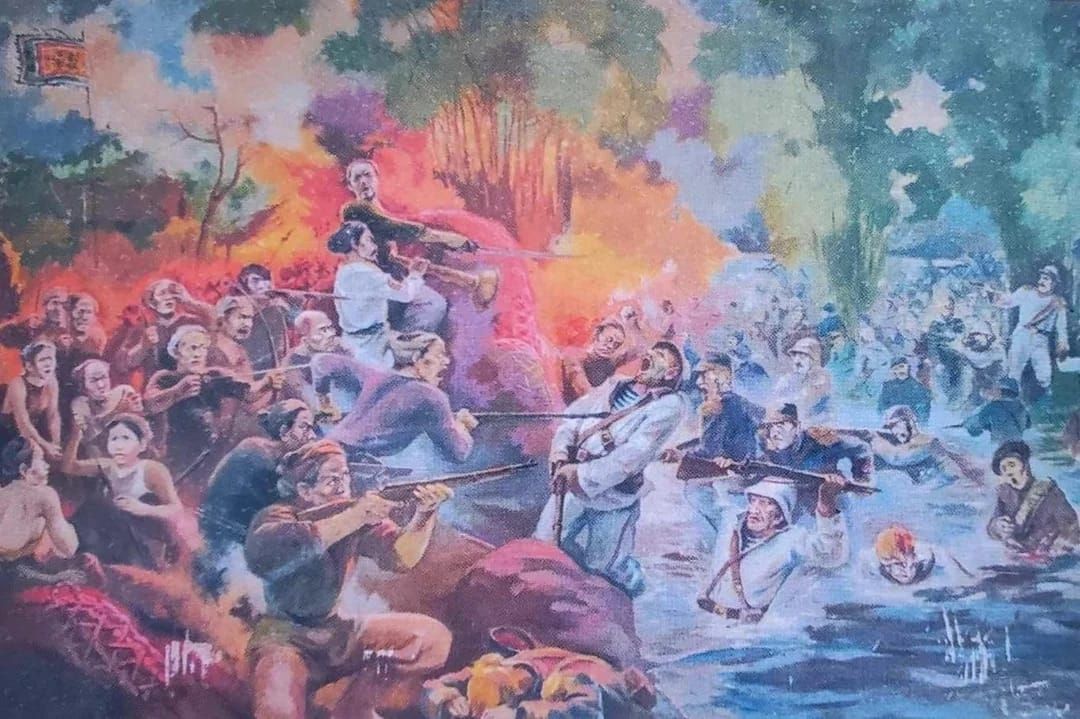
I’ve written previously about the importance of teaching the persistence of resistance to New Imperialism. Indigenous peoples across Africa, Asia, and the Pacific regularly resisted Western efforts to colonize. We often claim Europeans “conquered” extensive territories, but how accurate is that claim when the people who were supposedly conquered continue to resist year after year? The difficulty with reframing this topic is that we often rely on Western sources that emphasize their conquests and minimize African, Asian, and Pacific Islander resistance. We need to include different sources to help students see the patterns of resistance.
Mapping Resistance Across the Colonized World
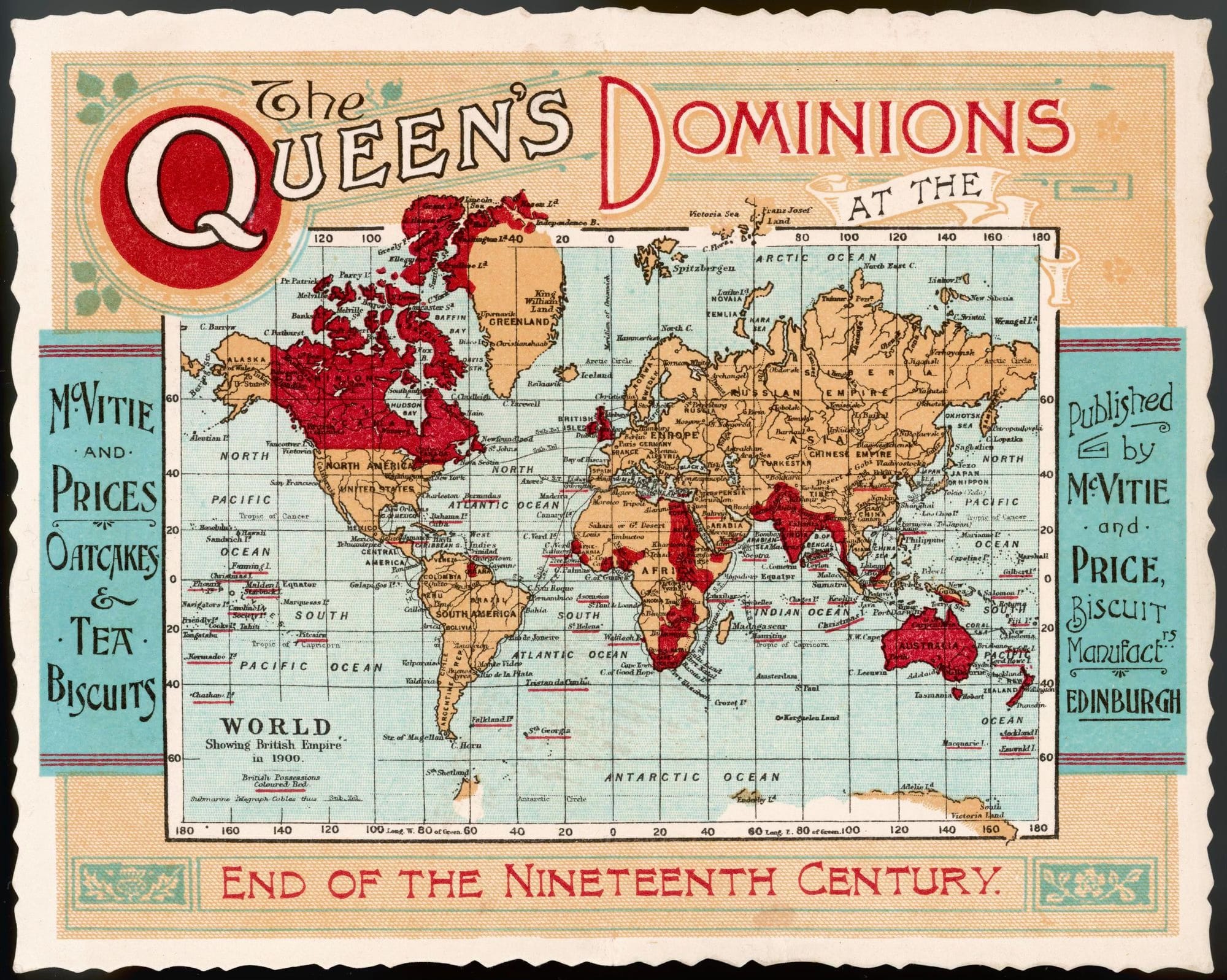
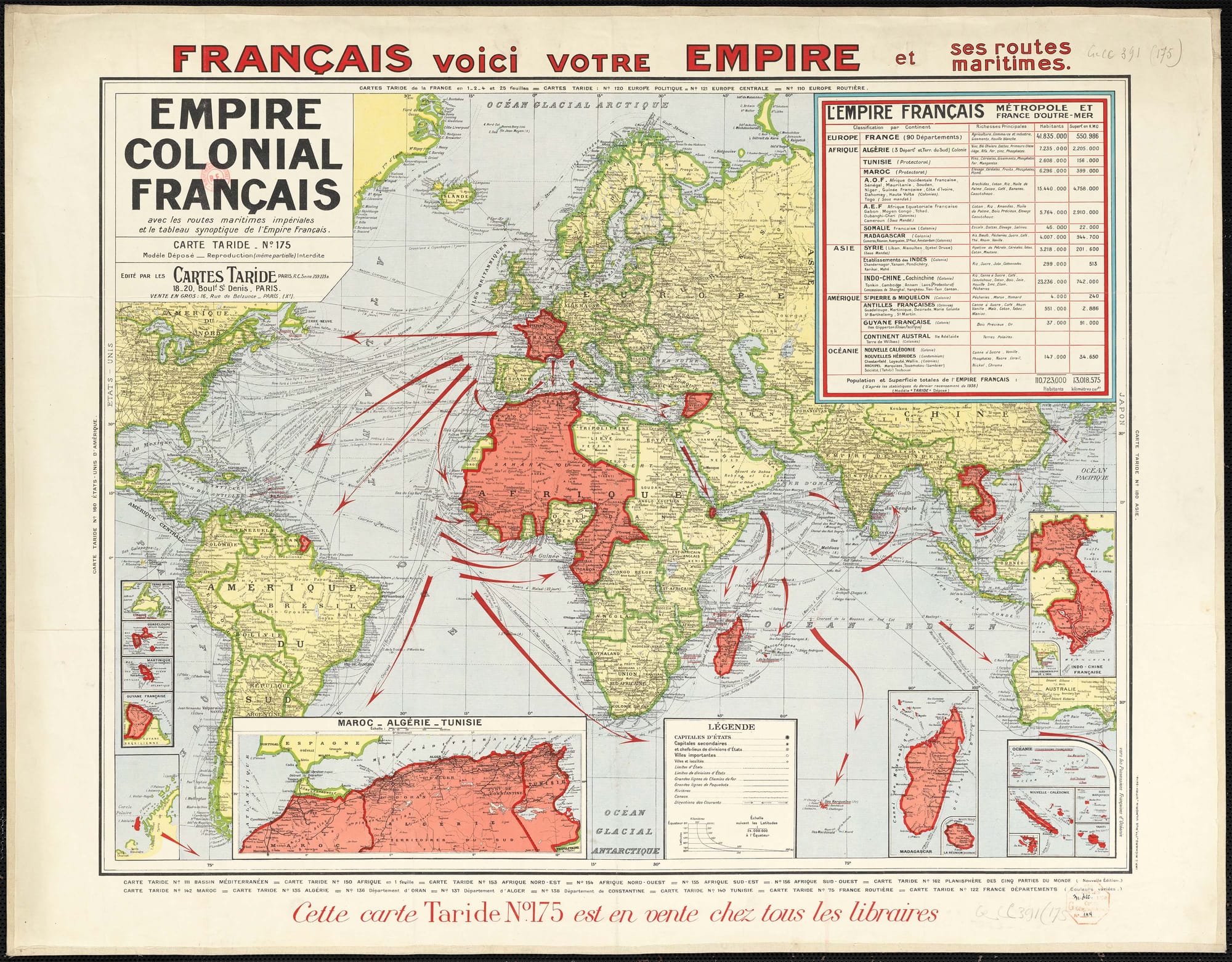
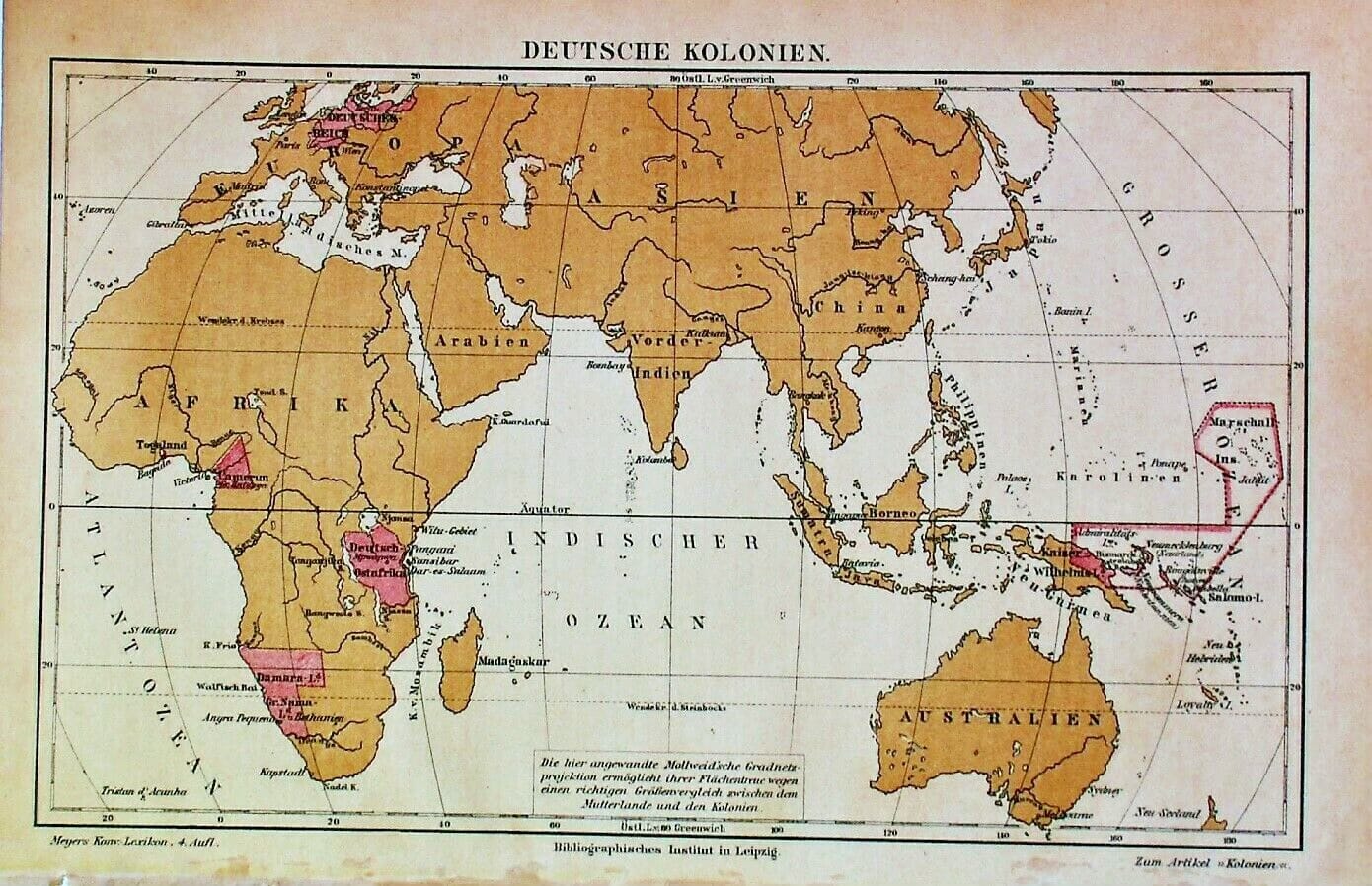
Left: British Empire in 1898. Source: Alamy. Middle: Frenchmen, this is your empire (1938). Source: Milhaud Maps. Right: German Colonies in 1896. Source: Ebay
This content is for Paid Members
Unlock full access to Liberating Narratives and see the entire library of members-only content.
SubscribeAlready have an account? Log in