“Chinese Came In Droves”: The Indian Ocean Exchange Network in the Seventeenth and Eighteenth Centuries
A discussion of teaching the Indian Ocean exchange network in the seventeenth and eighteenth centuries.

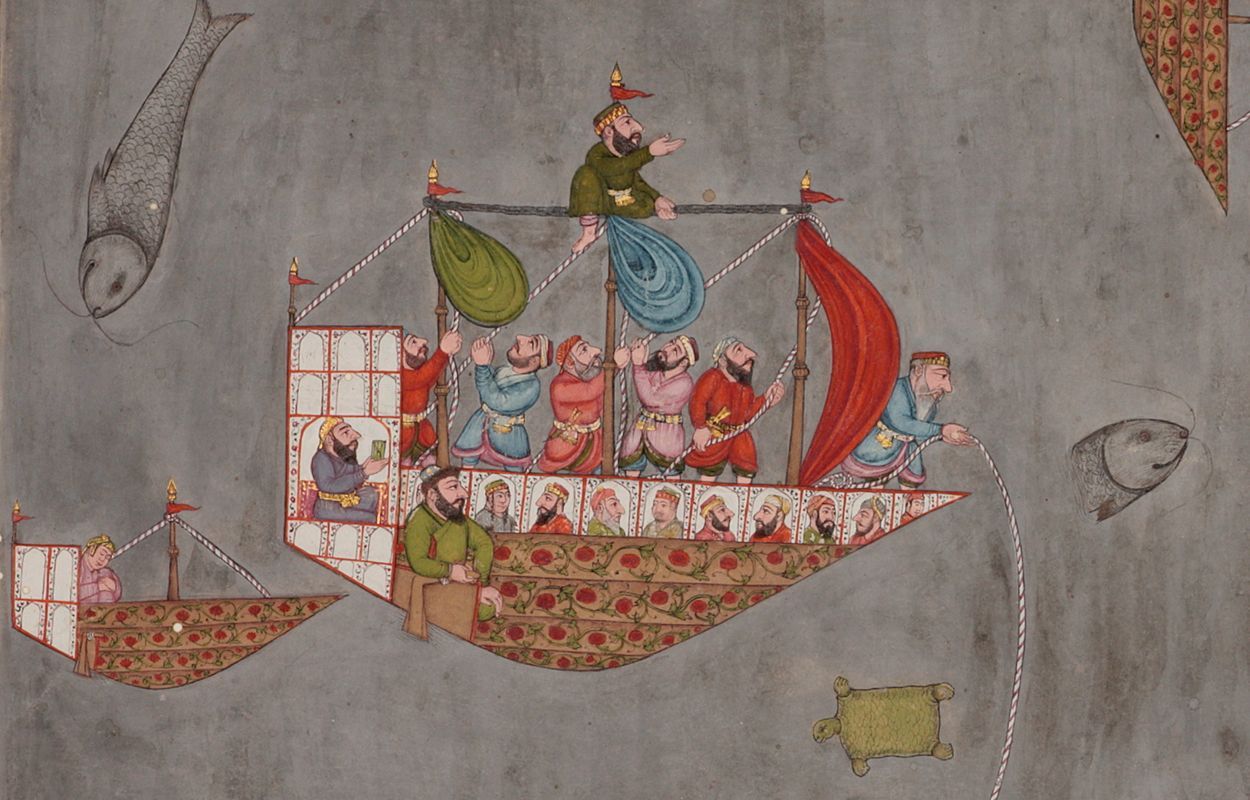
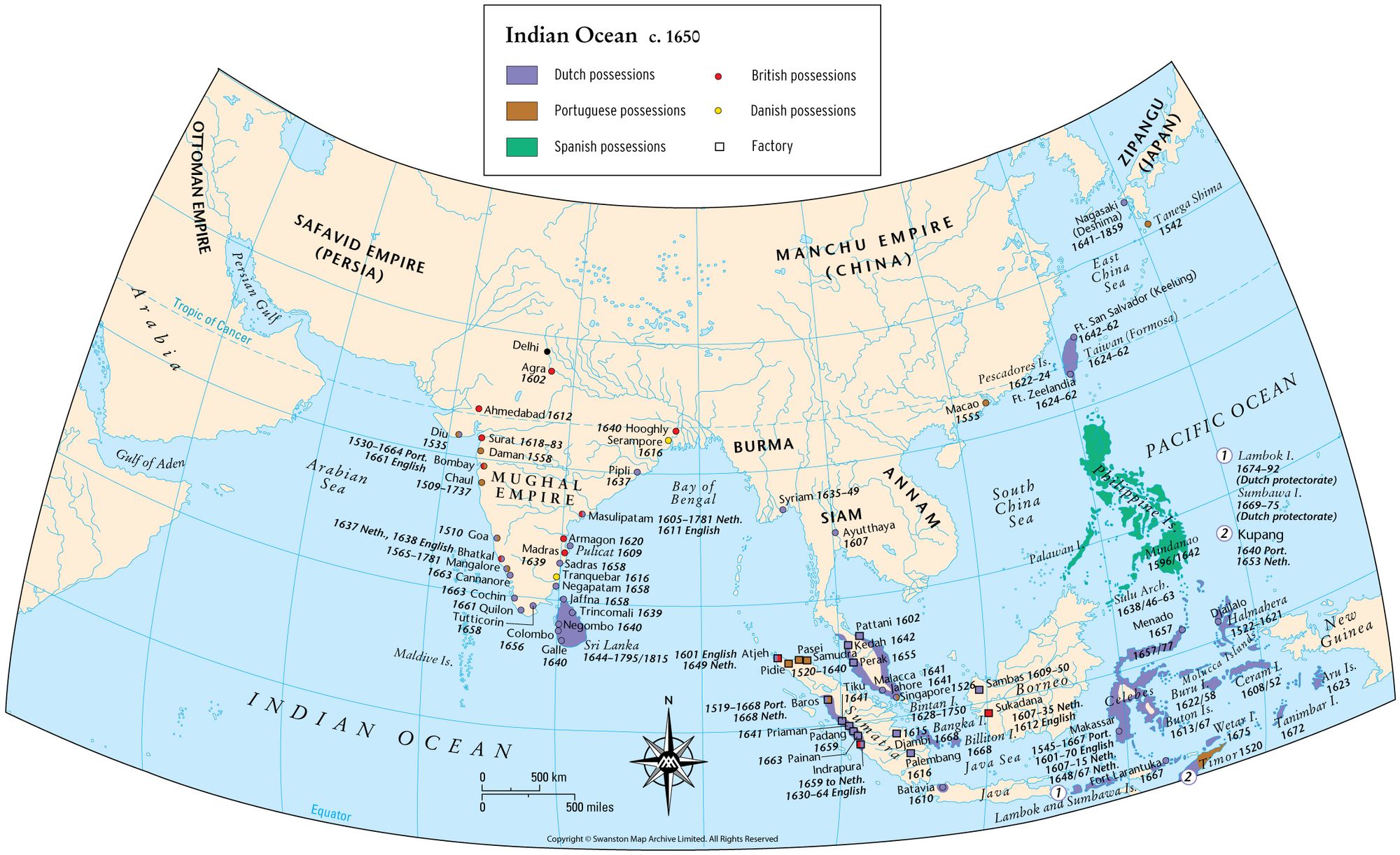
In my previous post, I discussed the limited effects of the Portuguese arrival in the Indian Ocean in the sixteenth century and the many continuities in the exchange network. During the seventeenth century, more Europeans, including the Dutch, the English, and the French, arrived in the Indian Ocean. Like the Portuguese before them, these new participants in the Indian Ocean exchange network came with ideas about bending Indian Ocean trade to their will. And like the Portuguese, the Dutch, the English (later the British), and the French spent the seventeenth and most of the eighteenth centuries adapting to the Indian Ocean.
There were some notable ways in which the Dutch affected the Southeast Asian spice trade, but that was the exception more than the rule. Focusing on Chinese communities in the eastern half of the Indian Ocean, the popularity of Islam, and the reach of Muslim states, we can see the many continuities in the Indian Ocean world in the seventeenth and eighteenth centuries compared to previous centuries.
The Arrival of the English and the Dutch
This content is for Paid Members
Unlock full access to Liberating Narratives and see the entire library of members-only content.
SubscribeAlready have an account? Log in