“Despierta, borinqueño”: Teaching Early Puerto Rican Nationalism
Teaching Puerto Rican nationalism

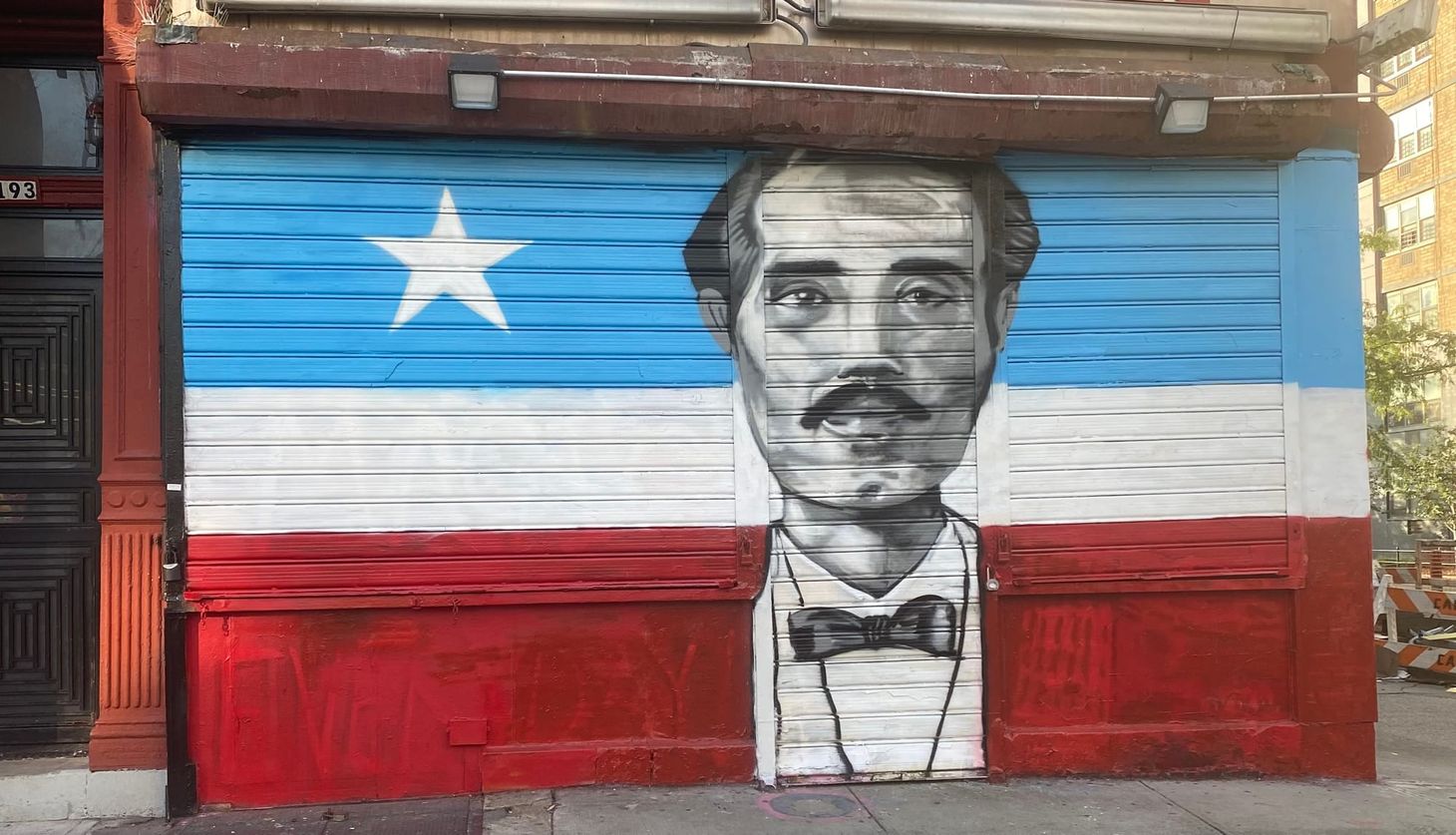
For almost twenty years, I lived in Loisaida in New York City. You won’t find it in any listing of the official neighborhoods in Manhattan, but it’s the Puerto Rican name for the Lower East Side/East Village. I lived across the street from Pedro Albizu Campos Plaza. The Nuyorican Poets Cafe was a few blocks away. I regularly walked by streets and shops that taught me about Puerto Rican history. In 2020, I walked outside my building and saw the excellent mural of Campos that is the banner for this post.
When we’re thinking about examples of nineteenth-century nationalism, Puerto Rico is not often the first one that comes to mind for many American teachers. But during the century, Puerto Ricans (borinqueños) developed a strong sense of being a distinct nation.
The Source
This Content is for Subscribers on the Superstar Club and Buy Me Dinner tiers
SubscribeAlready have an account? Log in