
“Seven Snowfalls Until the Spring”: The Little Ice Age and Tokugawa Japan
Discussion of teaching the Little Ice Age in Japan

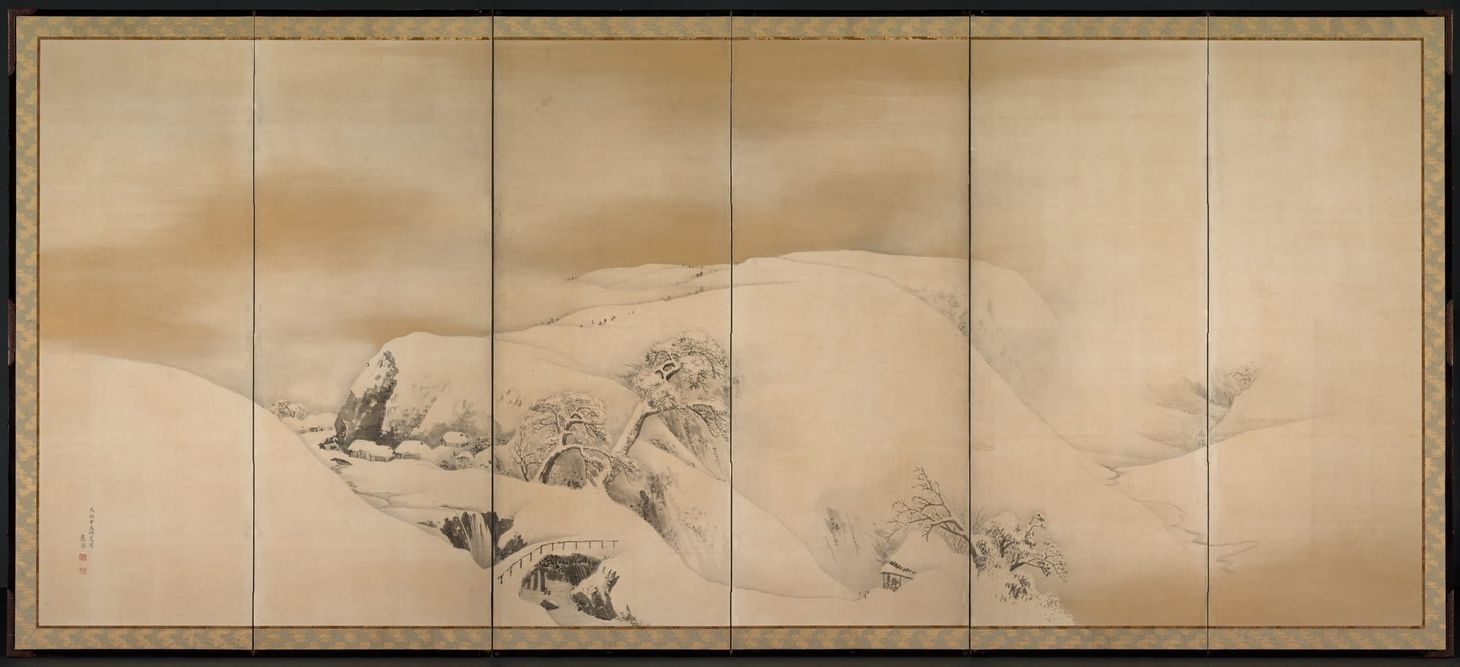
In the previous post, I discussed how the Little Ice Age contributed to the collapse of the Ming Dynasty in the seventeenth century. When I first began teaching the Little Ice Age, I focused on examples, like the Ming Dynasty, where the cooler weather contributed to crises and disasters. It seemed “logical” to focus on how cooler temperatures negatively affected societies. The colder weather often led to smaller harvests, contributing to famines and political instability in many states.

I hadn’t considered how the Little Ice Age might have benefited some societies. When Dagomar Degroot published The Frigid Golden Age: Climate Change, the Little Ice Age, and the Dutch Republic, 1560–1720 in 2018, his arguments changed my approach to teaching the Little Ice Age. Instead of just focusing on how the Little Ice Age challenged societies, we can also focus on how societies adapted to the cooler climate. While Degroot primarily focuses on how the Dutch adapted and thrived, other societies beyond Europe also thrived in the seventeenth century. The newly established Tokugawa Shogunate in Japan adapted to the cooler climate and established a prosperous state.
Degroot and Adaptation
This content is for Paid Members
Unlock full access to Liberating Narratives and see the entire library of members-only content.
SubscribeAlready have an account? Log in