
"Foreign Ships from Every Place": Teaching the Indian Ocean in World History
You can find links to all the resources I included in "'Foreign Ships from Every Place': Teaching the Indian Ocean in World History" workshop on 25 October 2025. The materials are organized by slide titles.
Embracing Failure Learning
My AFOGs When Teaching the Indian Ocean
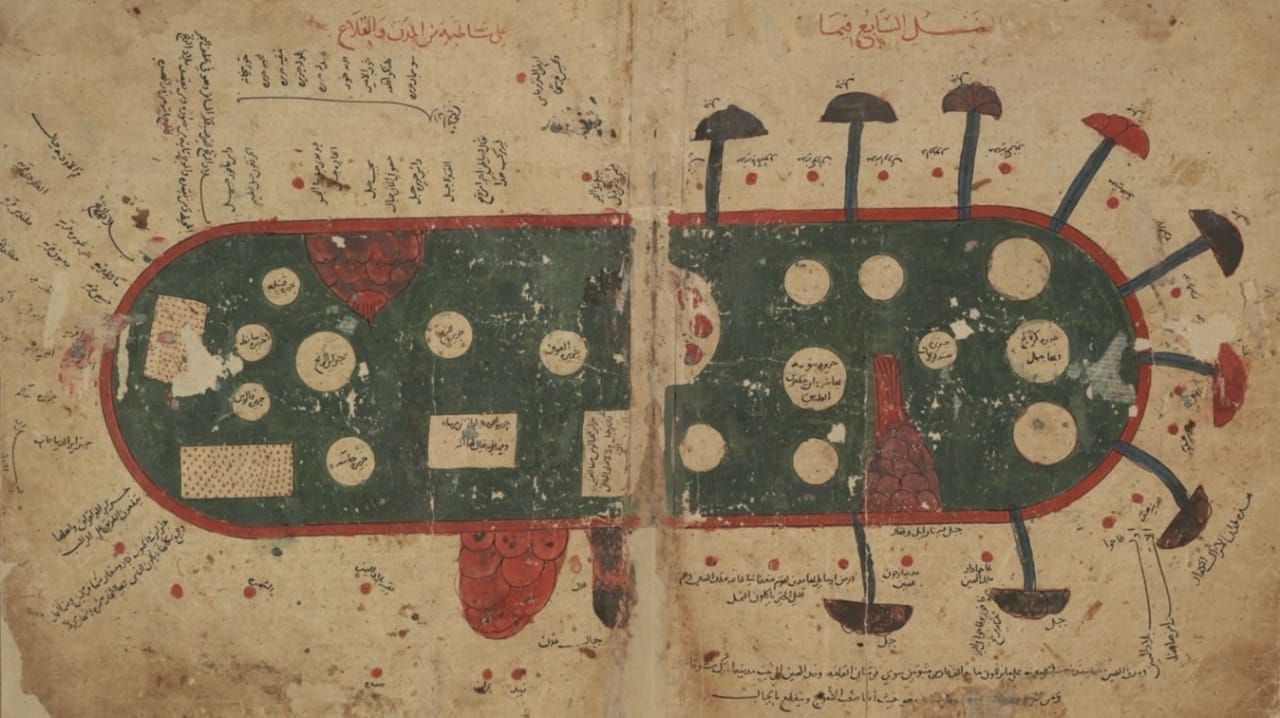
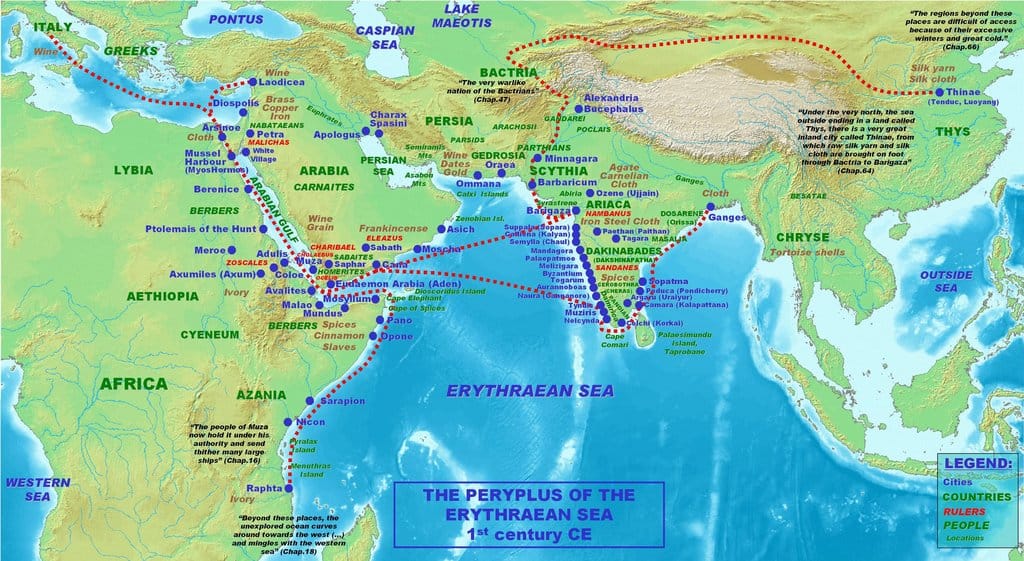
Guiding Principles
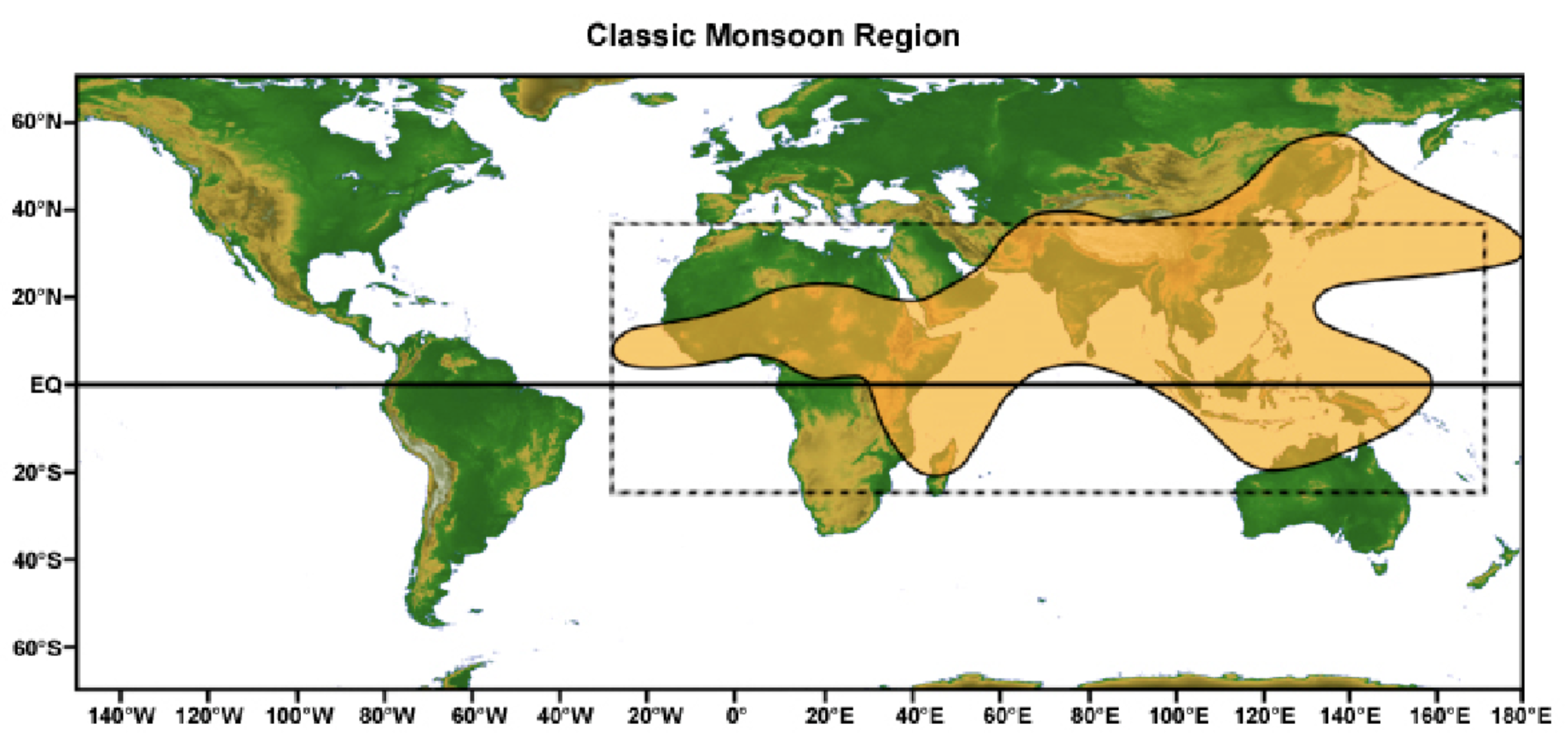
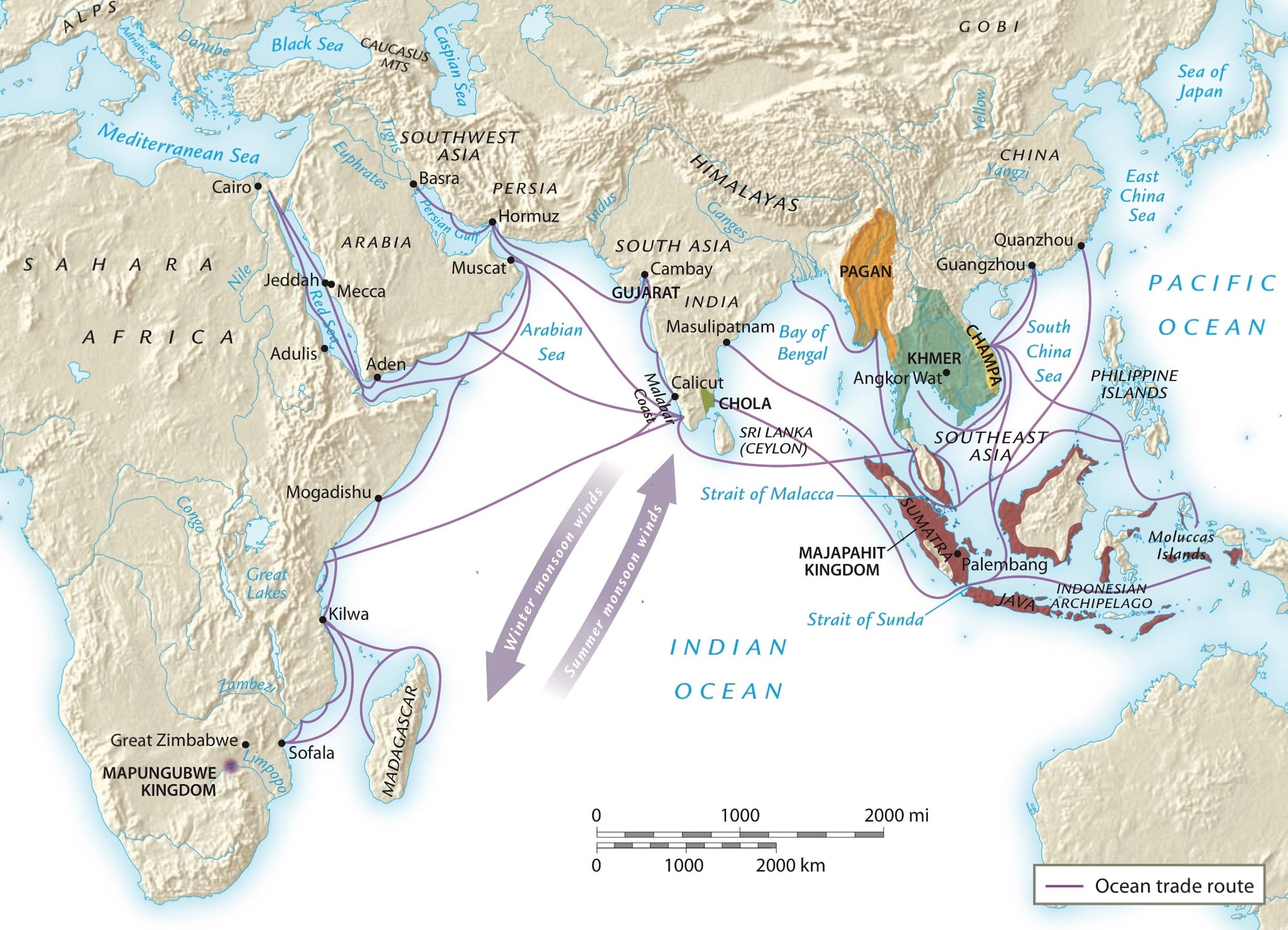
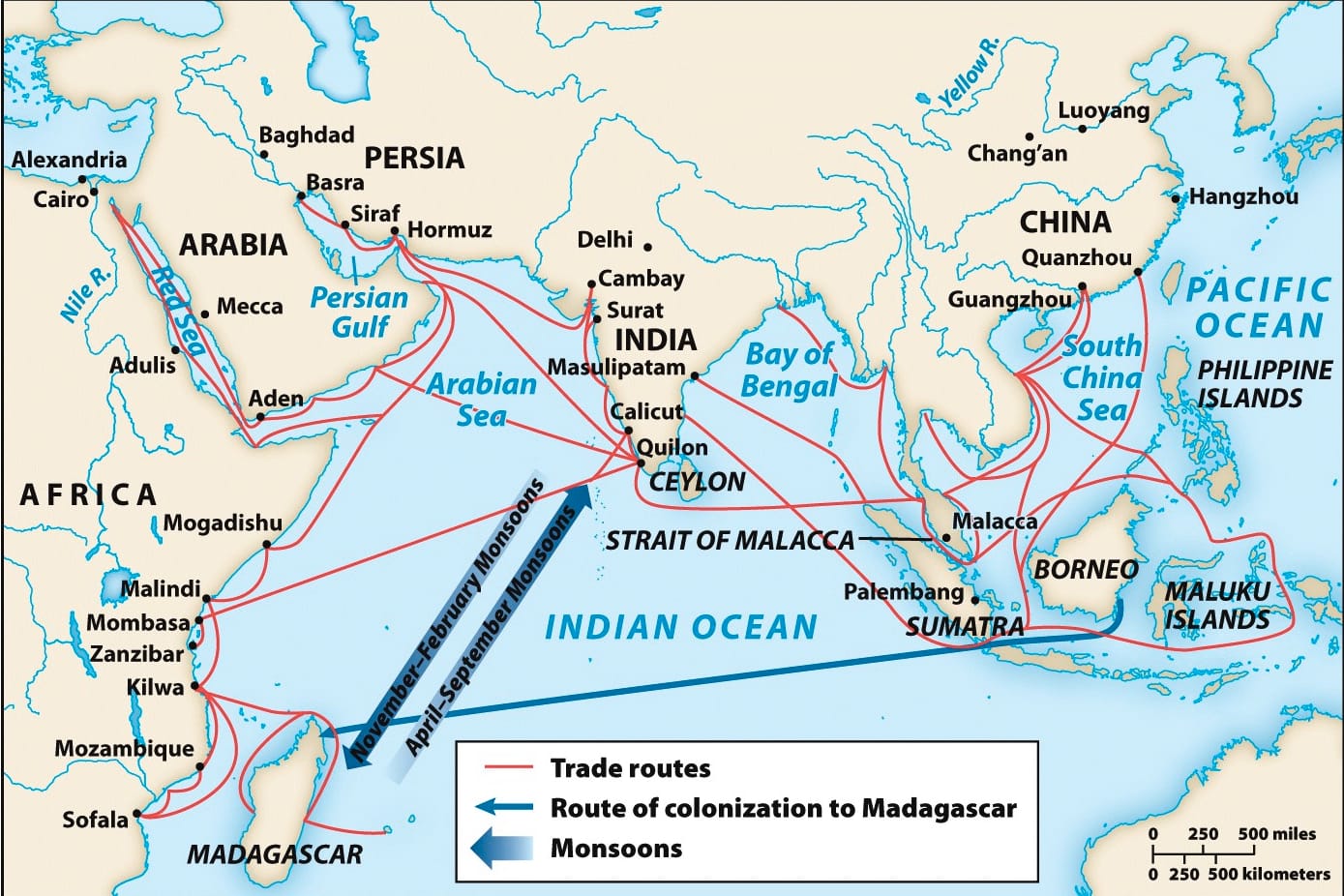
Indian Ocean 1000 - 1500
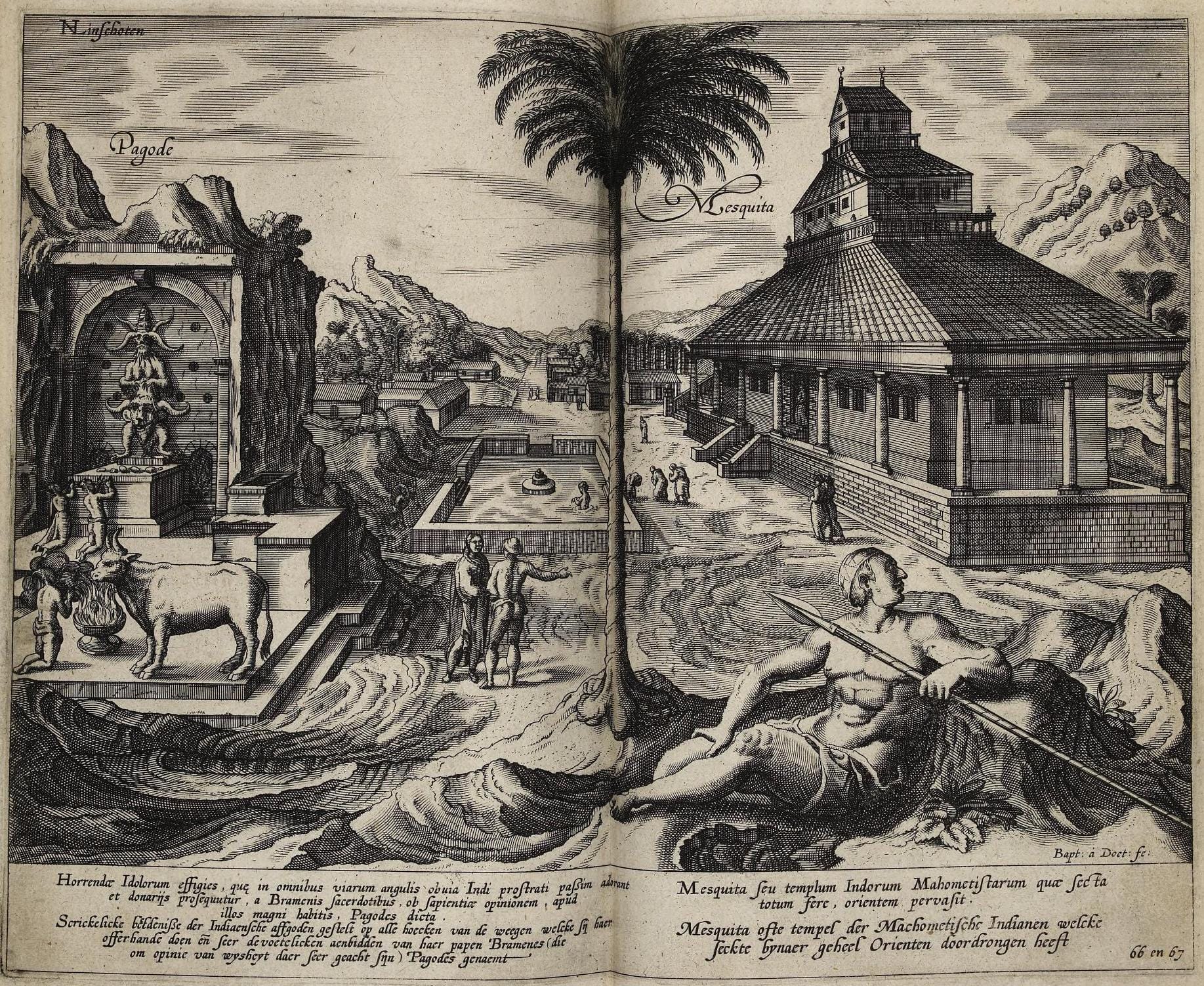
Zayn al-Din al-Malibari describing Muslims on the Malabar Coast: "Thus when Sharaf bin Malik—and Malik bin Dinar, and Habib bin Malik, and others mentioned earlier (three Muslims from the seventh century)—entered Malabar and built mosques in the aforementioned port towns and spread in them the religion of Islam, its folk entered Islam little by little. And merchants came to Malabar from many regions, and they built up other towns, such as Calicut, Veliyankode, and Tirurangadi; then Tanur, Ponnani and Parappanangadi, then Paravanna, in the vicinity of Shaliyat port; and towns such as Kakkad and Trikodi and others, from around Fundreah; and towns such as Cannanore and Adkad and Tiruvangad and Mahe and Chimnya near Darmaftun, and south of it Valapattanam and Nadapuram; and south of Kadnagalore such as Shay and Bit, and Palapuram and other ports. Their populations increased and prospered with Muslims and their commerce, on account of the little injustice found among their chiefs, even though they and their soldiers were unbelievers, and even though their subjects hold to their aforementioned customs and rarely transgress them. The Muslims in Malabar were subjects, small in number — not exceeding one-tenth of the society.
The greatest of the Malabar ports from ancient times and the most famous of them by reputation was the port of Calicut. But it became weak and fell into disrepair after the Portuguese arrived and disrupted the travels of its people. In all of the Malabar lands, the Muslims had no mighty prince ruling over them. Their rulers were unbelievers (he means Hindus) who governed them by supervising their affairs and by imposing fines upon those who deserved them under prevailing custom. Nonetheless, the Muslims enjoyed respect and standing, because most of the buildings in the towns were theirs, and they were able to hold Friday congregational prayers and festivals…. They (the Hindus of Malabar) do not subject to harm anyone of them who converts to Islam; instead, they respect him as they do other Muslims, even if he is from one of their lowliest groups. The Muslim traders in the olden days took up collections for the convert."
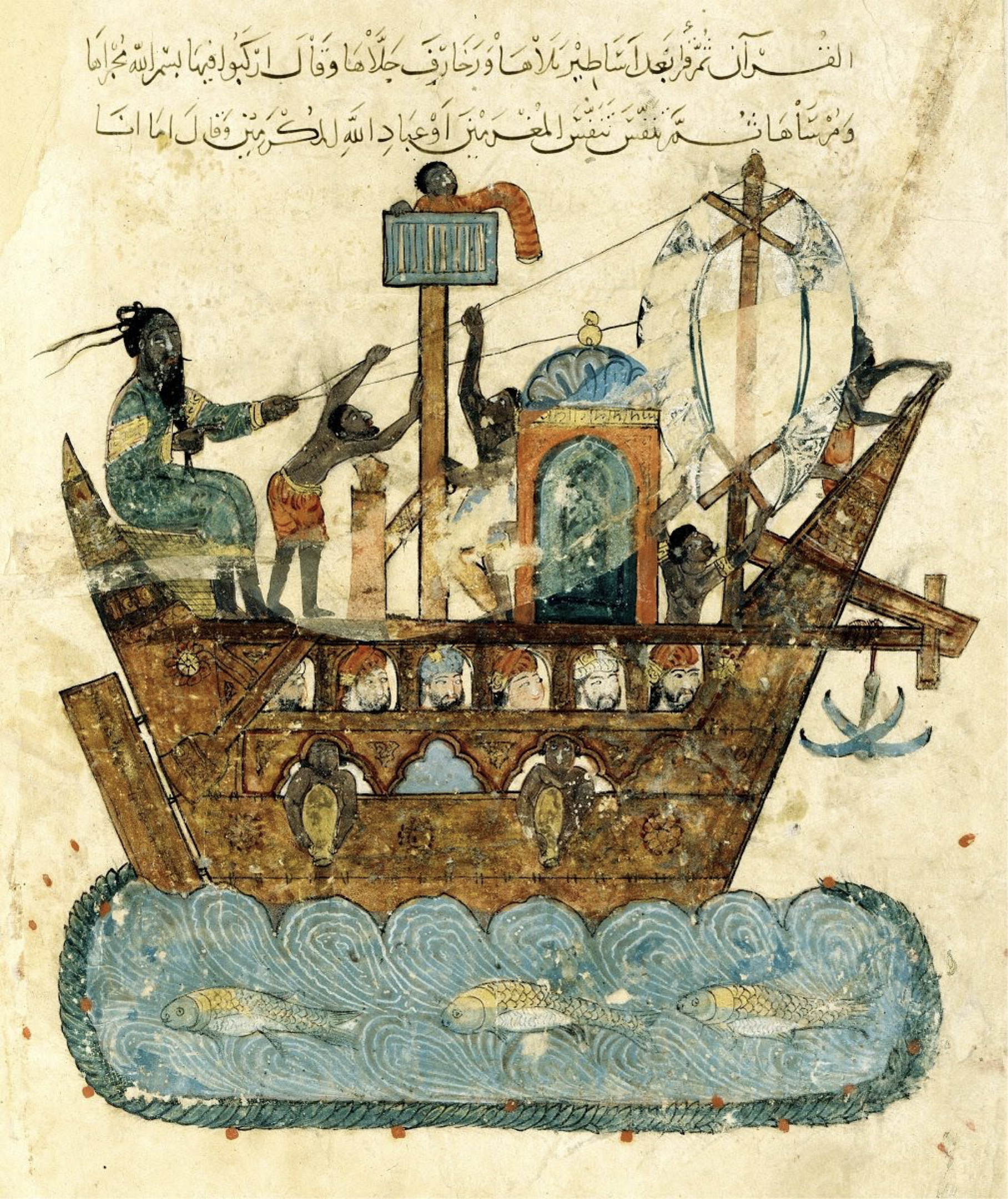
"Pepper and Partnerships: Abraham bin Yiju" in Stewart Gordon's When Asia Was the World.
Post discussing this painting and Abraham bin Yiju.
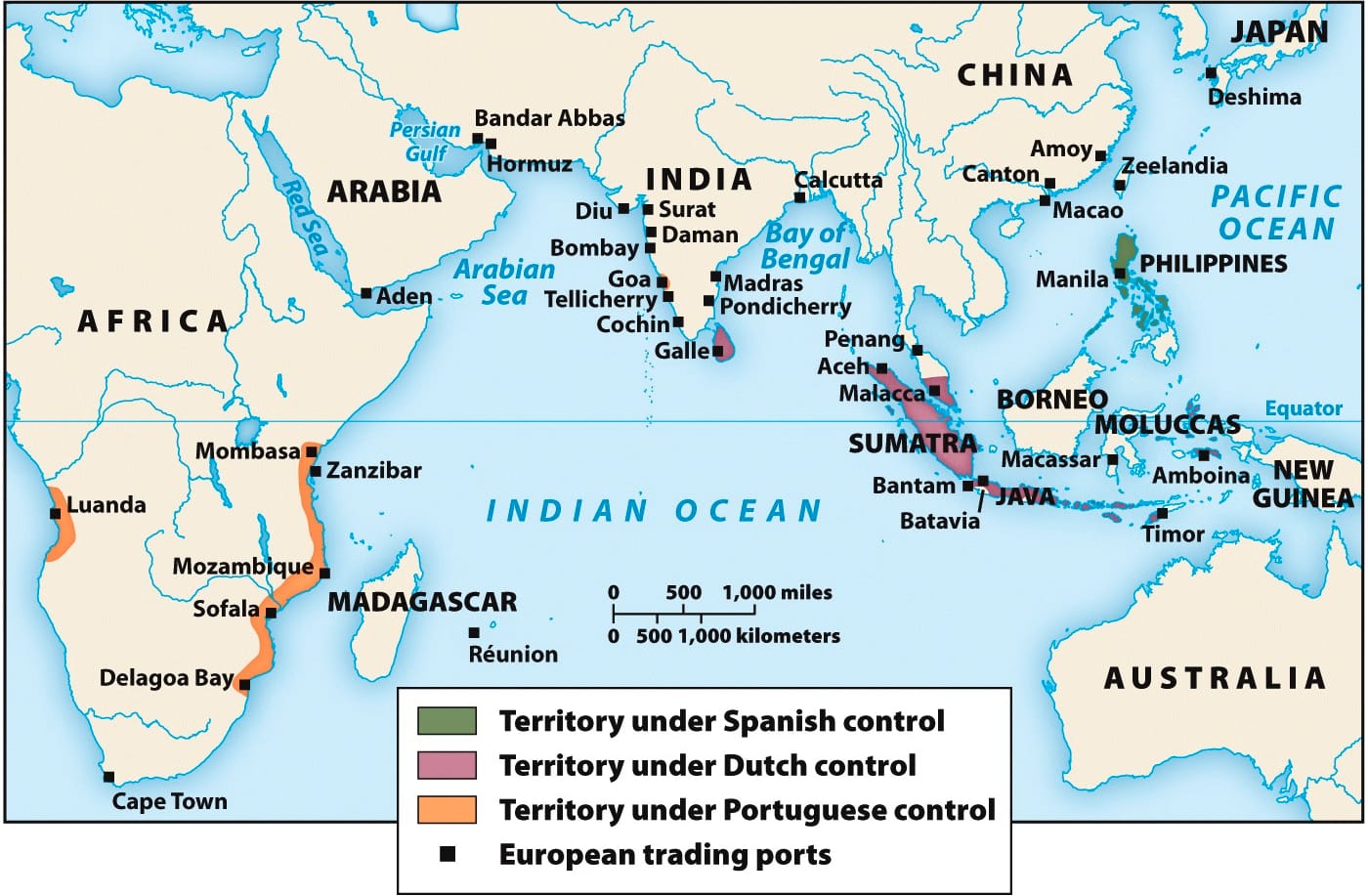
Indian Ocean 1500 -1750
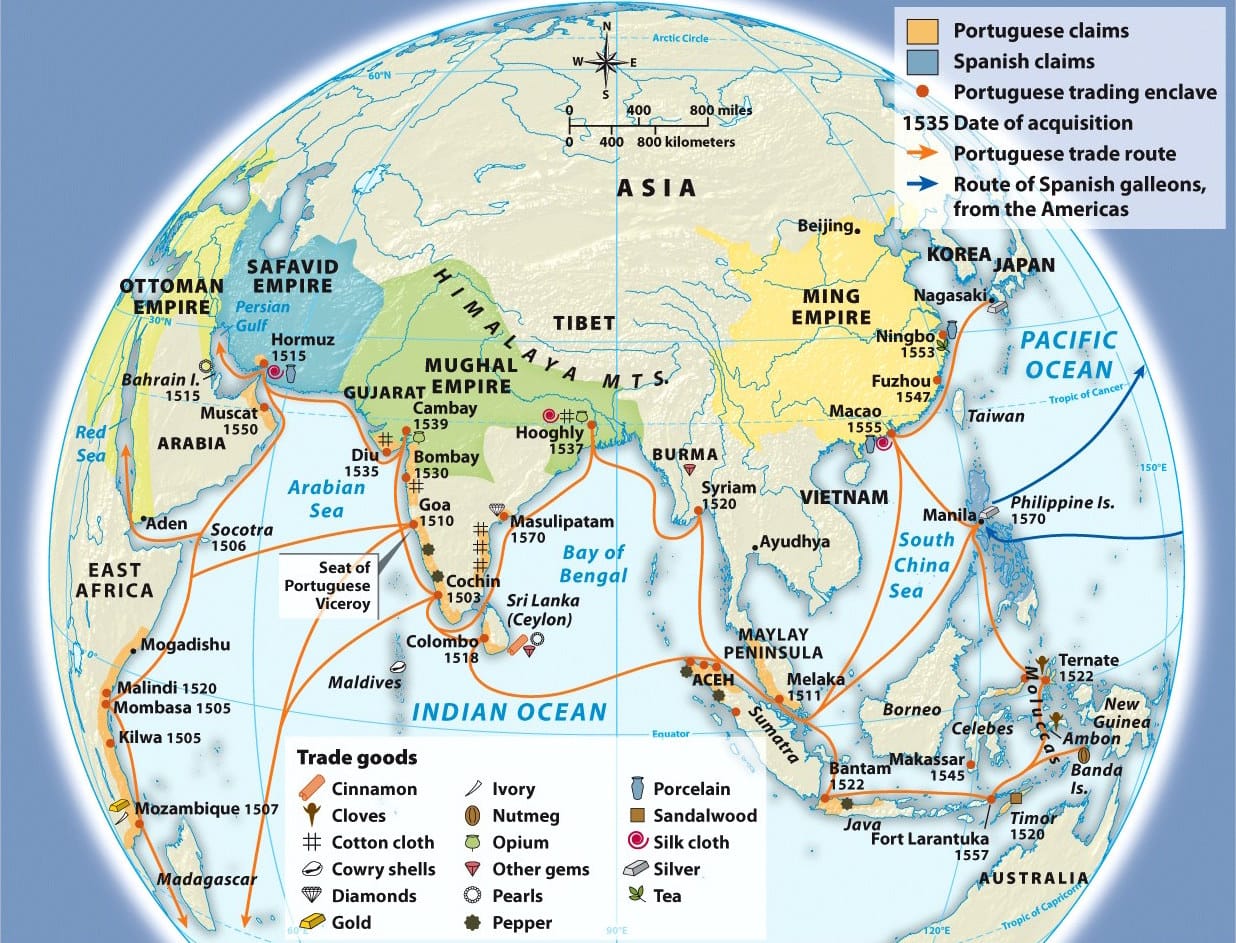
- Gaspar Correia, Portuguese sailor, describing Vasco da Gama: "Then the captain-major (Vasco da Gama) commanded them (his crew) to cut off the hands and ears and noses of all the (captured) crews, and put all that into one of the small vessels, into which he ordered them to put the friar (he had been sent the day before by the ruler of Calicut to negotiate a peace), also without ears, or nose, or hands, which he ordered to be strung round his neck, with a palm-leaf for the King, on which he told him to have a curry made to eat of what his friar brought him. When all the Indians had been thus executed, he ordered their feet to be tied together, as they had no hands with which to untie them: and in order that they should not untie them with their teeth, he ordered them to strike upon their teeth with staves, and they knocked them down their throats; and they were thus put on board, heaped up upon the top of each other, mixed up with the blood which streamed from them; and he ordered mats and dry leaves to be spread over them, and the sails to be set for the shore, and the vessel set on fire: and there were more than eight hundred Moors; and the small vessel with the friar, with all the hands and ears, was also sent on shore under sail, without being fired."
- Tome Pires discussing Cambay: "I now come to the trade of Cambay (Khambhat). These (people) are (like) Italians in their knowledge of and dealings in merchandise. All the trade in Cambay is in the hands of the heathen. Their general designation is Gujaratees, and then they are divided into various races: Banians, Brahmans and Pattars. There is no doubt that these people have the cream of the trade. They are men who understand merchandise; they are so properly steeped in the sound and harmony of it, that the Gujaratees say that any offense connected with merchandise is pardonable. There are Gujaratees settled everywhere. They work some for some and others for others. They are diligent, quick men in trade. They do their accounts with figures like ours and with our very writing. They are men who do not give away anything that belongs to them, nor do they want anything that belongs to anyone else… And so both the Gujaratis and the merchants who have settled in Cambay sail many ships to all parts, to Aden, Ormuz, the kingdom of the Deccan, Goa, Bhatkal, all over Malabar, Ceylon, Bengal, Pegu, Siam, Pedir, Pase (Paeçe) and Malacca, where they take quantities of merchandise, bringing other kinds back, thus making Cambay rich and important. Cambay chiefly stretches out two arms, with her right arm she reaches out towards Aden and with the other towards Malacca."
Indian Ocean 1750 - 1900
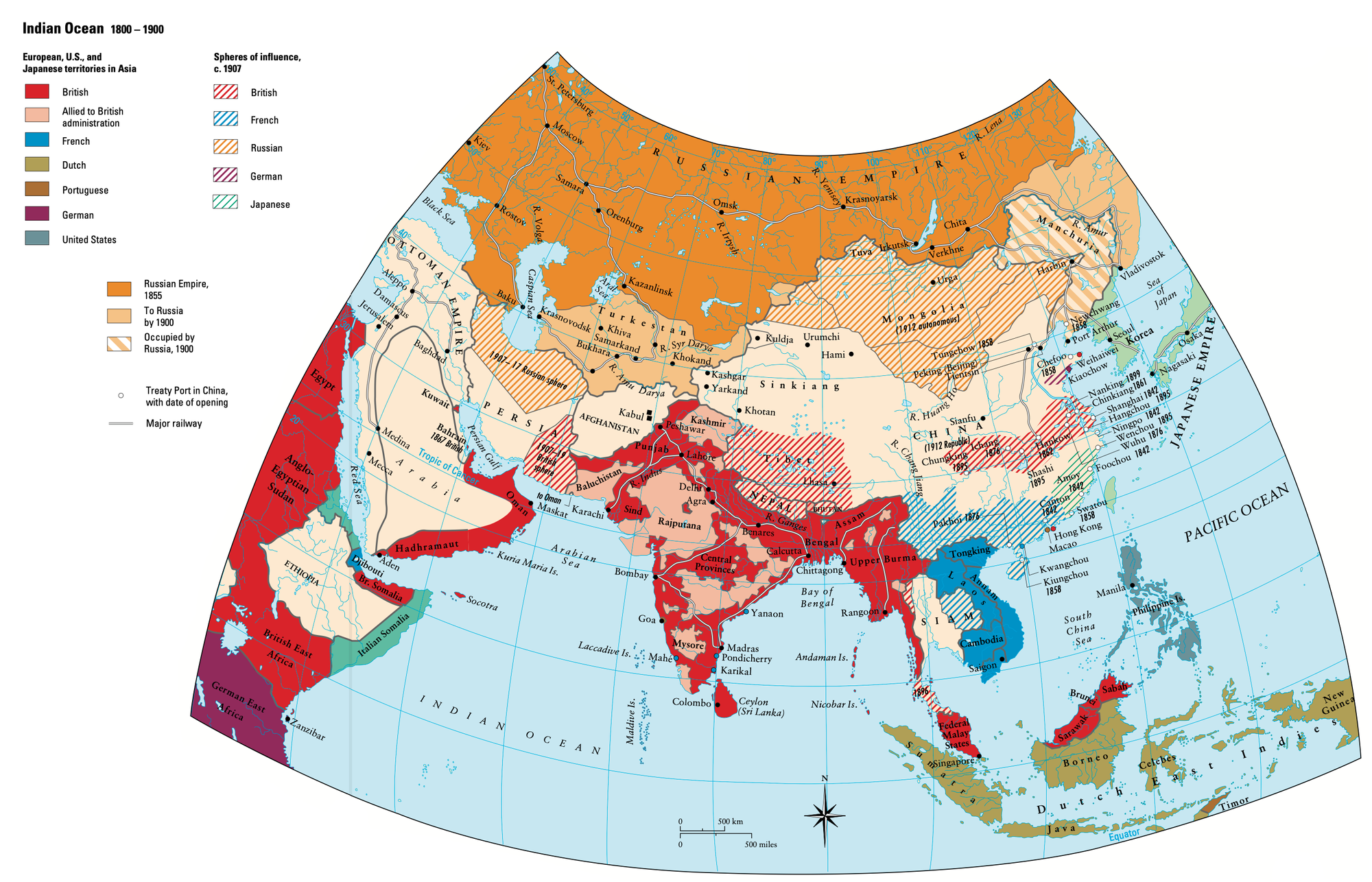
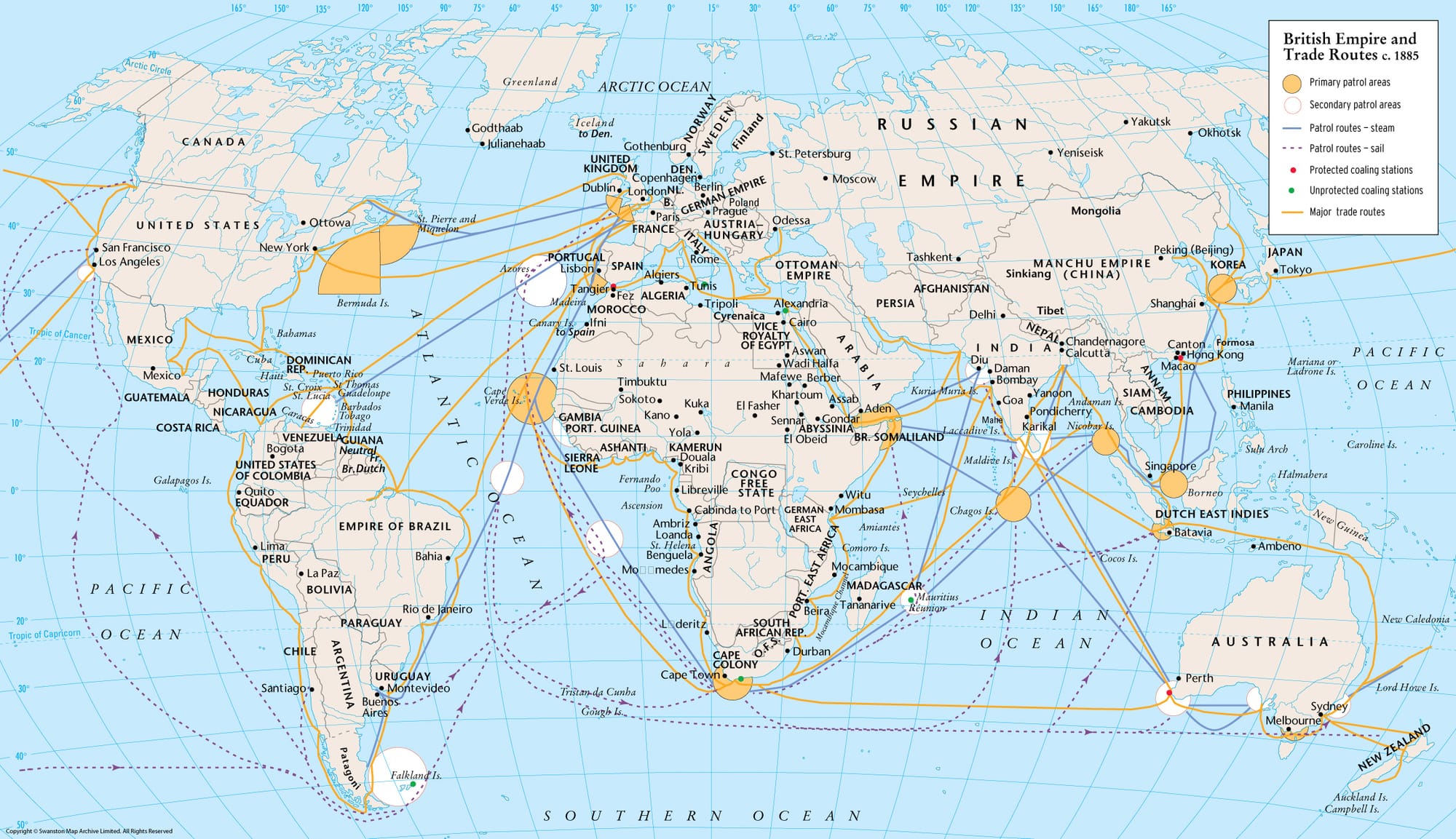
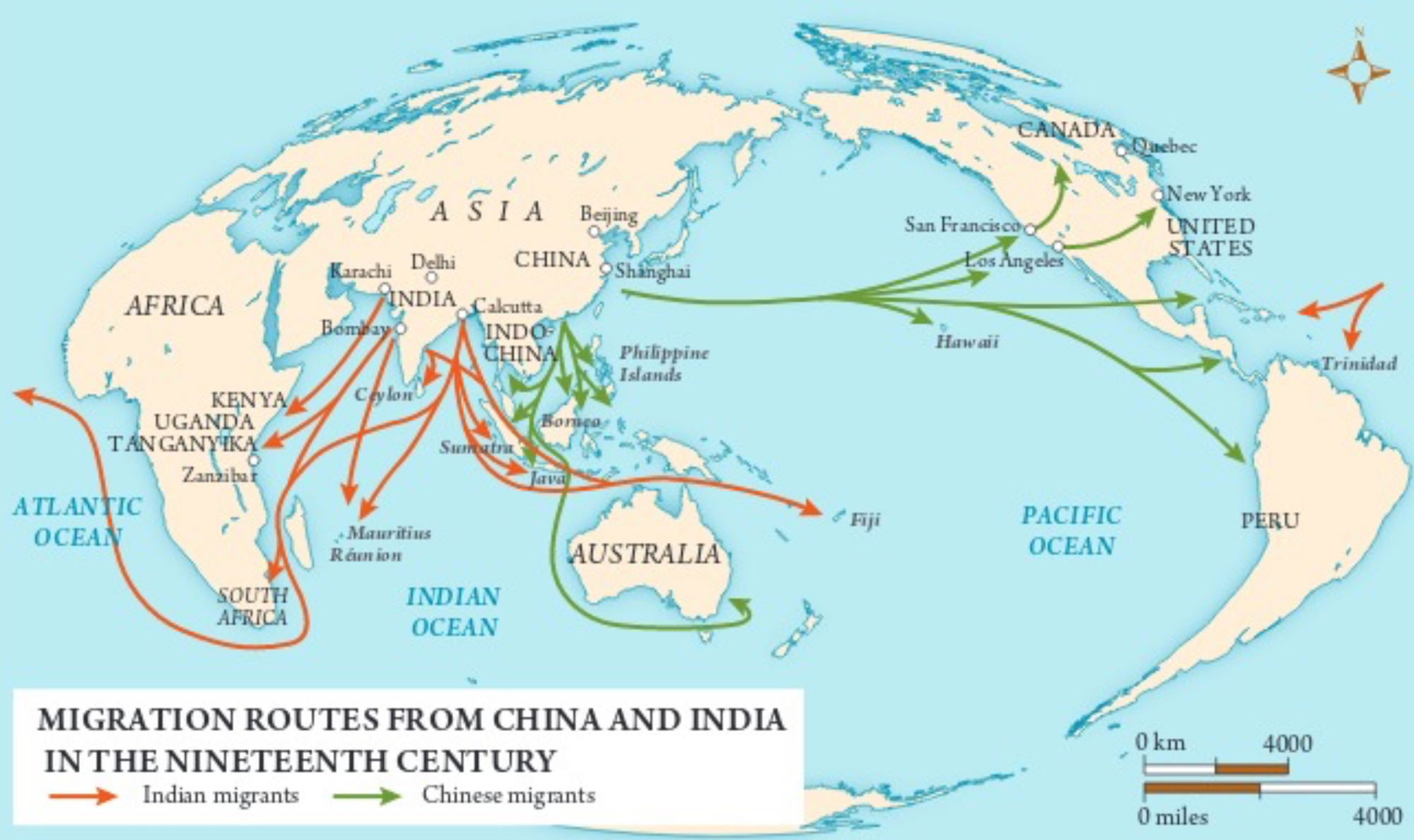
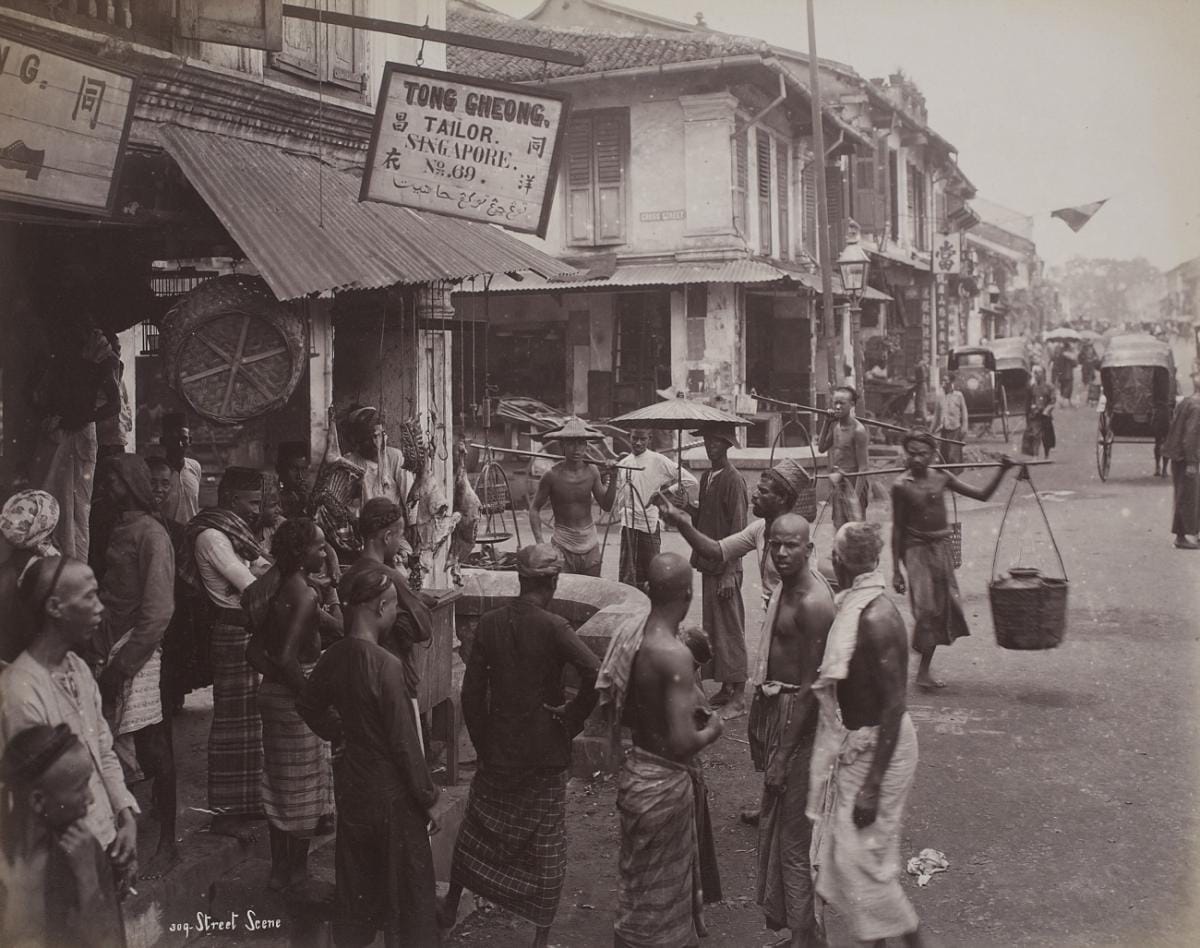
Abdullah Bin Abdul Kadir describing the migration of people from Melaka to Singapore in the early nineteenth century: "However, although the voyage was full of dangers hundreds of the Melaka folk left for Singapore, every man wishing to earn his living; particularly because of the hardships of unemployment in Melaka and the injustices of the Dutch which I have mentioned. People therefore went to try their luck in Singapore, some as labourers cutting the jungle or building houses, others as shopkeepers and merchants, even the idlers and shirkers, each with his own particular line of business….
As time went on the numbers of foreigners and white merchants greatly increased and the fame of the Singapore settlement spread far and wide, confirming the fact that it was a permanent settlement. Many people from other countries moved to Singapore, and some gave agencies to traders in Singapore, sending in goods from various places. All these factors increased the population of the settlement, which became filled with various races plying their different trades and crafts, all of them living in Singapore. Among them there were poor men who became rich and some who brought capital of tens of thousands of dollars from their own countries only to lose it all and become beggars. Everyone traded on his luck for, as we say, 'If you have the luck of coconut fiber you float, if of a stone you sink.'"
Source: The Hikayat Abdullah: The Autobiography of Abdullah Bin Abdul Kadir (1797-1854).
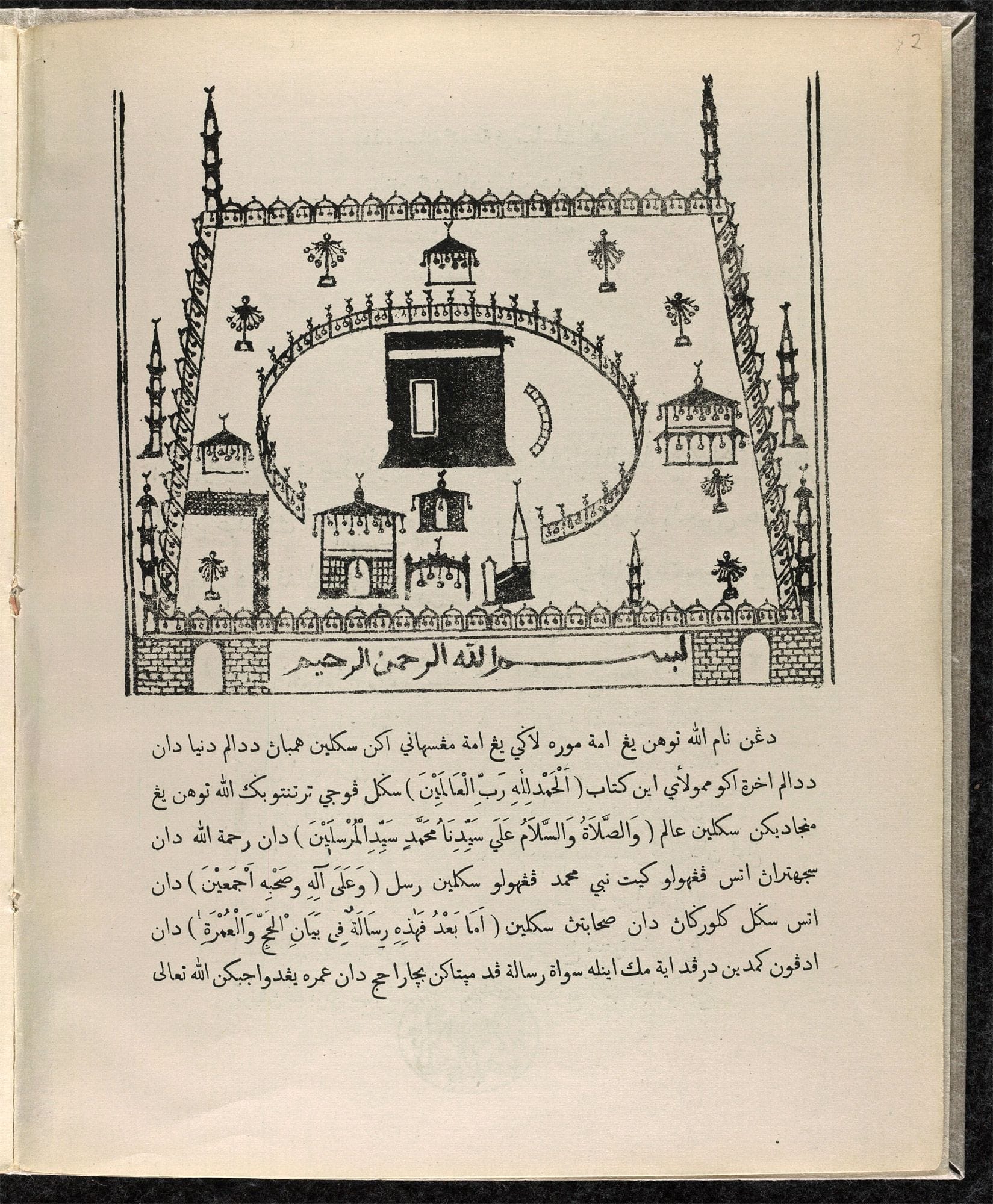
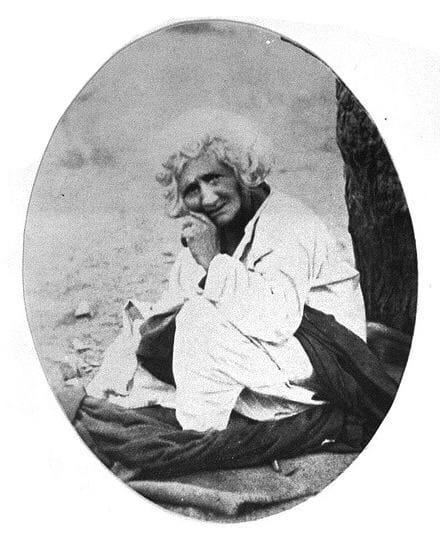
The Sassoons: The Great Global Merchants and the Making of an Empire
Recommended Readings
- Edward A. Alpers’ The Indian Ocean in World History.
- Edward Alper and Thomas McDow's A Primer for Teaching Indian Ocean World History: Ten Design Principles.
- Stewart Gordon's When Asia Was the World: raveling Merchants, Scholars, Warriors, and Monks Who Created the "Riches of the "East".
- Omar H. Ali’s Islam in the Indian Ocean World: A Brief History with Documents.
- Radhika Seshan's Empires Of The Sea: A Human History of the Indian Ocean World.
Indian Ocean in World History website is an excellent collection of resources.


