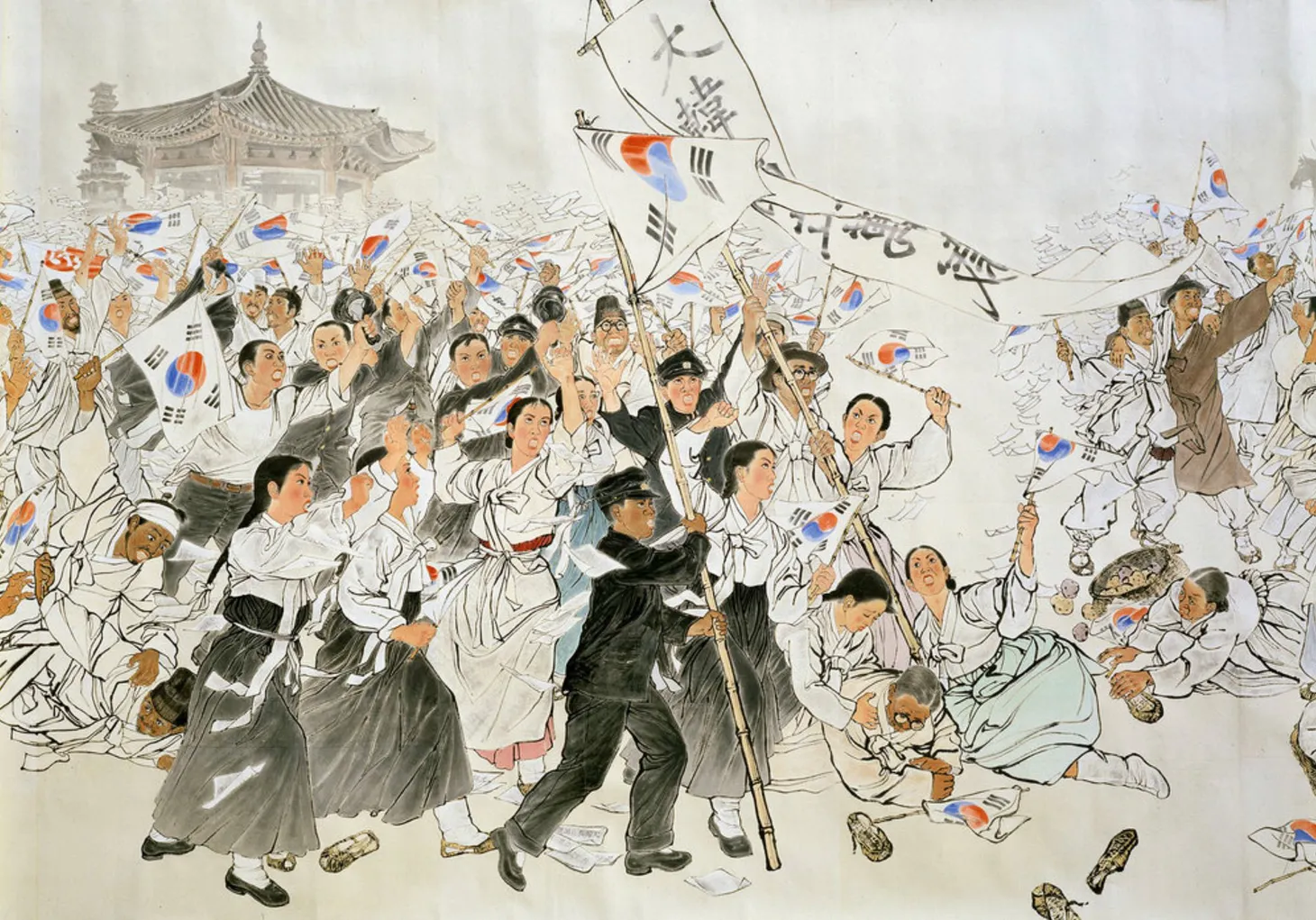
AP World Unit 8
“Colonialism in all its Manifestations is an Evil”: Teaching Decolonization, 1914 to Present
Discussion of how to teach decolonization in world history courses and centering the agency of colonized peoples
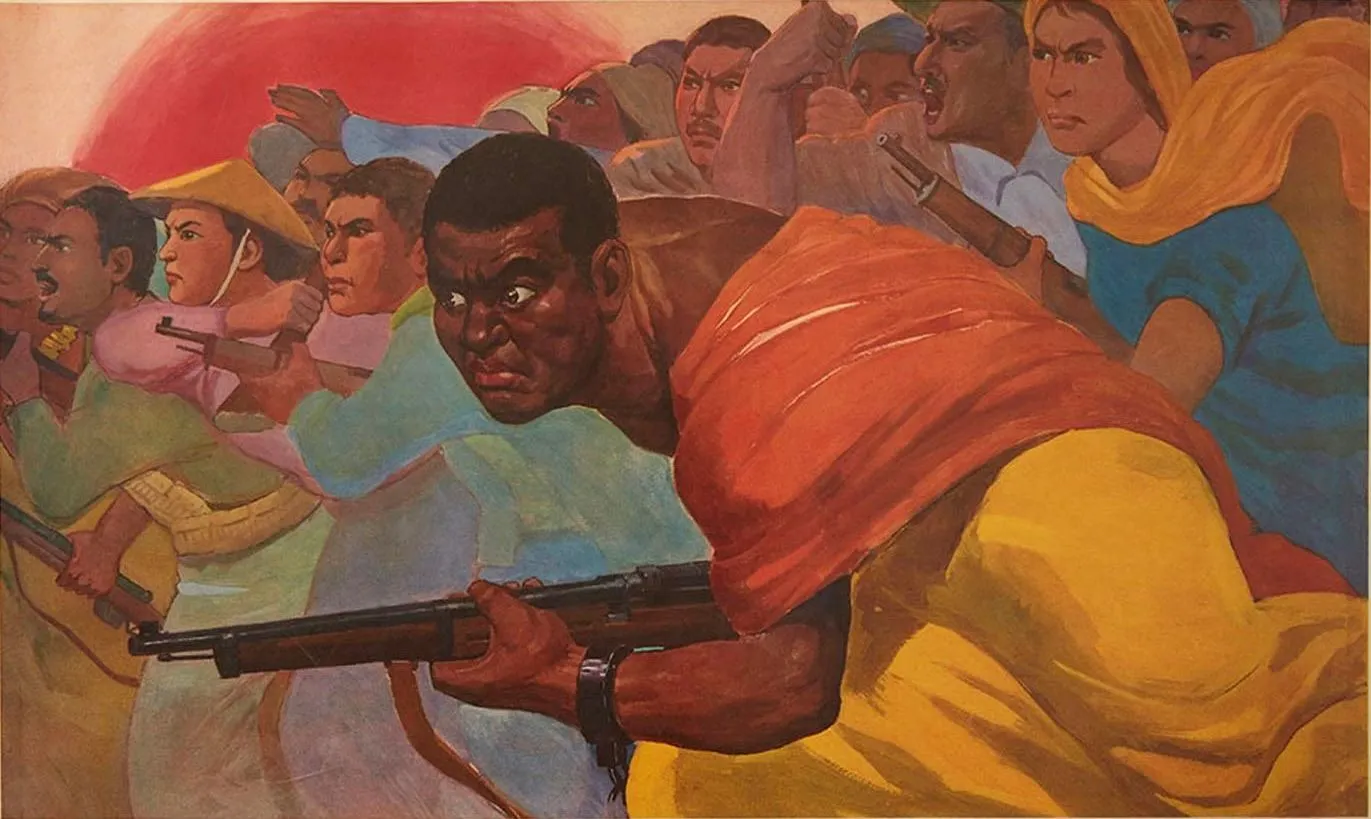
“The Function of Militarism is to Kill”: Emma Goldman and Questioning the First World War
Discussion of Emma Goldman and resistance to war during the First World War

“They Know the Peacebreakers but not the Peacemakers”: Teaching Dissent, Pacifism, and Women’s Activism in the First World War
A discussion of women’s peaceful protest during the First World War and using secondary sources in the world history classroom.
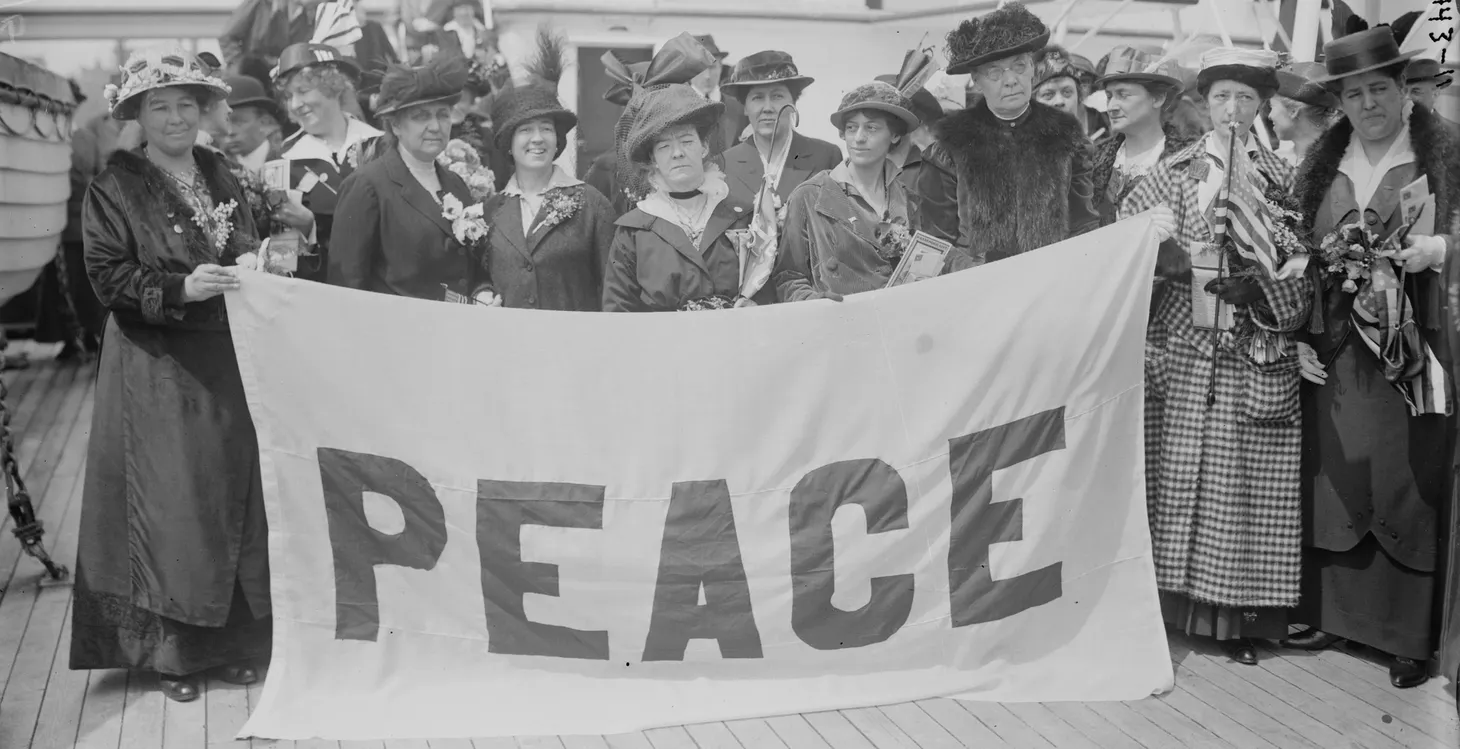
“To Fend for Existence in the Poorest Conditions”: Women and Decolonization in 1963
A discussion of how we can use a speech from 1963 to discuss decolonization, gender roles, feminism, and the Cold War.

“Use Their Institutions to Promote Their Own Interests”: Competing Global Visions from 1975 to 1991
A discussion of how we can teach the end of the Cold War and the last decades of the twentieth century in world history.
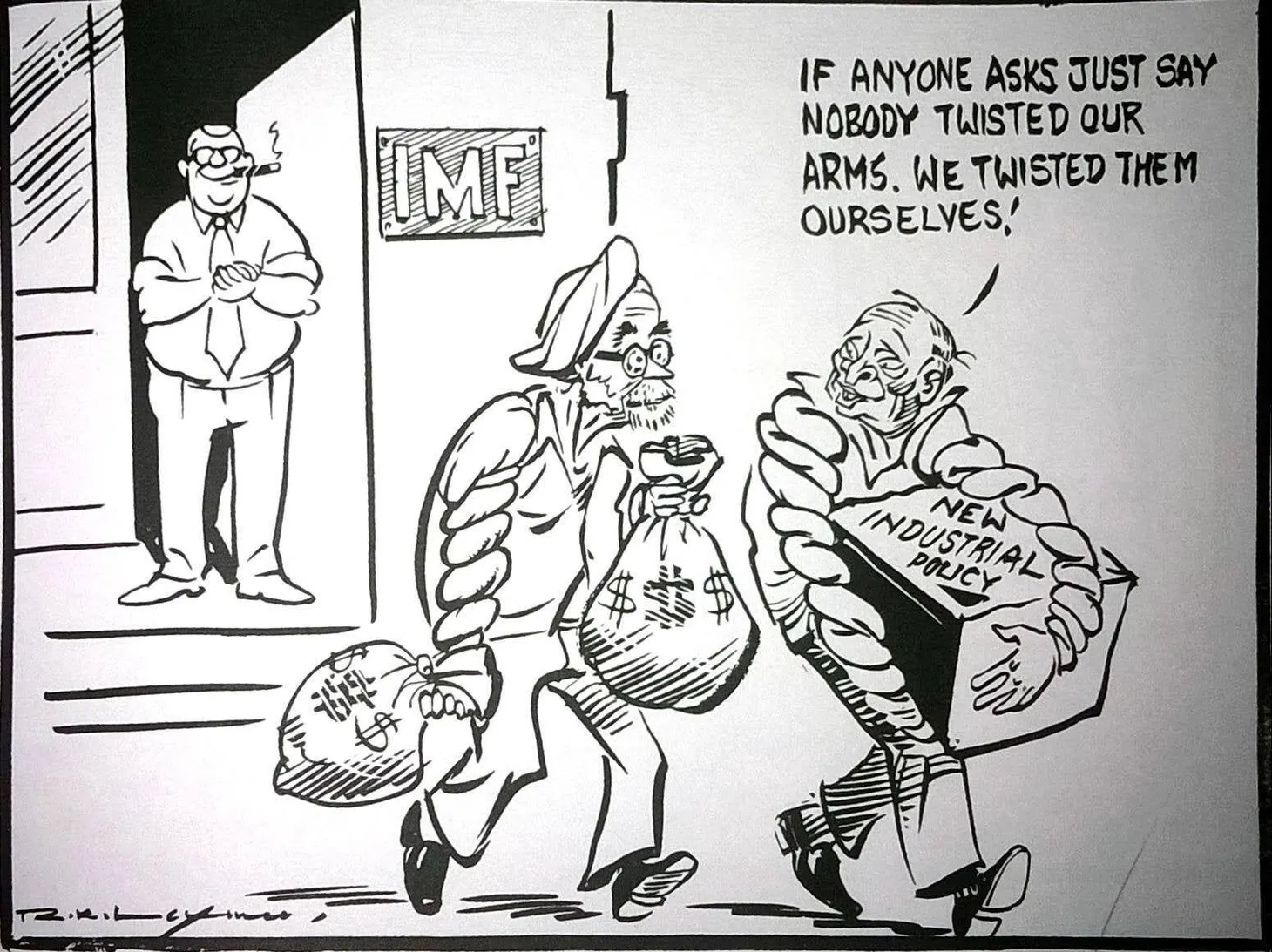
“Militant Unity and Solidarity”: Cuba, North Korea, and the Cold War
Discussion of the Cuban-North Korean relationship in the 1970s as a way to analyze the Cold War from a global perspective.
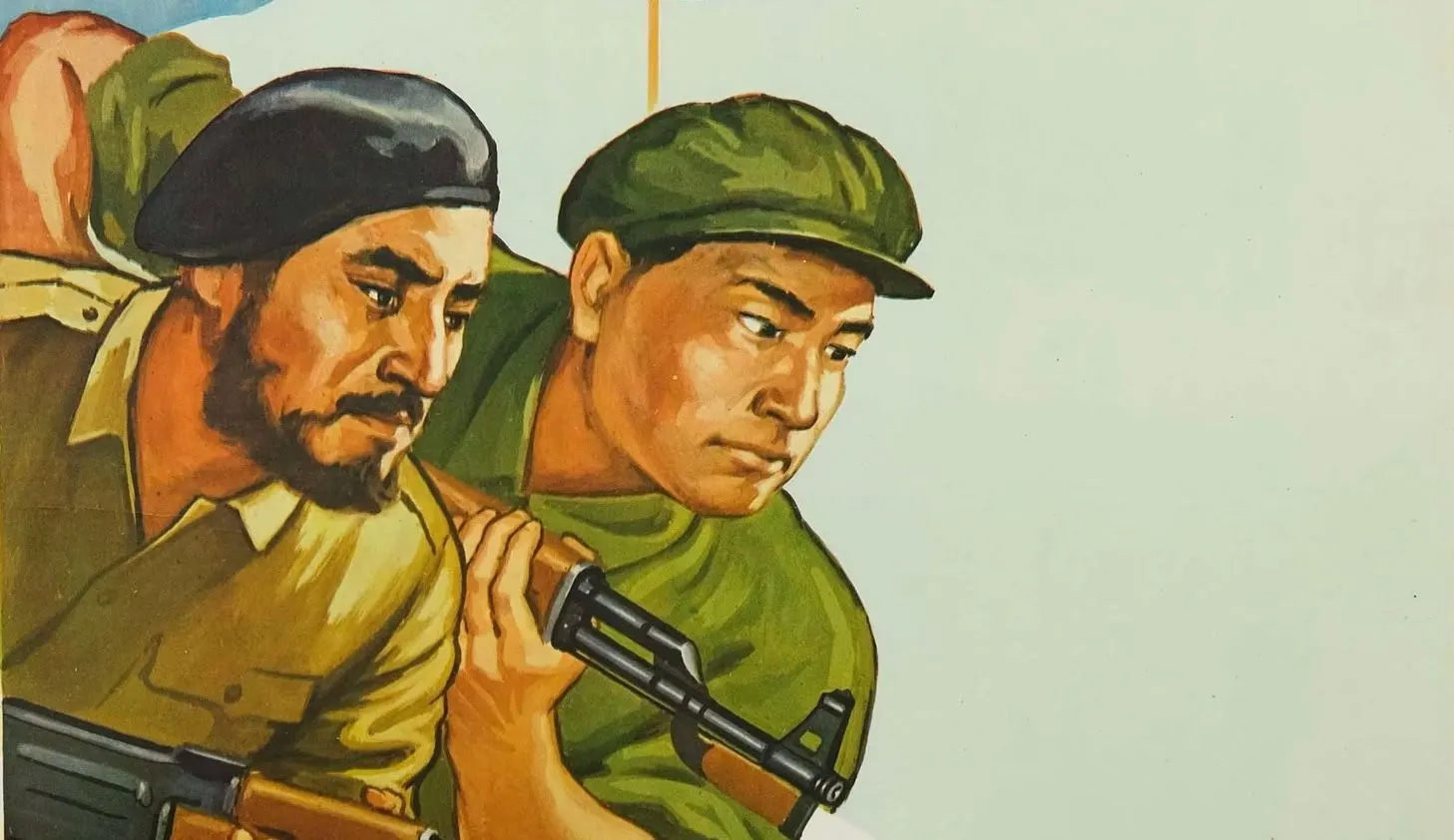
“Korea, like Cuba”: The Cold War Beyond the United States and the Soviet Union
Discussion of the Cuban-North Korean relationship in the 1960s as a way to analyze the Cold War from a global perspective.

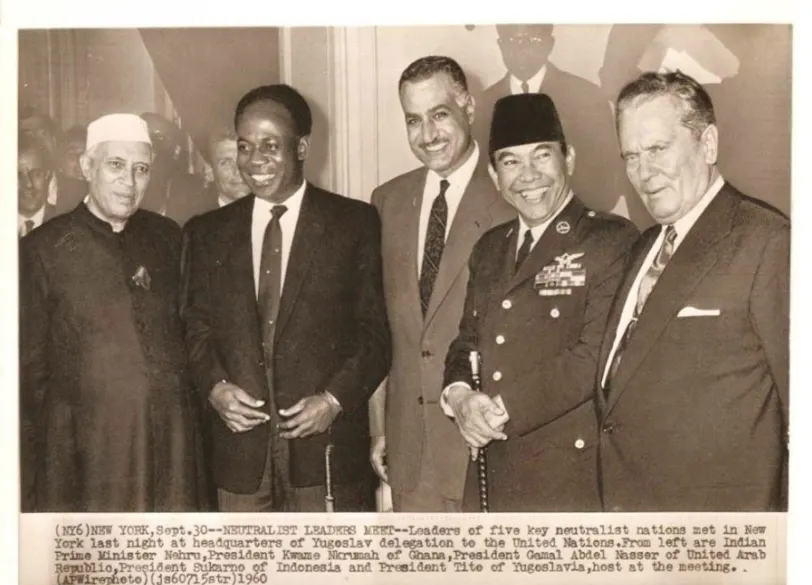
“Maintain Friendly Relations with All Countries”: Competing Global Visions from 1945 to 1975
A discussion of how to teach the Cold War as a global event with multiple visions for the world.
“An Age of Questioning”: Reimagining the Teaching of the Twentieth Century
A discussion of how we can teach twentieth century world history and center the voices of women and African, Asian, Indigenous, and Latinx voices.
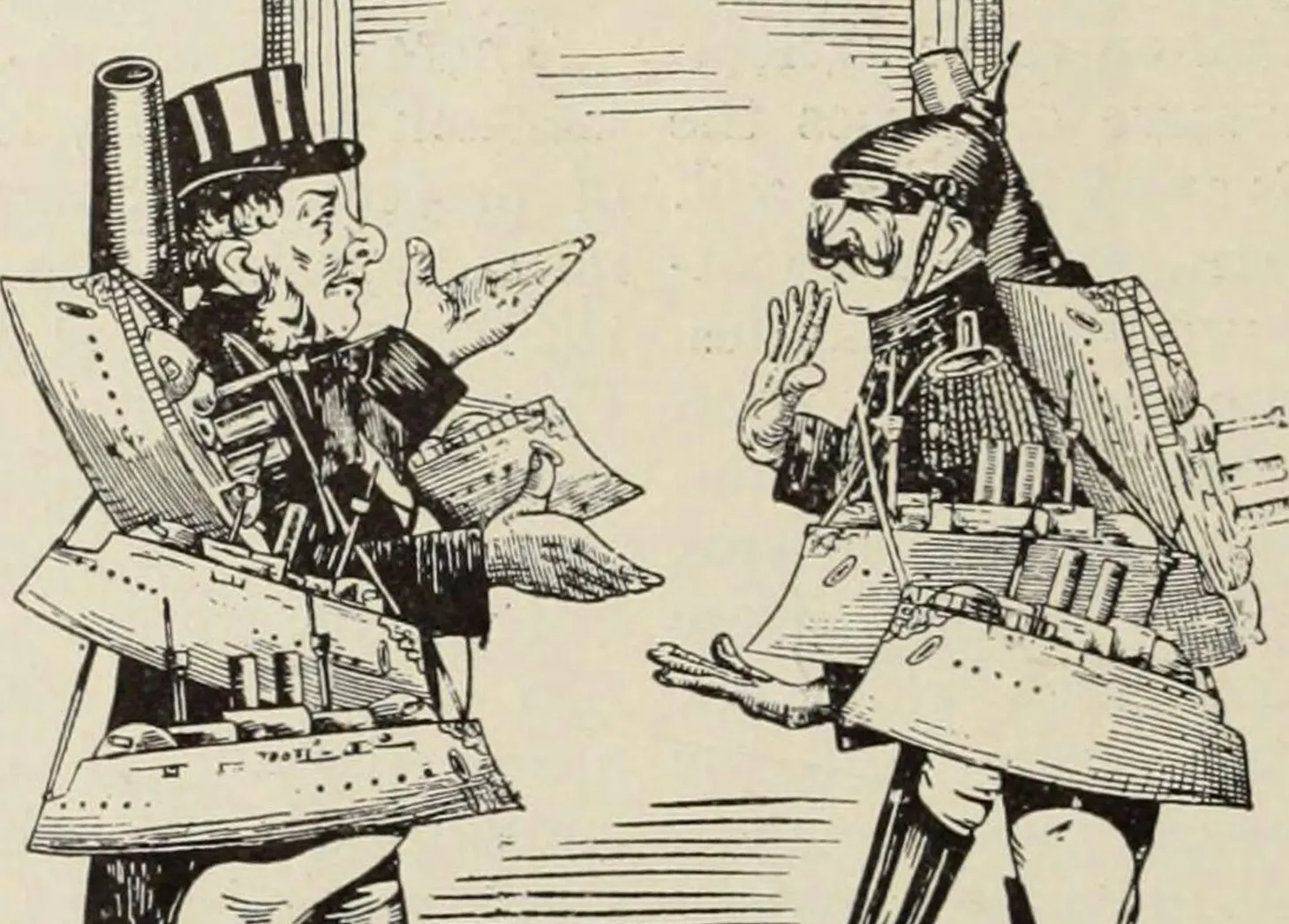
“We Were Not Free”: American and Japanese Imperialism, c.1860 - c.1940
A discussion of how to teach American and Japanese imperialism using sources from the Philippines and Korea.