East Asia
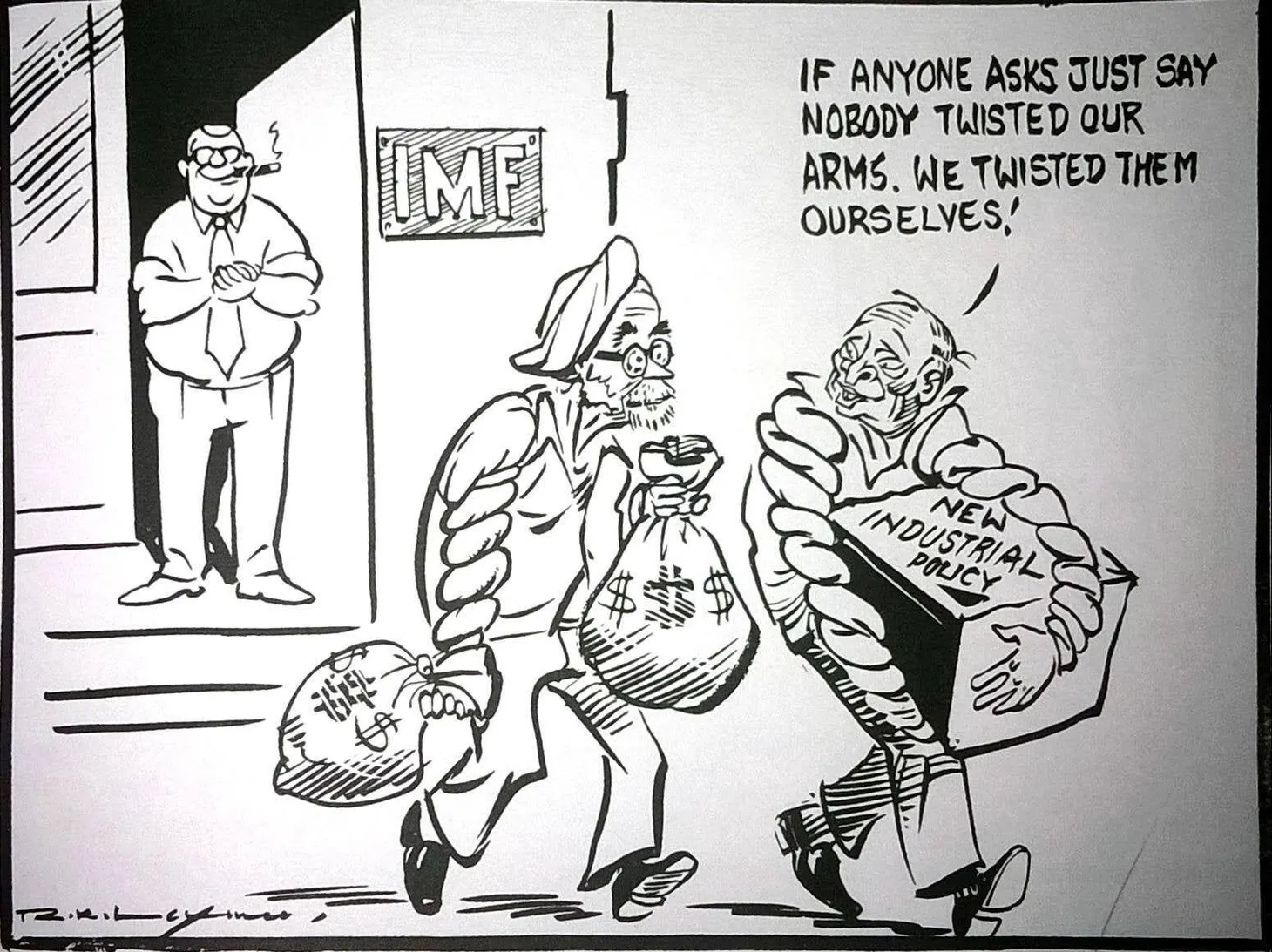
“Colonialism in all its Manifestations is an Evil”: Teaching Decolonization, 1914 to Present
Discussion of how to teach decolonization in world history courses and centering the agency of colonized peoples
Visualizing the Continuity of Asian Trade Networks in Sixteenth-Century Japanese Nanban Screens
Discussion of Japanese nanban screens and teaching continuity in the sixteenth-century Indian Ocean.

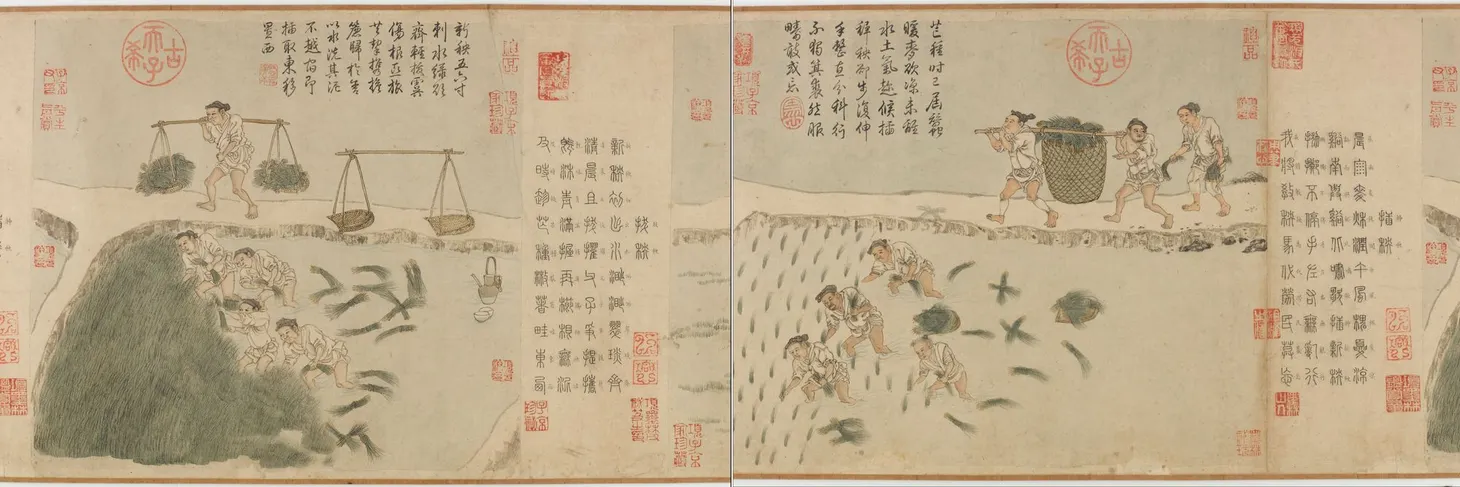
“Being Deeply Concerned with Agriculture”: The Spread of Champa Rice, and some surprises
Discussion of how to use different sources to teach the spread of Champa rice
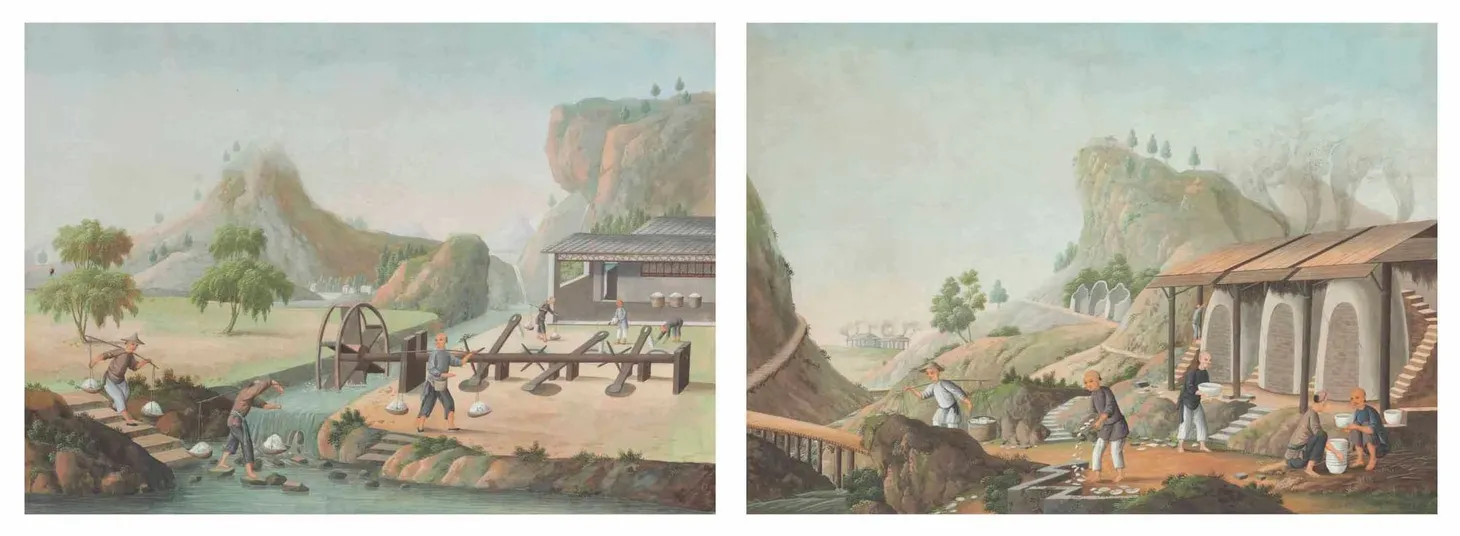
“Workmen Constantly Employed”: Teaching Mass Production and Industrialization in the Long Nineteenth Century
A discussion of how to teach the nineteenth-century Industrial Revolution as a global process.
“Sales, Auctions, and Exchanges Go on Constantly”: The Song Chinese Economy
A discussion of the Song Chinese economy.
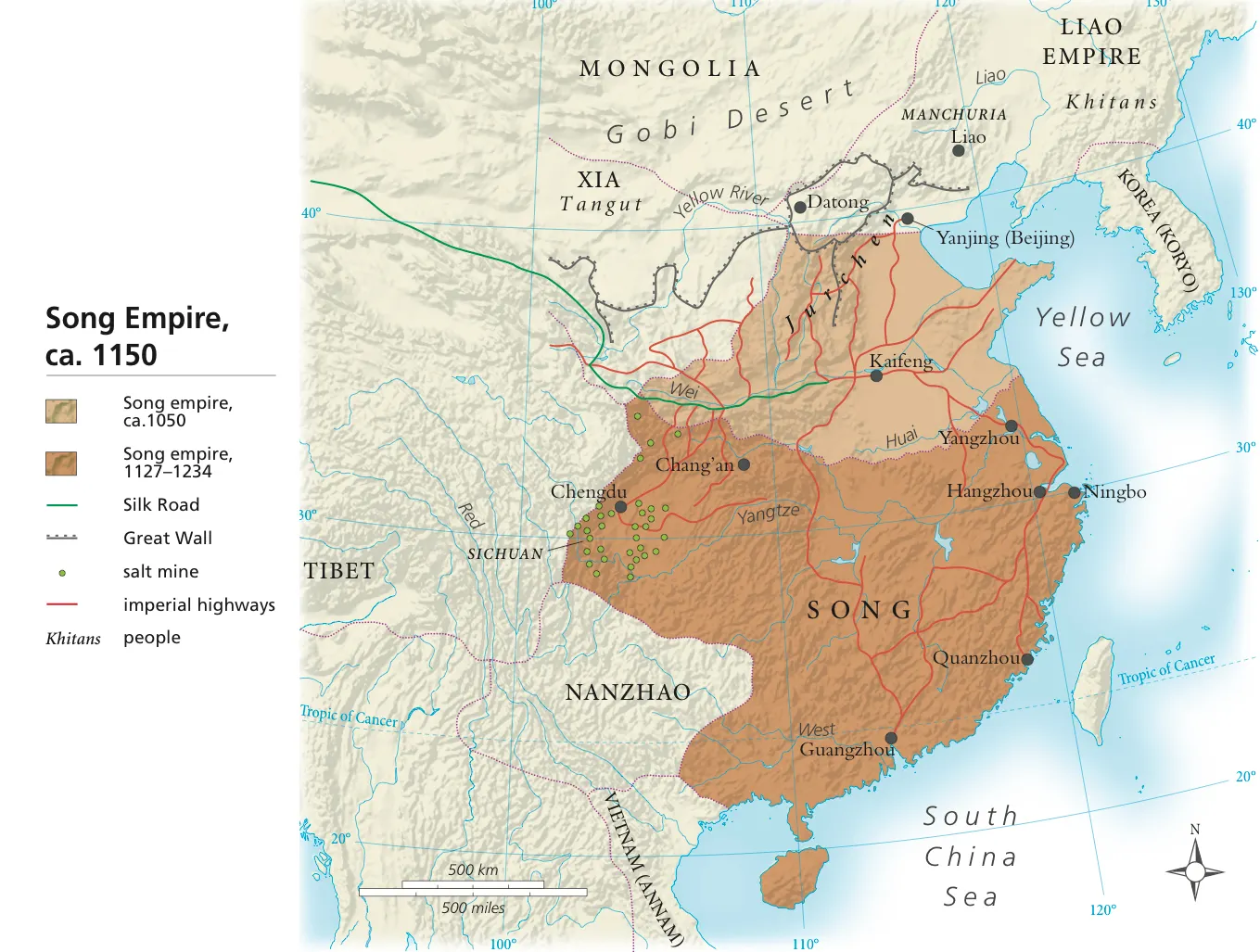
“The Number of Chinese Appears to be Very Considerable”: The Chinese Diaspora in Southeast in the Early Nineteenth Century
A discussion of how to teach Chinese migration to Southeast Asia in the early nineteenth century

“Chinese Came In Droves”: The Indian Ocean Exchange Network in the Seventeenth and Eighteenth Centuries
A discussion of teaching the Indian Ocean exchange network in the seventeenth and eighteenth centuries.

“Returning from the Western Ocean”: Giraffes in Ming China
A discussion of how to teach about the voyages of Zheng He using giraffes

Voices of the Southern Front: Decolonizing our Teaching of the First World War
A discussion of how to teach the First World War using sources from India and the Middle East.

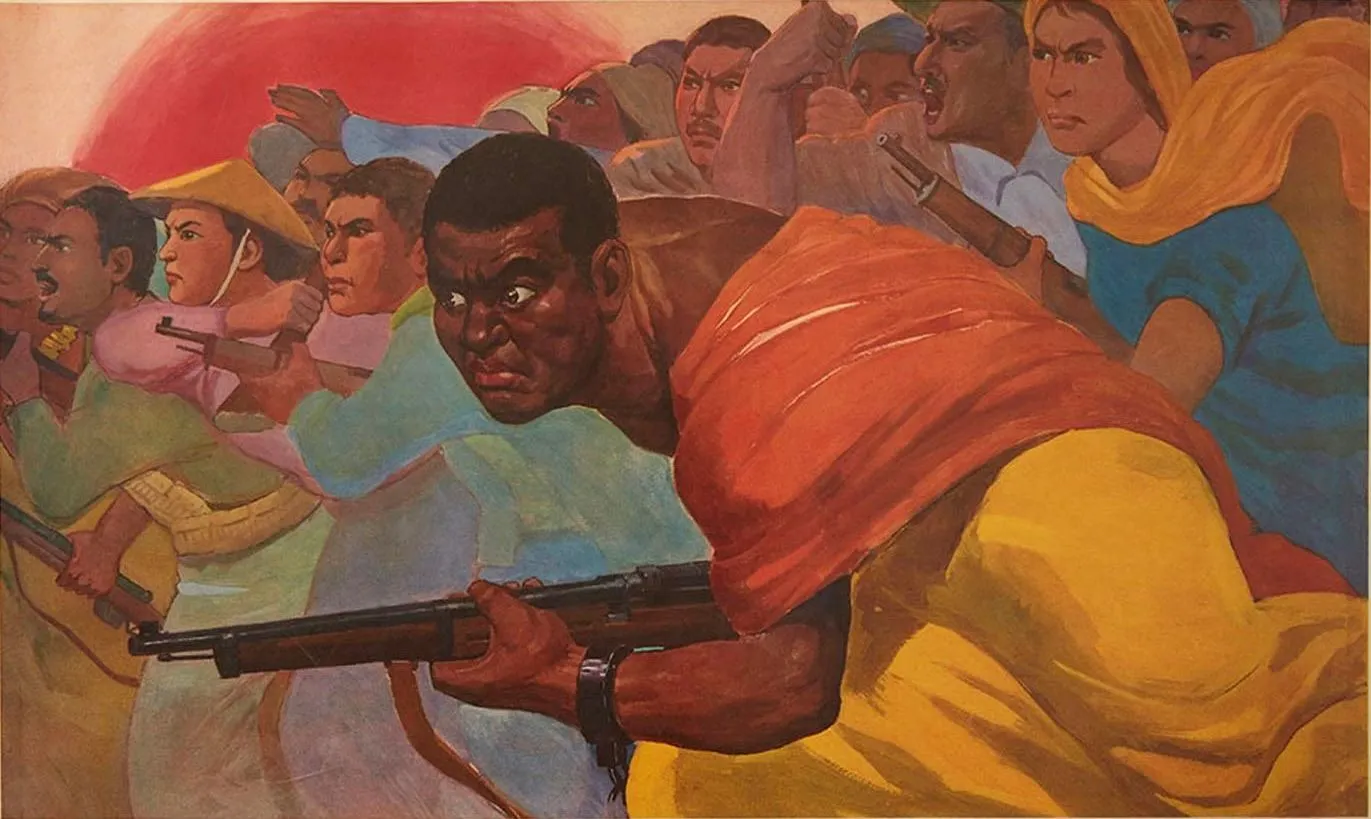
“Use Their Institutions to Promote Their Own Interests”: Competing Global Visions from 1975 to 1991
A discussion of how we can teach the end of the Cold War and the last decades of the twentieth century in world history.