“The Earth Was Covered in Snow”: China and the Middle East in the Seventeenth Century
Discussion of teaching the Little Ice Age in the Chinese and Ottoman Empires

For over fifty years, historians have recognized the significant number of political and economic crises in the seventeenth century. In 1954, Eric Hobsbawm called these events “the general crisis” of the seventeenth century. Other historians expanded on the argument and noted that similar crises occurred in other parts of the world. In the previous post, I discussed Geoffrey Parker’s Global Crisis: War, Climate Change and Catastrophe in the Seventeenth Century and his short article “Lessons From the Little Ice Age.” Parker expanded the European “general crisis” into a “global crisis” and integrated the Little Ice Age. Even though Parker’s arguments are compelling, it can be daunting to imagine integrating a 900-page book into a world history course. Parker released a 650-page “abridged” edition, which may still be more than most teachers need.
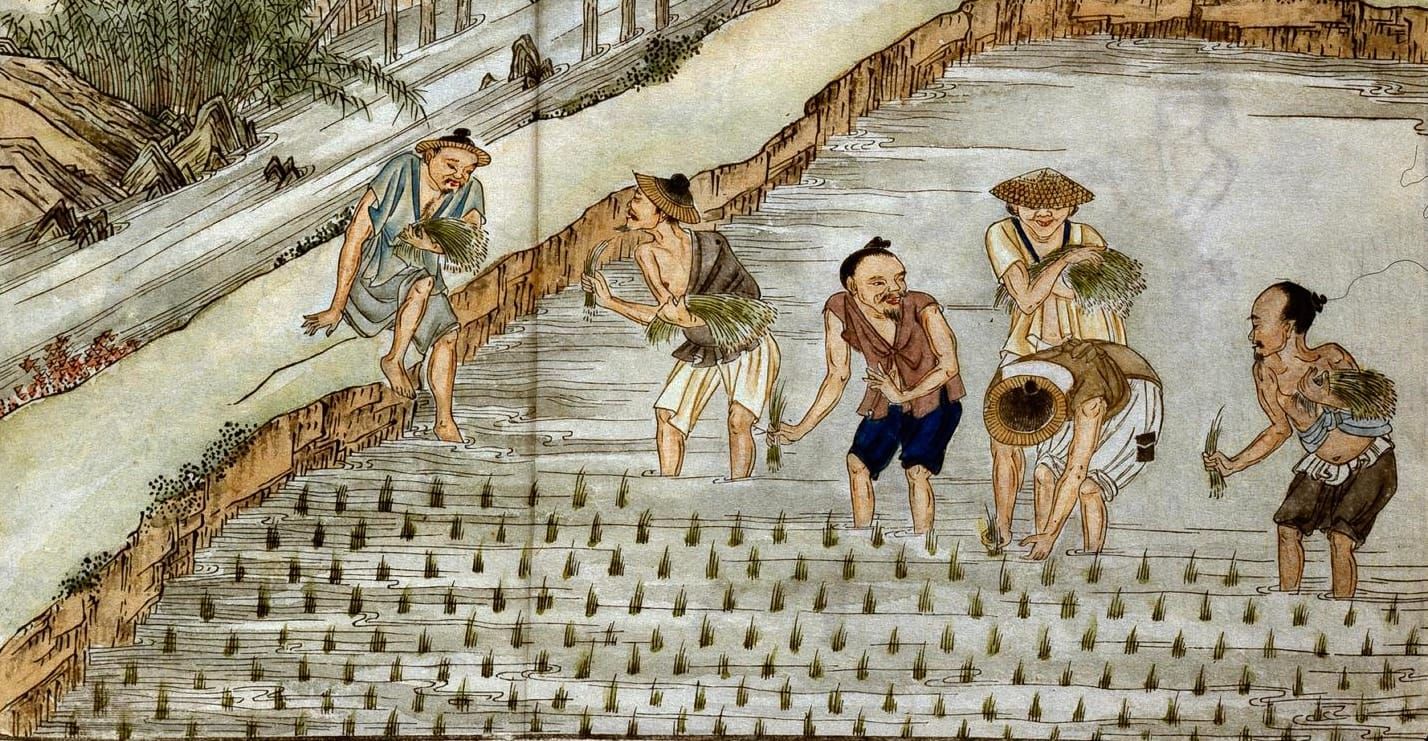
The challenge of the global crisis is figuring out how to integrate it into what we’re already teaching in world history. Lots of scholarship has been published on the War of the Three Kingdoms (the English Civil War) and the Thirty Years’ War, but we don’t need to spend any more time on those topics in a world history course. Fortunately, we can focus on two topics we already teach about in most world history courses: the seventeenth-century transitions in the Ottoman Empire and China. Integrating a climate perspective into these topics changes how we understand (and therefore teach) the alleged “decline” of the Ottoman Empire and the transition from the Ming to Qing Dynasties.
Rethinking Ottoman “Decline”
This content is for Paid Members
Unlock full access to Liberating Narratives and see the entire library of members-only content.
SubscribeAlready have an account? Log in