“A Constant Succession of Flames and Smoke”: Jingdezhen, the Chinese Porcelain Industry, and its Global Appeal, c.1400 - c.1800
Visualizing the global popularity of Chinese porcelain in the First Global Economy

A friend recently asked me about the most underrated country I’ve visited. I was torn between Albania and Malaysia. Both are special, but in different ways. His question was geared toward general travel, but it made me think about the most underrated historical site I’ve visited. For historical sites, it’s definitely the imperial pottery workshop in Jingdezhen, China.
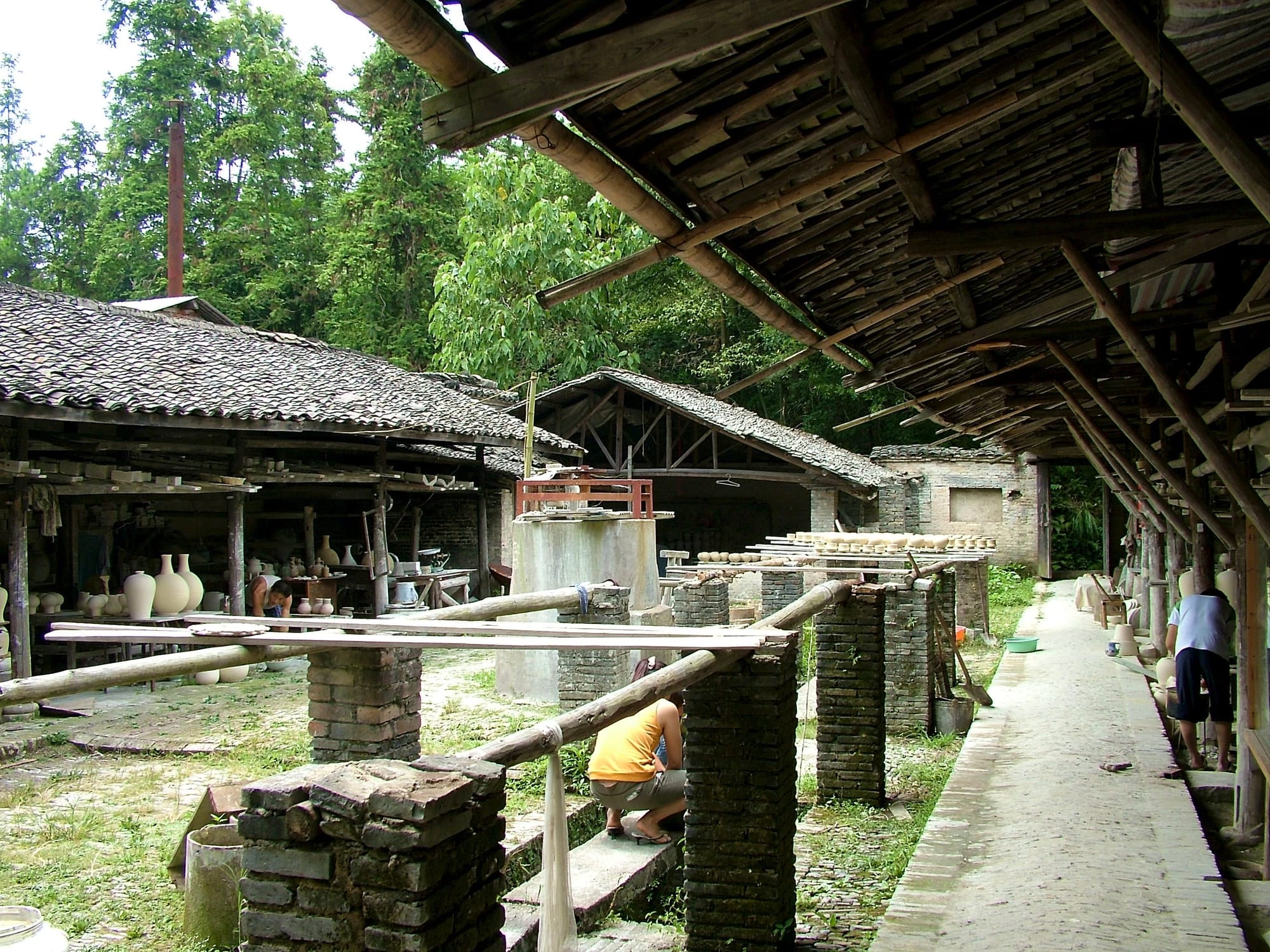
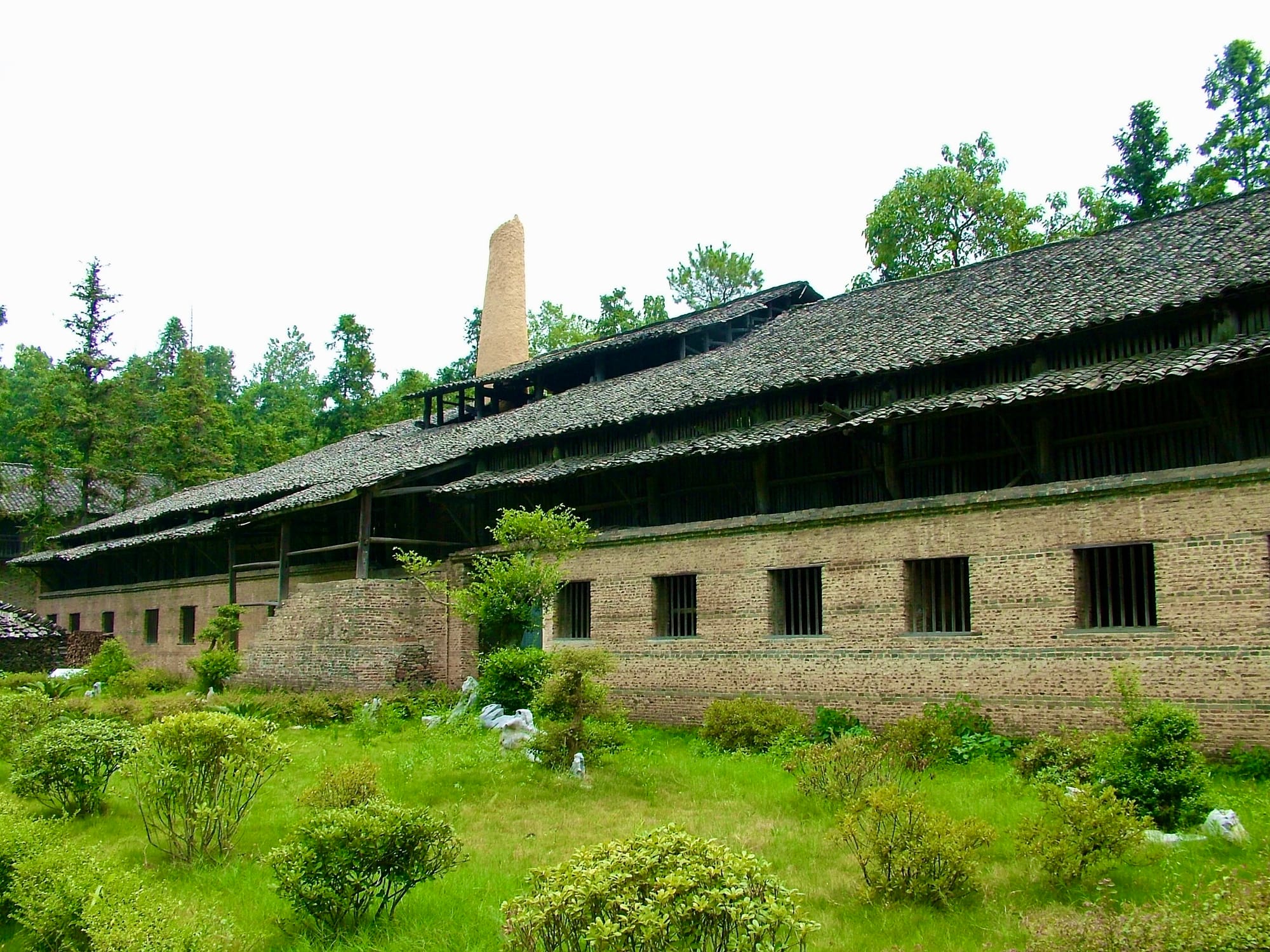
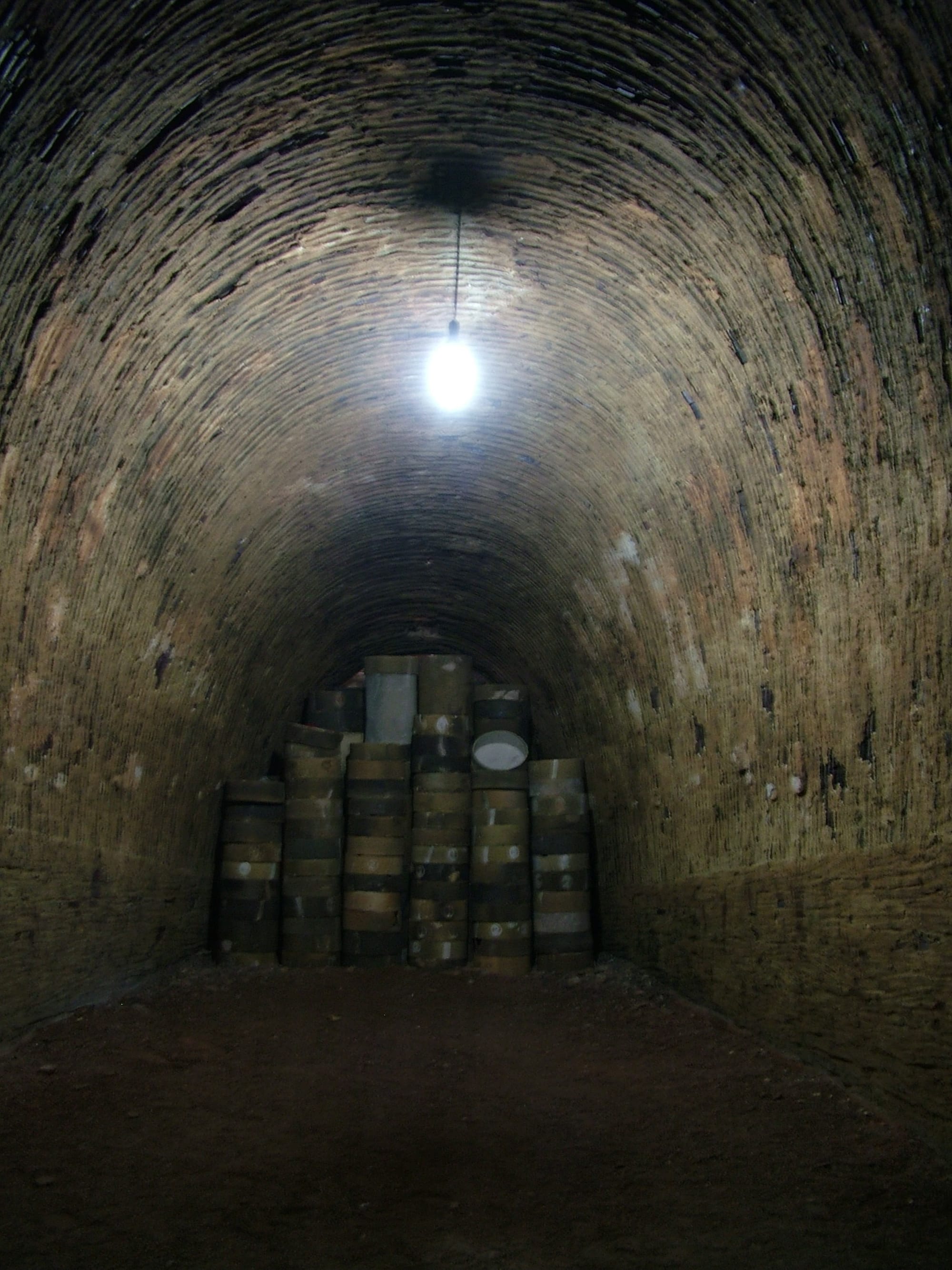
Left: Pottery workshops. Middle: Imperial kiln. Right: Saggars stacked inside the kiln. Photos by Bram Hubbell.
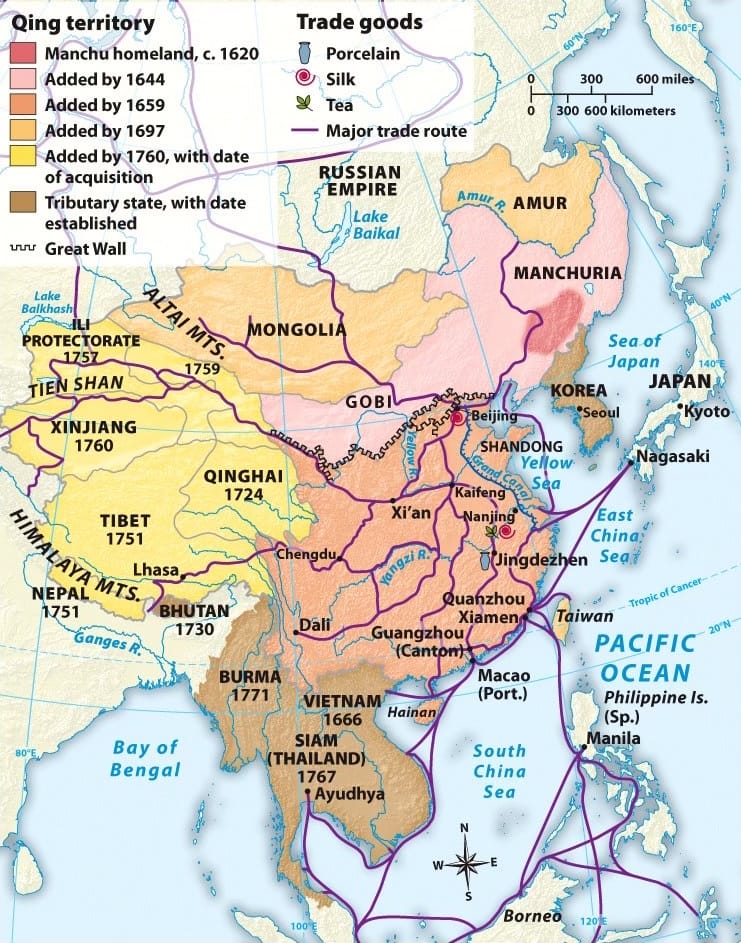
I went there in August 2005 as part of a two-month overland trip through China. I had already visited Beijing, Xi’an, and Shanghai, so I had seen a lot of Chinese historical sites. Jingdezhen felt totally different. I didn’t know much about the site before I visited, but I knew the Ming and Qing imperial kilns were located there. For centuries, Jingdezhen was the most important city for Chinese porcelain manufacture.
When I visited, I quickly learned that Jingdezhen was far off the foreign tourist trail in China in 2005. I was probably the only foreigner there. English-language signs were limited. Despite these challenges, I was still impressed. The pictures above don’t convey the workshop’s size, but it was far bigger than I imagined. During the previous summer, I had visited a number of English sites associated with the origins of the Industrial Revolution. They were relatively small sites; Jingdezhen was massive in comparison. As I walked around the workshops and the kiln, it was easy to imagine how Jingdezhen was one of the most important Early Modern manufacturing centers.
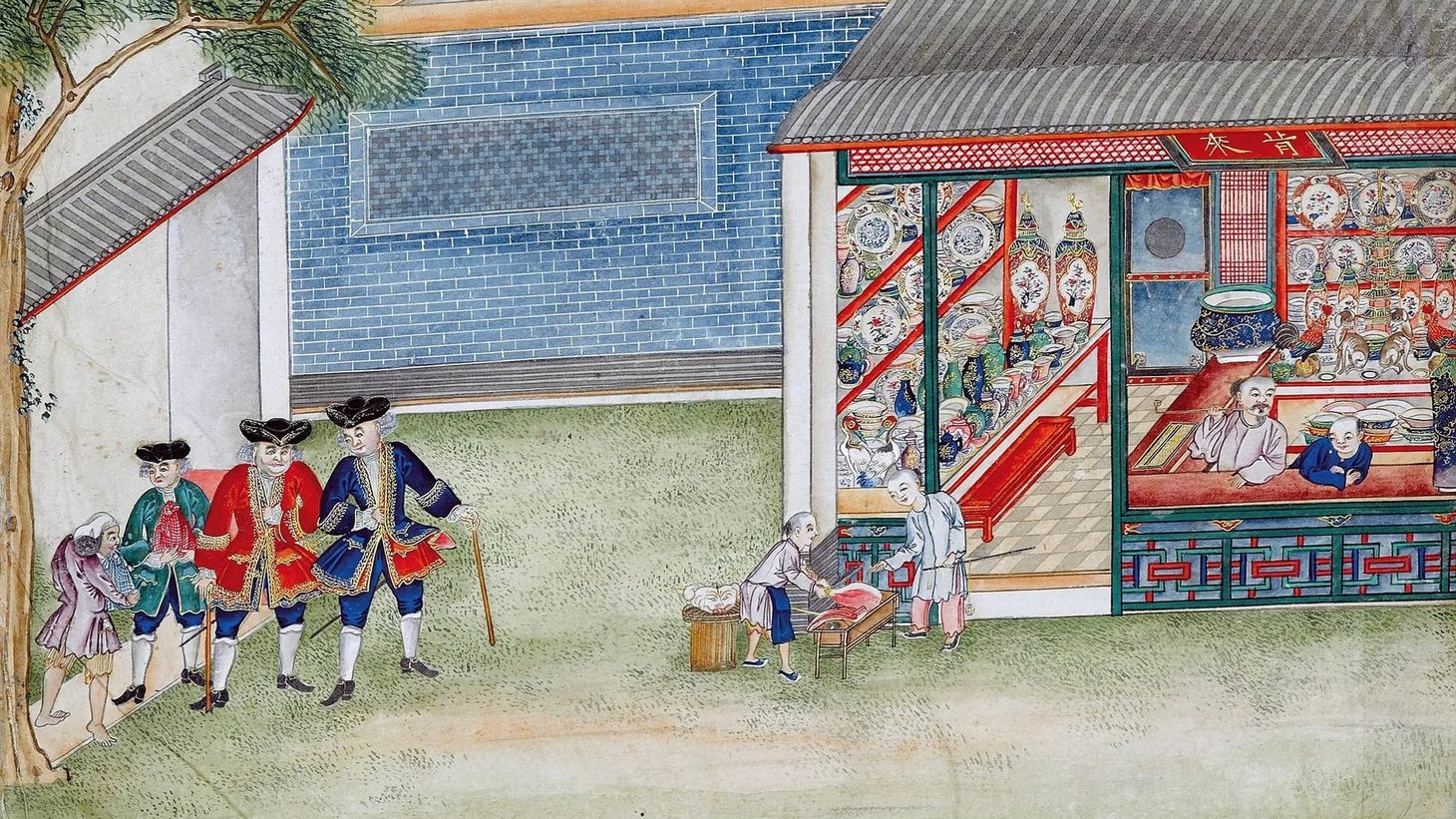
When teaching the First Global Economy, the first product that comes to mind is often spices. In the fifteenth and sixteenth centuries, Europeans set off to find the source of spices, but they were not the most desired trade item in the first global economy. That distinction belongs to Chinese porcelain. In this post, I’ll share some primary sources about the manufacture of porcelain in Jingdezhen and some other sources that can help students visualize the global popularity of Chinese porcelain between 1400 and 1800.
Manufacturing Porcelain
It’s difficult to give an exact date for the origins of porcelain. We know the Chinese began refining the quality of their standard pottery thousands of years ago. By the Song Dynasty (960-1279 C.E.), we can talk about porcelain as a specific type of pottery. By 1200, the region around Jingdezhen emerged as a distinct center of pottery manufacture. During the Ming and Qing Dynasties, the city housed the official imperial kilns. (For a more detailed history of the development of porcelain, Anne Gerritsen’s The City of Blue and White: Chinese Porcelain and the Early Modern World is an excellent resource.)
This content is for Paid Members
Unlock full access to Liberating Narratives and see the entire library of members-only content.
SubscribeAlready have an account? Log in