“All this Silver of Japan”: Japanese Silver and the First Global Economy
How Japanese silver was critical to the First Global Economy

The global silver trade has been a staple of world history courses for over twenty-five years. When I started teaching world history, Dennis Flynn and Arturo Giráldez had recently published “Born with a ‘Silver Spoon’: The Origin of World Trade in 1571” in The Journal of World History. Their article was one of those exciting resources that could easily be adapted to the classroom. It was the ideal article for a Harkness discussion or a Socratic seminar.
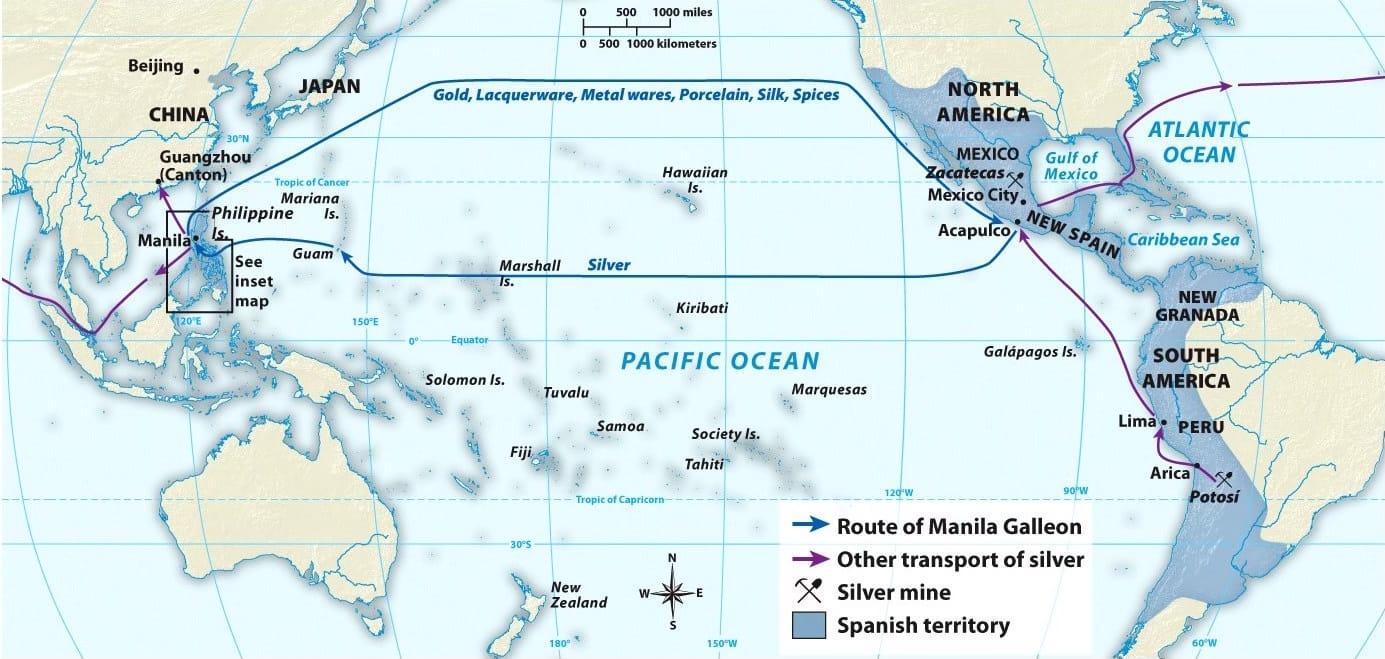
When I began collecting resources for this series on the First Global Economy, I reread the article. Flynn and Giráldez focus extensively on the supply of silver from the Americas, the Chinese demand for silver, and the critical role of Manila as the connector between the Americas and China. They briefly mention the importance of Japanese silver:
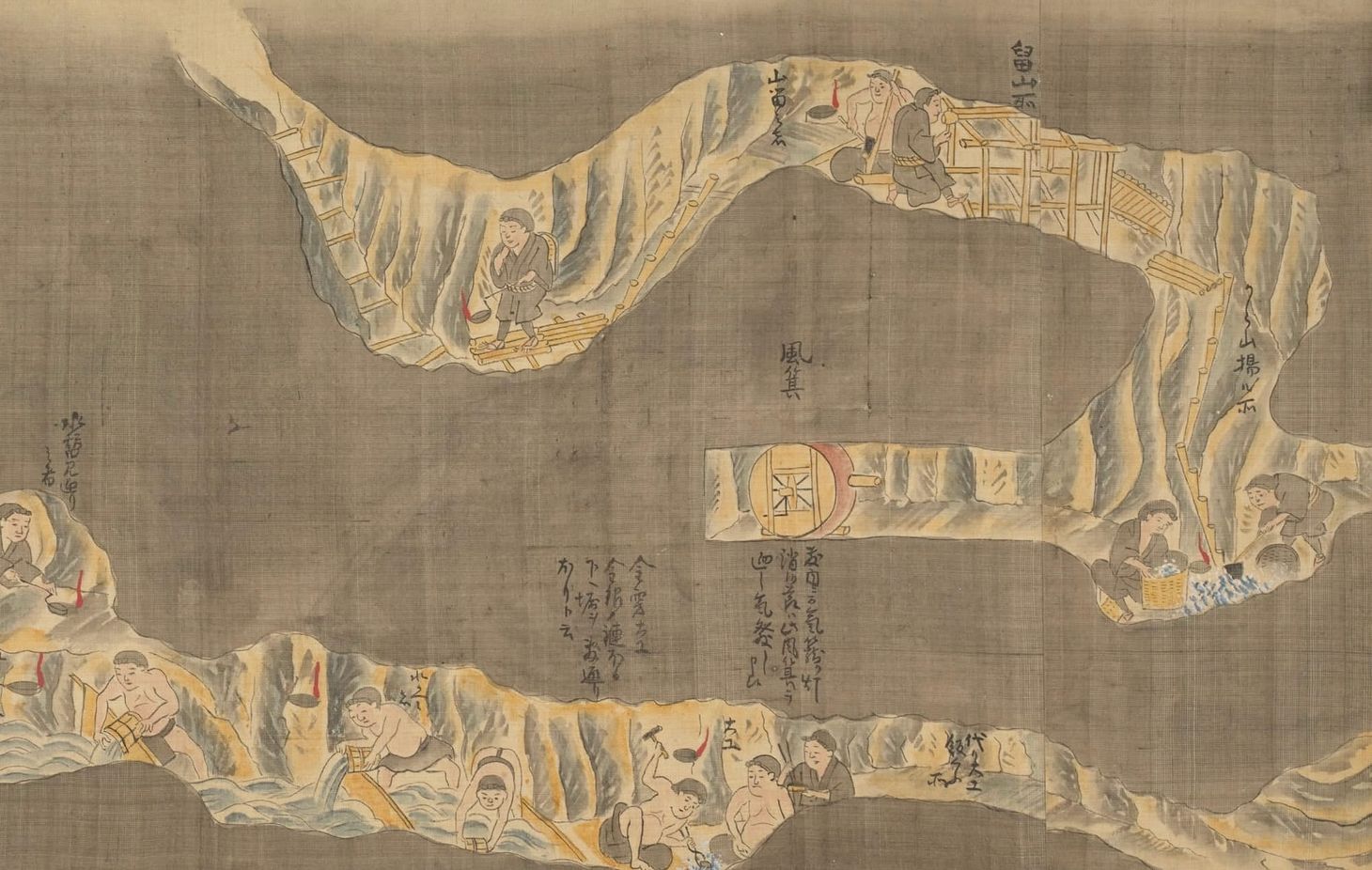
Despite America’s dominance in silver production over three centuries, Japan may have been the primary exporter of silver to China in the late sixteenth and early seventeenth centuries, shipping perhaps 200 tons per year at times.
For at least fifty years, Japanese silver was critical to the development of the global silver trade, but Flynn and Giráldez focus more on the founding of Manila in 1571. While the Americas may have sent more silver to Asia over three centuries than Japan did in a century of exports, was Manila’s founding really “the origin of world trade”? In this post, I’ll discuss a few resources that highlight Japan’s role in the development of the world silver trade and the first global economy.
Introducing the Global Silver Trade
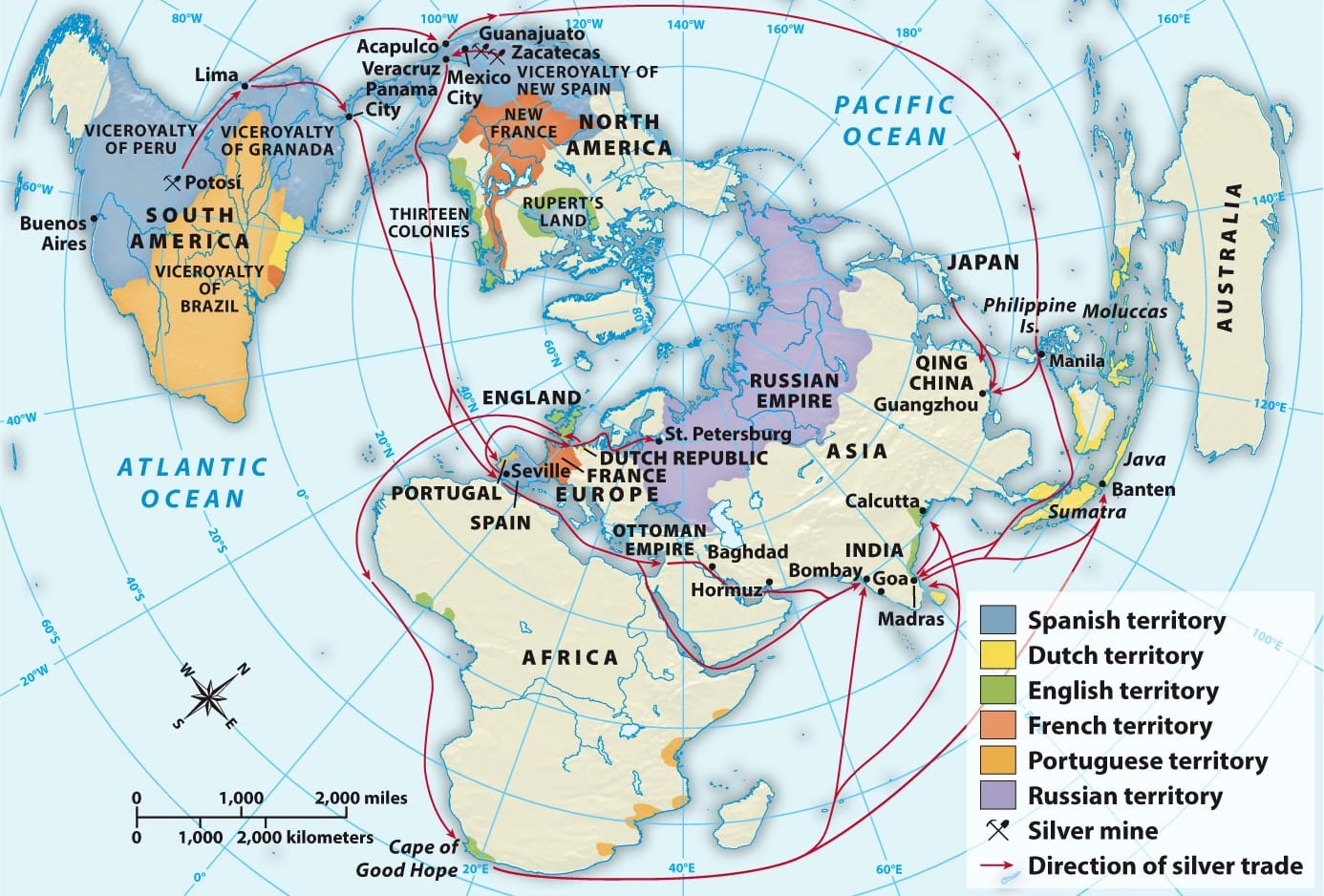
Flynn and Giráldez’s article is still an excellent resource for teaching the global silver trade. Pair it with the Crash Course episode on “The Spanish Empire, Silver, and Runaway Inflation.” The first two-thirds of the episode focuses on Spain’s conquest of the Americas and its wars in Europe, but the final third provides an excellent overview of the global silver trade.
Columbia University’s Asia for Educators published “What is Modern? China and Europe: 1500-21st Century” in 2005. It’s a unique website that makes R. Bin Wong and Kenneth Pomeranz’s research more accessible to students. It even includes short interview videos with them discussing their scholarship. There is an excellent page on the silver trade, which includes the short video clip above. I’ve always used this clip with students because it helps reframe how we teach the silver trade. Pomeranz’s main point is that we need to focus more on Chinese demand for silver than on the American supply. He also emphasizes that the global silver trade originated with Japanese supply, which began exporting throughout East Asia in the early 1500s.
Three Descriptions of Japan’s Silver
This content is for Paid Members
Unlock full access to Liberating Narratives and see the entire library of members-only content.
SubscribeAlready have an account? Log in