Blog
Greater East Asia and Second World War Propaganda
Teaching the East Asian theater of the Second World War using propaganda posters
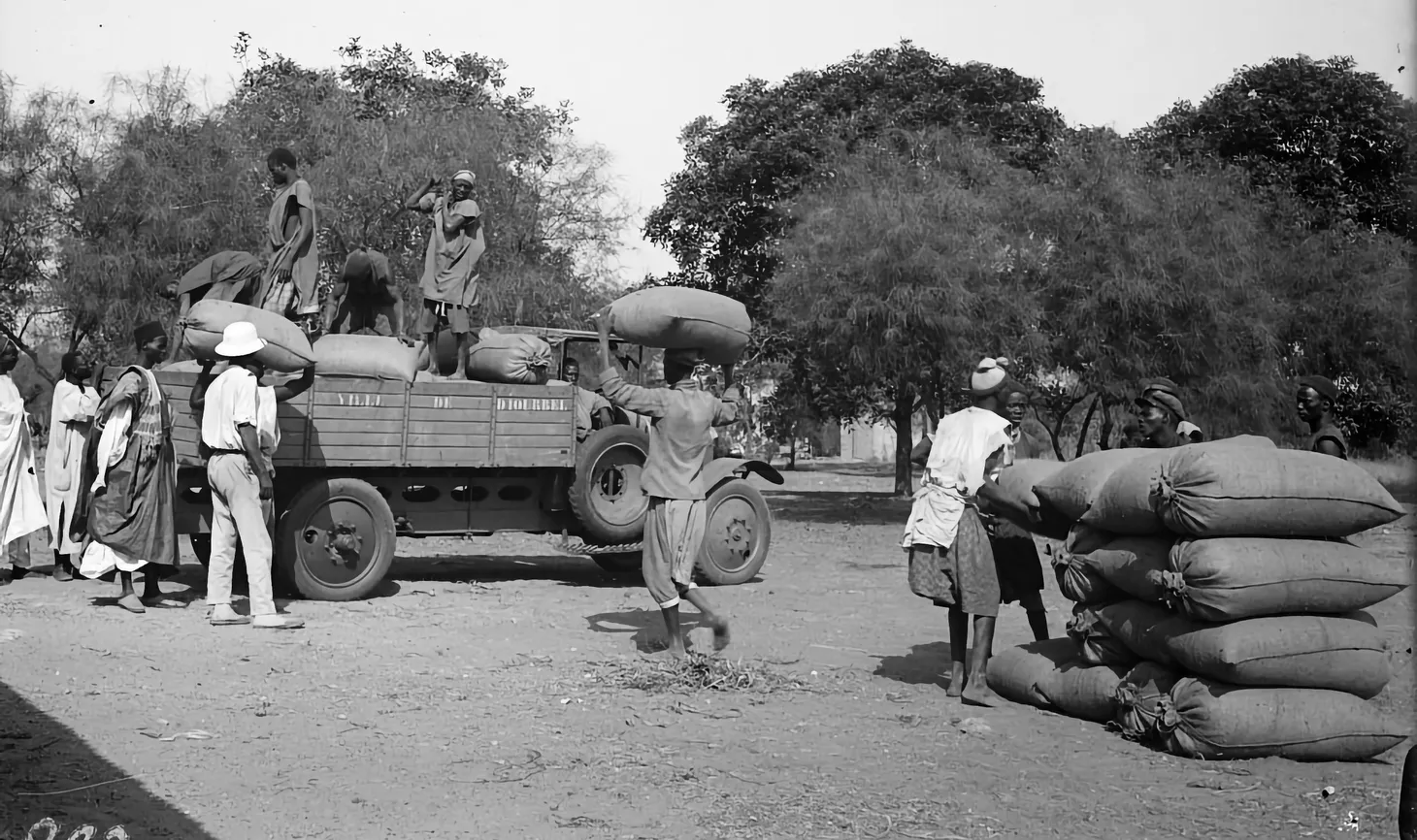
“A Situation of Complete Inertia and a Widespread Apathy”: Teaching Everyday Resistance to French Imperialism in Senegal in the 1920s and 1930s
What were the weapons of the weak in French Senegal?
“Hunger Was the Word I Heard Most”: Stalin’s First Five-Year Plan and Its Consequences
Discussion of teaching the Holodomor using primary sources
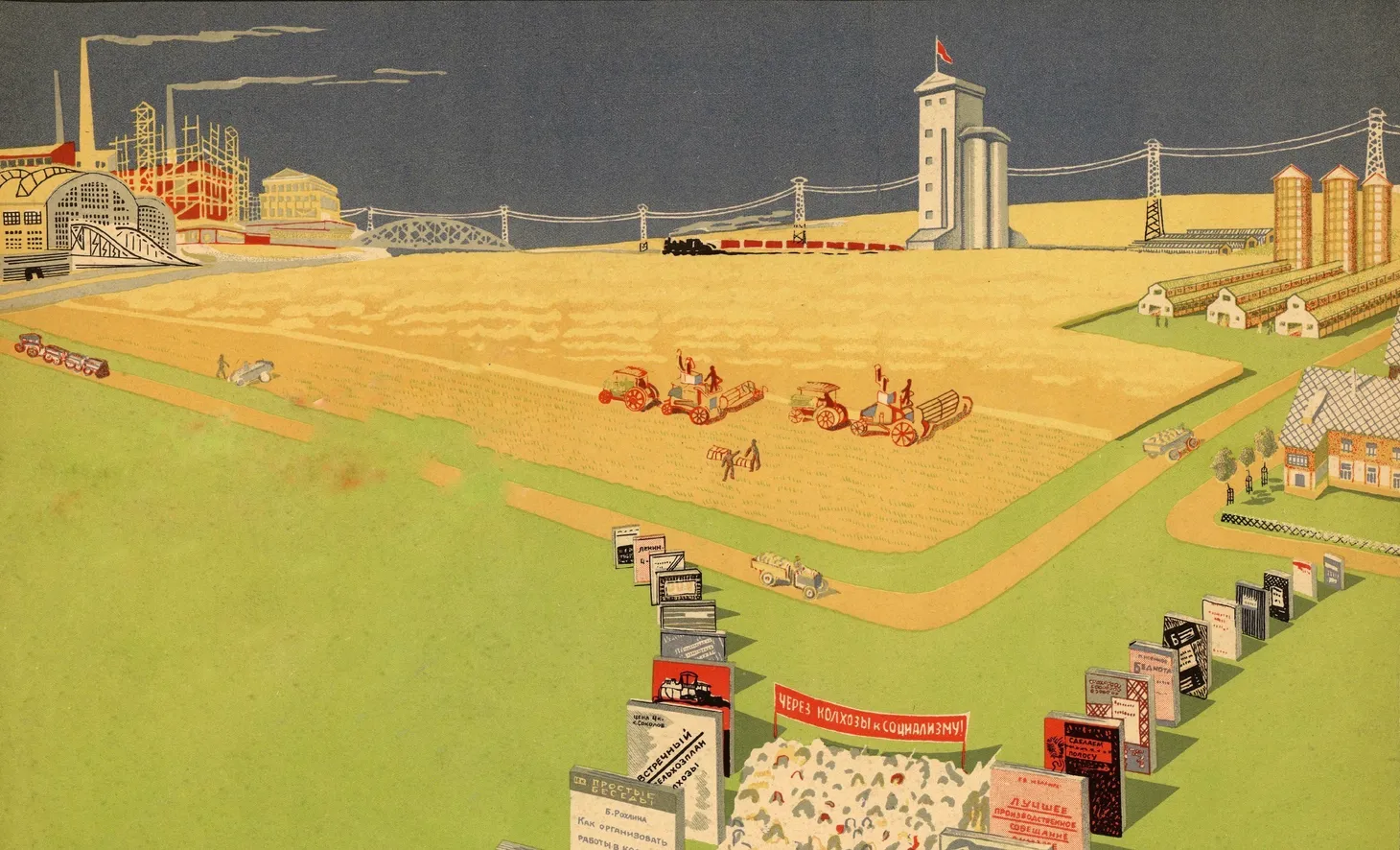
The Changing Role of Government Involvement in the Economy in the 1930s
Teaching how states worldwide took a more active approach to directing economic development in the 1930s
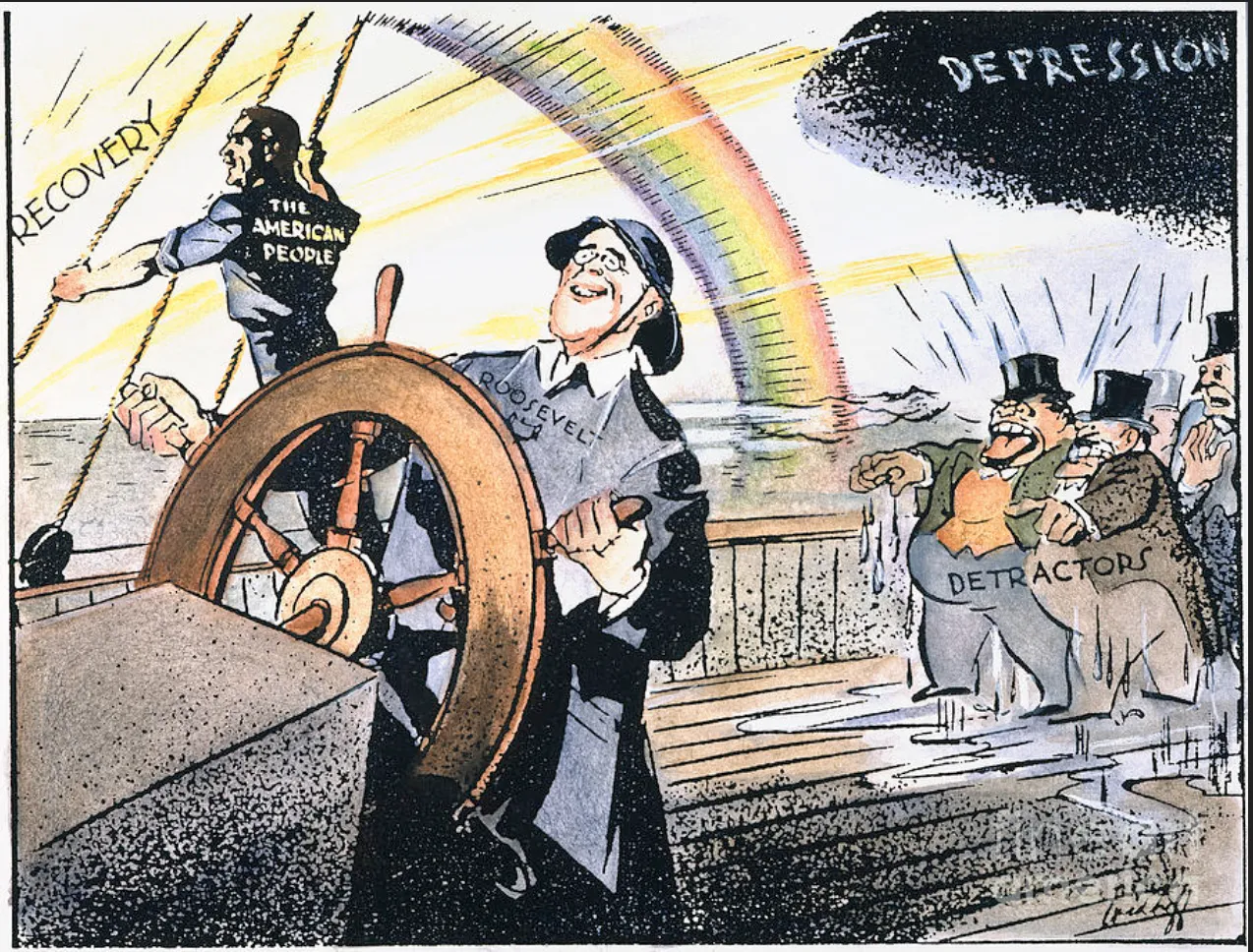
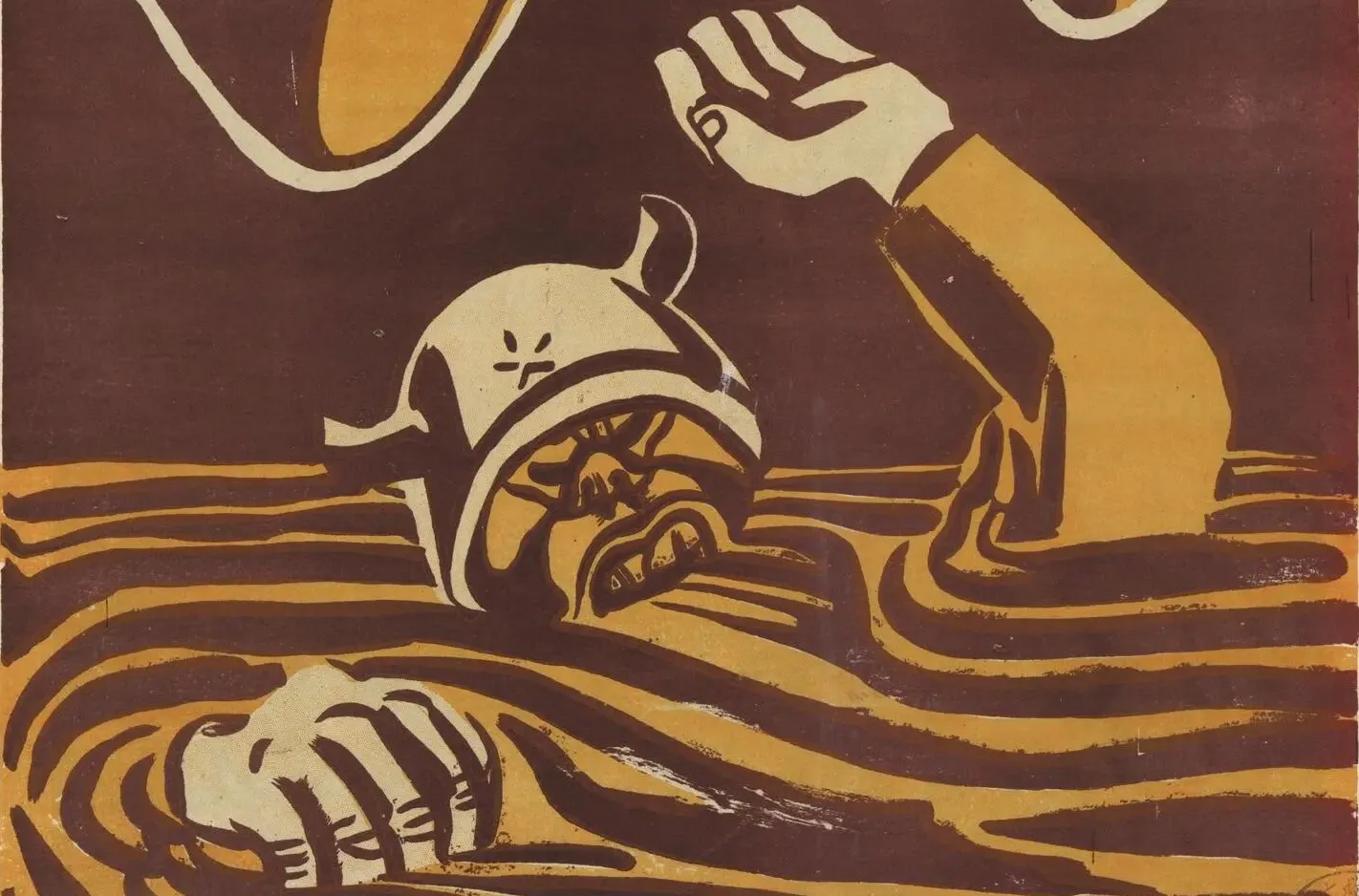
“The Deadliest Instrument of Warfare Yet Devised”: Teaching the Consequences of New Technology in the First World War
Discussion of primary sources for teaching the effects of poisonous gas in the First World War
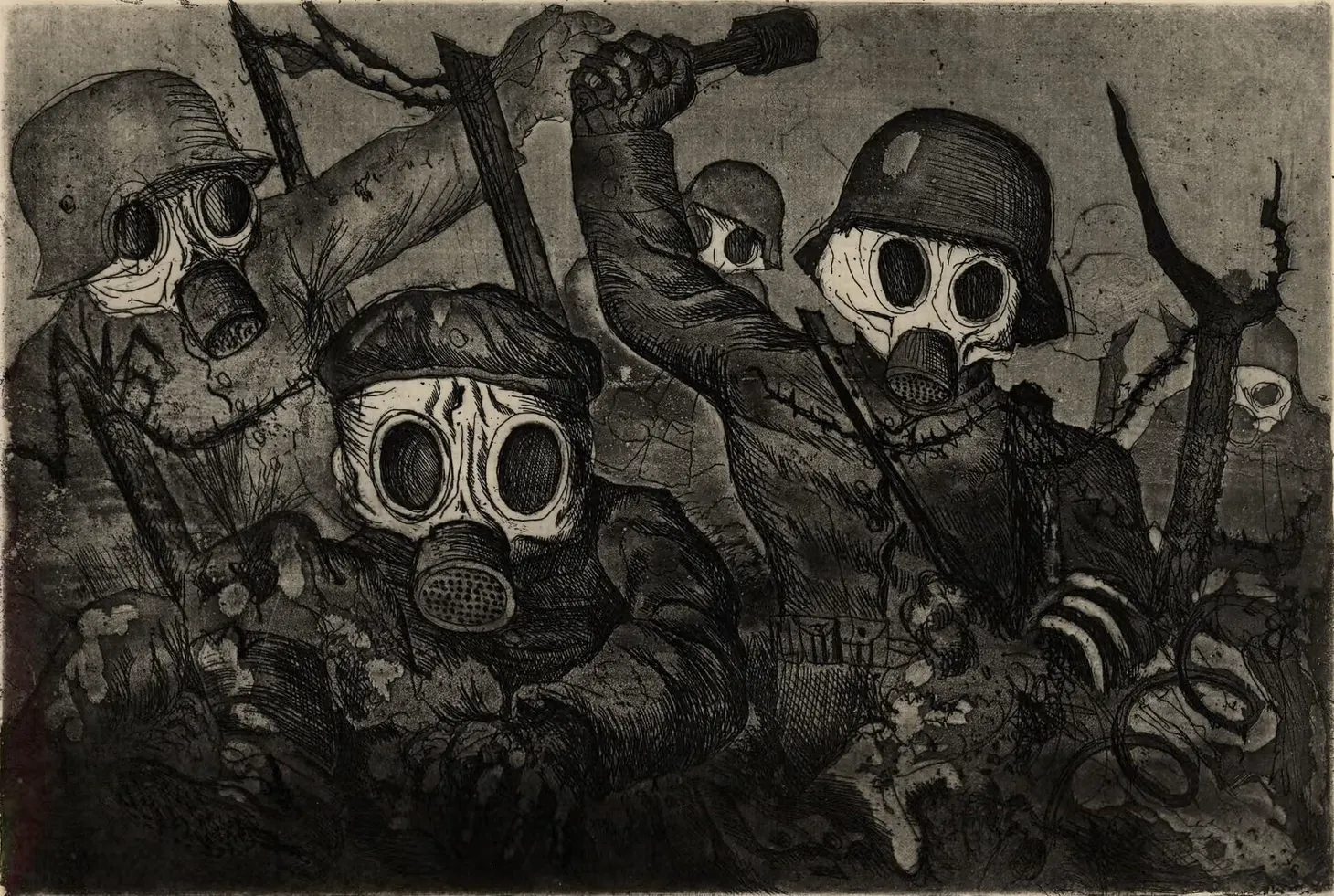
Total War and the Ottoman Empire
Using Ottoman primary sources to teach total war
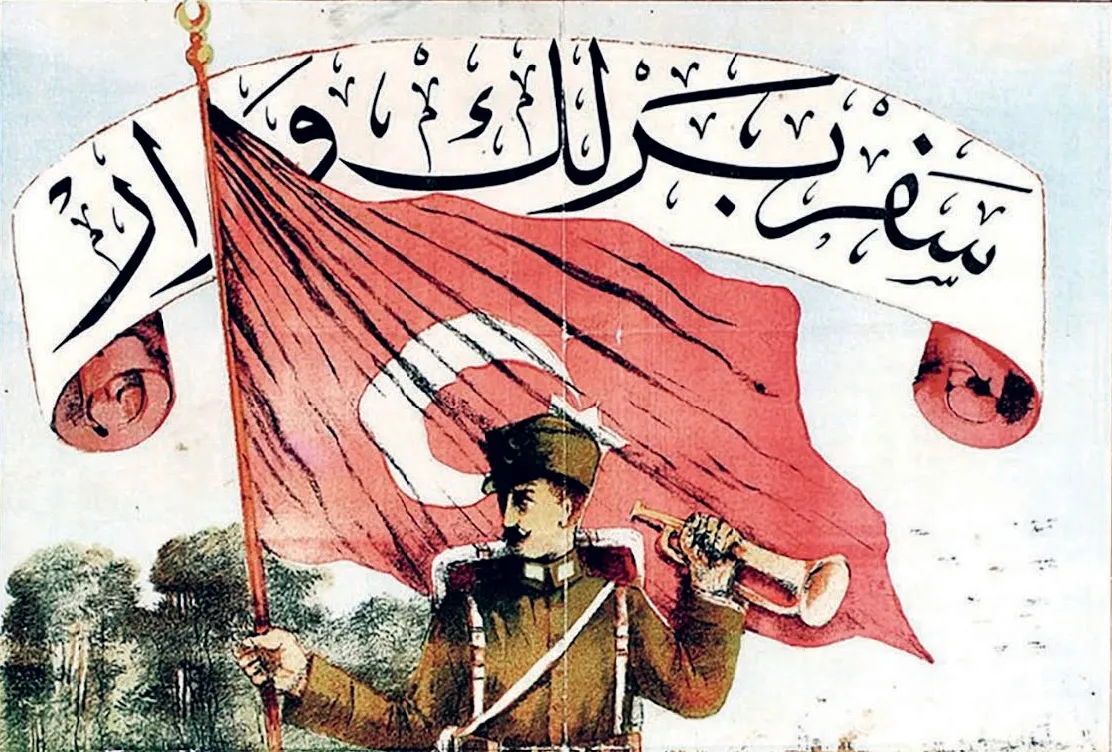
British Justifications for Colonizing Southeast Asia
Teaching how the British justified imperialism in Southeast Asia
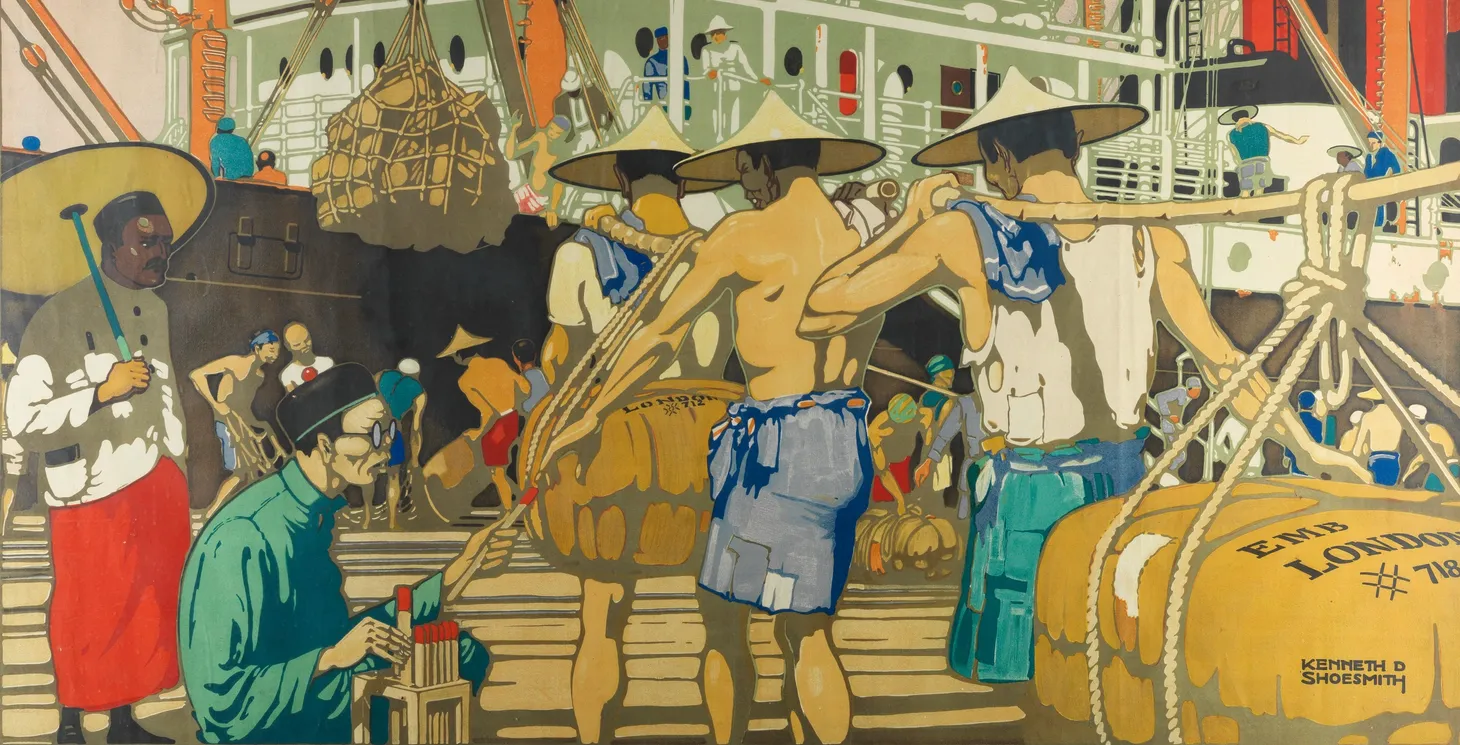
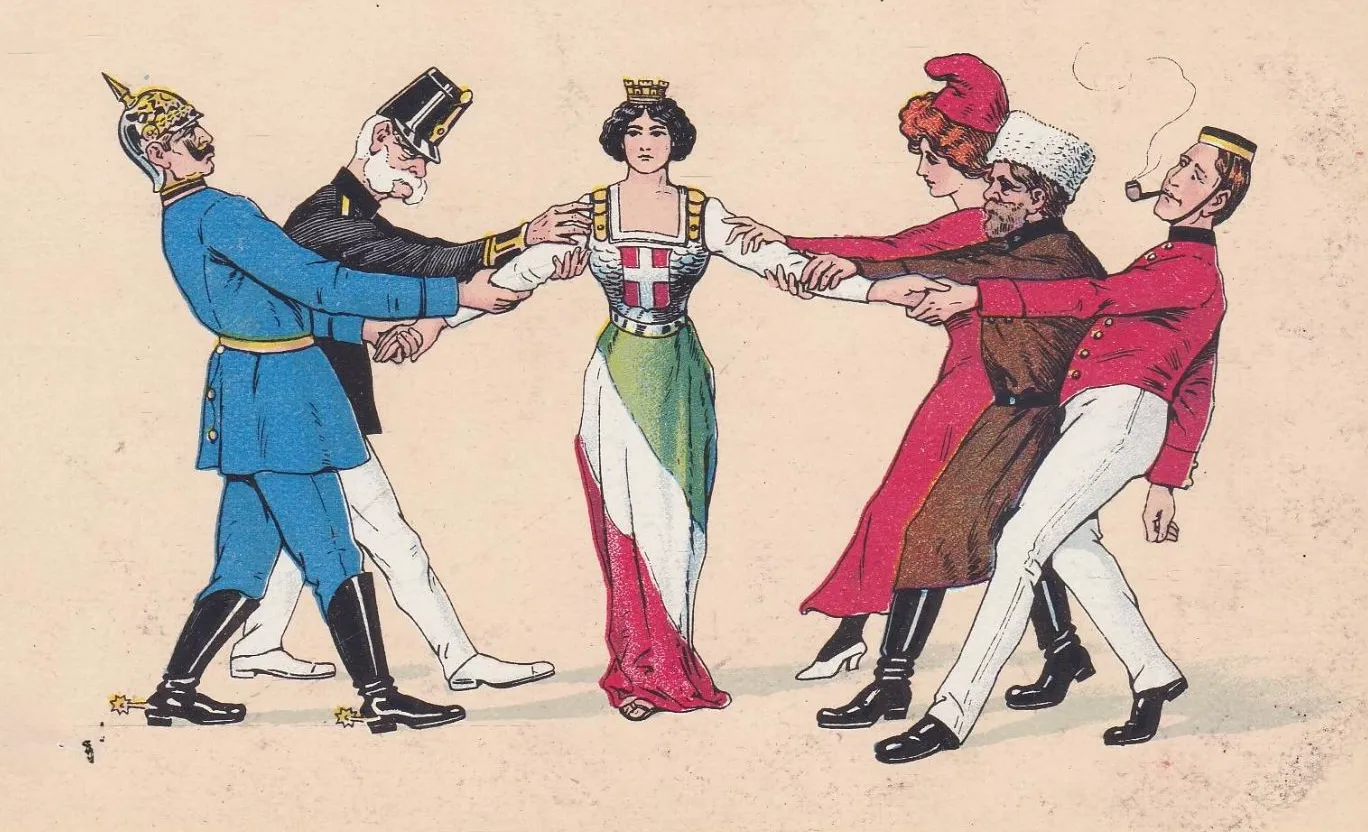
Visualizing the Causes of the First World War
Teaching the causes of the First World War with maps and illustrations
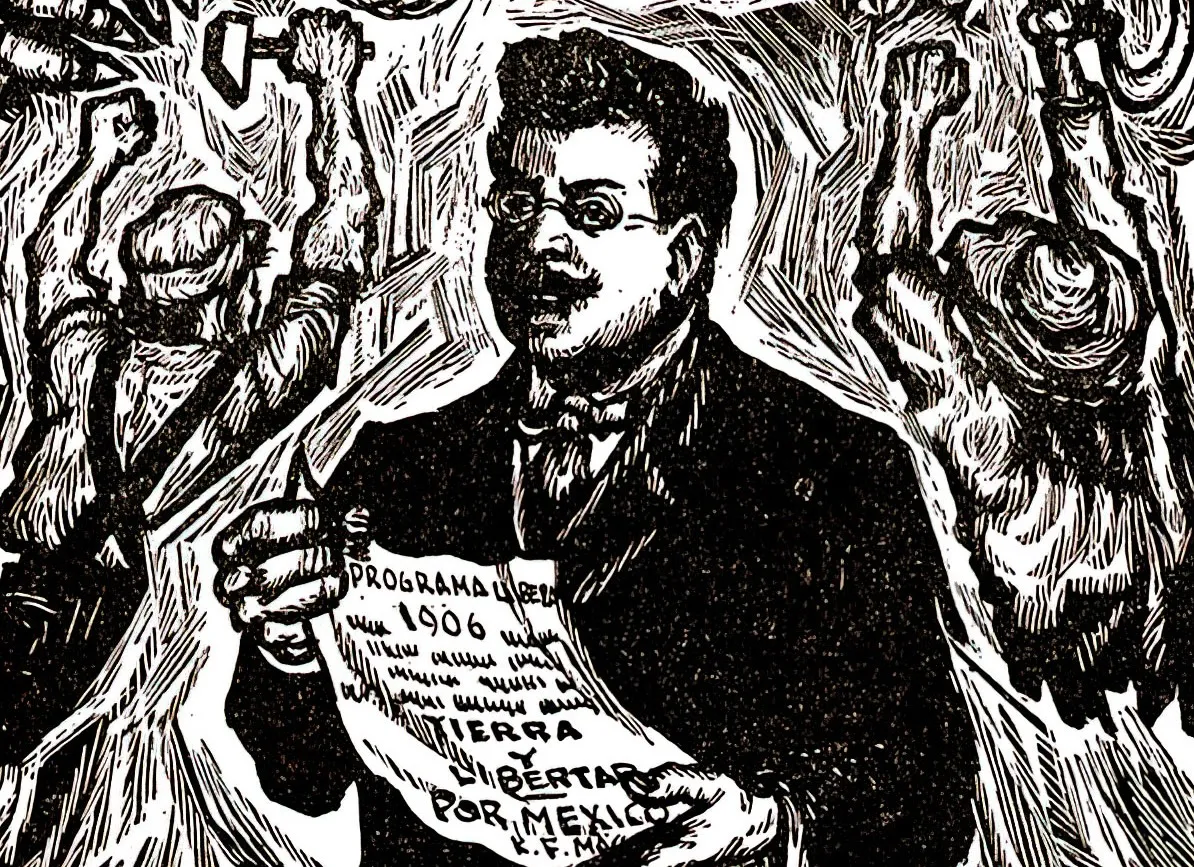
“You Will Have Liberty and Justice”: Teaching the Origins of the Mexican Revolution
Using Ricardo Flores Magón to Teach the Mexican Revolution
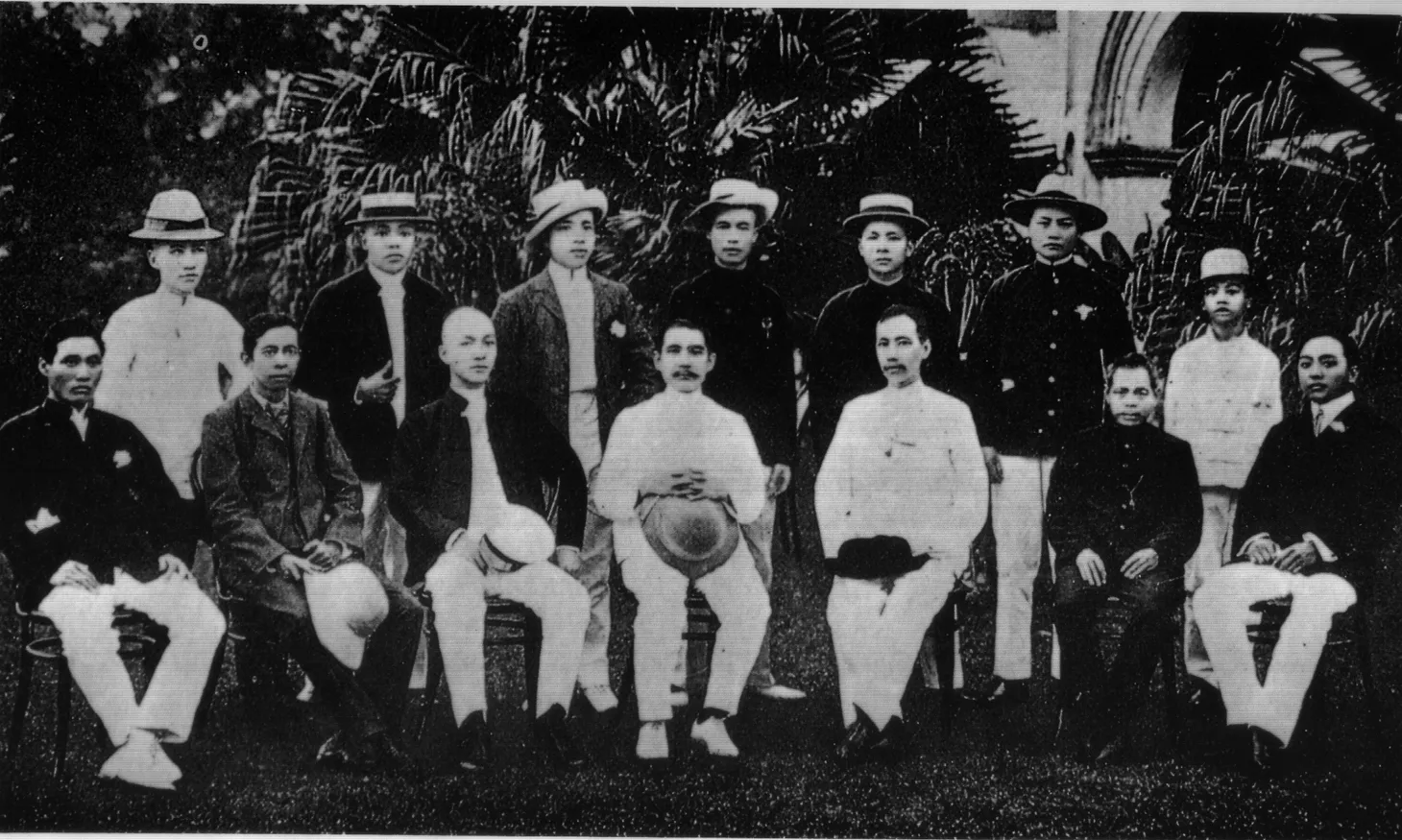
“Restore China to the Chinese”: Teaching the 1911 Chinese Xinhai Revolution
Teaching the 1911 Chinese Revolution