“Colonialism in All Its Manifestations is an Evil”: The Bandung Conference and Anti-Imperial Solidarity
Teaching anti-imperial solidarity using the Bandung Conference

In a recent post on Southeast Asian resistance to French imperialism, I discussed how Zohran Mamdani’s St. Patrick’s Day remarks serve as a model for teaching imperialism and anti-imperialism. He emphasized resistance, individual stories, and Ireland’s history of anti-imperial solidarity. I discussed how Mamdani’s first two themes appeared in French Southeast Asia, but I want to focus on solidarity in this post. Mamdani quoted St. Patrick’s words, “Weep with those who weep.” Expressing support for other people’s struggles against imperialism and colonialism has been a recurring theme in twentieth-century Irish history. As teachers, we can highlight how Africans and Asians regularly supported other people fighting against imperialism.
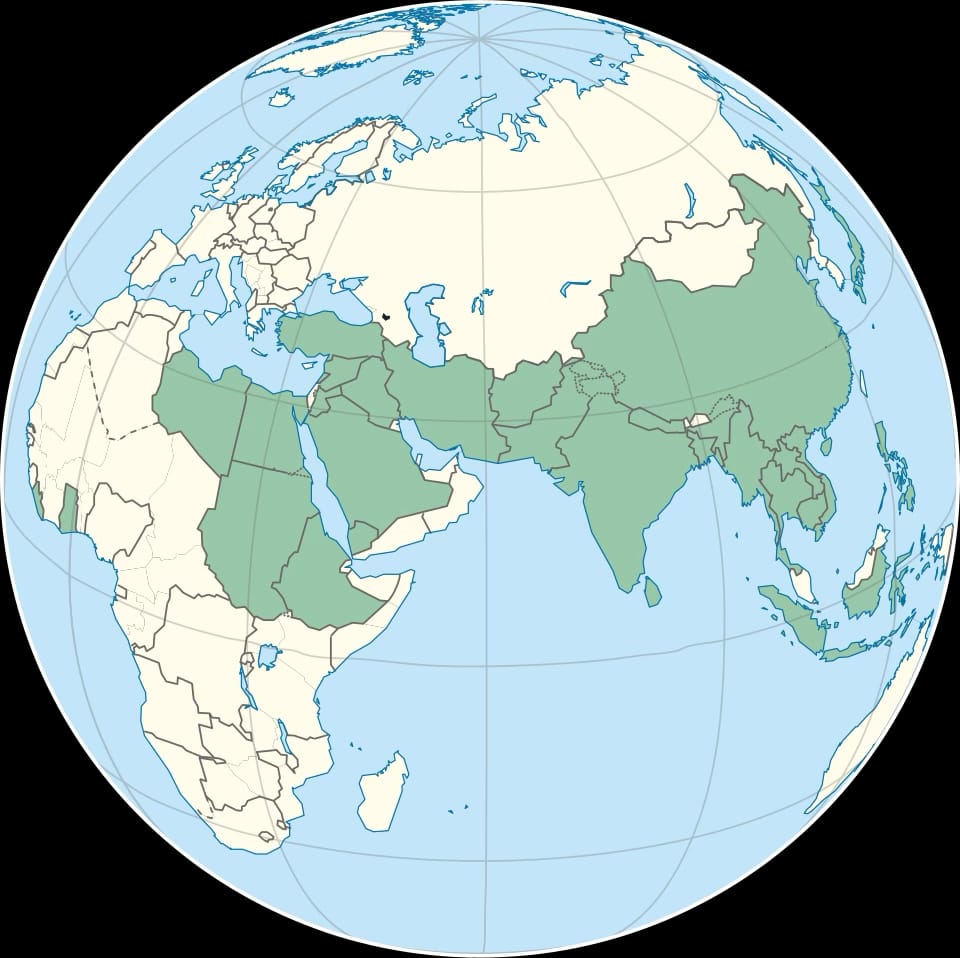
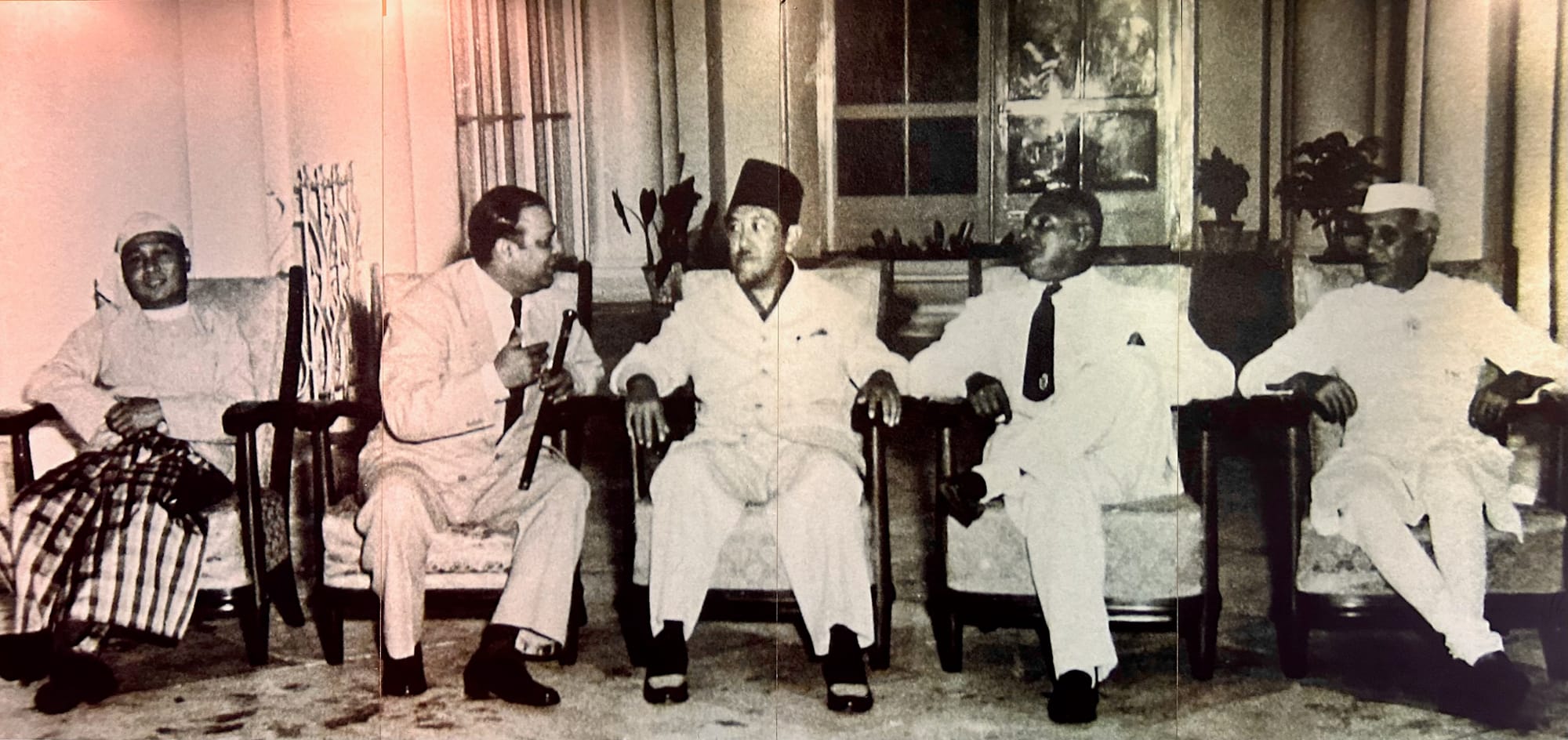
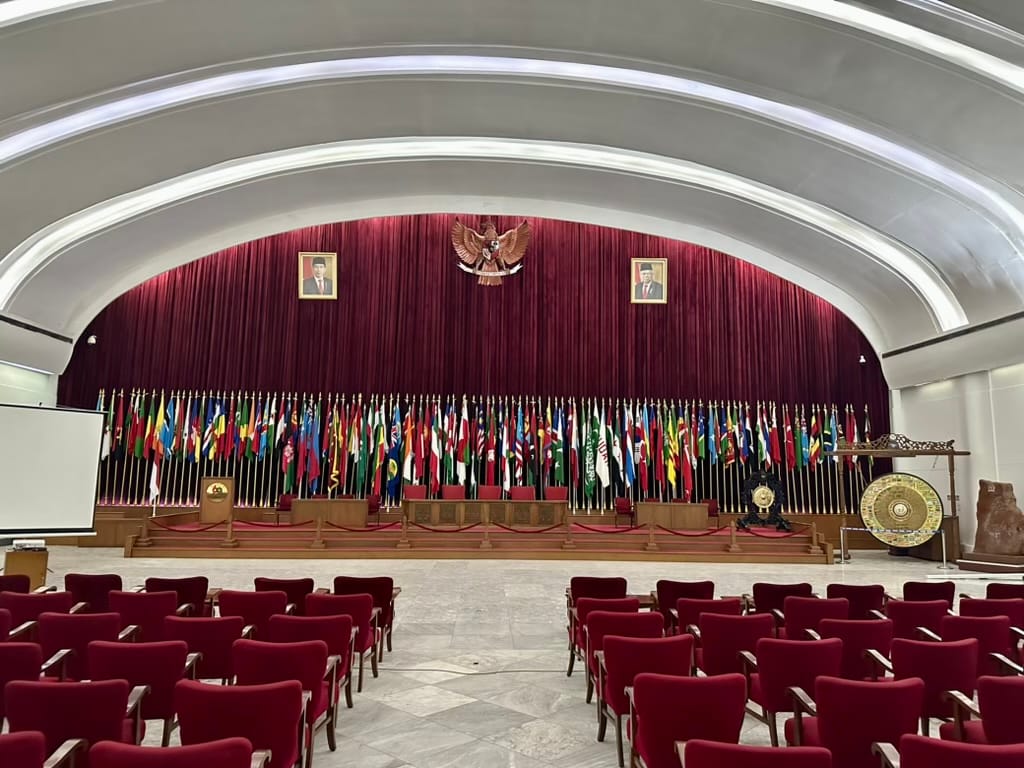
Left: Map of participants from the Bandung Conference. Source: Wikimedia Commons. Middle: Photo of U-Nu of Burma, Mohammed Ali of Pakistan, Ali Sastroamidjojo of Indonesia, John Kotwelawala of Ceylon, and Jawaharlal Nehru of India at the Bandung Conference. These five countries organized the Bandung Conference. I took a photo of this photo at the Bandung Conference Exhibit Hall. Right: Bandung Conference Exhibit Hall. Photo by Bram Hubbell.
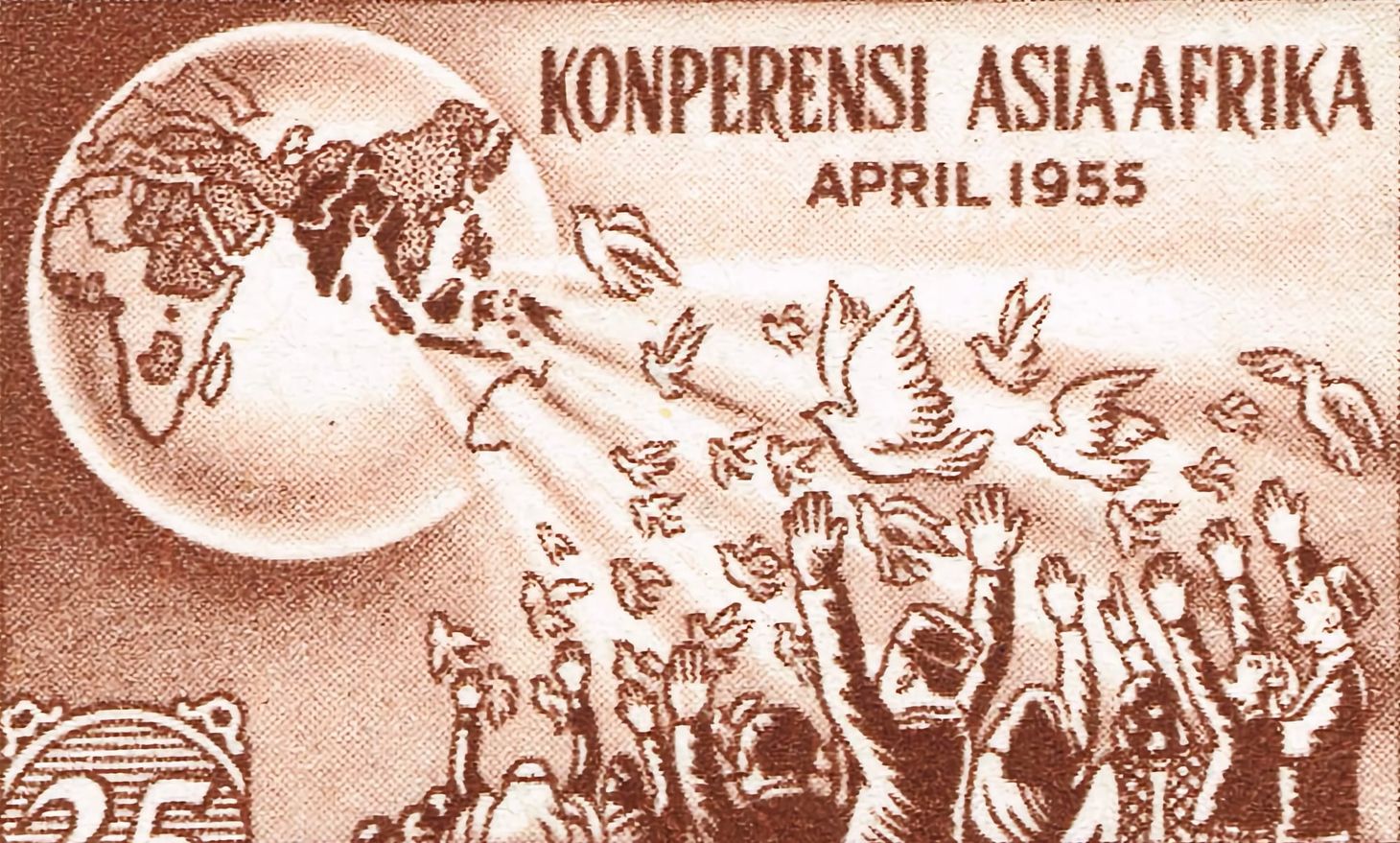
An ideal event to emphasize anti-imperial solidarity is the April 1955 Asian-African Conference in Bandung, Indonesia. Most historians call this gathering the Bandung Conference. I’ve written about Bandung before, but only briefly. Representatives from Burma (present-day Myanmar), Ceylon (present-day Sri Lanka), India, Indonesia, and Pakistan organized the conference. Historians often focus on how Bandung was the birthplace of the Non-Aligned Movement. While figuring out a response to pressure from the United States and the Soviet Union to choose sides in their ideological struggle, the conference also focused on helping still-colonized peoples gain independence and facilitating cooperation among African and Asian peoples. An ideal resource to help students understand the goals of Bandung is Selected documents of the Bandung Conference: texts of selected speeches and final communique of the Asian-African Conference. The Institute of Pacific Relations published this book in 1955. It includes five speeches from different representatives at the conference and a final communique that summarizes the conference. The book is also freely available online.
Ending Imperialism Everywhere
This content is for Paid Members
Unlock full access to Liberating Narratives and see the entire library of members-only content.
SubscribeAlready have an account? Log in