Skip to content

“Evidences of Comfort and Comparative Civilization”: Teaching Industrialization and Improved Living Standards

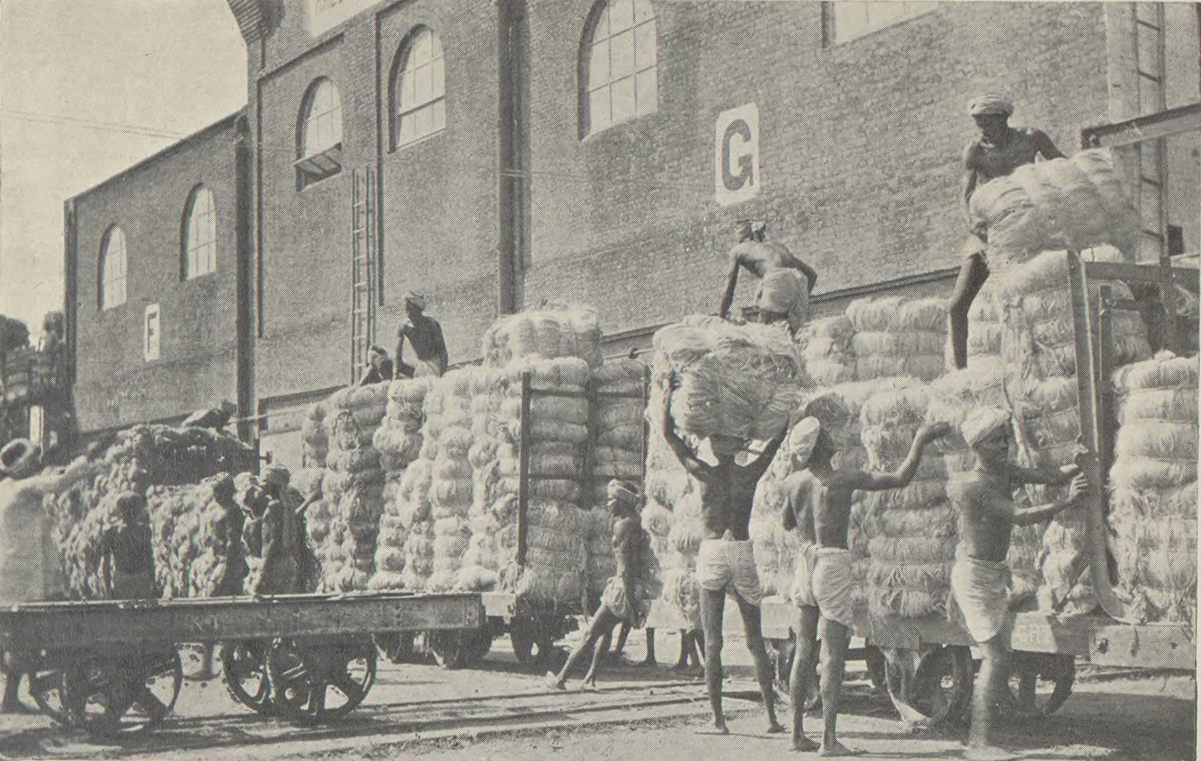
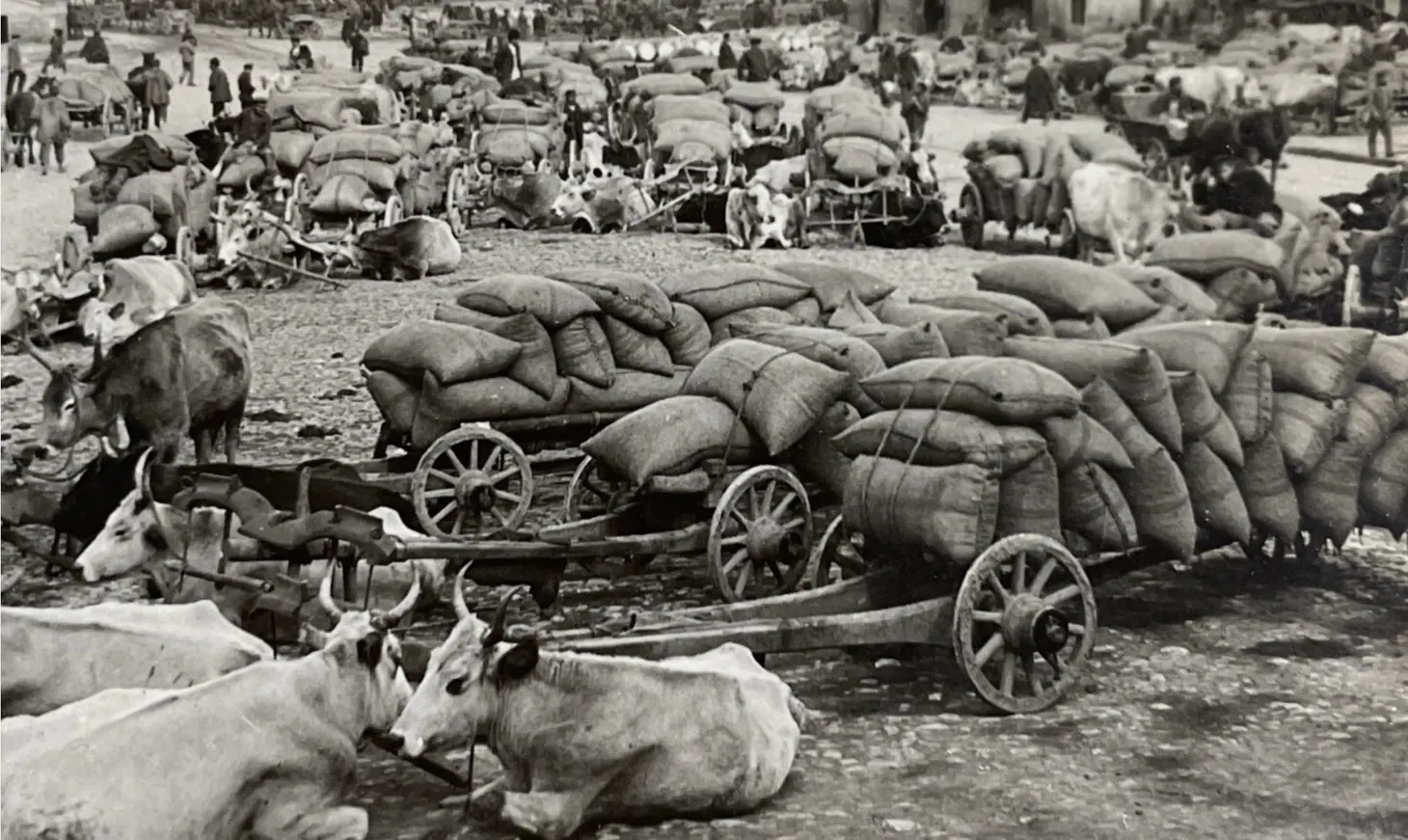
Discussion of the effects of growing jute in Bengal on living standards

Bram Hubbell
Bram Hubbell
4 min read
“Evidences of Comfort and Comparative Civilization”: Teaching Industrialization and Improved Living Standards
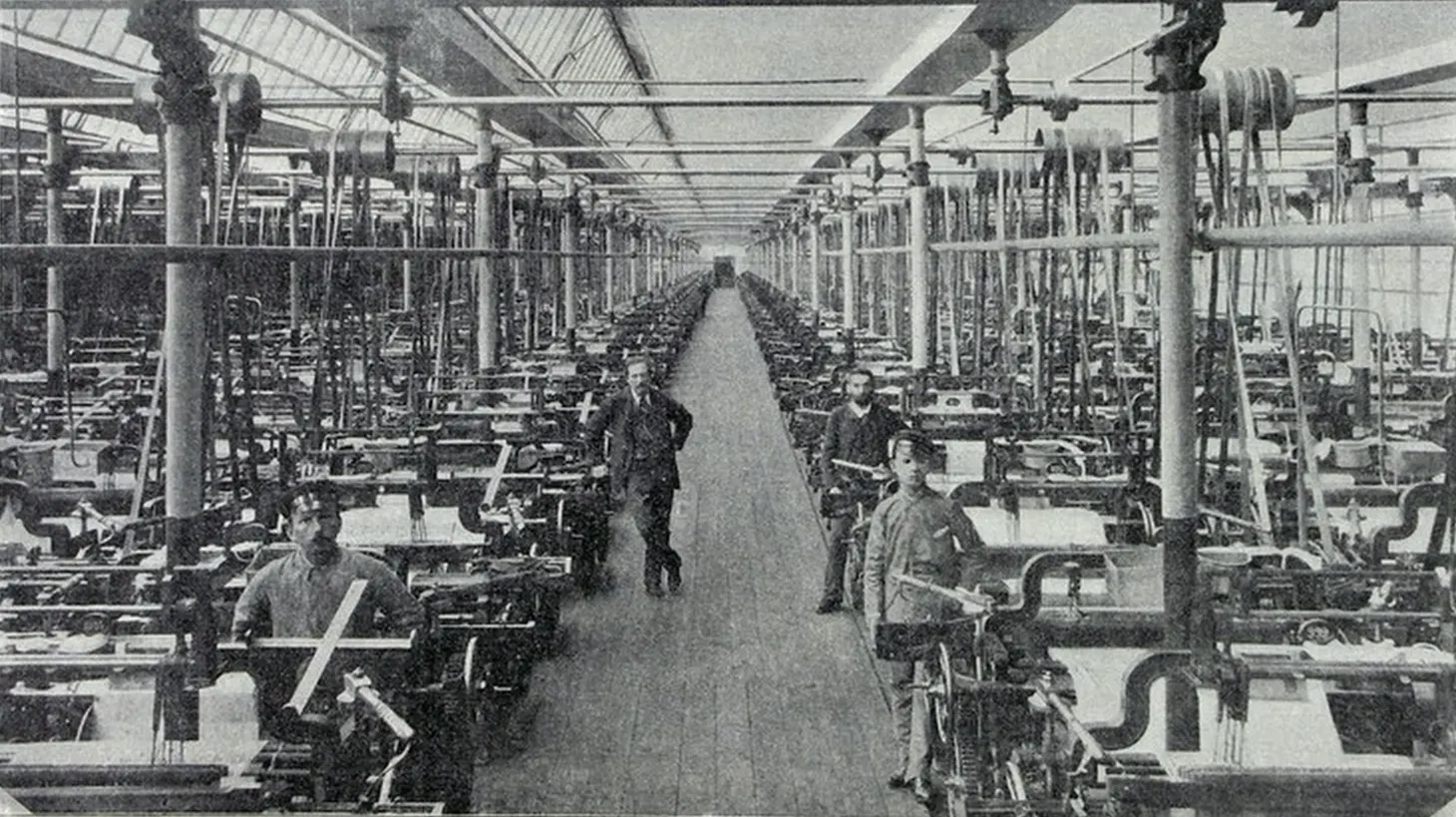
The Narayanganj Jute Mill in 1906. Source: Wikipedia.
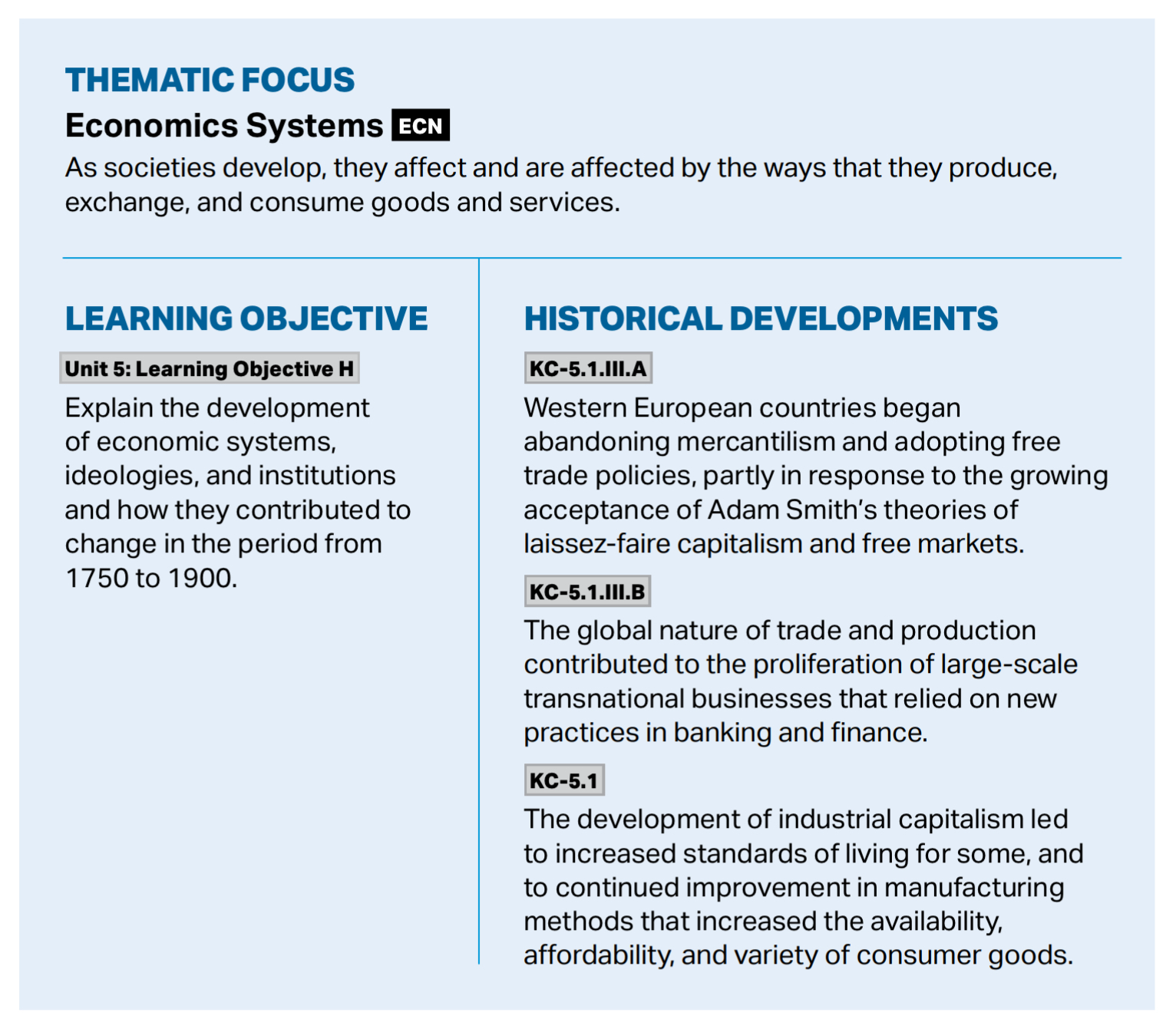
From page 106 of the AP World History Course and Exam Description.

When we teach about the benefits and improved living standards of industrialization and industrial capitalism, we often focus on Europe and changes, such as the development of sewage systems. Industrial capitalism also enhanced some people’s living standards in colonized regions. The Bengali jute-growing regions are an excellent example of how industrial capitalism improved many Bengalis’ lives.

The Source


Related Posts

Members Public

“We Have Chosen the Path of Non-Alignment”: Nehru, Non-Alignment, and Third Worldism

Teaching Non-Alignment

“We Have Chosen the Path of Non-Alignment”: Nehru, Non-Alignment, and Third Worldism
Members Public

“They Have Deprived our People of Every Democratic Liberty”: 1945 and the End of Empire

Teaching the origins of decolonization in 1945

“They Have Deprived our People of Every Democratic Liberty”: 1945 and the End of Empire
Members Public

Serio-Comic Maps, Nationalism, and the First World War

Drawing nationalism in 1914

Serio-Comic Maps, Nationalism, and the First World War