Skip to content

“Foreign Customs are Now Generally Understood Throughout Japan”: Foreign Influence on Japanese Reform in the Nineteenth Century

Discussion of how the Japanese understood foreign influences

Bram Hubbell
Bram Hubbell
2 min read
“Foreign Customs are Now Generally Understood Throughout Japan”: Foreign Influence on Japanese Reform in the Nineteenth Century
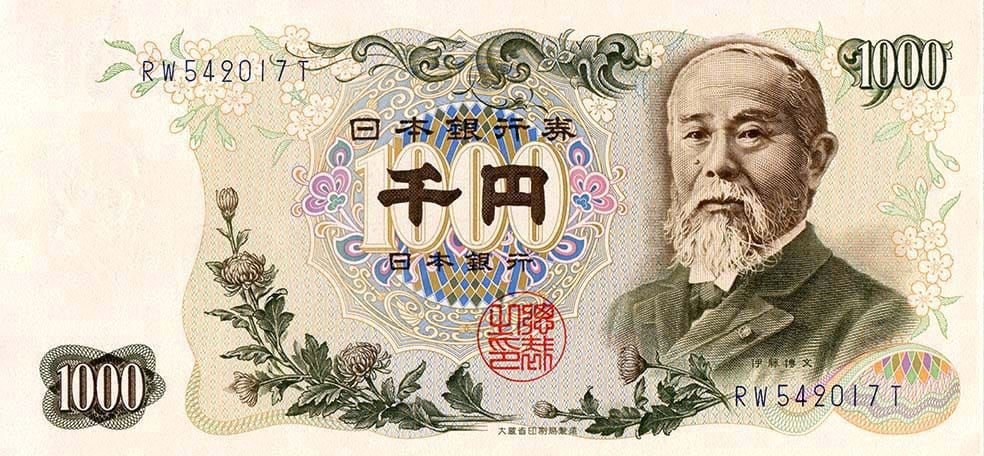
Japanese currency with a portrait of Itō Hirobumi. Source: Wikimedia Commons.
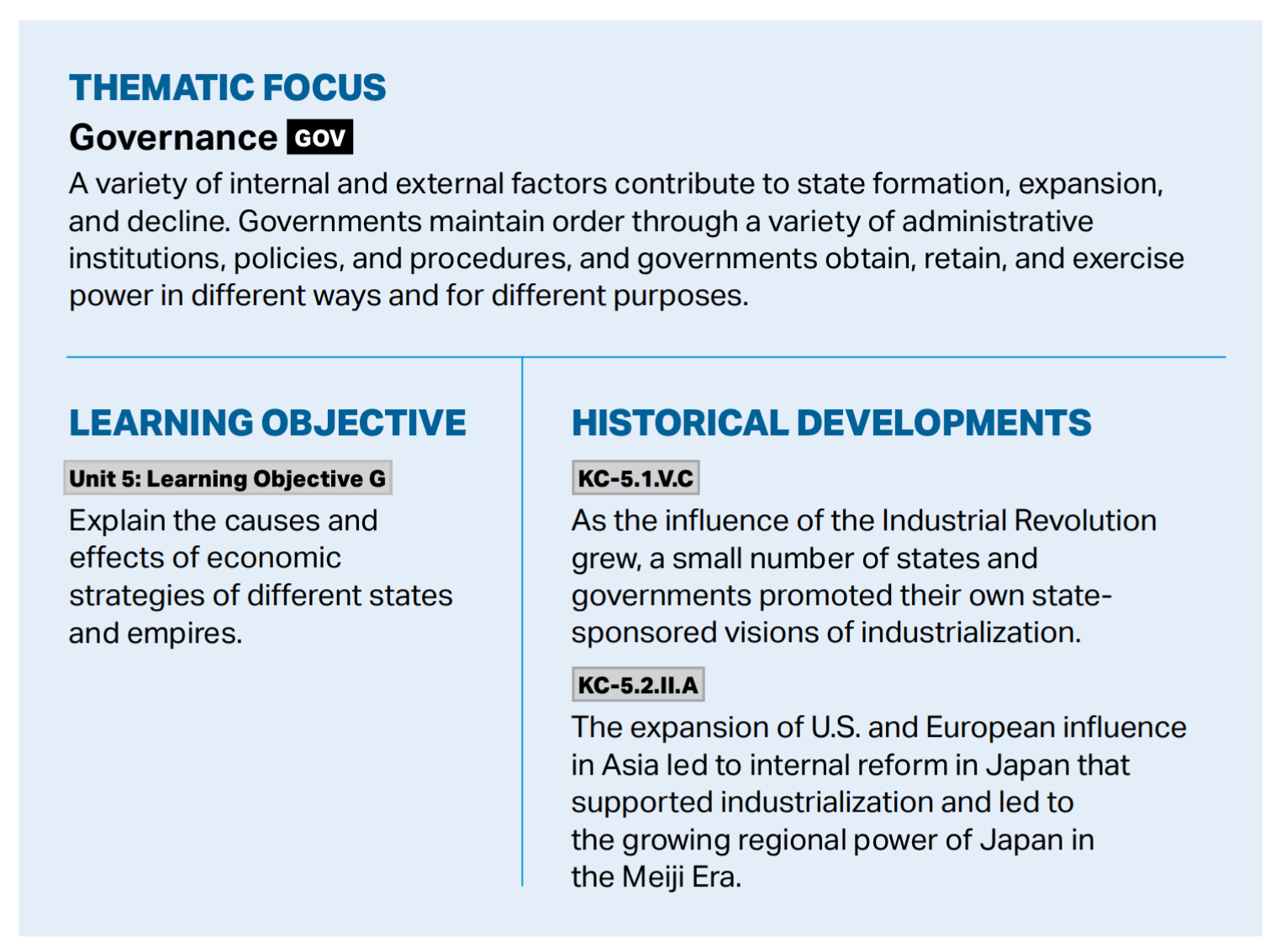
From page 105 of the AP World History Course and Exam Description.

The Meiji Restoration transformed Japan. Not only did the 250-year-old Tokugawa Shogunate end, but the Japanese also transformed their government and economy. Many of the leaders of the new Meiji government recognized the influence of Western Europe and the United States on Japan. Although we can have students focus on the effects of these influences, they can also learn how the Japanese leaders understood the influence of foreign powers.

The Source


Related Posts

Members Public

“We Have Chosen the Path of Non-Alignment”: Nehru, Non-Alignment, and Third Worldism

Teaching Non-Alignment

“We Have Chosen the Path of Non-Alignment”: Nehru, Non-Alignment, and Third Worldism
Members Public

“They Have Deprived our People of Every Democratic Liberty”: 1945 and the End of Empire

Teaching the origins of decolonization in 1945

“They Have Deprived our People of Every Democratic Liberty”: 1945 and the End of Empire
Members Public

Serio-Comic Maps, Nationalism, and the First World War

Drawing nationalism in 1914

Serio-Comic Maps, Nationalism, and the First World War