“Longing for their Homes”: The Middle Passage and the Development of Modern Migration, 1700 to 1830
Discussion of teaching the Middle Passage as the start of modern migration

Most history teachers cringe when their students begin their essays with “Throughout history,” but this post may be the one time it makes sense. Long before any written records existed, humans migrated across the planet. If there is one time to use the dreaded phrase, it’s now: throughout history, humans have migrated. But is all human migration comparable?
To make it easy for students, I highlighted two main features distinguishing premodern migration from modern migration. The first is that modern migration involves humans migrating across vast distances in their lifetimes. If we go back 10,000 years, humans migrated only as far as they walked. The second critical feature is that modern migration is exponentially greater. The number of people migrating over the last 300 years was in the millions rather than the hundreds or thousands. These two features existed simultaneously from about 1700 onward.
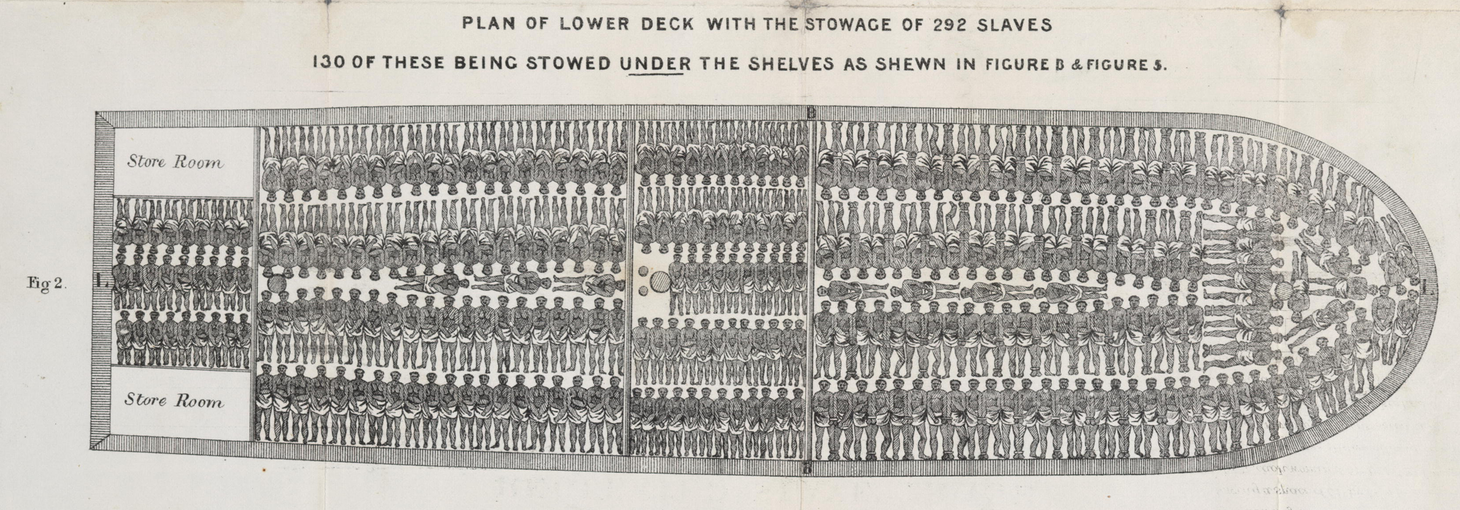
Between 1400 and 1700, humans worldwide began migrating over vast distances, but the numbers remained relatively small. After 1700, the rapid growth of the Middle Passage and the transatlantic slave trade fundamentally transformed migration patterns for enslaved Africans. The demand for labor in the Americas contributed to a rapid increase in the number of enslaved Africans forcibly transferred across the Atlantic, which marked the beginning of modern migration.
Development of Early Modern Migration
This content is for Paid Members
Unlock full access to Liberating Narratives and see the entire library of members-only content.
SubscribeAlready have an account? Log in