“Objects that Resemble the Ceramics of China”: Imitating Chinese Porcelain, c.1400 - c.1800
How potters around the world imitated Chinese porcelain in the First Global Economy

For decades, Canal Street in Lower Manhattan has been the place to go to buy fake versions of designer products. During the early 1990s, when I began spending time in New York City, I remember walking along Canal Street and seeing vendors selling designer handbags and sunglasses right on the street. For all the years I lived in New York City, Canal Street was always known for the vendors selling knockoffs. It’s no different today. Earlier this month, the New York Post and City Journal published stories about the counterfeit goods along Canal Street.
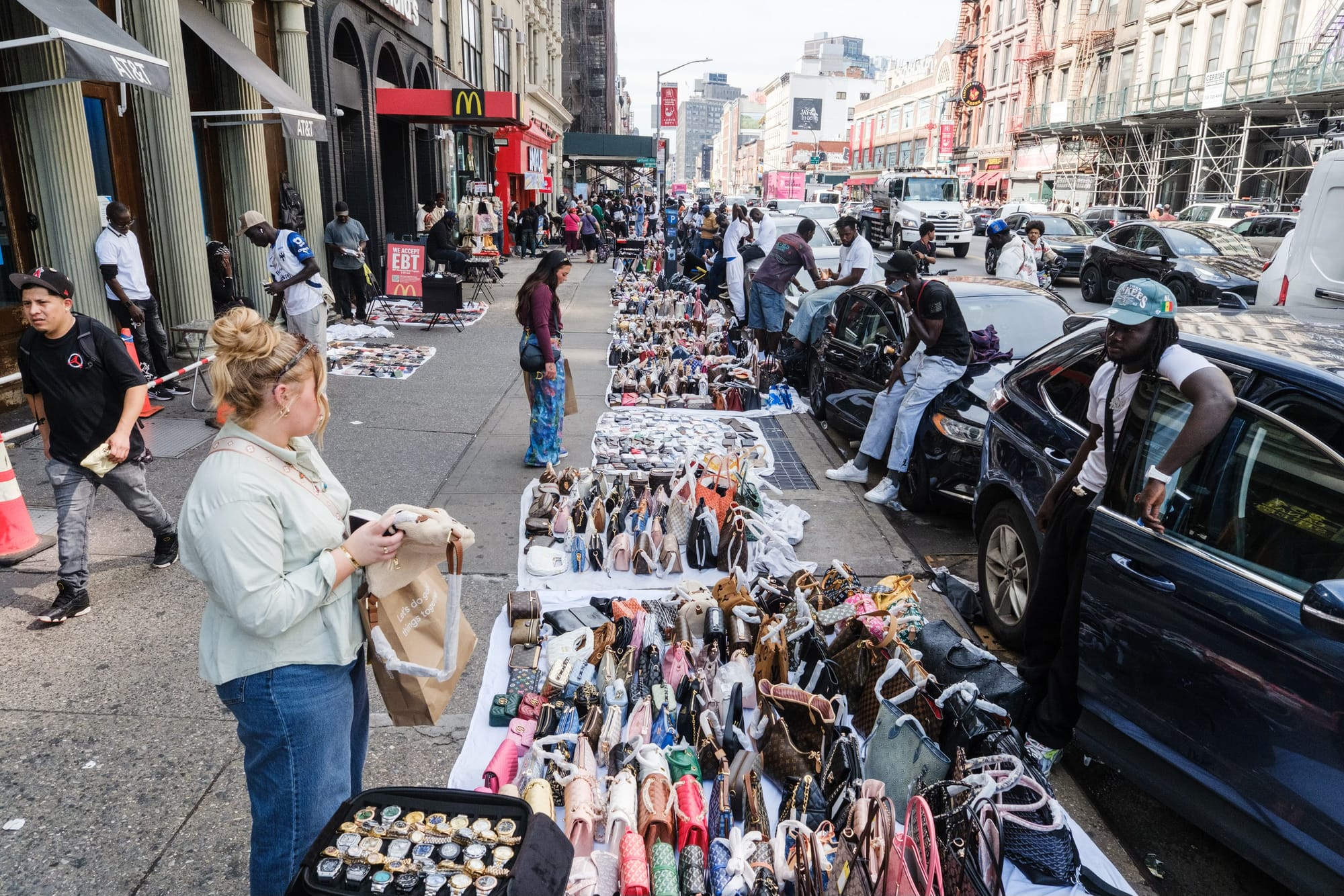
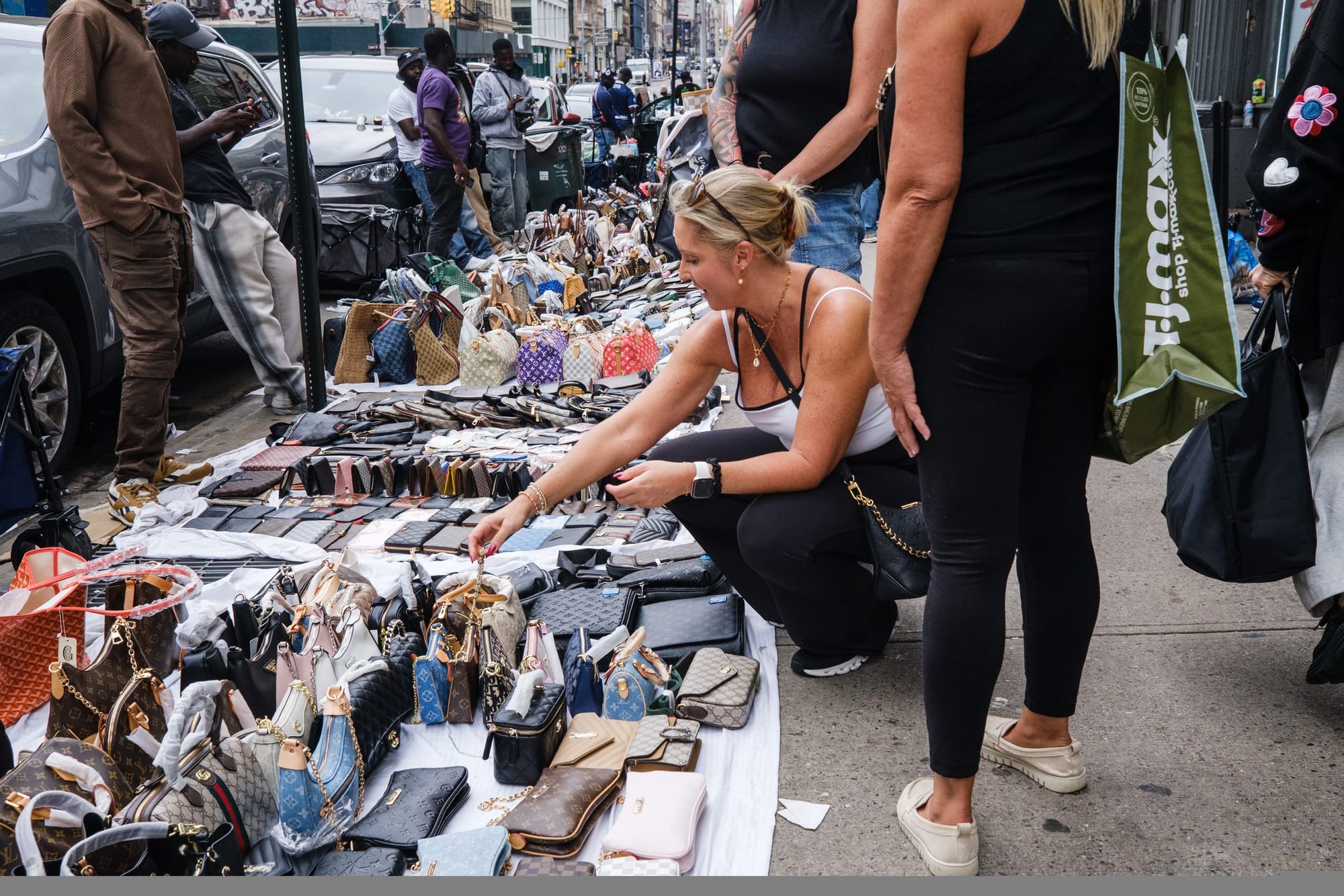
Two photos of consumers buying counterfeit goods on Canal Street. Both photos were taken by Stephen Yang, a former student.
Buying cheaper versions of luxury products was no different in the 1600s. In the last post, I discussed the global popularity of Chinese porcelain. Across Afroeurasia and the Americas, people wanted blue-and-white Chinese porcelain, but not everyone could afford it. Just as today’s consumers head to counterfeit markets in New York City and other major cities, consumers in the 1600s purchased imitation Chinese porcelain.
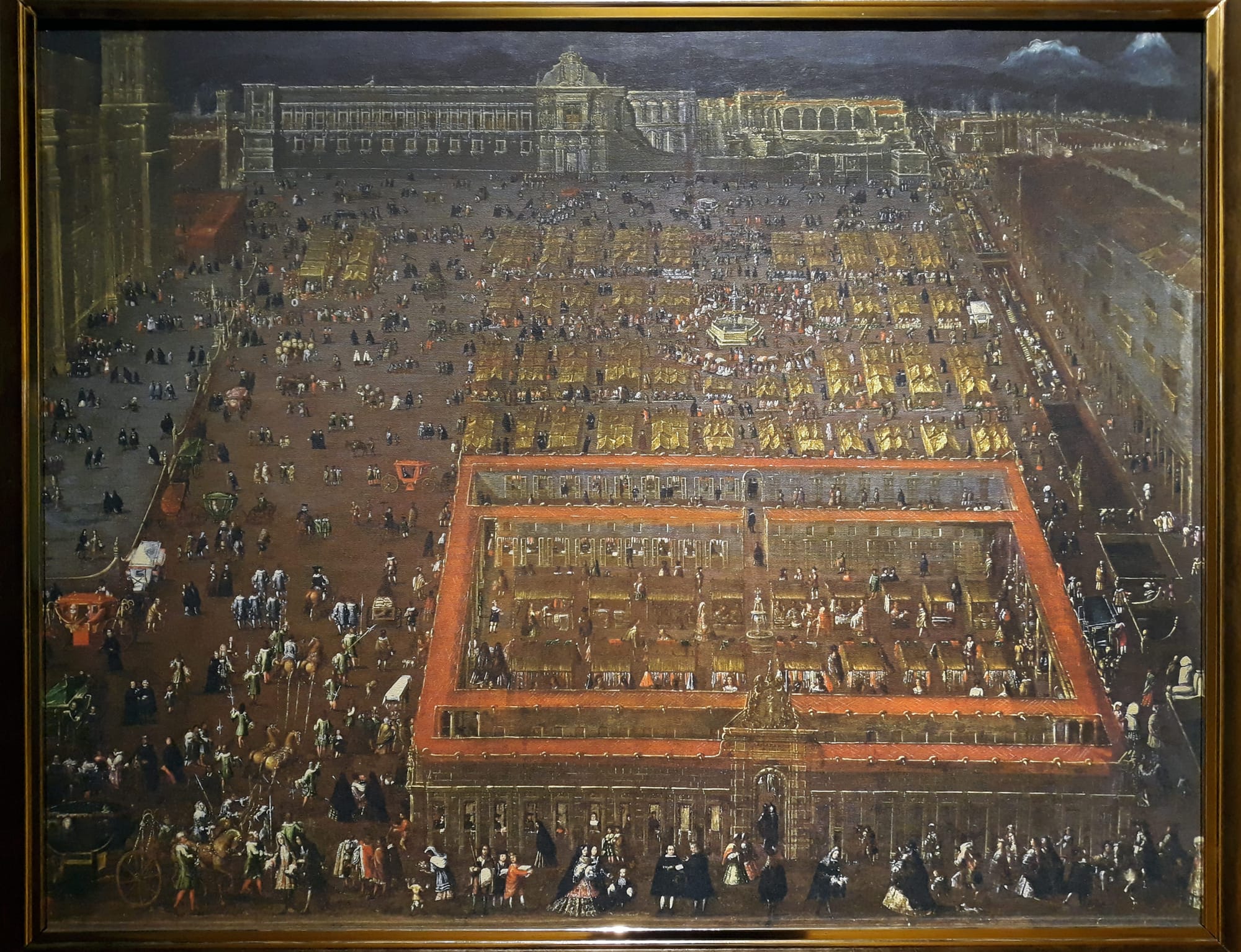
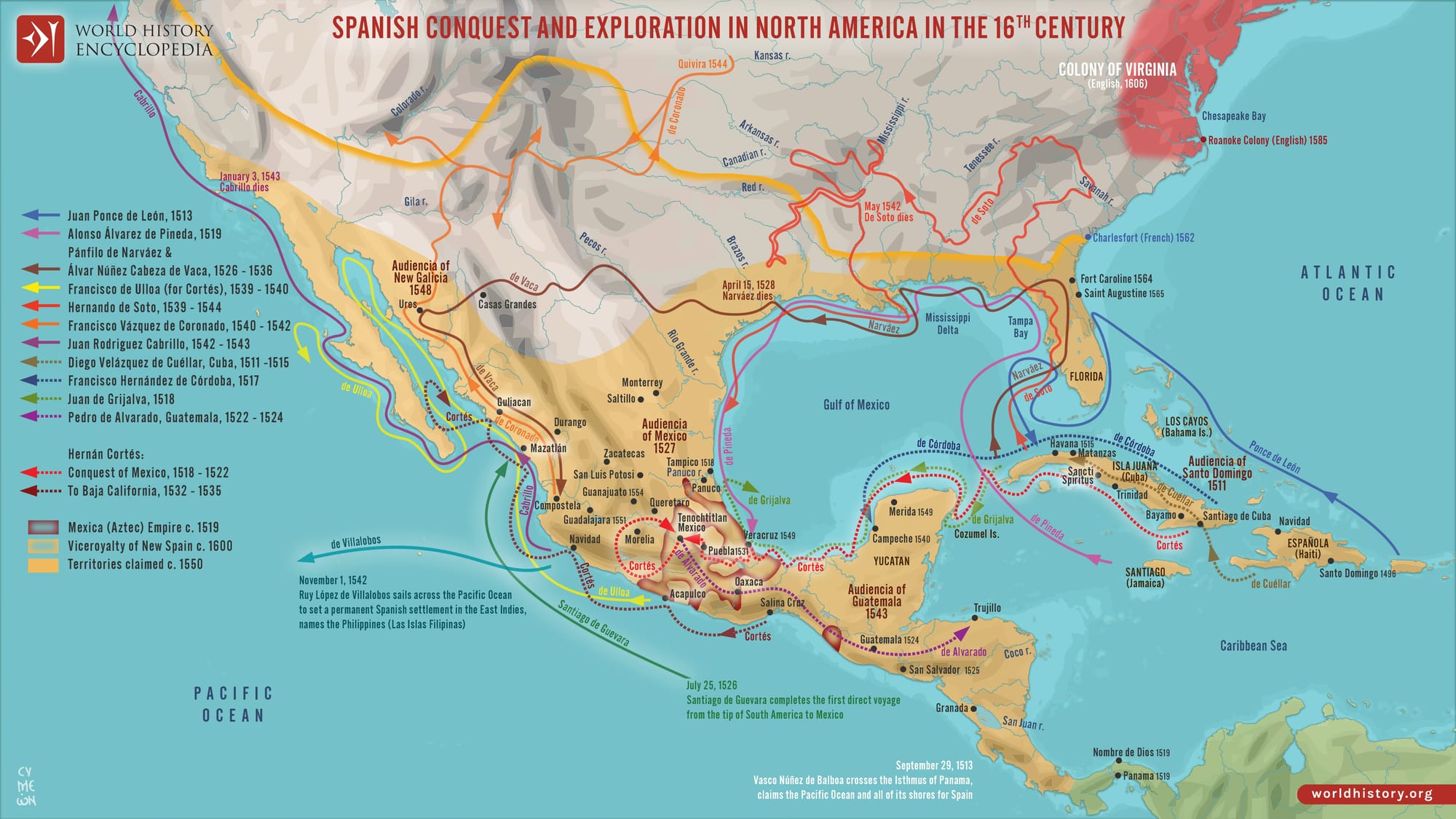
Left: Cristóbal de Villalpando’s View of the Plaza Mayor of Mexico City, 1695. Source: Wikimedia Commons. Right: Spanish Mexico in 1600. Puebla appears to the southeast of Mexico City. Source: World History Encyclopedia.
In Mexico City, Chinese porcelain was one of the main items shipped across the Pacific as part of the Trans-Pacific trade. After a difficult overland journey from Acapulco to Mexico City, Asian goods were among the many items for sale in the Parian, a large market in Mexico City’s main square. It shared the name of the Chinese market in Manila, Philippines. In the painting above, the Parian was the area marked in red. Elites could buy Chinese porcelain and silks or Indian textiles. They could also buy locally made Talavera Poblana, pottery from nearby Puebla that copied Chinese models.
Talavera Poblana was not unique. During the seventeenth and eighteenth centuries, artisans in Persia, the Ottoman Empire, Japan, Europe, and the Americas copied the style of Chinese porcelain. Local, and sometimes global, consumers could get porcelain that looked Chinese, but it was inferior quality.
Puebla and Talavera Poblana
In 1531, Spanish officials founded the new city of Puebla for Spanish settlers. Despite wanting to keep Indigenous Americans separate from European settlers, indigenous communities quickly dominated Puebla. European artisans arrived in the sixteenth century and taught Indigenous Americans European pottery techniques. The city flourished as a ceramics center because of its proximity to clay deposits and other raw materials.
As Chinese porcelain began arriving in the second half of the 1500s, Puebla’s artisans copied it. In the seventeenth century, Bernabé Cobo was a Spanish Jesuit missionary who spent most of his life in Spanish America. He wrote his Historia del Nuevo Mundo in 1653, and he described Puebla’s artisans:
This content is for Paid Members
Unlock full access to Liberating Narratives and see the entire library of members-only content.
SubscribeAlready have an account? Log in