
“Looking For Hope, Betterment”: Global Migration, c.1920 - c.1960
Discussion of teaching global migration from 1920 to 1960

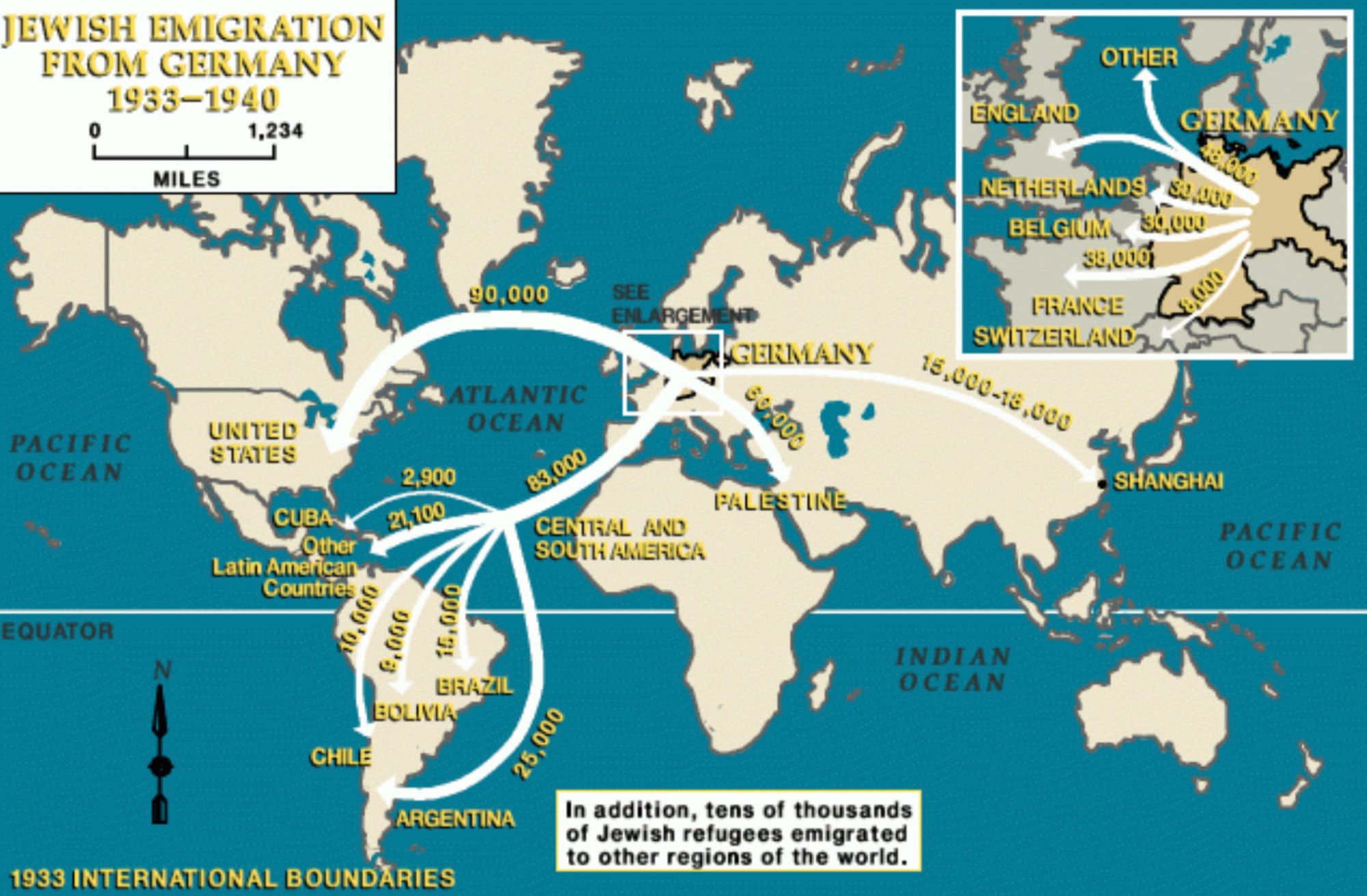
The history of migration in the twentieth century is complicated. Most people assume that migration stopped, or at least declined significantly, in the middle of the century because many states implemented laws limiting the number of immigrants. While migration declined in the middle of the twentieth century, the story is more complicated. One of the most apparent trends of persistent international migration was the millions of refugees fleeing fascist states in the 1930s and early 1940s. Jews leaving Nazi Germany are probably the most well-known example, but there were others. Fascism also developed in Italy and Spain, so other groups left because of political persecution. The map below shows Jews fleeing Nazi Germany and traveling all over the world.
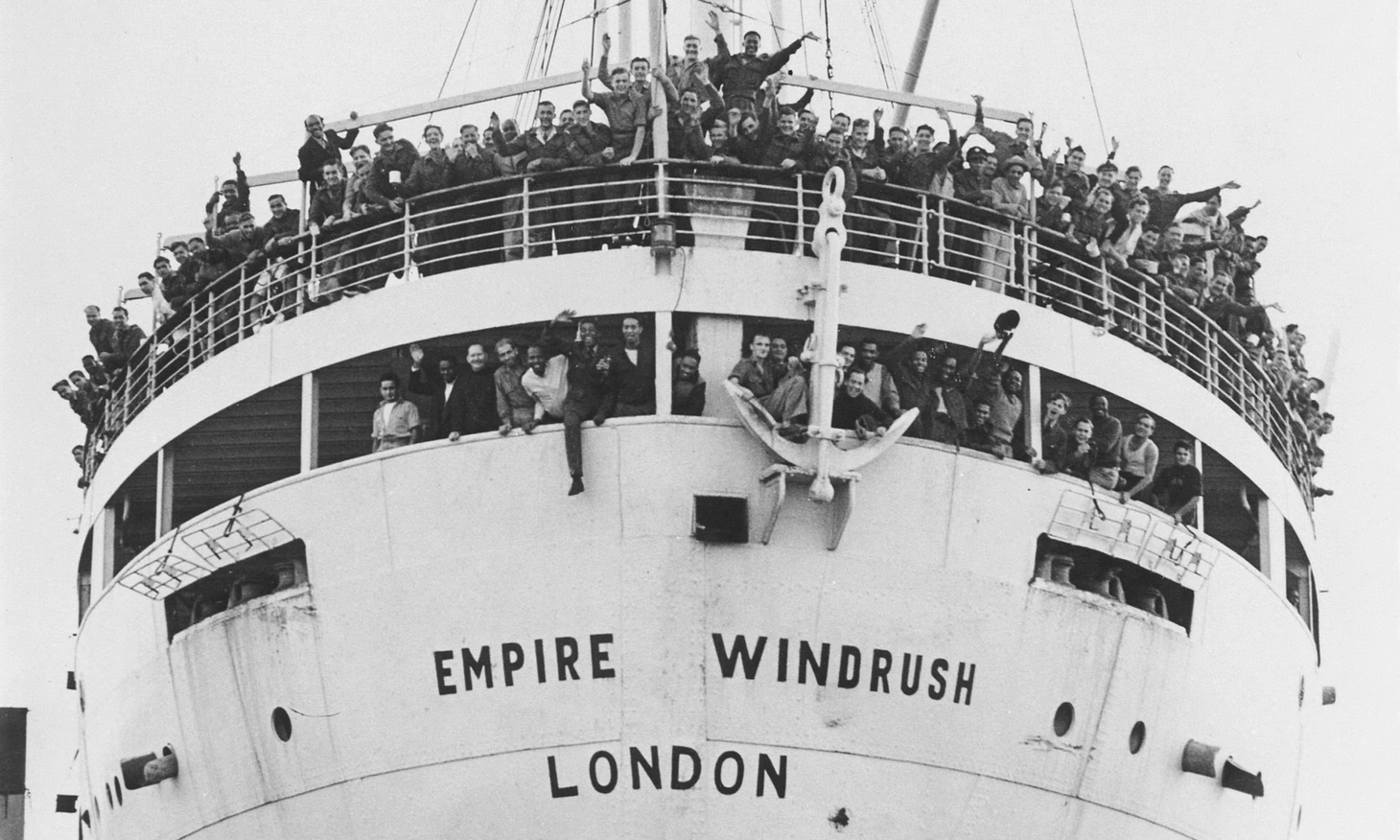
Some might argue that political refugees were a unique type of person who migrated, but labor migration also continued during the middle of the twentieth century. Despite the United States and other White states imposing racist limits on immigration, labor migration persisted across much of Asia into the 1940s. Some European countries began encouraging labor migration right after the Second World War ended.
Racism and the Decline of Labor Migration
This content is for Paid Members
Unlock full access to Liberating Narratives and see the entire library of members-only content.
SubscribeAlready have an account? Log in