“Vast Quantity of Cotton Cloths”: Indian Textiles and the First Global Economy
Indian Textiles and the First Global Economy

When I taught Indian textiles and the First Global Economy, I asked students to look at the tags on their clothing and note what materials their clothes were made from. Cotton was overwhelmingly the most popular material. I would then ask the students why. After a few answers, they realized cotton felt good against the skin and was easy to dye or put prints on. To help students consider alternatives in the 1500s, I asked them to imagine wearing wool underwear, which, unsurprisingly, was not a popular option.
The same was true in the Early Modern world. In 1582, Luis Frois, the first Portuguese missionary to Japan, wrote about the differences between Europeans and Japanese. He noted that “Japanese underpants are always made of coarse or ordinary cotton.” People like cotton textiles for comfort and style. And when it came to cotton textiles, India dominated the First Global Economy.
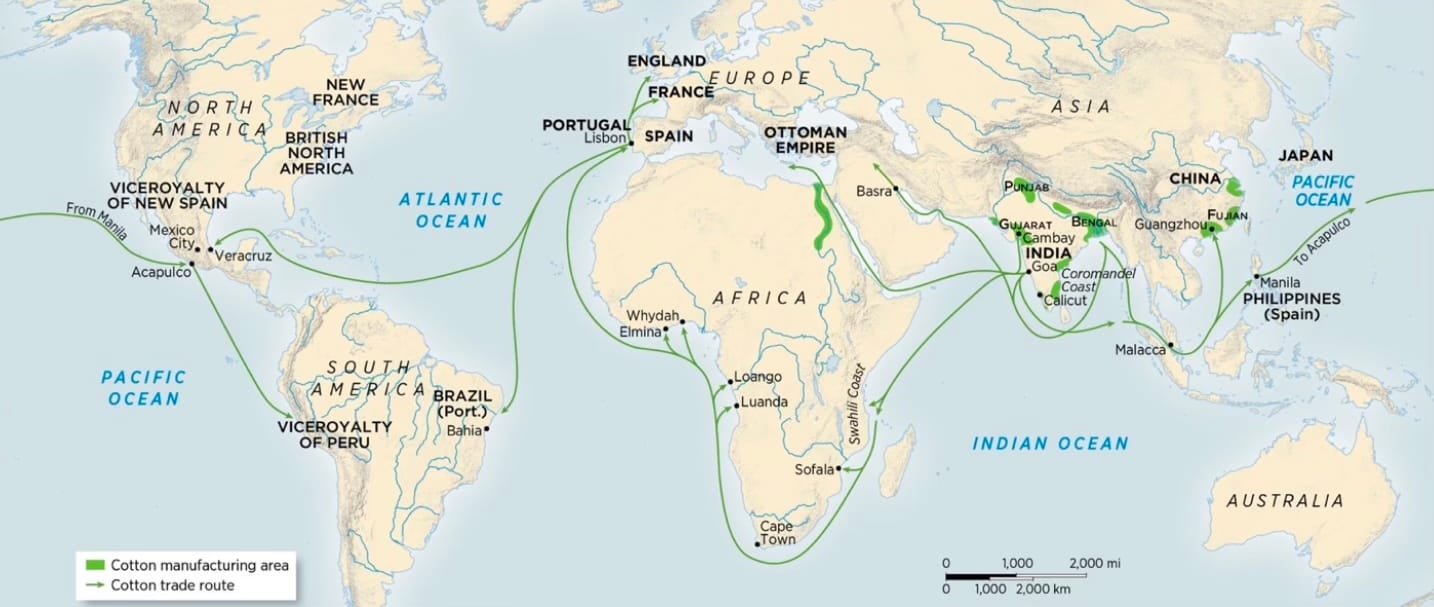
Even before the development of the First Global Economy, Indian textiles were popular across Afroeurasia. In How India Clothed the World: The World of South Asian Textiles, 1500–1850, Giorgio Riello and Tirthankar Roy provide an excellent overview of the Indian textile manufacture and trade:
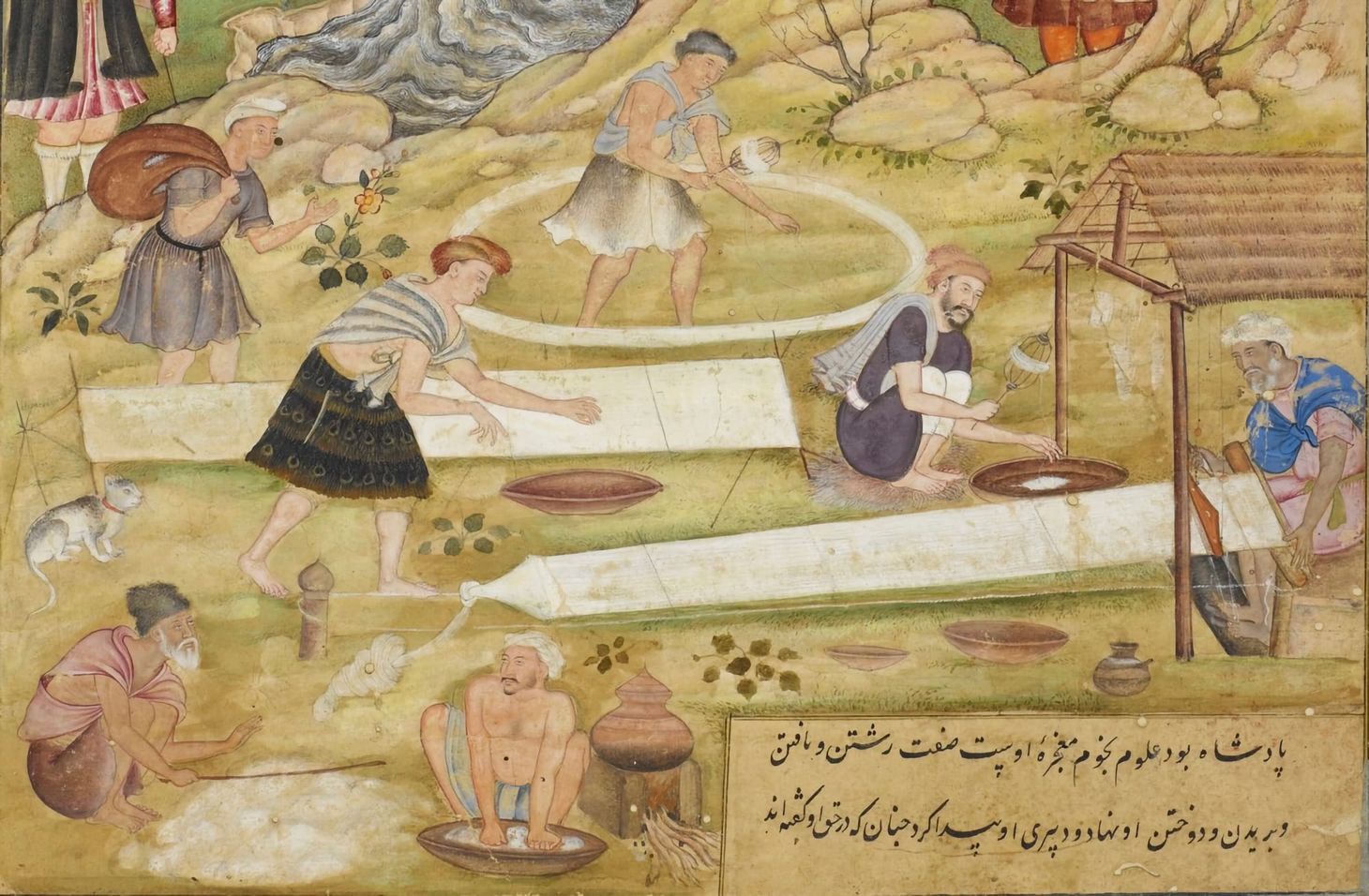
In 1500 cotton textiles were the centre of the manufacturing life of the Indian subcontinent and the foundation of a wide-ranging trade that spread from India via land and sea to as far as Indonesia and Japan in the east and Saudi Arabia, Ethiopia, Egypt and West Africa in the west. Various types of textiles, and in particular cotton textiles, were traded by Indian merchants in exchange for a variety of commodities ranging from spices and foodstuffs to specie and luxuries. The regions of Gujarat in western India, Coromandel in its southern part and later Bengal in the east were among the most thriving centres of manufacturing within a well articulated system of exchange.
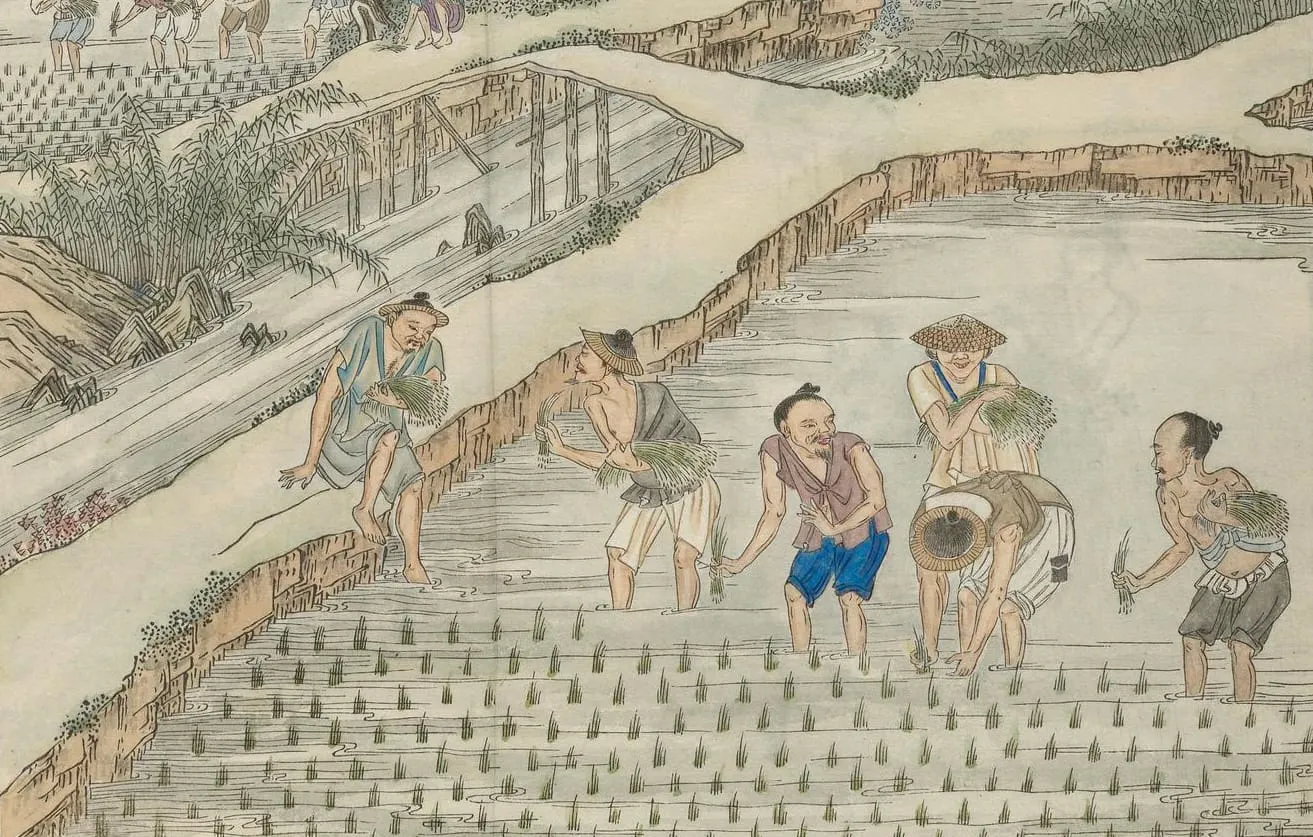
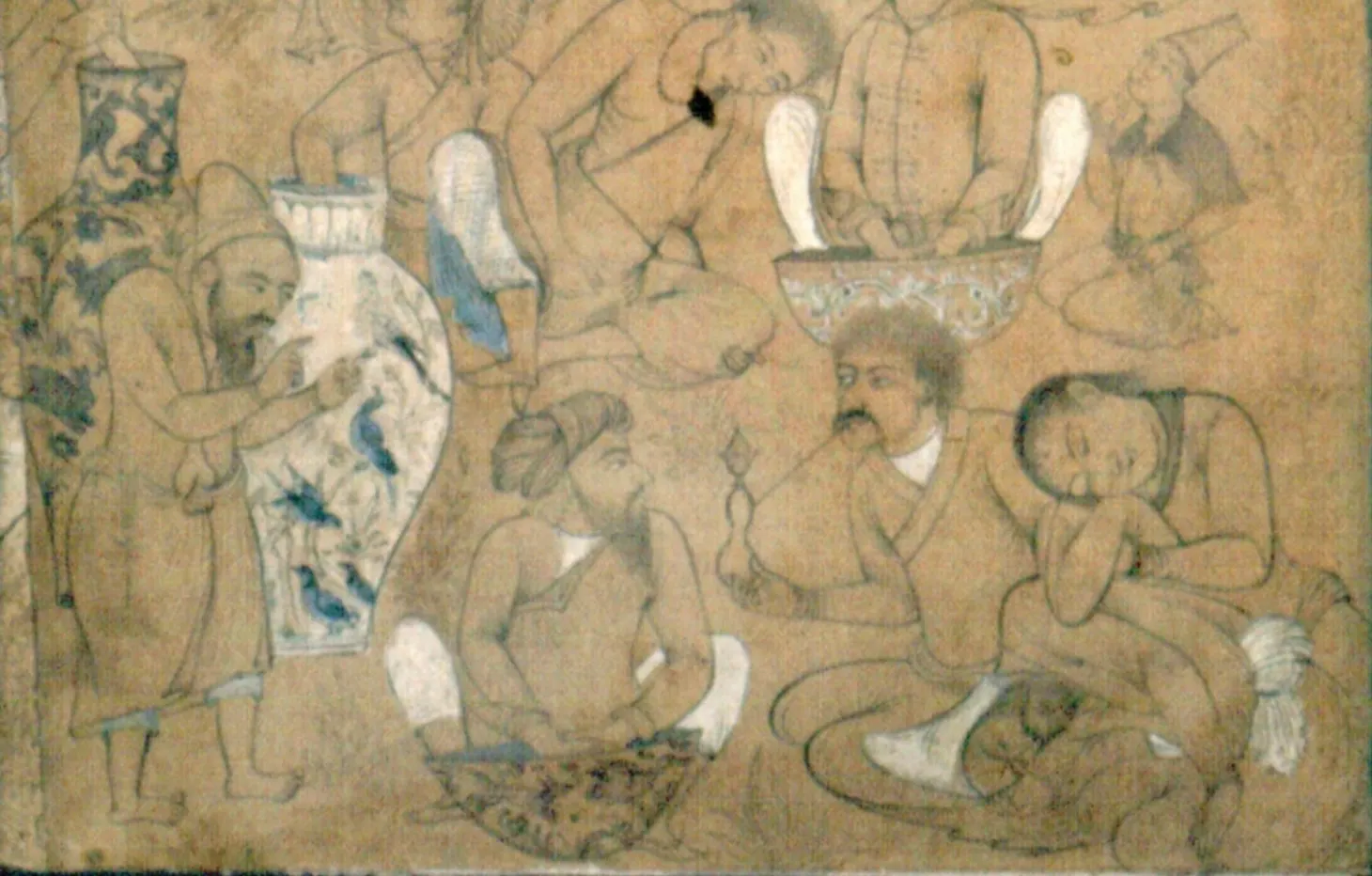
After European maritime expansion linked the Americas to Afroeurasia, traders carried Indian textiles even farther. Between 1500 and c.1750, Europeans regularly described the variety of Indian textiles and the extent of the trade. We can also have students analyze paintings and material remains to see how Indian textiles traveled around the world.
European Reactions
As soon as the Portuguese arrived in India in 1498, they noticed Indian textiles. For the next 250 years, Europeans regularly described the variety and the amount of textiles available in different parts of India. One of the earliest descriptions appeared in Tomé Pires’ Suma Oriental, which he wrote in the 1510s. While describing the port of Cambay in Gujarat, Pires said, “It has all the silks there are in these parts, all the different kinds of cotton material, of which there must be twenty, all of great value.”
This content is for Paid Members
Unlock full access to Liberating Narratives and see the entire library of members-only content.
SubscribeAlready have an account? Log in