“Women Who Negotiate, Do Business, Buy and Sell”: Women Traders and the First Global Economy
The importance of women to the First Global Economy

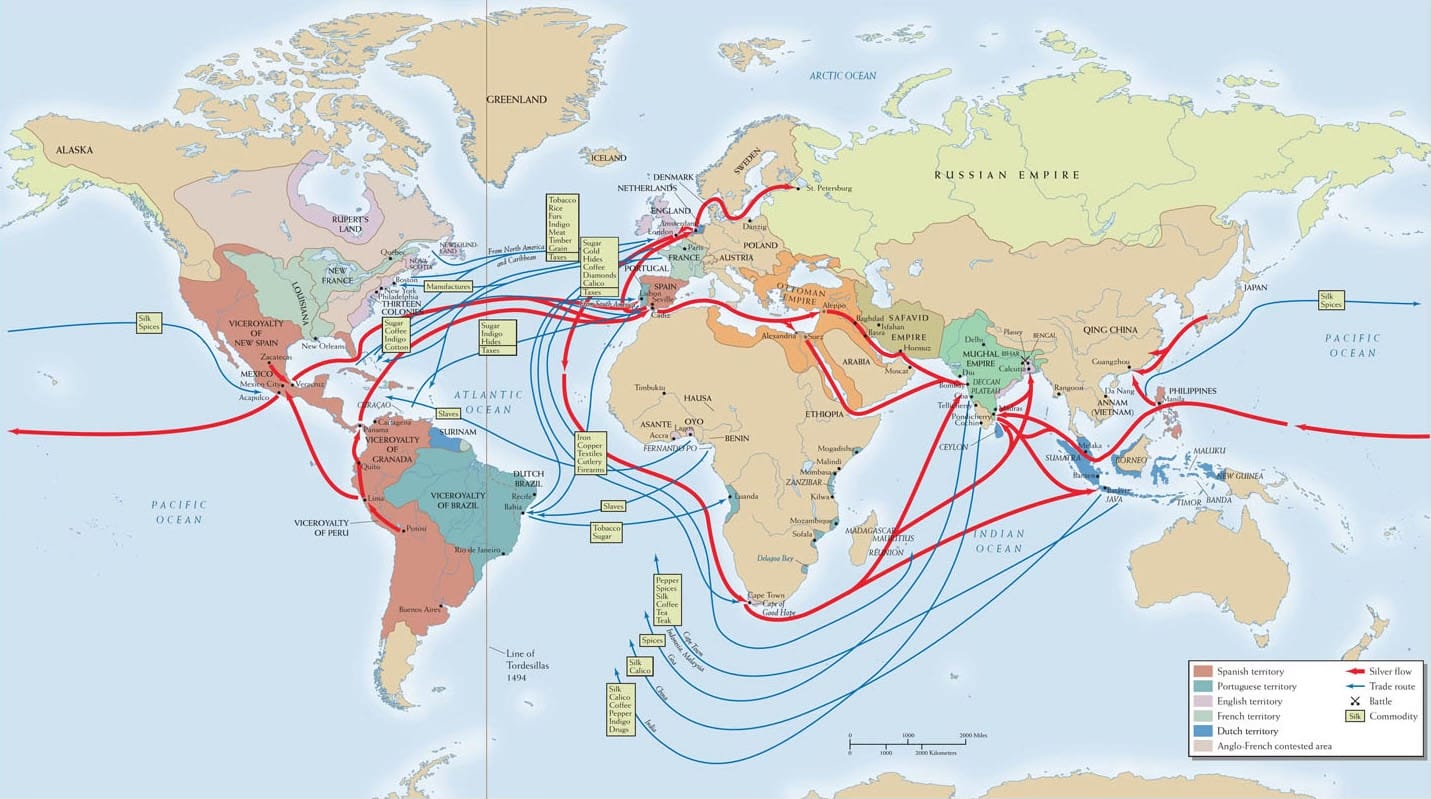
For many new world history teachers, the course can seem challenging and dull. Textbooks often focus on empires and political economy. Rich stories of individuals, especially women, who bring history to life are especially helpful when teaching teenagers. As much as I enjoy maps of the global silver trade in the First Global Economy, they don’t get our students excited.
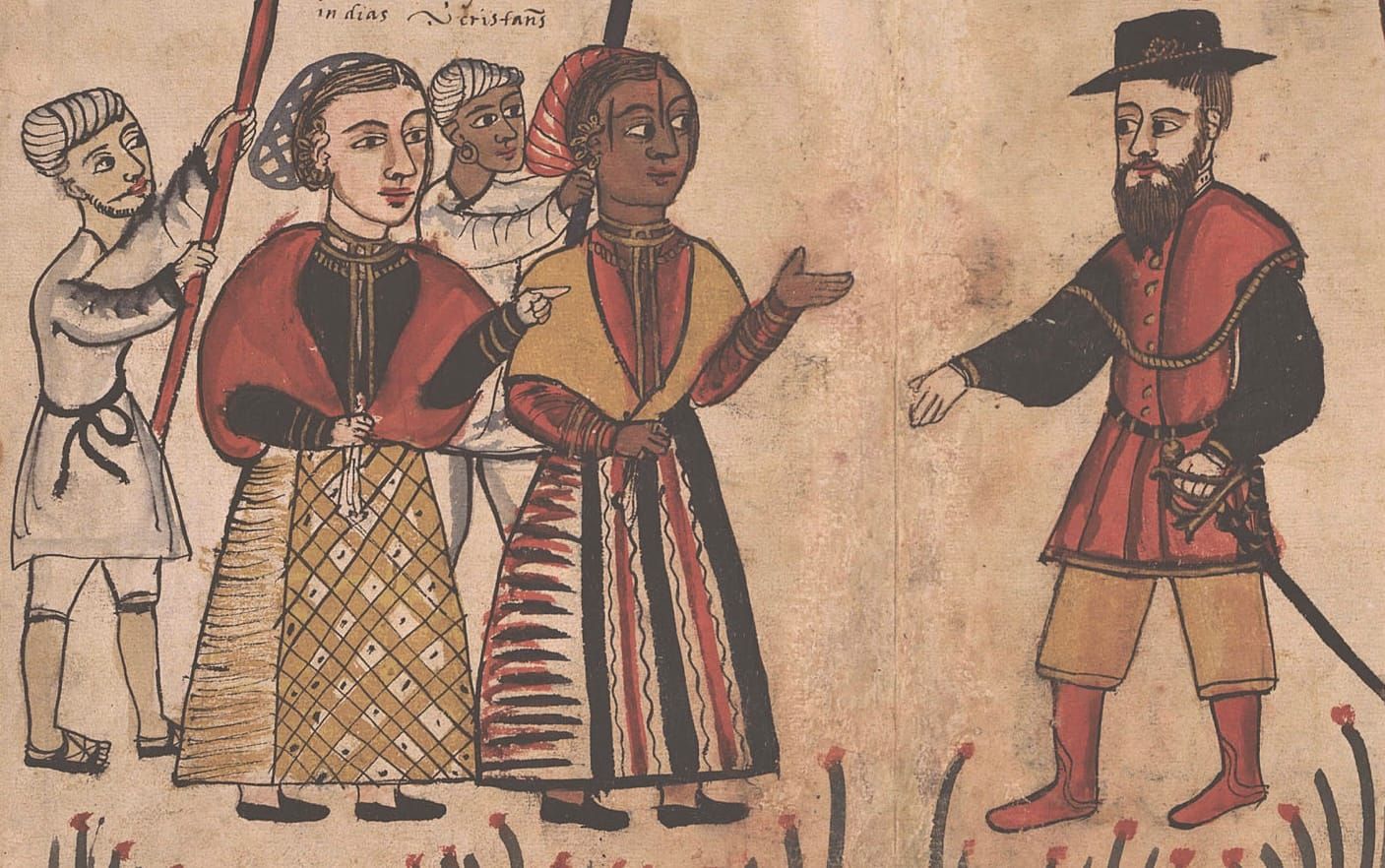
When I started teaching world history, Kenneth Pomeranz and Steven Topik’s The World That Trade Created: Society, Culture, and the World Economy, 1400 to Present was my favorite resource for getting students excited about economic history. The book is now on its fourth edition, and it’s still a great resource. The essay that always got students talking was “How the Other Half Traded.” Pomeranz and Topik discussed how Dutch VOC traders regularly depended on indigenous Southeast Asian women for marriage connections and economic opportunities. It also helped that I found Jacob Coeman’s painting of Pieter Cnoll, a VOC merchant, and his Eurasian wife Cornelia van Nijenrode. The painting just made it easier for students to visualize what Pomeranz and Topik were writing about.
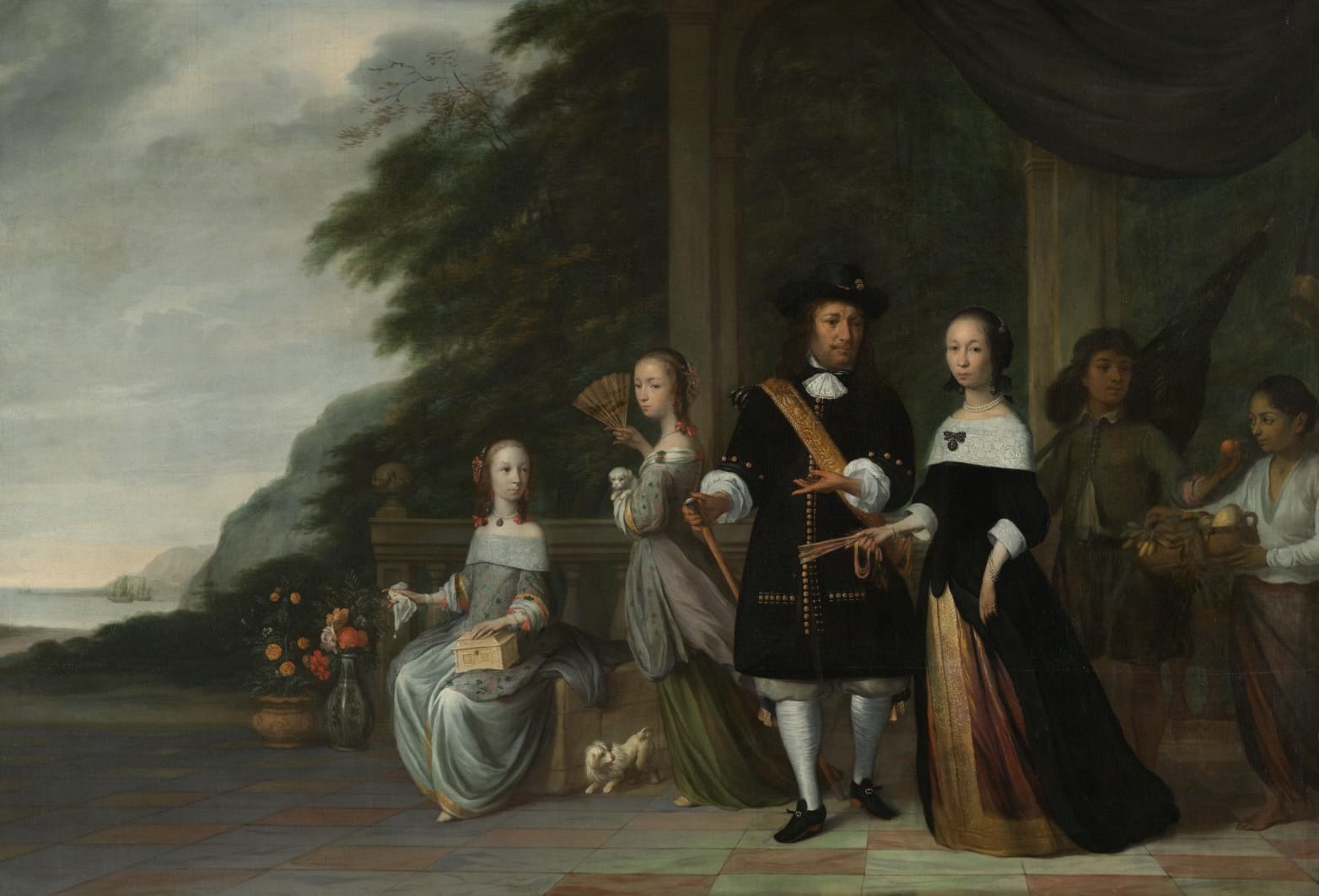
Over the years, I learned about other African and Asian examples of women who played critical roles in facilitating Early Modern trade. As I found more examples of influential women traders, I realized they were more than just a unique feature of Southeast Asia. European traders may have tried to dominate international trade routes in the First Global Economy, but local women often controlled the goods that moved through ports.
Women Merchants Across Southeast Asia
This content is for Paid Members
Unlock full access to Liberating Narratives and see the entire library of members-only content.
SubscribeAlready have an account? Log in